
Key Takeaways
- Before ordering a can seamer or filler-seamer, turn “after-sales support” into a written scope: covered equipment, warranty conditions, support channels, on-site work, spare parts, costs and…
- This guide provides a procurement checklist, not additional service promises. Use it with the supplier's project proposal and agreed service terms. It expands the service questions in our qu…
- Record the machine model, serial number when available, supplied options, control-system version and installation destination. Separate a standalone seamer from a filler-seamer monoblock. Li…
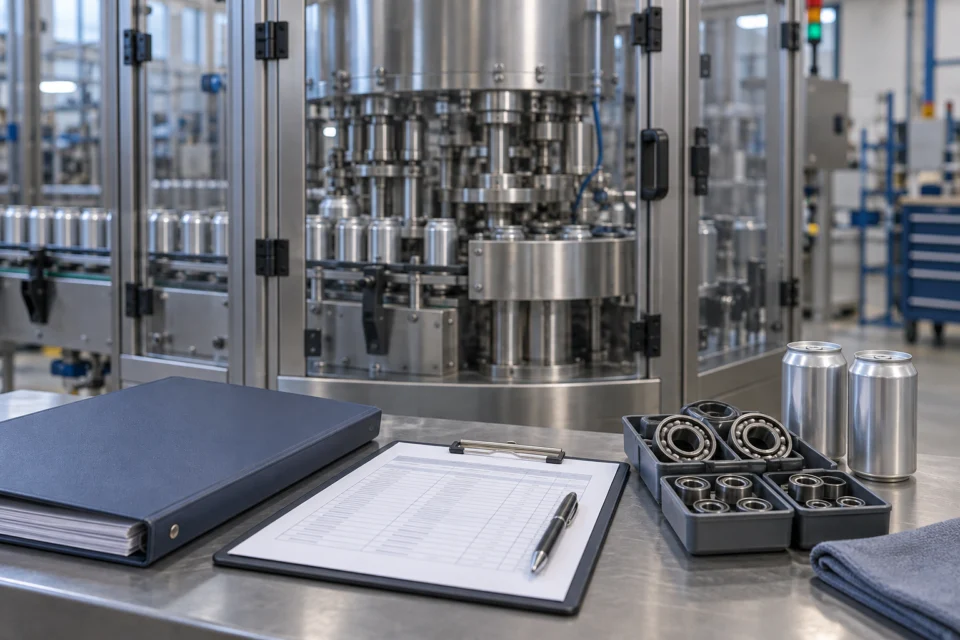
Before ordering a can seamer or filler-seamer, turn “after-sales support” into a written scope: covered equipment, warranty conditions, support channels, on-site work, spare parts, costs and completion evidence. A warranty period alone does not tell you who pays for travel, when an engineer can arrive, or whether an upstream machine is included.
This guide provides a procurement checklist, not additional service promises. Use it with the supplier's project proposal and agreed service terms. It expands the service questions in our quotation information guide; it does not replace a maintenance manual or an acceptance test plan.
1. Define exactly which equipment is covered
Record the machine model, serial number when available, supplied options, control-system version and installation destination. Separate a standalone seamer from a filler-seamer monoblock. List third-party conveyors, coding, inspection and utility equipment individually, with the party responsible for each interface.
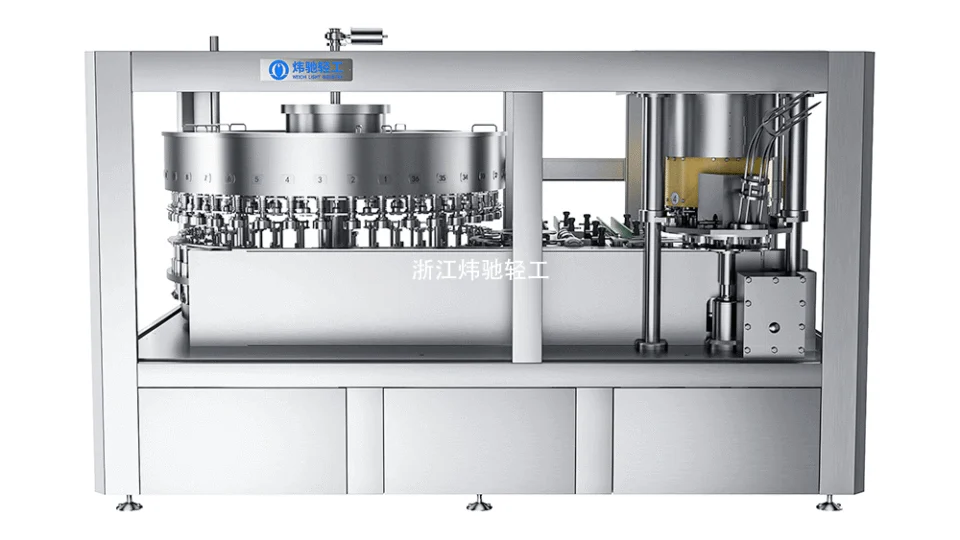
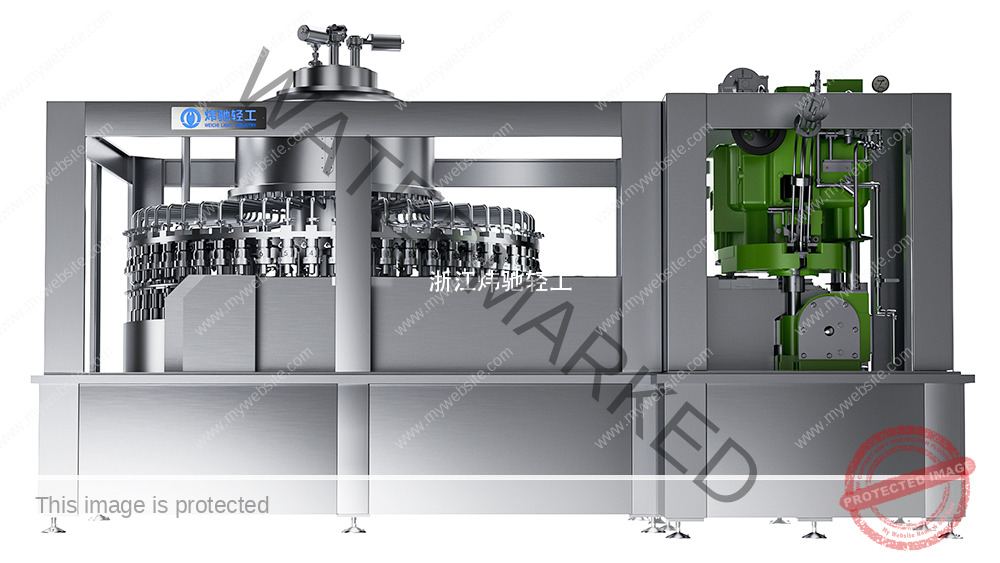
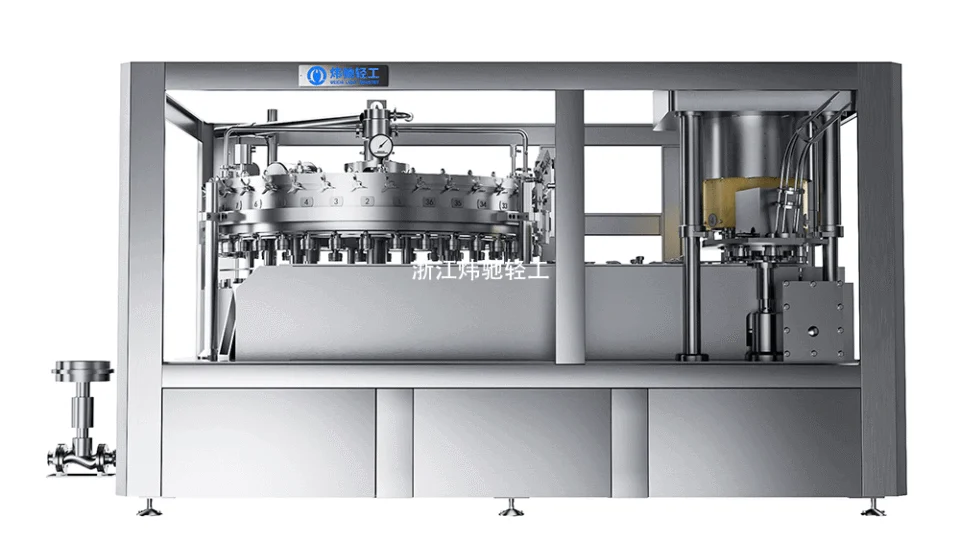
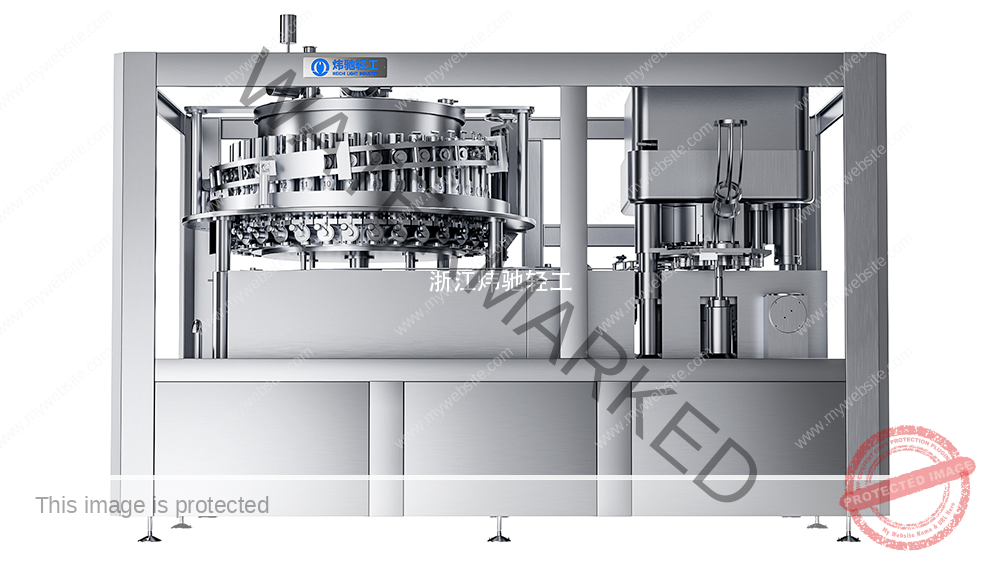
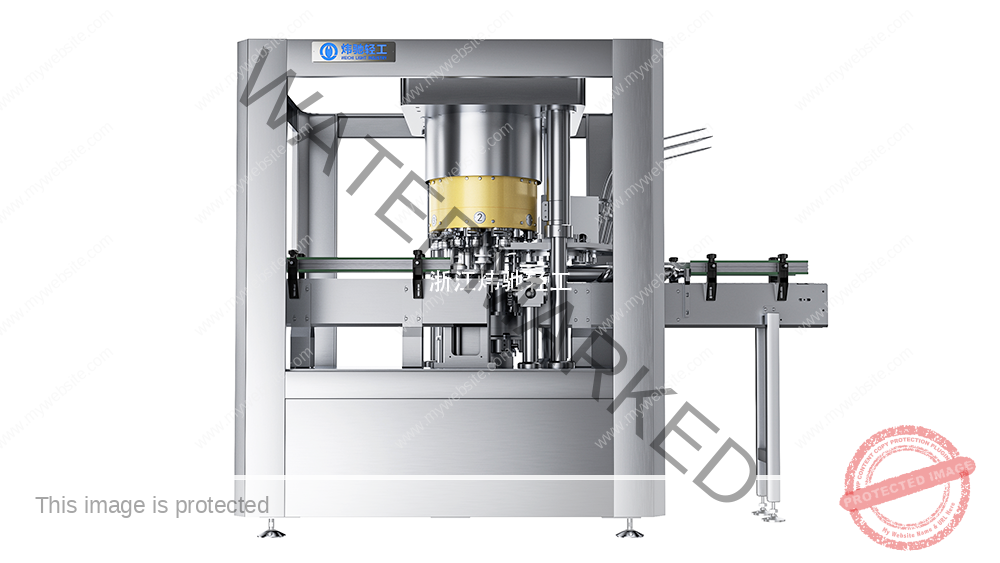
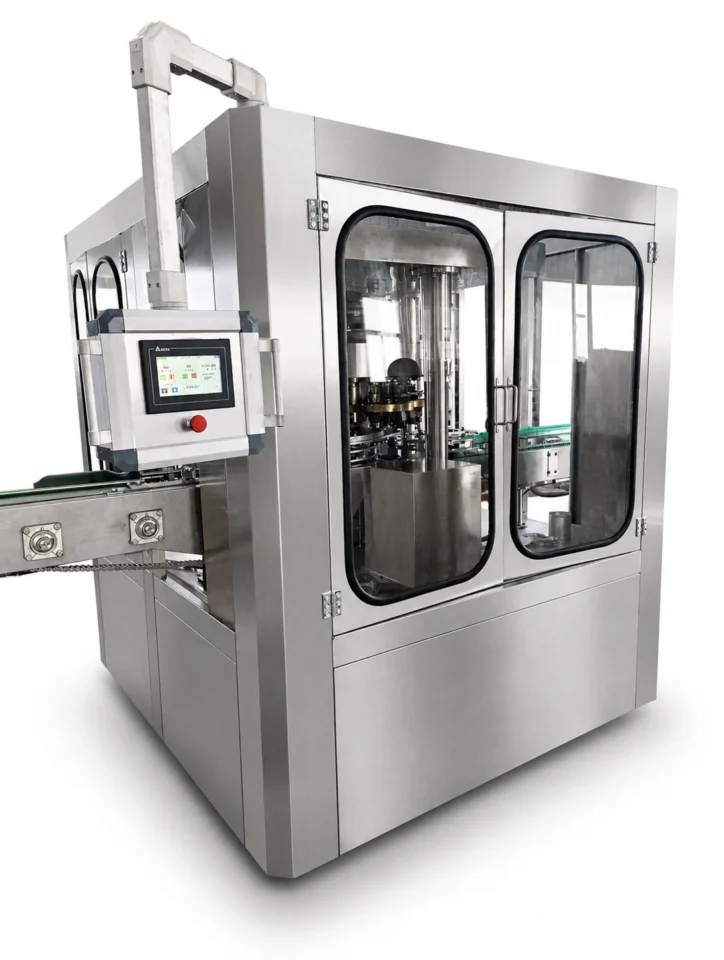
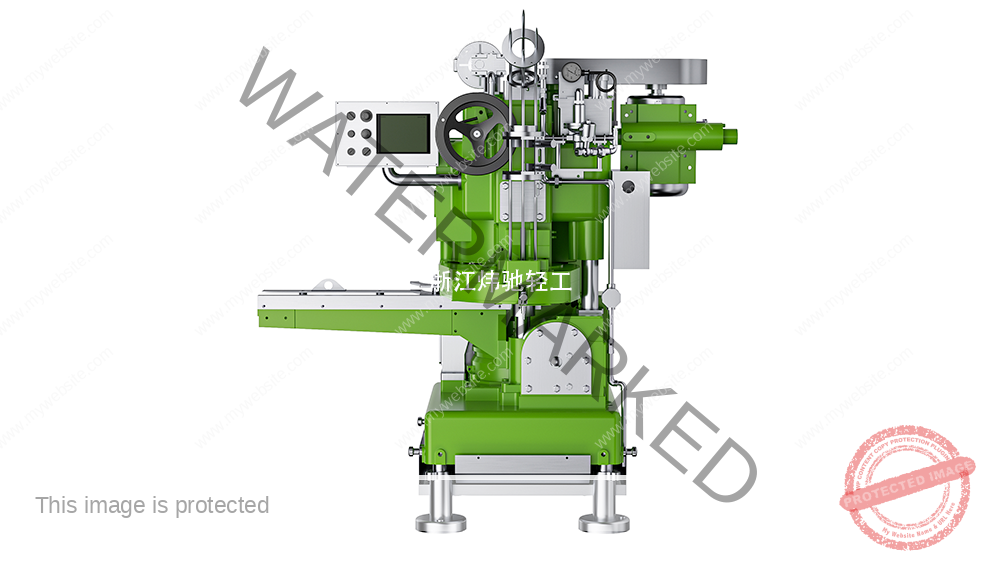
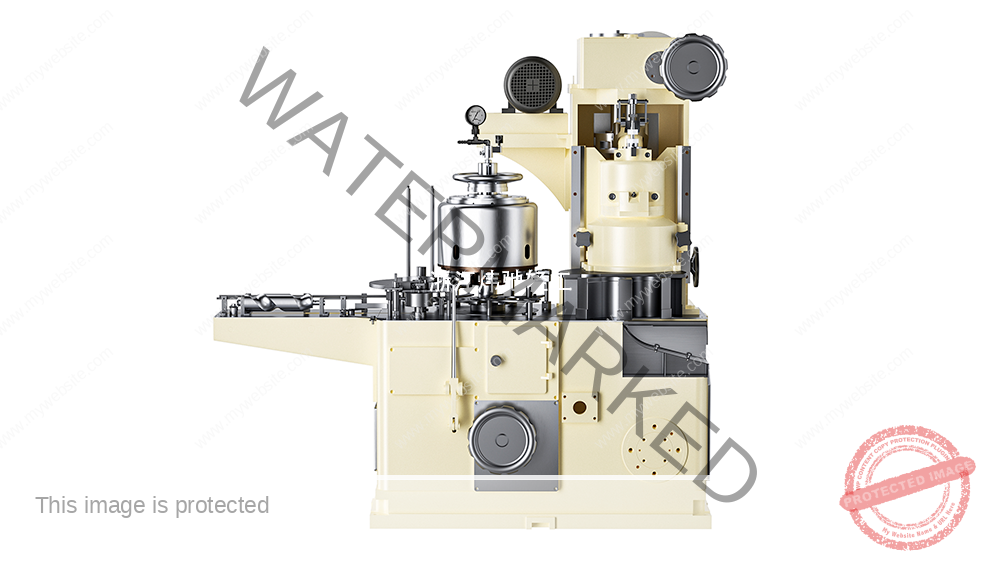
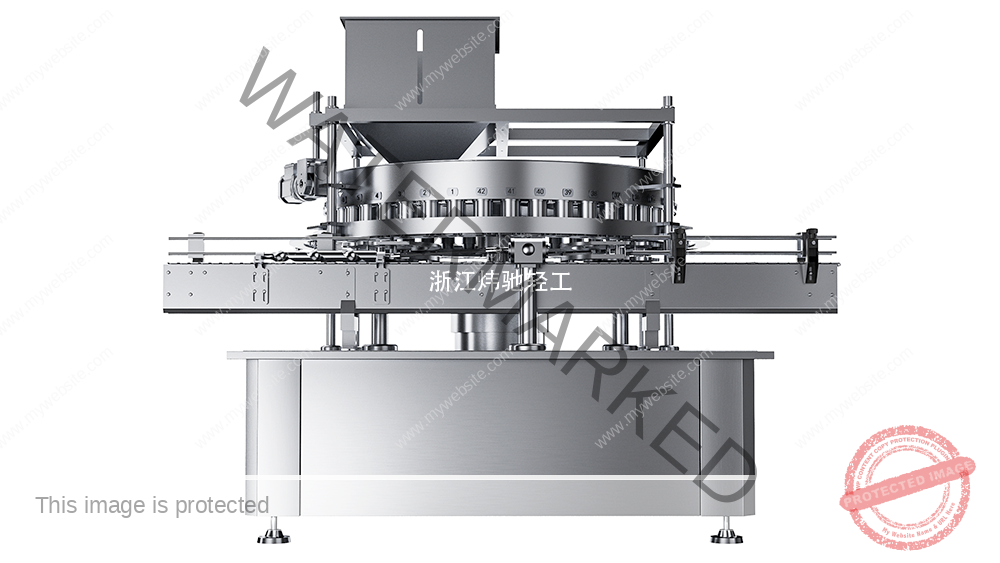
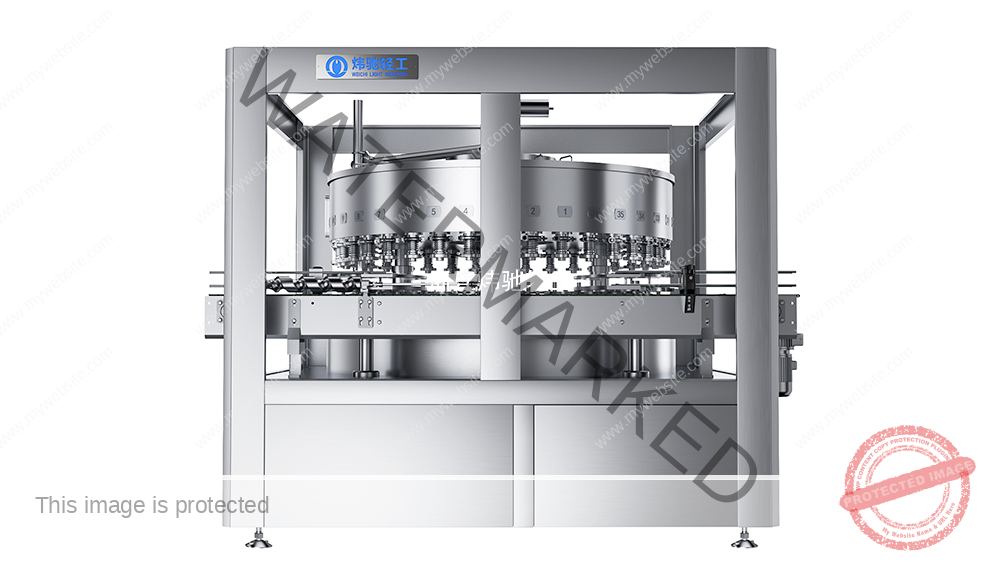
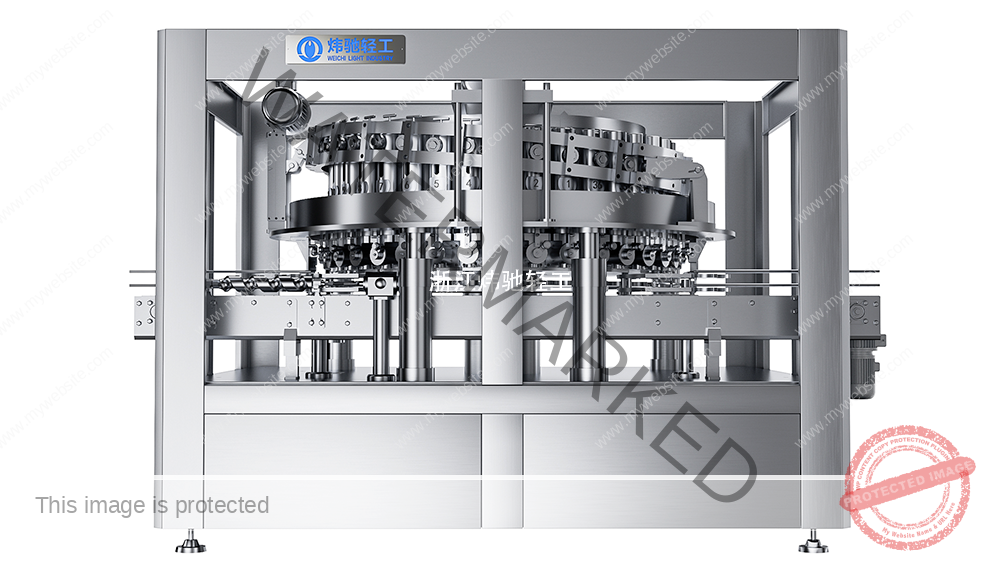
For example, the published Weichi automatic can seaming machine performs can closing; filling equipment is selected separately. Support for that seamer should not be assumed to include an independently supplied filler. Use the equipment interface matrix to define where responsibilities meet.
2. Use a service-scope matrix before comparing offers
For every row, request a written answer, responsible party, inclusion or separate price, and supporting document. A blank row is an open commercial question, not an included service.
| Service item | What to clarify | Evidence to retain |
|---|---|---|
| Warranty | Start event, duration, covered faults, exclusions, claim evidence and remedy process | Agreed warranty clause and equipment schedule |
| Remote support | Contact channel, working hours and time zone, language, initial response target and escalation contact | Support contact sheet and agreed response definition |
| On-site attendance | Dispatch conditions, availability, travel arrangements, access requirements and work scope | Approved visit scope and schedule |
| Installation and commissioning | Supplier supervision versus physical installation, utilities, lifting, trials and customer staffing | Responsibility list and readiness checklist |
| Training | Audience, language, topics, location, duration and additional-session charges | Training scope and attendance/competence records |
| Spare and change parts | Included initial kit, wear parts, identification, compatibility, quotation and lead-time basis | Versioned parts list and quotation |
| Software and documents | Manual language, delivered backups, access rights, restore support and update scope where applicable | Document/version list and agreed access arrangements |
| Costs and closure | Labor, travel, lodging, freight, taxes, additional work approval and completion criteria | Itemized offer, service report and outstanding-action list |
3. Separate warranty duration from coverage and timing
Weichi's current English homepage states a one-year warranty under the agreed contract scope, with technical support and spare-parts service available after warranty. It also states that response and service terms depend on the project agreement and location. Confirm the warranty start event and the precise coverage in your project documents.
Ask how wear parts, consumables, damage assessment and changes to product or can format are handled. Do not assume that every replacement part or visit is free because the machine is within its warranty period. Equally, do not infer that a particular issue is excluded without checking the agreed terms.
Keep four timings separate: acknowledgement of the request, technical assessment, dispatch or parts shipment, and verified restoration. A response target is not automatically an arrival or repair guarantee. Agree what starts each clock and which site information or access conditions are needed.

4. Make on-site work and its costs explicit
Before scheduling attendance, confirm who provides a ready installation area, suitable utilities, approved cans and ends, trial product, operators and safe access. Identify who performs lifting, mechanical connections and electrical work. Service attendance does not by itself expand the equipment supply boundary.
Ask for labor, travel, lodging, local transport, freight and additional visit costs to be itemized where applicable. Specify how extra work is approved before it begins. For initial commissioning, agree separately how the visit relates to FAT and SAT acceptance; an engineer's attendance is not a substitute for recorded acceptance results.
5. Prepare a useful support request
A clear request helps the service team identify the installed configuration and decide the next action. Provide:
- Machine model/serial number, installation site and technical contact.
- Product, can and end specification, current operating condition and recent changes.
- Exact alarm text, time sequence, affected station and photographs or video captured safely.
- Checks already performed by authorized personnel and any parts or settings changed.
- Production impact, affected product status and available site-support window.
Share only the information required for the case. Remote access, if needed, should use an agreed method and authorized personnel. Do not bypass guards or operate unsafe equipment to obtain a video. For symptom-based diagnosis, use the separate downtime troubleshooting guide.
6. Agree how a service case will be closed
Keep a service report recording the symptom, findings, work performed, replaced parts, changed settings and verification results. Name the person responsible for confirming equipment readiness and the person responsible for product release. Record unresolved actions with an owner and target date; “technician attended” or “machine runs again” is not enough to establish that every issue has been resolved.
Where the intervention could affect filling or seaming quality, specify the relevant checks and release criteria using the approved project and packaging specifications. This guide provides no universal test duration or seam limit.
Questions to send before ordering
- Which machine, options and interfaces are covered?
- What starts the warranty, what is included, and how are claims assessed?
- How are response, attendance, shipment and restoration defined?
- Which on-site activities and costs are included or separately quoted?
- Which training, documents, backups and initial parts are supplied?
- What records and verification close a service case?
Common questions
Does a one-year warranty include every site visit?
The duration alone does not establish that. Confirm labor, travel, parts and exclusions in the agreed scope.
Does a support response mean the machine will be restored within that time?
No. Response, diagnosis, attendance and restoration are different milestones and should be defined separately.
Can one service agreement cover a mixed-supplier line?
Only where the agreement explicitly identifies the equipment and responsibilities. Do not infer whole-line coverage from a standalone machine order.
Discuss your equipment and support needs
Start with the standalone can seamer range or the equipment catalogue, then send your application and service requirements, including destination, equipment scope, site staffing, language and requested support. Configuration, service inclusions and costs are confirmed in the project offer.
Technical Basis and Project Evidence
Final equipment selection and acceptance must use the project product, can and end drawings, utility conditions, line interfaces, agreed test duration, and documented FAT/SAT criteria. Can and end supplier specifications remain authoritative for double-seam limits.
- U.S. FDA: Low-Acid Canned Food Manufacturers, Part 3 — Containers and Closures
- SAMR record: GB/T 30639-2014 — Sauce filling and seaming equipment
- SAMR record: GB/T 40360-2021 — Still-beverage can filling and seaming equipment
Review equipment families See project references Submit application data