
Key Takeaways
- Make the situation safe, preserve the alarm and event sequence, identify the affected product, and then route the investigation to the relevant subsystem. Correct a cause supported by eviden…
- This guide is a diagnostic and reporting framework for an unexpected stop. It does not supply machine-specific alarm codes, electrical repair instructions, pressure settings or universal res…
- An alarm tells you what the control system detected. It does not, by itself, establish why the condition occurred. For example, a recorded lack of cans at an infeed may reflect missing upstr…
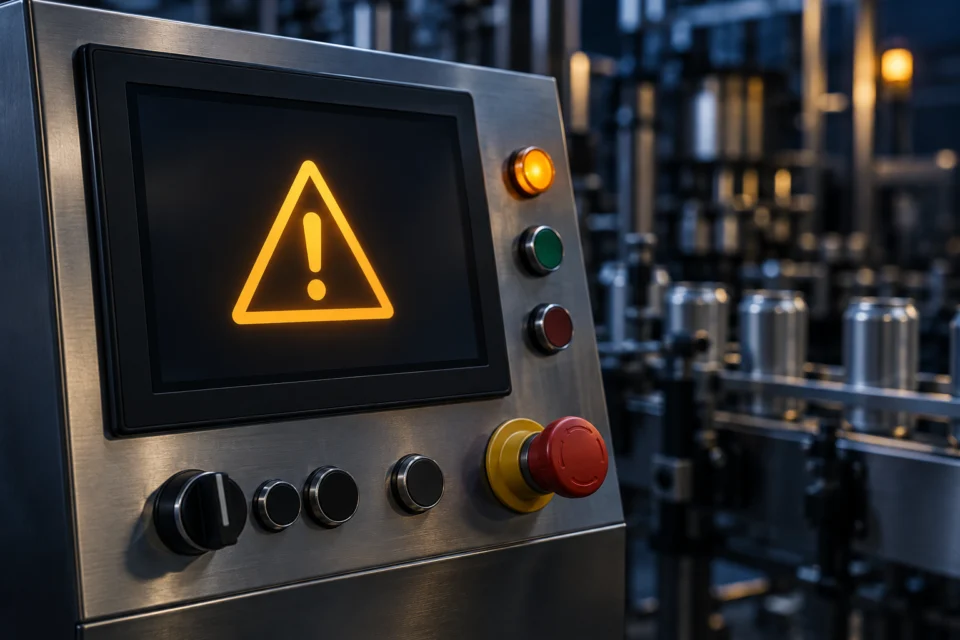
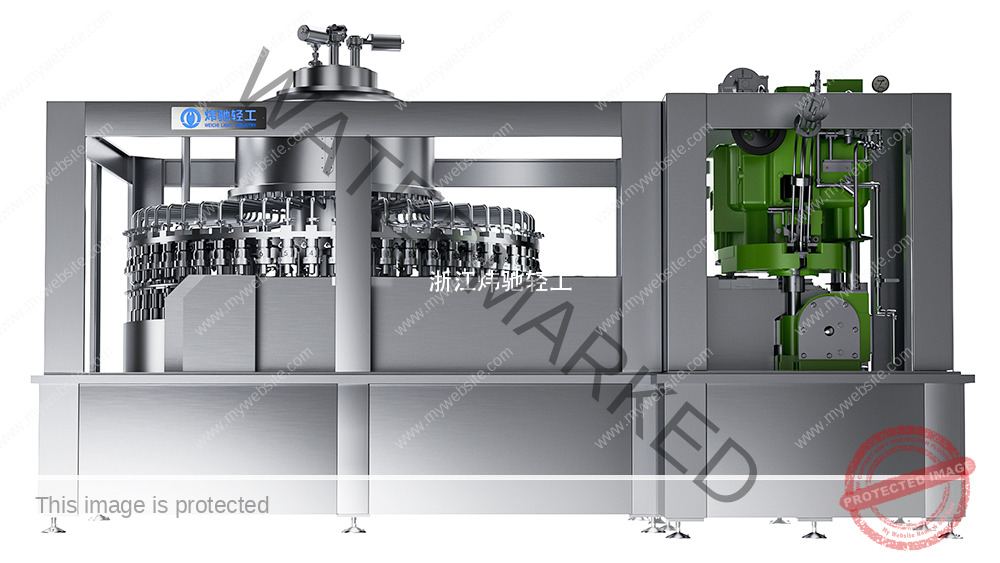
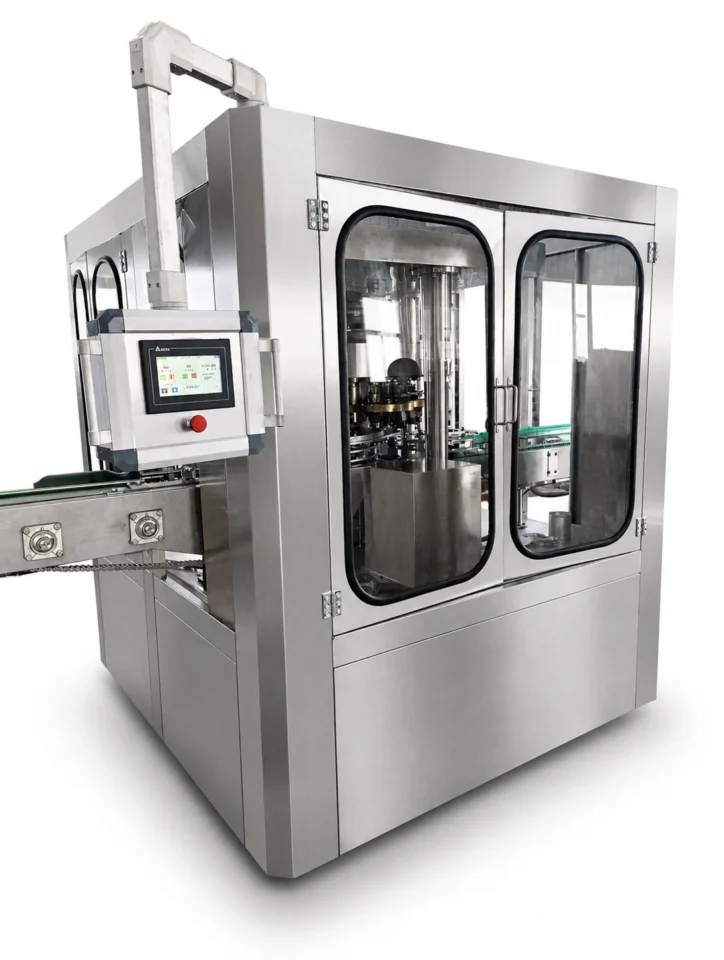
Cover: AI conceptual illustration, not a photograph of a Weichi machine or evidence of a diagnosed fault.
What should happen first when a filler-seamer stops?
Make the situation safe, preserve the alarm and event sequence, identify the affected product, and then route the investigation to the relevant subsystem. Correct a cause supported by evidence under the machine-specific procedure. Restore production only after authorized trial operation, the required product and seam checks, and a recorded release decision.
This guide is a diagnostic and reporting framework for an unexpected stop. It does not supply machine-specific alarm codes, electrical repair instructions, pressure settings or universal restart limits. Use the supplied manual, approved operating procedures and actual machine configuration for those decisions.

1. Separate the stopping signal from the root cause
An alarm tells you what the control system detected. It does not, by itself, establish why the condition occurred. For example, a recorded lack of cans at an infeed may reflect missing upstream supply, unstable transfer or a detection problem. These are investigation branches, not a diagnosis. A machine waiting for an external permissive may be responding correctly.
Before acknowledging an alarm, preserve its exact text or code, time, machine mode, product and package, relevant station, and the sequence of preceding events where available. Do not delay an emergency response to collect records. Note what changed immediately before the stop: package lot, format, recipe, cleaning, utility supply or adjacent equipment state. If the controller has no event history, start a manual log; do not assume every model stores one.
2. Use a symptom-based investigation matrix
The following matrix defines what to document and who should investigate. Observations are made from a safe position or through normal operator displays. Access, clearing jams, adjustment and servicing require the applicable machine-specific safety procedure and authorized personnel.
| Observed condition | Evidence to compare | Investigation and escalation |
|---|---|---|
| Machine will not enter the ready state | Displayed safety, mode and permissive status; first alarm; adjacent-machine state | Compare with the documented ready conditions. Escalate an unresolved safety or control-chain fault; never bypass a guard or force a permissive. |
| No cans, irregular infeed or repeated transfer stops | Upstream availability, stop location, package identity, visible damage and approved format setup | Separate a supply interruption from a local handling problem. Verify the suspected cause before changing guides, sensors or timing. |
| Filling-related stop or abnormal fill result | Exact alarm, product availability and approved operating conditions; affected valves or stations; measured fill results | Route product-supply, process-condition and station-specific evidence separately. Do not compensate for an unresolved problem by changing multiple settings. |
| End-feed or seaming-related stop | End specification and lot, location of the interruption, affected heads and retained defective samples | Check against the approved package and setup documents. Control potentially affected cans and follow the closure inspection plan. |
| Drive trip, abnormal noise or repeated mechanical resistance | Original trip information, location, operating condition and recurrence history | Keep the machine stopped and refer to qualified maintenance. Repeated resetting does not establish that the cause is corrected. |
| Discharge blocked or downstream equipment unavailable | Actual downstream state, accumulation location and documented interface signals | Confirm whether the stop is a correct response to an external constraint. Restore the approved interface conditions before a trial. |
A row may identify several plausible causes. Close the investigation with the observation or test that supports the selected cause, the authorized corrective action and the verification result. When evidence remains inconclusive, report the cause as unresolved and escalate rather than relabelling a successful reset as a repair.
3. Control access and the affected output
Stopping at the HMI or pressing an emergency stop is not a substitute for energy isolation when servicing exposes personnel to hazardous energy. Electrical, pneumatic, mechanical and stored-energy hazards must be addressed by the site's authorized procedure. OSHA's hazardous-energy overview explains the unexpected-startup and stored-energy risk; use the rules applicable to the site and task.
Identify potentially affected product using the last satisfactory check, event time, station or head, and traceability records. The quality team determines the hold boundary and disposition under the approved plan. A cleared alarm cannot release held cans. Product left in the filler or open cans during the stop may also require a process or hygiene assessment; no universal allowable holding time is assumed here.
4. Define restart and quality-release gates separately
- Maintenance completion: document the cause, work performed and verification. Follow the authorized procedure for restoring guards, checking the work area and releasing energy isolation.
- Controlled trial: confirm personnel are clear, approved settings and utilities are restored, and the required safety and interface conditions are satisfied. Run only the trial allowed by the manual and site procedure.
- Product verification: identify trial output and perform the required handling, fill and closure checks, with the necessary head or station coverage.
- Release and observation: record the authorized decision, disposition of held output and the agreed observation conditions. If the symptom returns or a check fails, stop or hold as required and reopen the investigation.
CFIA's metal can defects guidance describes visual, teardown and cross-section assessment and explains why seam dimensions alone are insufficient. Use the exact can/end supplier specification and inspection plan. This article does not replace the machine's approved seam-adjustment procedure.
5. Keep a record that supports diagnosis and follow-up
Record the stop, investigation start, correction completion, trial start, quality release and return to the agreed stable-output condition on a common time basis. Distinguish elapsed downtime from individual task durations: overlapping tasks cannot simply be added together. Do not report a reduction in downtime without comparable records and operating conditions.
Product / can and end / lots / approved format: ___
Stop time / mode / exact alarm / first observed symptom: ___
Events and changes before the stop: ___
Affected station / head / product hold boundary: ___
Suspected cause / evidence confirming or rejecting it: ___
Authorized corrective action / responsible person: ___
Safety restoration and trial authorization: ___
Sample IDs / fill and seam results / retest: ___
Held-product disposition / release decision / time: ___
Observation conditions / recurrence / follow-up owner: ___
What to send when requesting technical support
Send the machine identification, exact alarm, sequence of events, product and package conditions, approved setup revision, retained sample results, and photographs taken from a safe position. State which actions were already performed and their results. This is more useful than a request to “reset the machine,” and helps distinguish the equipment fault from a utility or adjacent-machine constraint.
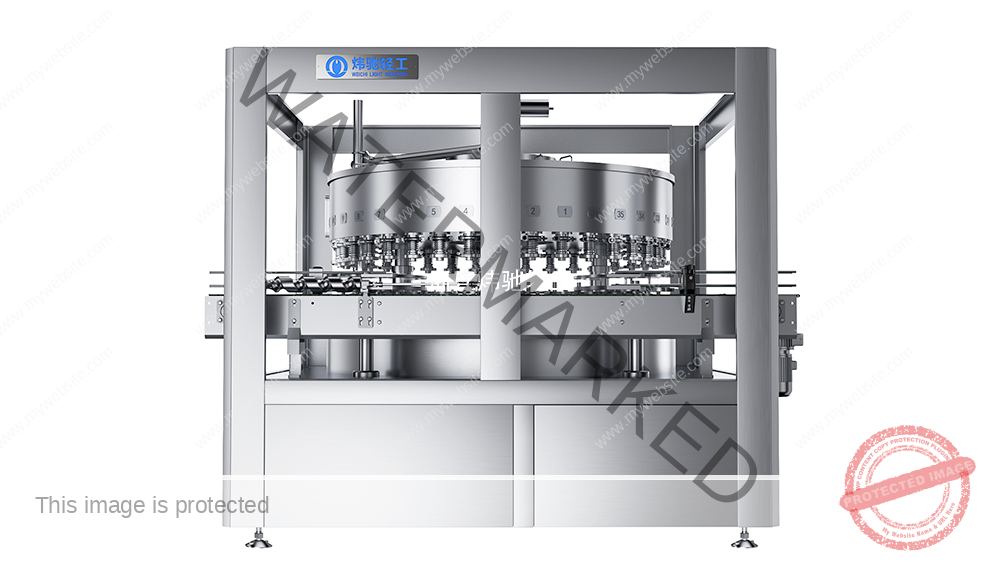
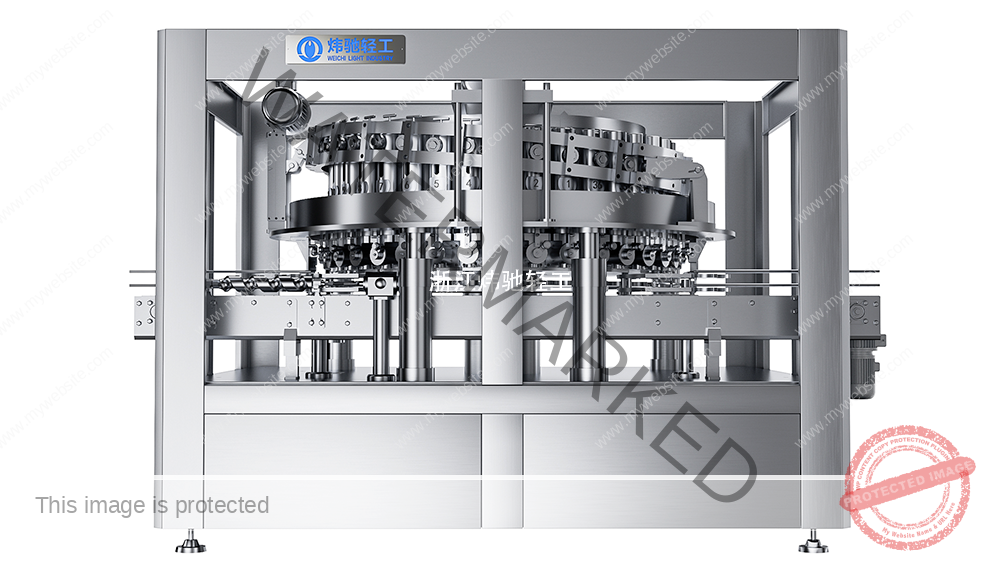
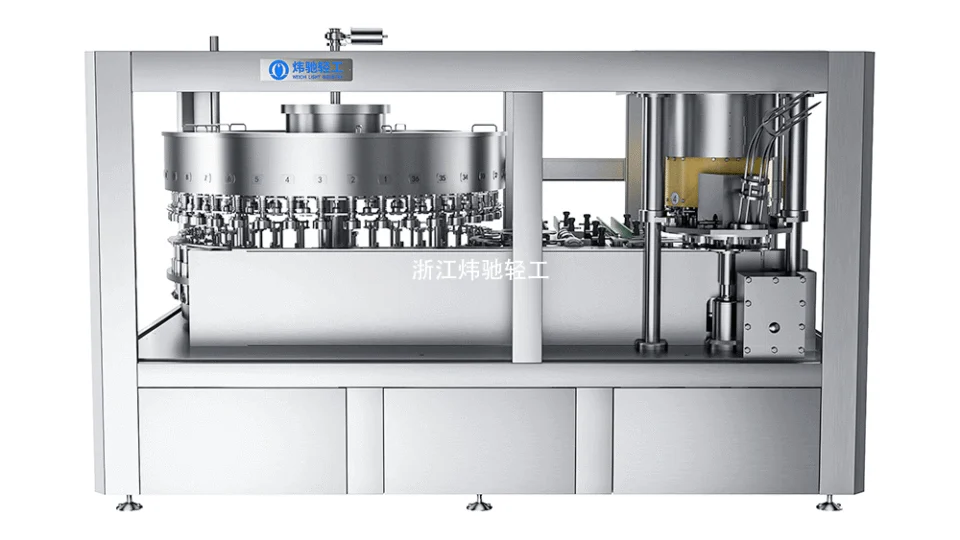
The Weichi still-beverage filler-seamer page describes touchscreen control and PLC fault display. Available diagnostics and service procedures remain configuration-specific. Use the technical enquiry channel to confirm the supplied configuration and relevant documents. For planned format transitions, use the separate changeover planning checklist; for acceptance scope, refer to the FAT/SAT checklist.
Frequently asked questions
Can production restart as soon as the alarm disappears?
Alarm clearance is only one condition. The cause, safety restoration, controlled trial, required product checks and authorized release still need to be addressed.
Should every stop be counted as a machine failure?
No. Record the actual cause category, such as internal equipment, upstream supply, downstream constraint, utilities or an unresolved cause. Keep the original symptom and supporting evidence so the classification can be reviewed.
What if the same fault returns after a reset?
Preserve the new event and compare it with the earlier record. Escalate a recurring or unexplained fault under the site procedure; do not normalize repeated resets as routine production.
Technical Basis and Project Evidence
Final equipment selection and acceptance must use the project product, can and end drawings, utility conditions, line interfaces, agreed test duration, and documented FAT/SAT criteria. Can and end supplier specifications remain authoritative for double-seam limits.
- U.S. FDA: Low-Acid Canned Food Manufacturers, Part 3 — Containers and Closures
- SAMR record: GB/T 30639-2014 — Sauce filling and seaming equipment
- SAMR record: GB/T 40360-2021 — Still-beverage can filling and seaming equipment
Review equipment families See project references Submit application data