
Key Takeaways
- A useful acceptance test connects each purchase requirement to a test condition, a measurement, a result and a person authorized to accept it. For a can filling and seaming machine, the esse…
- Agree these checks before the test. A short video of cans moving through the machine does not establish that every acceptance requirement has been met.
- Factory Acceptance Test (FAT) asks whether the supplied equipment meets the agreed requirements under the documented conditions available at the supplier’s factory. Site Acceptance Test (SAT…
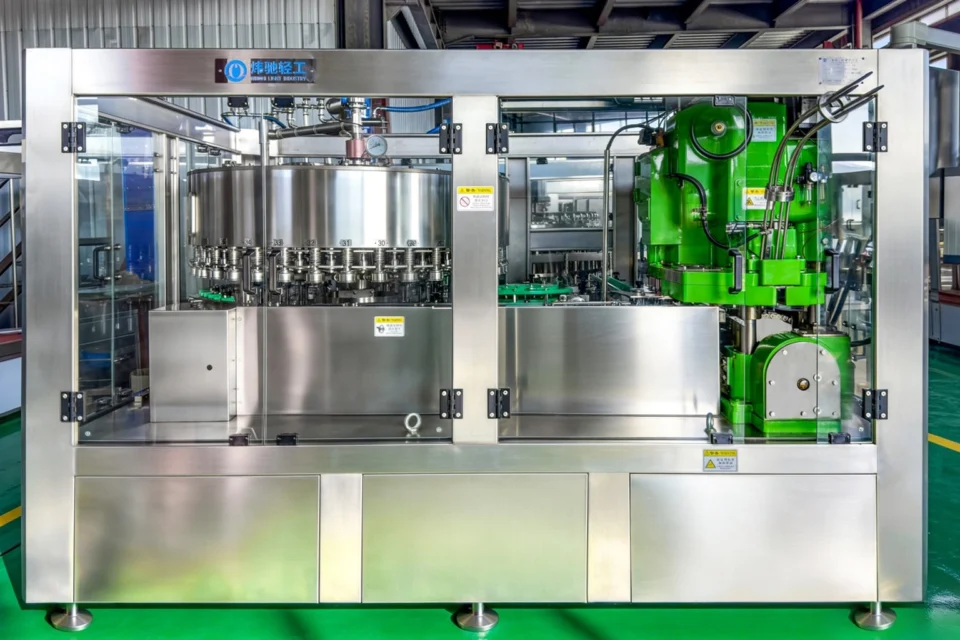
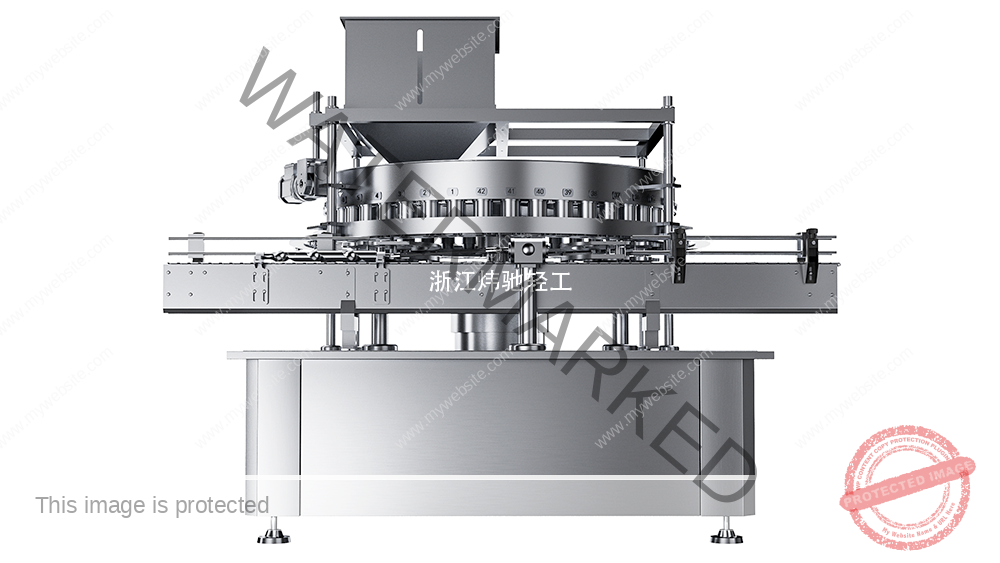
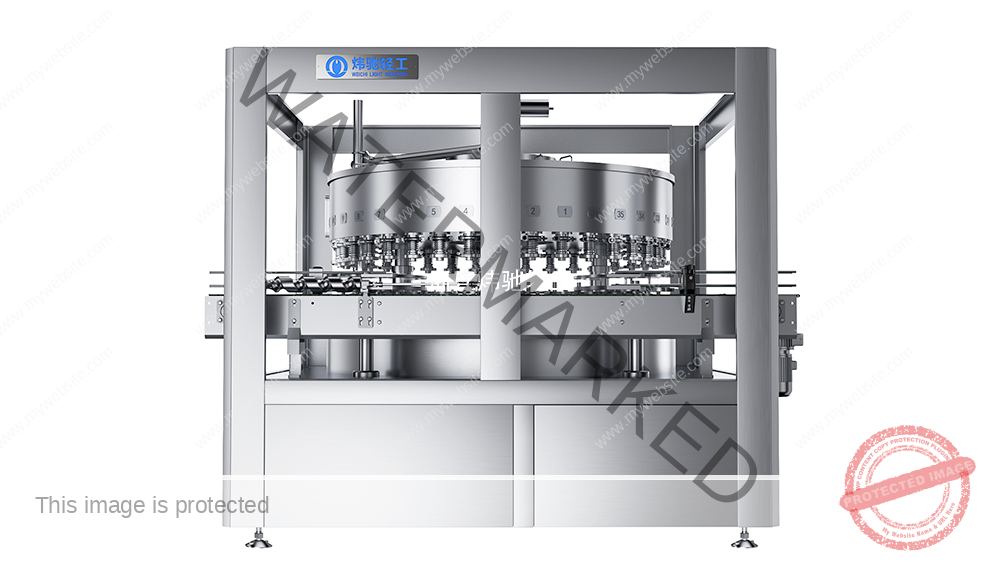
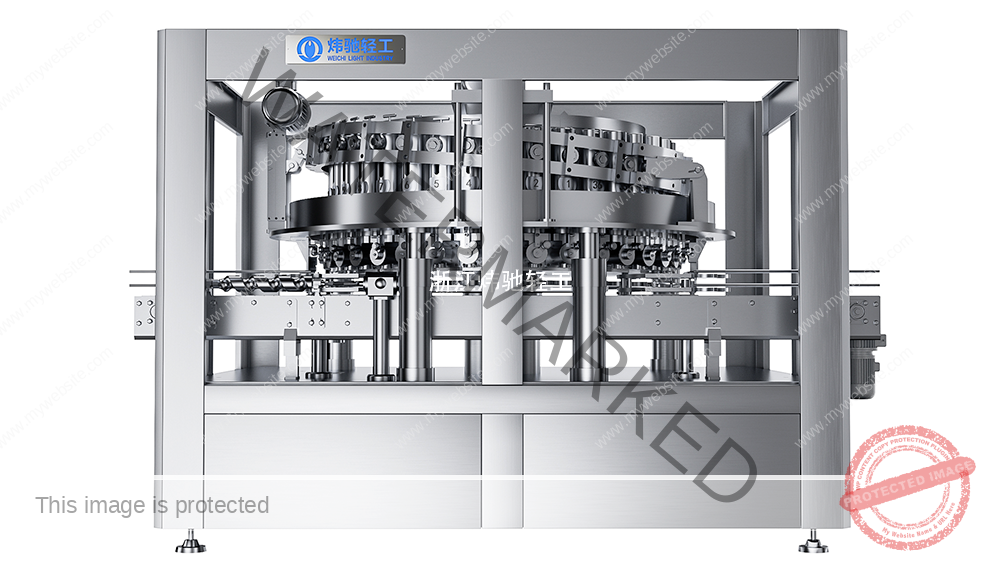
A useful acceptance test connects each purchase requirement to a test condition, a measurement, a result and a person authorized to accept it. For a can filling and seaming machine, the essential checks cover the actual product and package, filling consistency, double-seam quality, sustained output, controls, changeover, cleaning access and the interfaces with the rest of the line.
Agree these checks before the test. A short video of cans moving through the machine does not establish that every acceptance requirement has been met.
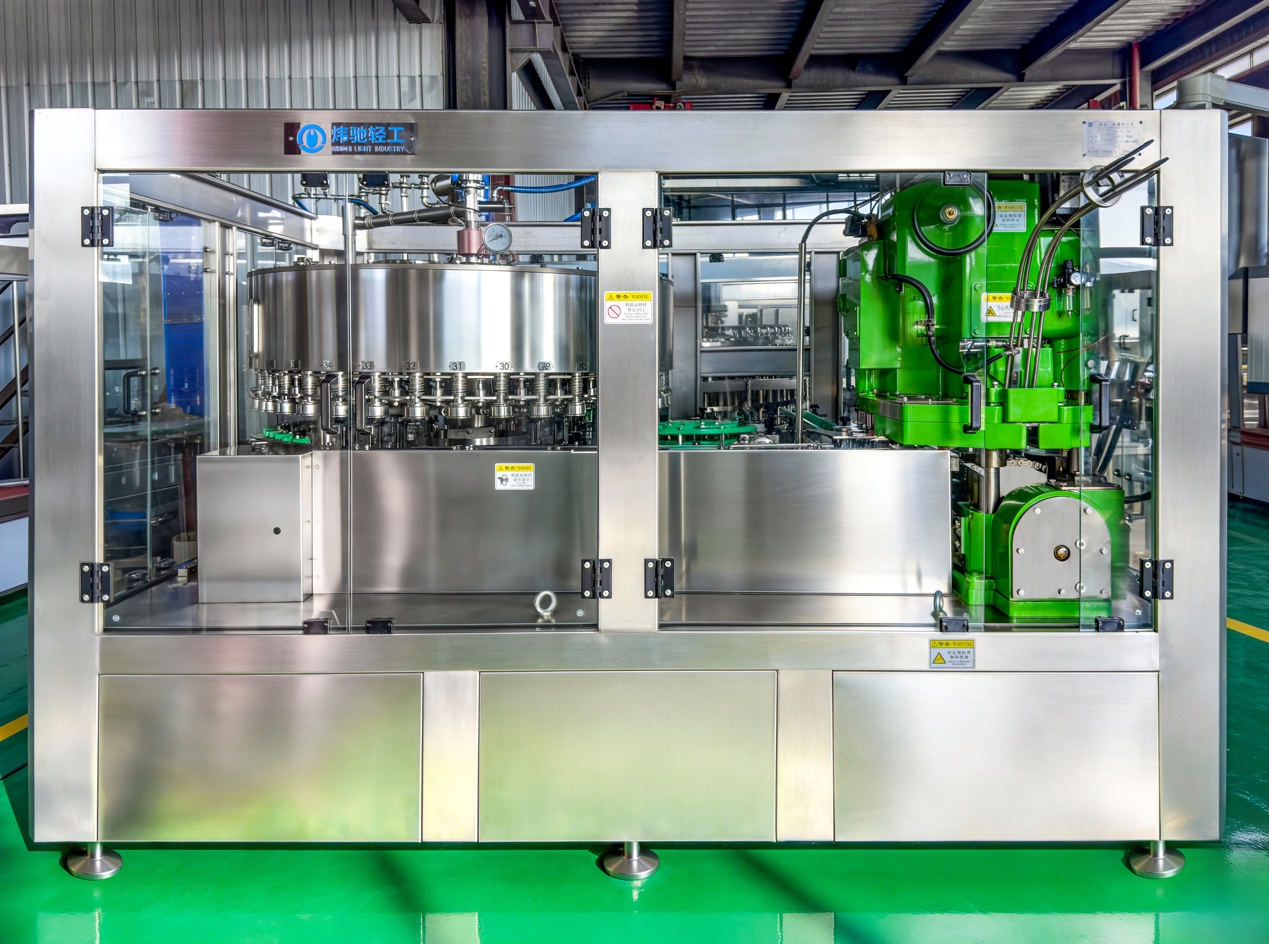
FAT and SAT: two different acceptance questions
Factory Acceptance Test (FAT) asks whether the supplied equipment meets the agreed requirements under the documented conditions available at the supplier’s factory. Site Acceptance Test (SAT) asks whether the delivered and installed equipment performs as agreed with the buyer’s utilities, product supply, operators and connected line.
FAT provides a basis for the shipment decision. SAT checks the installed system and closes the site-dependent requirements. The contract should state exactly what each milestone releases; equipment acceptance, product release and payment approval are separate decisions.
| Stage | Primary checks | Evidence to retain |
|---|---|---|
| Before FAT | Approved scope, actual samples, document revisions, test matrix and acceptance limits. | Signed protocol and an agreed list of unavailable conditions. |
| At FAT | Supplied configuration, required functions and performance achievable at the factory. | Raw measurements, sample traceability, event log and open-item list. |
| Before SAT | Transport condition, reassembly, installation readiness, utilities and line connections. | Installation checks and comparison with the FAT configuration. |
| At SAT | Installed performance and site interfaces, including agreed stop/restart and production conditions. | Site results, corrective-action retests, handover and acceptance decisions. |
IEC 62381:2024 provides a framework for acceptance and integration tests of process-industry automation systems. Its published scope supports agreeing test activities and responsibilities. It does not supply universal fill tolerances, seam dimensions or a complete acceptance specification for every canning machine. See the IEC publication scope.
1. Freeze the test basis before running the machine
- Product: identify the recipe and batch, required temperature range, flow properties, particles and foaming behaviour. Include carbonation or other product-sensitive measurements only where applicable to the ordered system.
- Package: record the can-body and end drawings, revisions and lots, nominal fill, approved closure specification and installed tooling/change parts.
- Operating condition: specify each format and product combination, speed, stabilization criteria, test duration, sampling plan and permitted interventions.
- Utilities and interfaces: agree the supply conditions and measurement points, line boundaries, upstream availability and downstream capacity.
- Measurement and responsibility: identify instruments, calibration status, methods, witnesses and the people who can accept deviations or sign the result.
If factory testing uses water in place of the commercial product, name the functions that the substitute can demonstrate and the claims it cannot establish. Product-dependent filling, foaming, particle handling or cleaning results remain open for representative testing. Do not record an untested requirement as passed.
2. FAT checklist: what to test and what to record
| Check | Test approach | Acceptance evidence |
|---|---|---|
| Scope and construction | Compare the machine, supplied parts and ordered options with the approved specification. | Configuration list, identification and documented discrepancies. |
| Can and end handling | Observe feeding, transfer, end placement and discharge for every agreed format. | Damage, jams and interventions recorded against time and format. |
| Filling | Sample under agreed operating conditions and across required filling stations. | Individual results, station identity, product condition and agreed statistical summary. |
| Seaming | Use the package supplier’s approved inspection plan; preserve head and sample identity. | Visual, dimensional and required teardown/section results with specification references. |
| Sustained output | Count acceptable output at the agreed boundary over the complete agreed interval. | Good count, reject count, elapsed time and stoppage reasons. |
| Controls and protective functions | Qualified personnel follow the approved procedure to check the ordered functions and defined fault responses. | Expected versus observed response, alarm records and restart conditions. |
| Changeover | Run the agreed transition with the specified staff, tools and change parts. | Defined start/end events, elapsed time and the first accepted output in the new format. |
| Cleaning and handover | Check required access, supplied cleaning functions, instructions and training items. | Demonstration records and any separate cleaning-validation work still required. |
3. Evaluate filling results without hiding variation
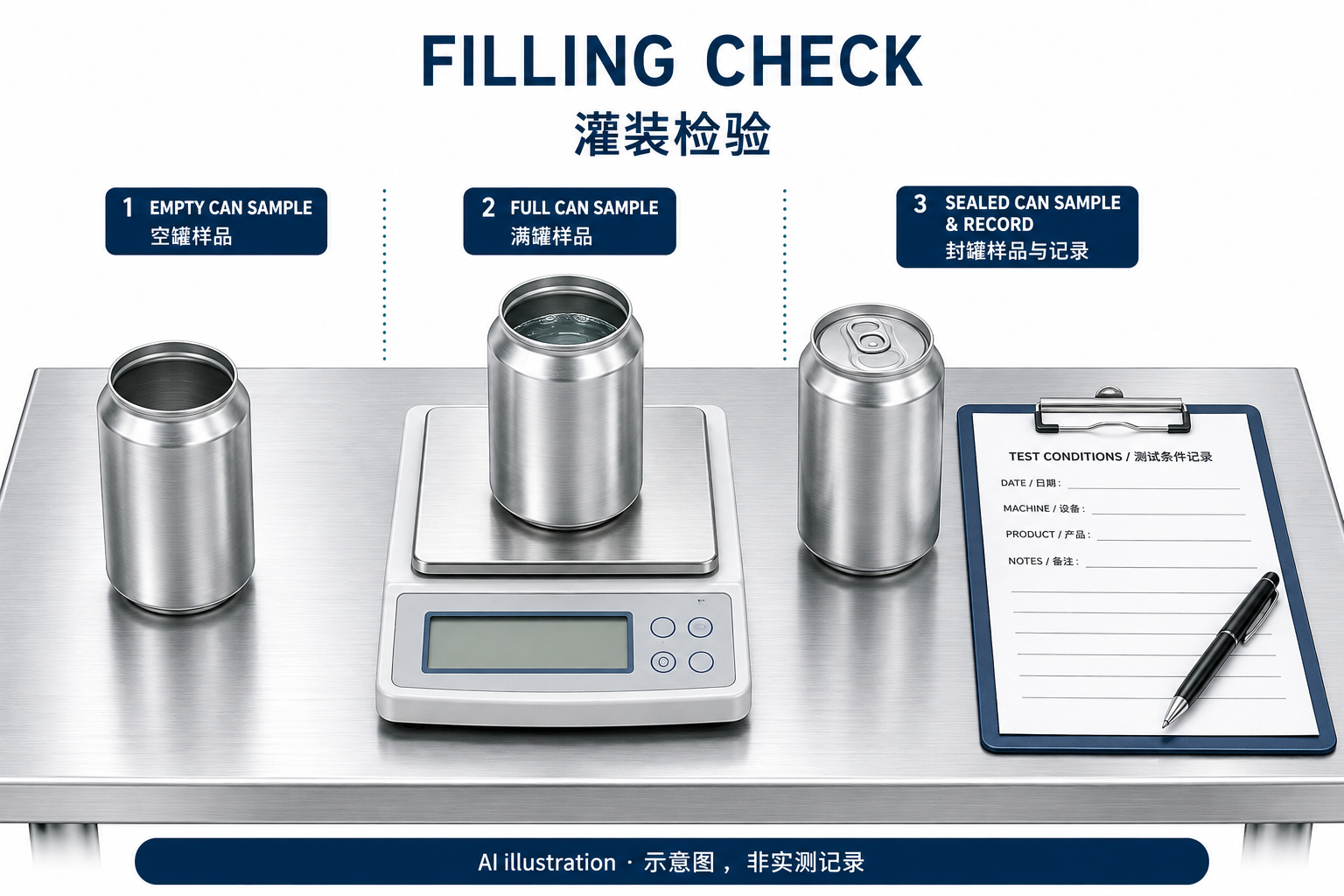
State whether the target is mass, volume or another specified quantity. For a gravimetric check, use a consistent tare method and clearly define whether the sample includes the end. Where mass is converted to volume, record the relevant product density and temperature rather than treating grams and millilitres as interchangeable.
Keep individual measurements as well as the summary. A satisfactory mean can hide a filling station that repeatedly underfills or a large spread between samples. Compare the result with the agreed individual and summary criteria, using a sampling plan suited to the machine and project. Record startup, normal running and restart samples separately where the protocol requires them.
4. Inspect the double seam against the exact package specification
Verify the complete inspection result required for the actual can/end combination. Retain external observations and dimensions, plus the required internal or section findings. A leak check, an attractive seam or one in-range dimension cannot substitute for the complete approved inspection plan. The CFIA guide explains the distinction between external inspection and internal evaluation and identifies package-dependent seam geometry. Read the metal-can defect guide.
Identify which seaming head made each sample and the measurement locations. If a head fails, document the correction and repeat the required checks; do not average its result into those from other heads. First-operation setup checks and adjustments must follow the exact machine procedure. Crown explains why the quality of the first operation governs the second operation. See Crown’s seaming guidance.

For detailed diagnosis after a failed check, use the can seamer adjustment and inspection guide.
5. Define output before quoting a test speed
Net acceptable output (cans/min) = accepted cans counted at the agreed boundary ÷ agreed elapsed minutes.
Keep running speed, net output and reject rate separate. Specify how planned stops, upstream starvation, downstream blockage, sampling and operator intervention are treated. List any excluded time with the agreed reason. Do not quietly remove inconvenient stops or count samples that have not met the defined acceptance condition as good output.
A supplier-factory test with a short discharge conveyor and a site test with a complete packaging line have different boundaries. Record that difference so the two results can be interpreted fairly.
6. SAT checklist: prove the installed condition
- Confirm delivery and reassembly. Inspect transport damage, installed parts, connections and the configuration against the FAT record.
- Measure utilities under operating load. Check the agreed values at the equipment supply points, not only the nominal rating of the factory services.
- Verify line communication. Check the specified ready, run, stop, fault and accumulation behaviour with adjacent equipment under the approved test procedure.
- Run the actual site combinations. Repeat agreed filling, seaming and output tests for the applicable commercial product and package conditions.
- Check site operation and changeover. Include the planned staffing, operator actions, replenishment and new-format verification.
- Close deferred requirements. Complete tests that could not be demonstrated at FAT and investigate differences between factory and site results.
Water circulation or a cleaning-function demonstration is not, by itself, validation of product hygiene, a thermal process or shelf life. Where these are project requirements, define their separate procedures, evidence and approval responsibilities.
7. Turn open items into a controlled closeout list
Give every failed, deferred or incomplete item a unique ID. Record the requirement, observation, evidence reference, consequence, action owner, due date, retest condition and final approval. Distinguish “passed”, “failed”, “not tested” and “not applicable”; explain exclusions.
For conditional acceptance, state the allowed next step and the restrictions explicitly. An unresolved item affecting protective functions, closure quality or another agreed critical requirement must be evaluated by the designated project authorities before the affected activity is released. Shipment permission must not be presented as complete SAT acceptance.
Questions buyers often ask
How long should a FAT or SAT run?
Agree duration from the intended operating duty, product/format matrix and events that must be observed. There is no single duration that proves every machine and application. The protocol should say when the clock starts, what ends the test and how an interruption affects the result.
Can a remote FAT replace every site test?
A witnessed remote FAT can cover agreed factory checks if sample identity, instrument readings and raw records remain verifiable. It cannot demonstrate site utility behaviour or interfaces that are absent from the factory setup.
What should the final acceptance pack contain?
Keep the approved protocol, as-tested configuration, raw data, instrument references, sample and event records, deviations, retest evidence, manuals, agreed spare/change-part lists, training records and signed milestone decisions.
Prepare an acceptance scope for your canning project
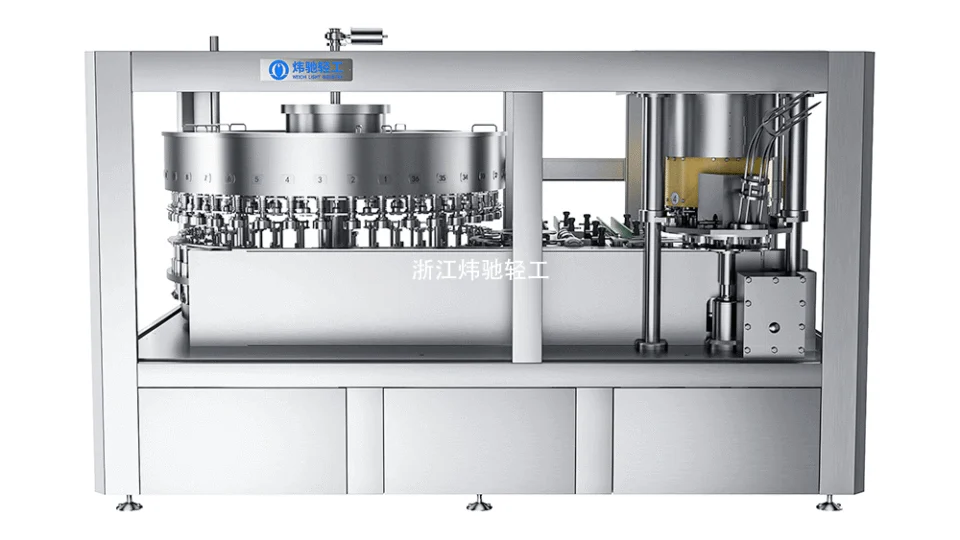
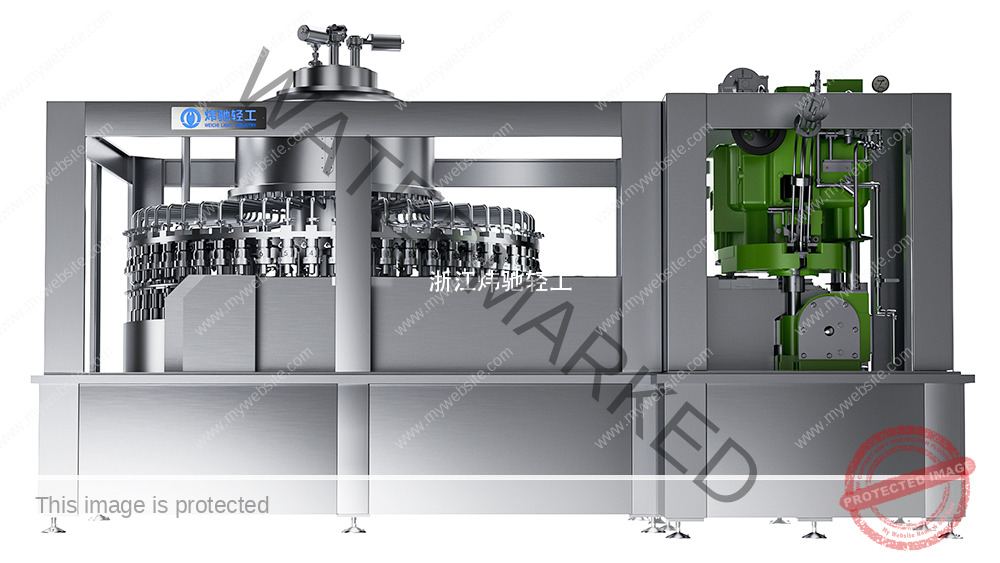
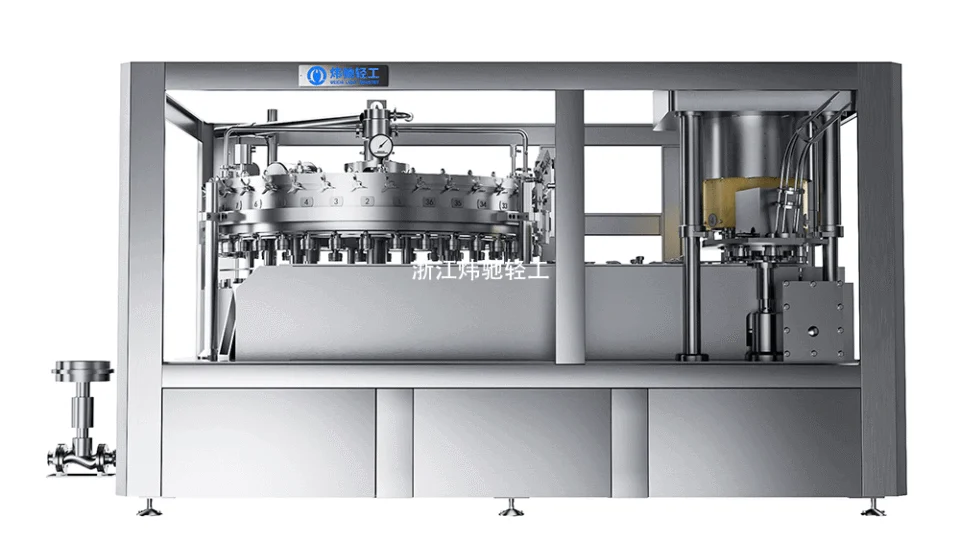
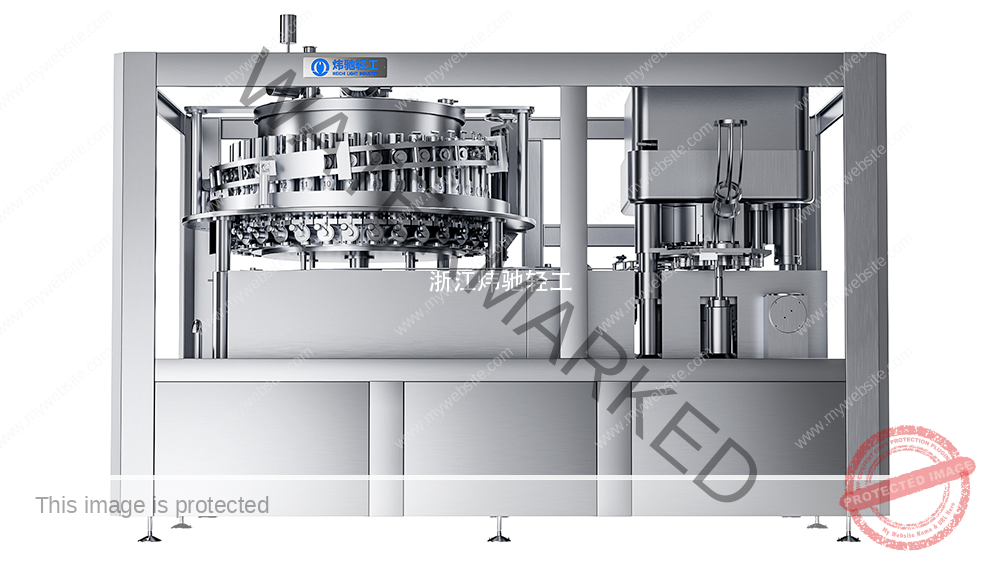
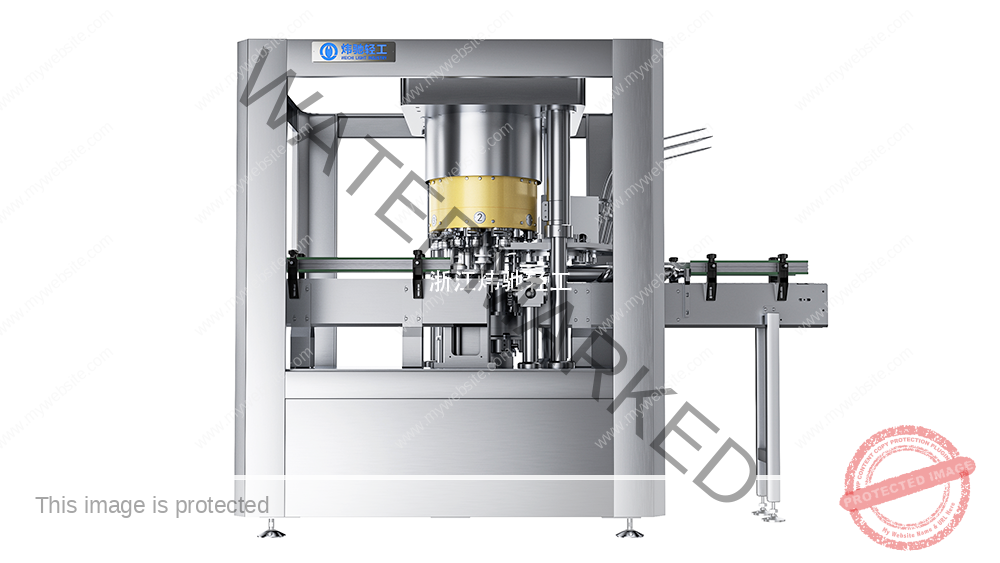
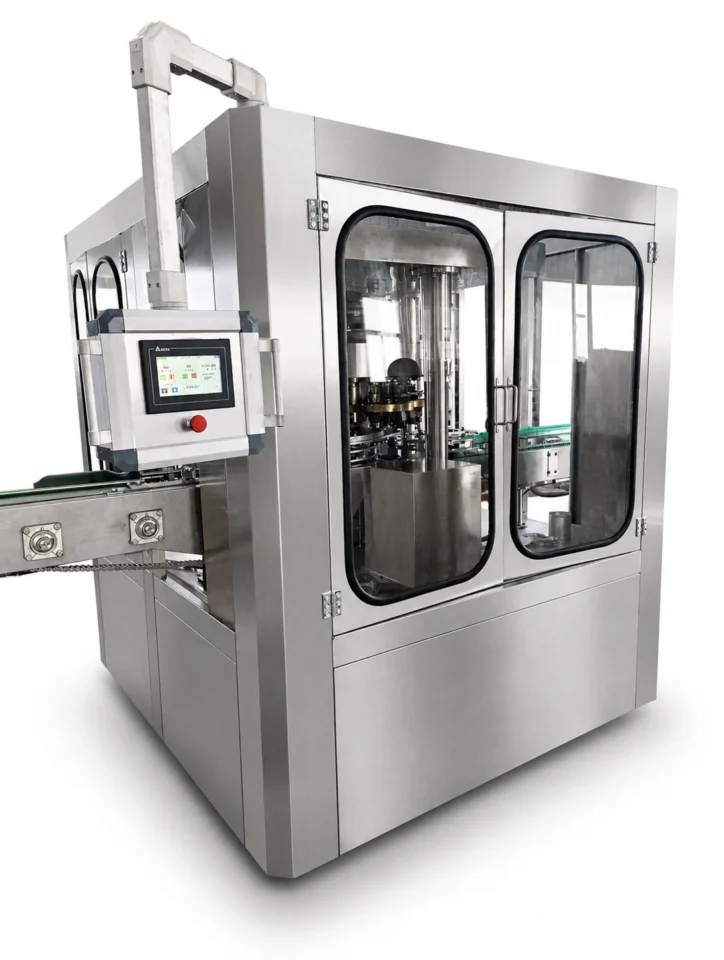
For a non-carbonated beverage project, review the Weichi non-carbonated beverage filler-seamer family. Send the product conditions, can/end drawings, required output, site utilities, line layout and proposed acceptance matrix through the application review contact page. These inputs let the equipment scope and test conditions be reviewed together.
Technical Basis and Project Evidence
Final equipment selection and acceptance must use the project product, can and end drawings, utility conditions, line interfaces, agreed test duration, and documented FAT/SAT criteria. Can and end supplier specifications remain authoritative for double-seam limits.
- U.S. FDA: Low-Acid Canned Food Manufacturers, Part 3 — Containers and Closures
- SAMR record: GB/T 30639-2014 — Sauce filling and seaming equipment
- SAMR record: GB/T 40360-2021 — Still-beverage can filling and seaming equipment
Review equipment families See project references Submit application data