
Key Takeaways
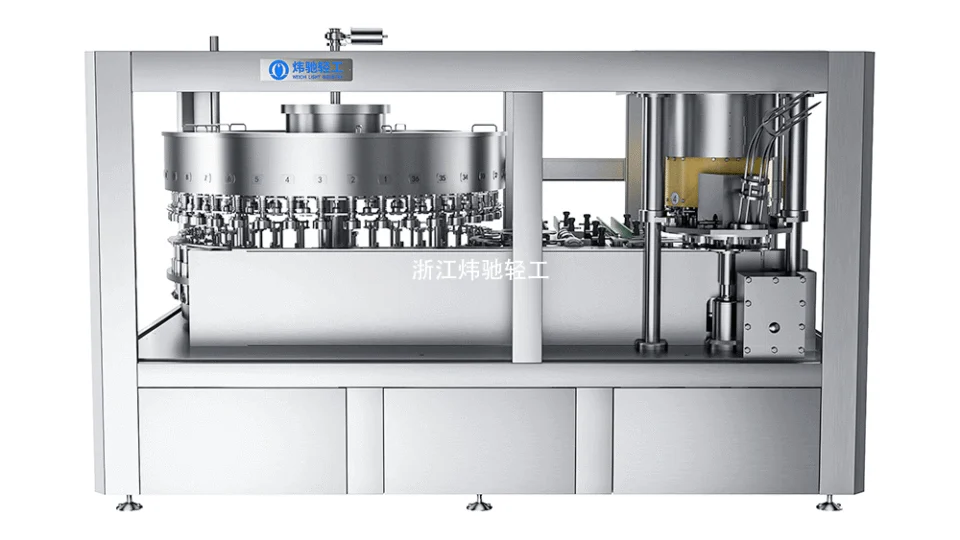
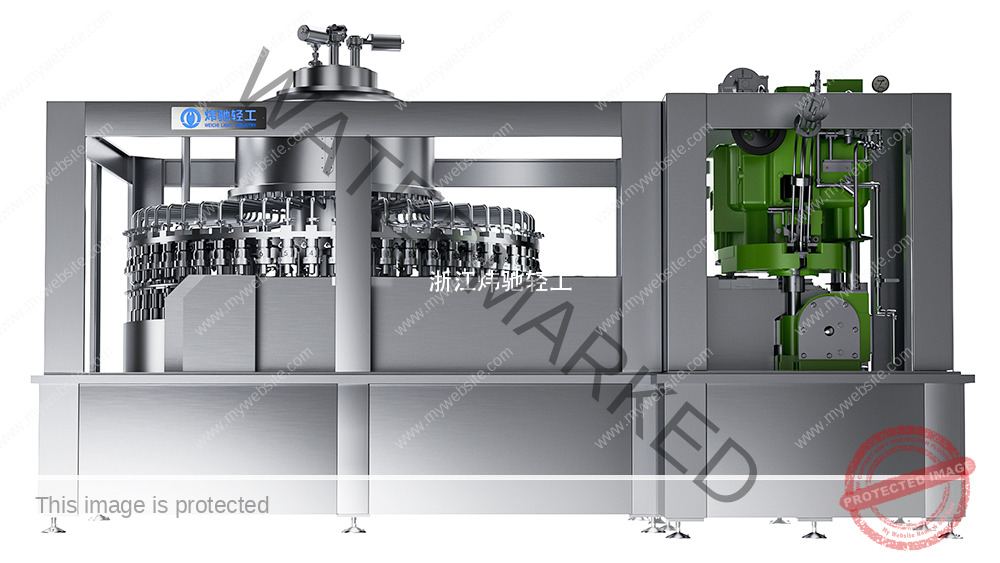
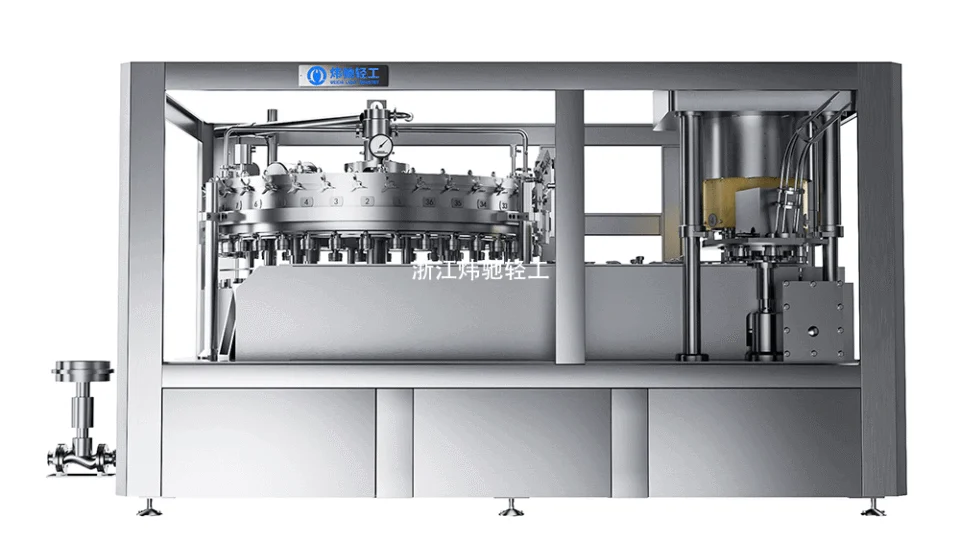
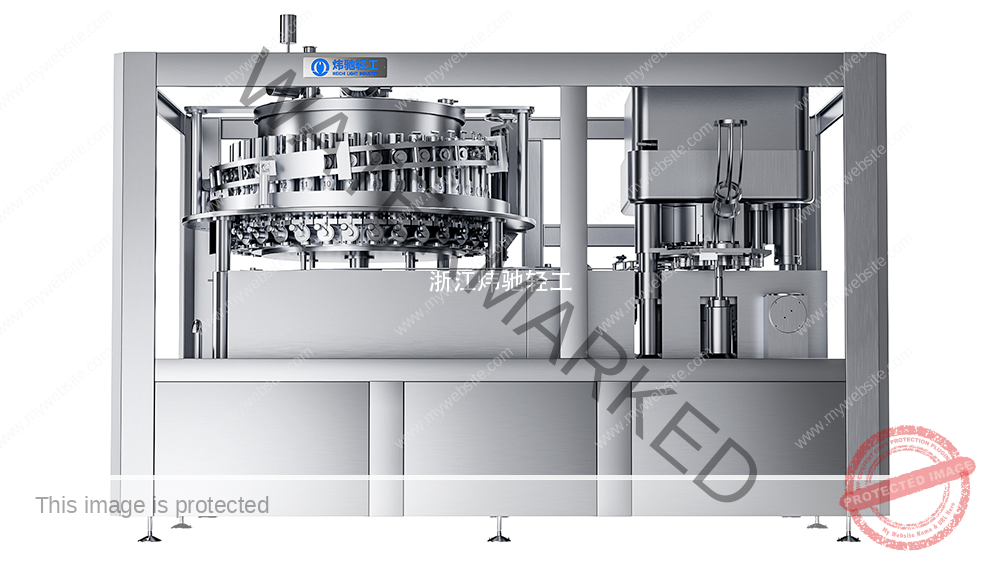
- Cover: AI illustration, not an equipment photograph or a verified tooling configuration.
- Plan a can changeover as a controlled transition between two approved packaging formats. Identify the exact can and end combination, prepare the correct change parts and documents, complete…
- A useful changeover record separates mechanical work from cleaning, trial production, inspection and the return to stable accepted output. This guide provides a planning template; it does no…
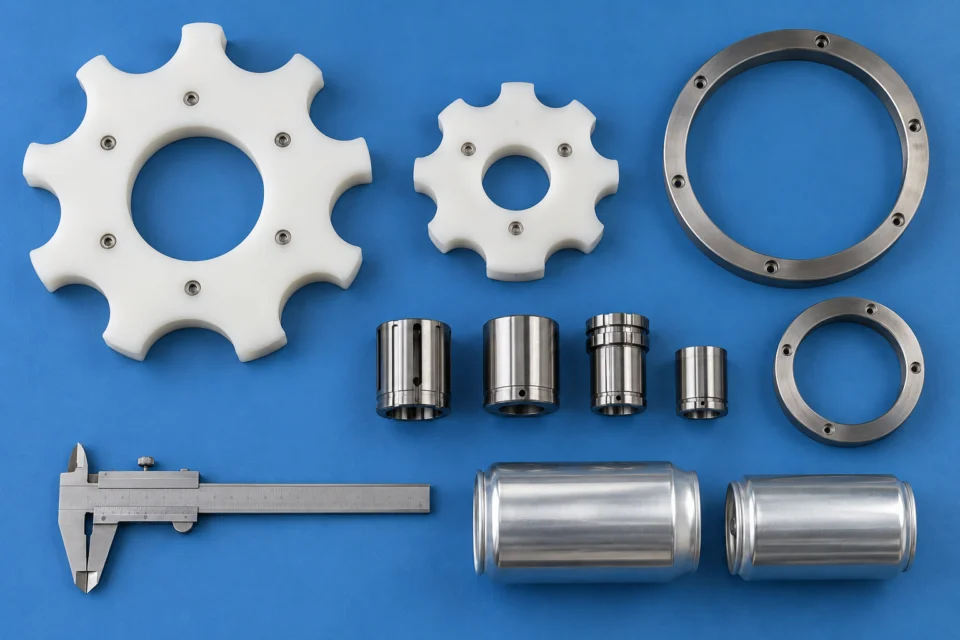
Cover: AI illustration, not an equipment photograph or a verified tooling configuration.
Quick answer
Plan a can changeover as a controlled transition between two approved packaging formats. Identify the exact can and end combination, prepare the correct change parts and documents, complete the machine-specific setup, and hold trial output until the required first-article checks and release decision are recorded.
A useful changeover record separates mechanical work from cleaning, trial production, inspection and the return to stable accepted output. This guide provides a planning template; it does not establish a universal changeover time, tooling list or seam limit.

1. Define exactly what is changing
Start with the current and next format, including can-body and end drawing revisions, product, fill target, machine identification and approved setup document. A shared nominal diameter does not establish that two packages use the same tooling. If the next package has not been approved, resolve compatibility through the can and lid sample review before treating the work as a routine changeover.
| Change | Items to review against the machine documents | Evidence before release |
|---|---|---|
| Can height | Height settings, supports, guides and filling position where applicable | Approved setup, stable transfer and required fill and closure checks |
| Can diameter or body geometry | Format-dependent guides, transfer components and support arrangements | Correct part identification and damage-free handling under agreed trial conditions |
| End specification | End feed and the approved chuck and roll combination | Correct end supply and closure inspection against the exact package specification |
| Product or fill target | Applicable filling settings, cleaning requirements and approved process conditions | Fill checks and any required cleaning or product-change release |
This is a review matrix, not an instruction to replace every listed component. The actual machine manual and approved format list determine which items are adjusted, changed or retained.
2. Build a format-specific change-parts checklist
Prepare one checklist for each approved transition. Record the removed part and installed part by identification and revision, installation position, condition, required setting reference, operator and verification result. Identify reusable parts explicitly so that a missing replacement is not confused with an intentional carry-over.
- Prepare the correct parts, approved documents and inspection equipment before stopping production.
- Keep the outgoing and incoming sets physically distinguishable; check identification rather than relying only on appearance.
- Record worn or damaged parts for disposition instead of returning them silently to the ready-to-use set.
- Follow the machine-specific procedure for safe access, energy isolation, installation and restoration of guards. This planning checklist does not authorize work inside a moving machine.
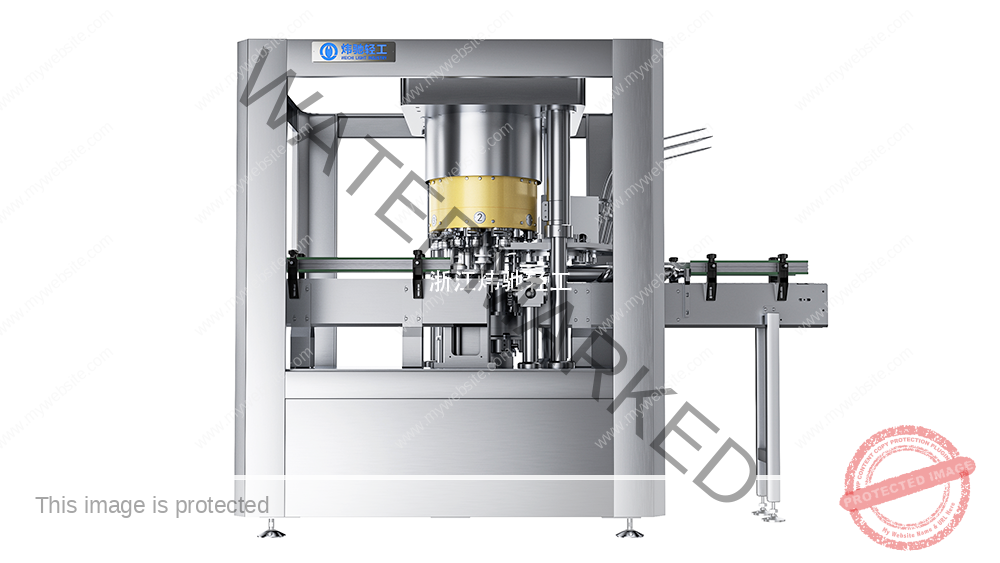
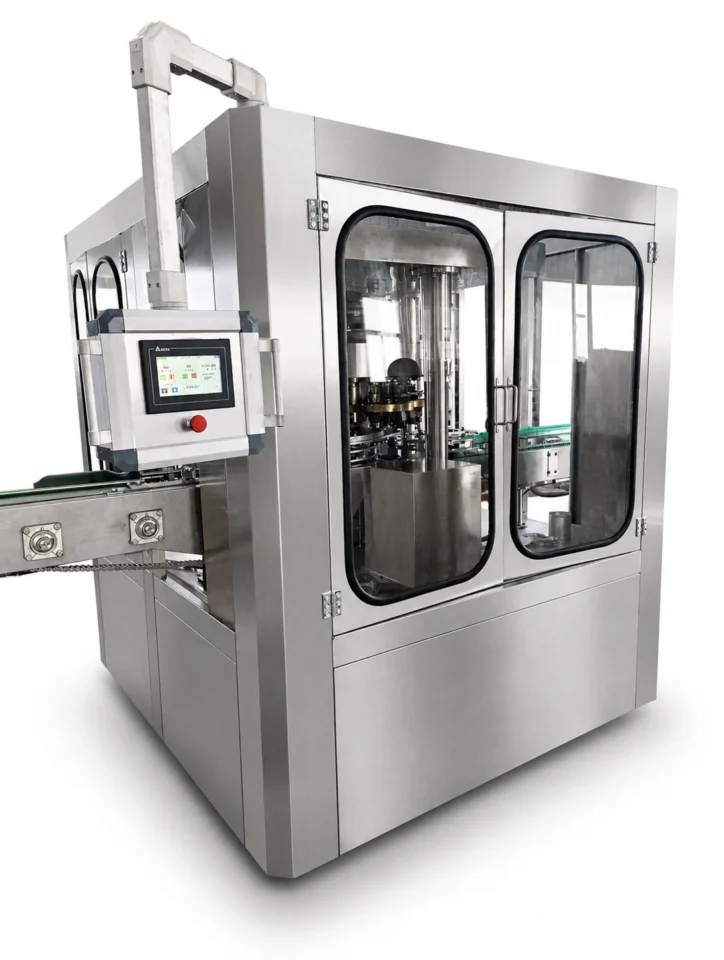
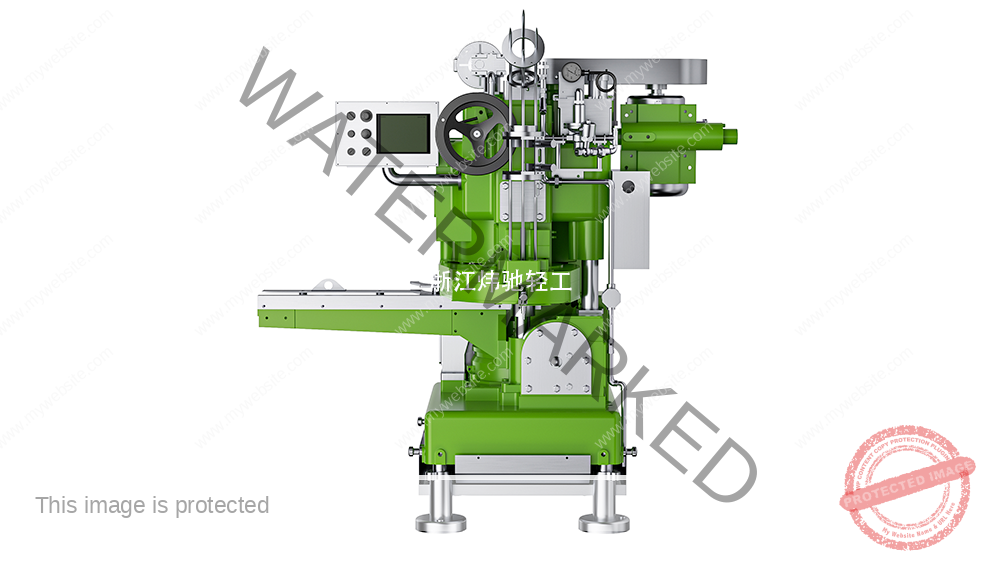
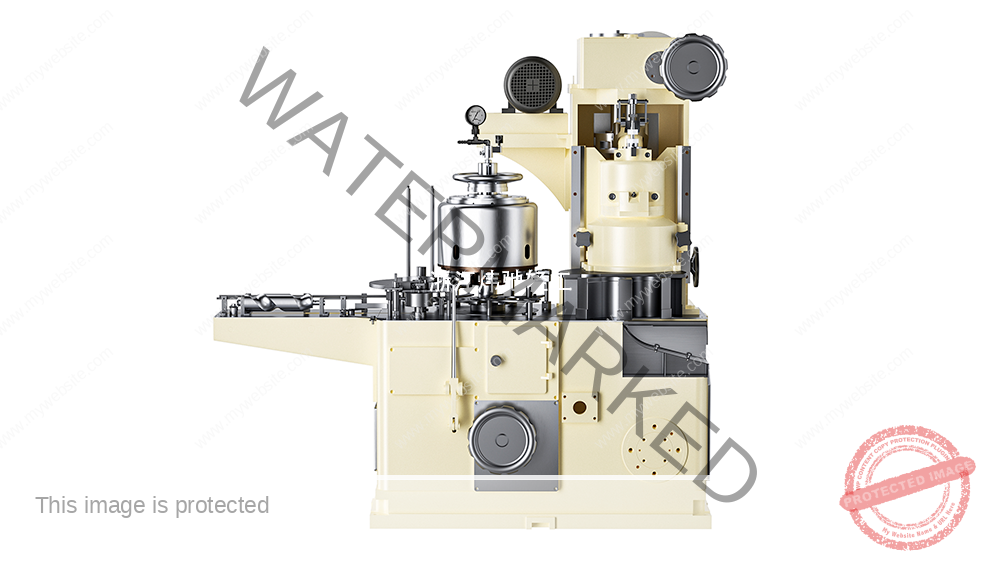
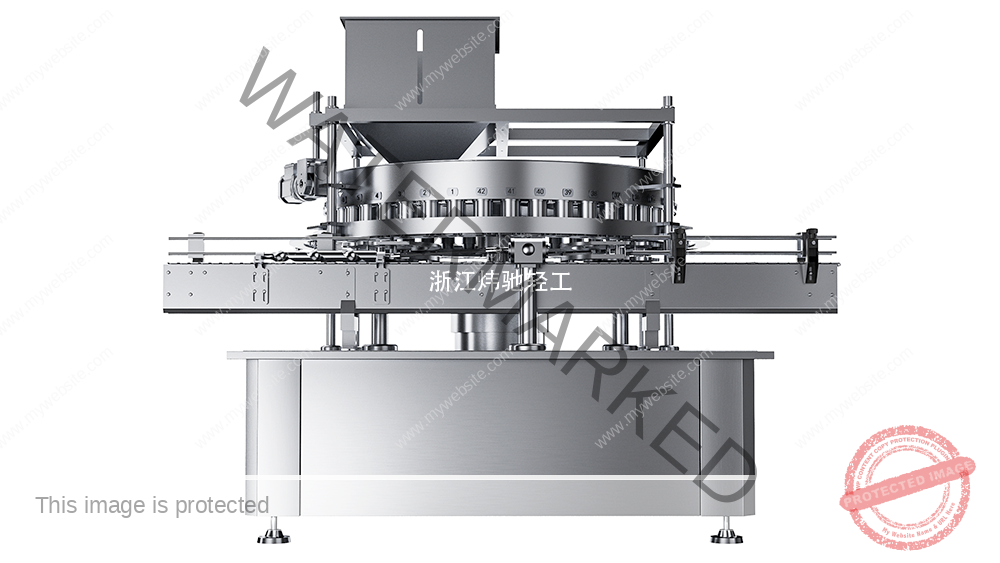
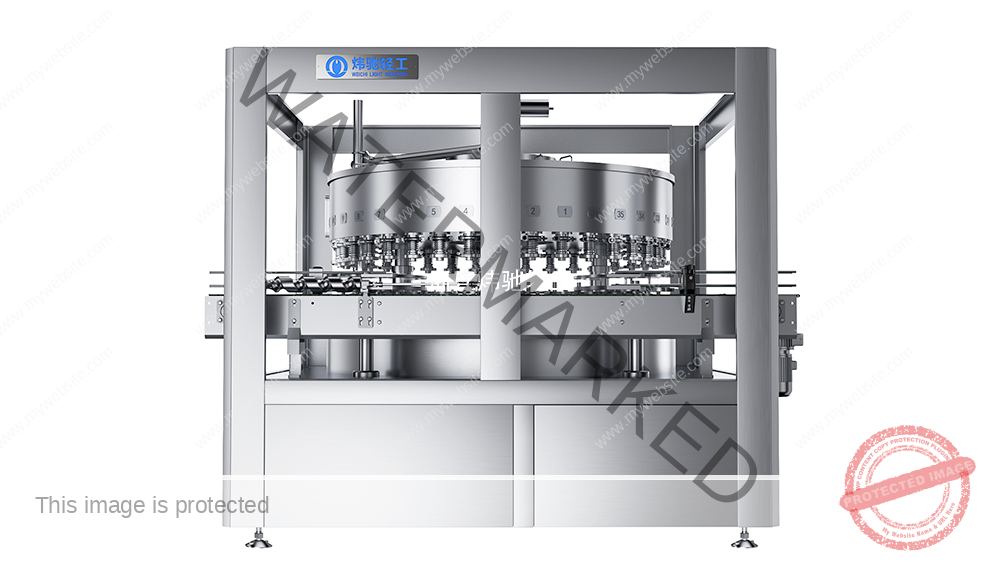
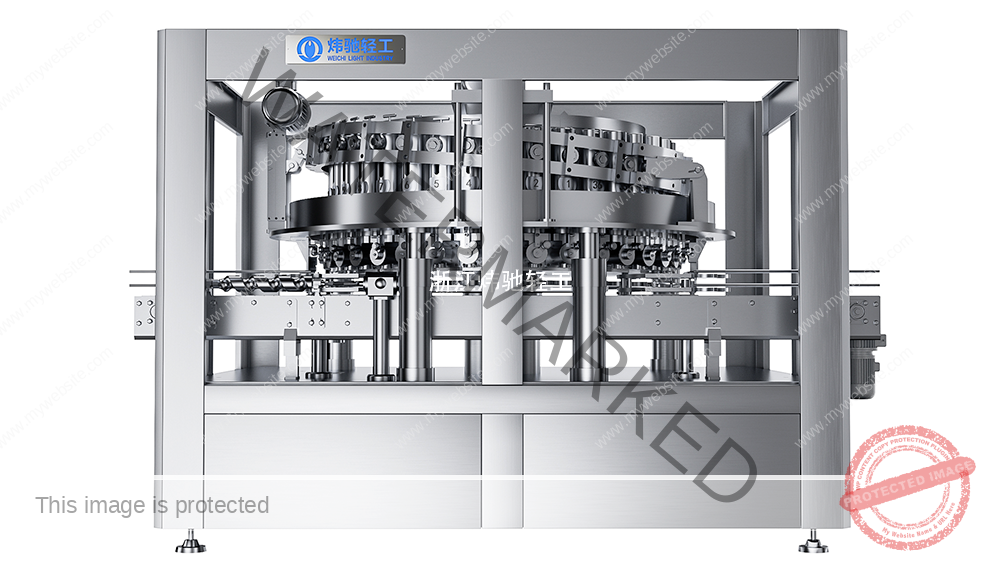
The Weichi automatic can seamer product page identifies tooling, guide and height-setting review as possible consequences of a package change. The exact parts, procedure and elapsed time remain project-specific. For a filler-seamer, define the filling-side and seaming-side work separately.

3. Agree the timing boundary before comparing changeovers
Record these event times on the same clock: the last accepted output of the outgoing format, setup completion, production of the first trial samples, first-article approval and the start of the agreed stable accepted-output window. Confirm the last milestone only after the specified observation window has passed.
| Reported interval | Start and finish | What to record separately |
|---|---|---|
| Mechanical setup | Documented start of setup work to completed setup | Parts replacement, settings, safety restoration and checks |
| Quality release | First trial sample to recorded release decision | Sampling, inspection, waiting, corrections and repeat tests |
| Production transition | Last accepted old-format output to the agreed stable new-format output milestone | Cleaning, setup, trials, waiting, rejects and stabilization |
These proposed reporting boundaries must be agreed for the project. Activities can overlap; do not add overlapping task durations and call the result elapsed downtime. A quoted mechanical change time is not automatically the total production transition time. Compare only runs with the same formats, crew, preparation, cleaning scope and acceptance conditions.
4. Make first-article checks traceable
Identify trial cans by format, packaging lot, time and seaming head or station as required by the inspection plan. Keep trial output identifiable and controlled until disposition is decided. The plan should define sample coverage, inspection methods, limits, responsibility and the response to a failed result before the trial starts.
- Package and setup: verify the intended body, end, drawing revision, installed parts and approved settings.
- Handling: check feeding, transfer, end presentation and discharge for damage or instability under the agreed trial conditions.
- Filling, when included: verify the specified fill result and relevant product conditions using the approved method.
- Closure: perform the visual, measurement, teardown or cross-section checks required by the package specification and inspection plan; retain head or station identity.
- Disposition: document results, deviations, corrective action, retest and the person authorized to release production.
CFIA's metal can defects guidance explains why seam dimensions alone cannot determine seam quality: visual abnormalities and tightness also matter. Use package-specific requirements rather than copying generic dimensions into this checklist. For adjustment decisions, follow the double seam adjustment guide and the exact machine and tooling instructions.
5. Define what happens when a check fails
A failed first-article check leaves the transition unreleased. Identify and control the affected trial output, record the defect and its station where applicable, correct the verified cause under the approved procedure, and repeat the required checks. Do not erase the failed trial from the changeover record or restart the clock to hide rework.
After release, continue the agreed monitoring during stabilization. Record the first accepted result separately from demonstrated stable output. Neither proves performance for an untested format or product.
Copyable changeover record
Machine and document revision: ___
Outgoing format / incoming format: ___
Can body and end drawing revisions / lots: ___
Product and fill conditions: ___
Removed and installed part IDs / positions: ___
Setup references and verification: ___
Cleaning scope and result, if applicable: ___
Event times and timing definition: ___
Sample IDs / heads or stations / inspection results: ___
Trial quantities, rejects and disposition: ___
Deviation / correction / retest: ___
Release decision, responsible person and time: ___
Stable-output observation conditions and result: ___
What to confirm before ordering
Ask for an approved format matrix, the change-parts scope, setup documentation, training responsibilities and a witnessed changeover test with a defined timing boundary. Include the actual transition in the FAT/SAT acceptance plan. Submit the current and proposed packaging drawings, product, machine model and required operating conditions through the Weichi application review form.
Frequently asked questions
Does a height-only change always avoid change parts?
No. Confirm the actual package, support and transfer arrangements in the machine's approved format documentation.
Can we release production because the first can looks good?
Release requires completion of the agreed inspection plan and an authorized decision. A single external observation cannot stand in for the required sampling and closure checks.
Can a recipe selection prove the mechanical setup is correct?
No. Verify the installed parts and physical settings independently. Recipe functions depend on the supplied configuration; do not assume automatic verification is available.
Technical Basis and Project Evidence
Final equipment selection and acceptance must use the project product, can and end drawings, utility conditions, line interfaces, agreed test duration, and documented FAT/SAT criteria. Can and end supplier specifications remain authoritative for double-seam limits.
- U.S. FDA: Low-Acid Canned Food Manufacturers, Part 3 — Containers and Closures
- SAMR record: GB/T 30639-2014 — Sauce filling and seaming equipment
- SAMR record: GB/T 40360-2021 — Still-beverage can filling and seaming equipment
Review equipment families See project references Submit application data