
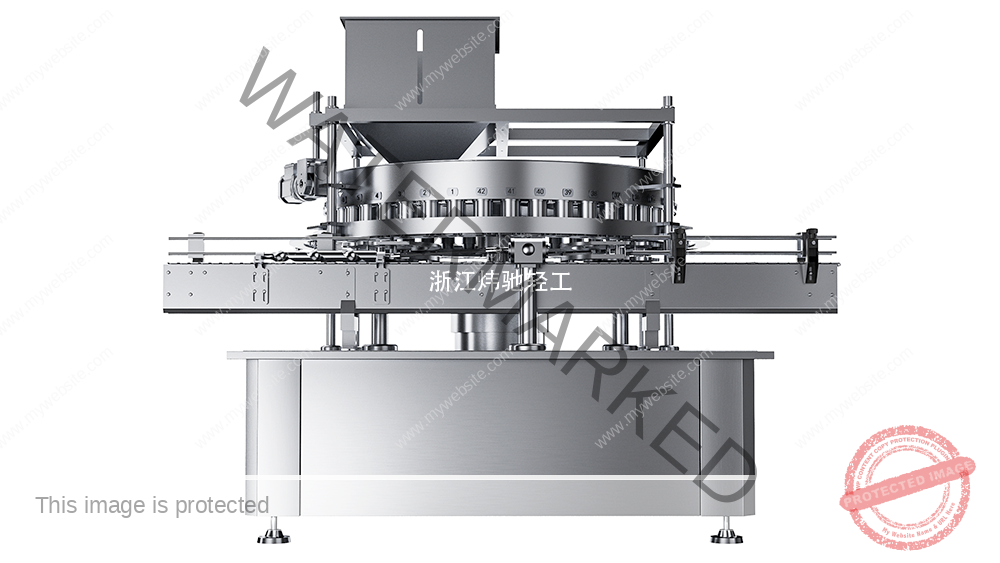
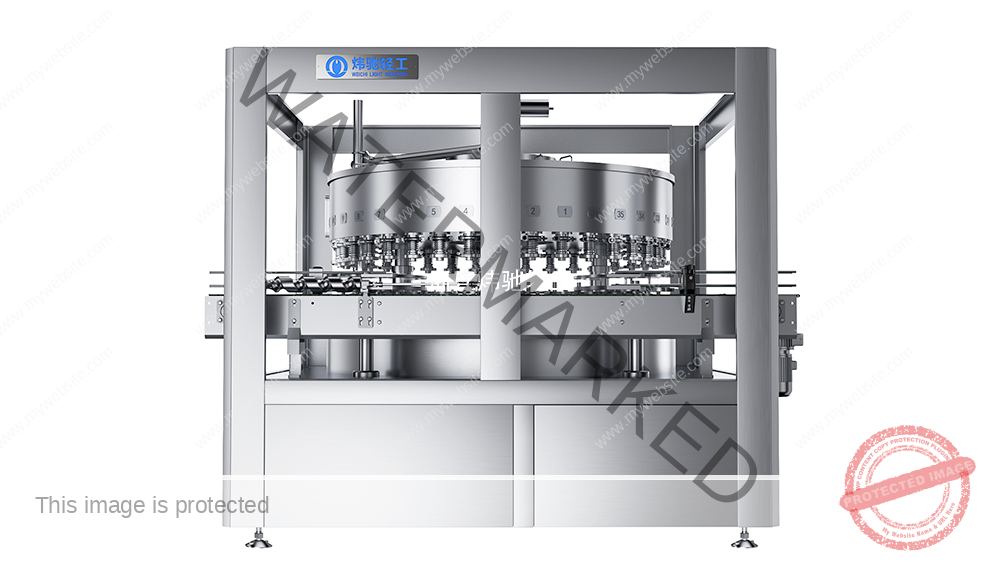
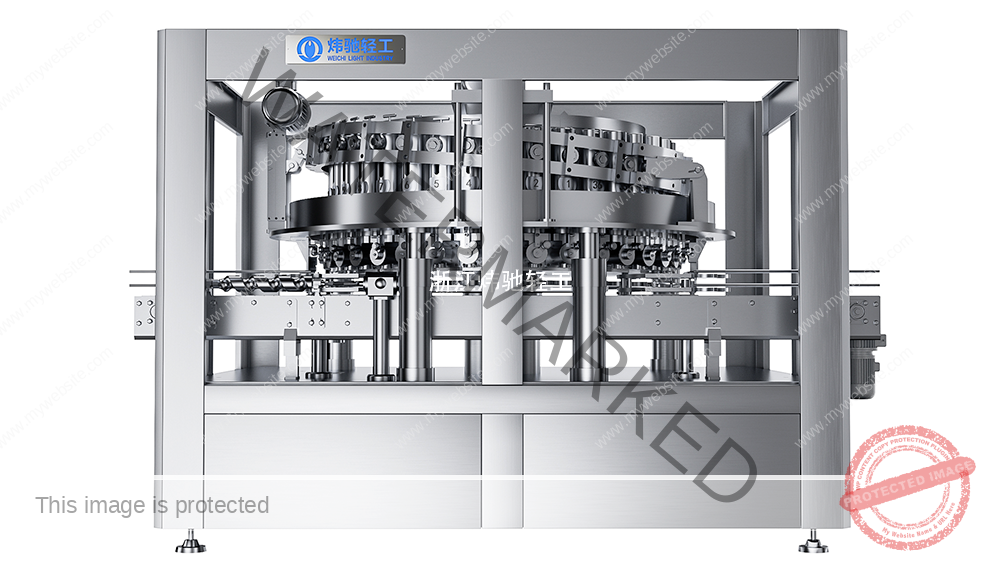
Key Takeaways
- Before requesting a can filling and seaming machine quotation, prepare the product and filling conditions, can-body and end details, required good output, equipment scope, site and utility d…
- Accurately describe the filling temperature range, viscosity or flow behavior (with measurement conditions), and density for mass-to-volume conversion. If the product contains particles or f…
- Provide the can-body and end supplier, part number, controlled drawings and revisions, material/coating, diameter/height, and relevant geometry/tolerances. For a detailed configuration revie…
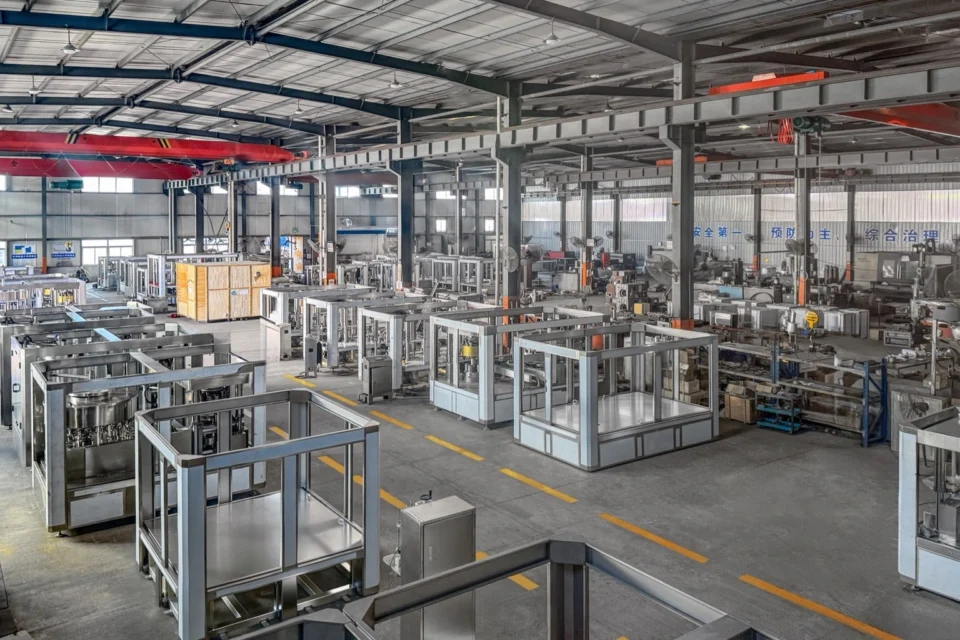

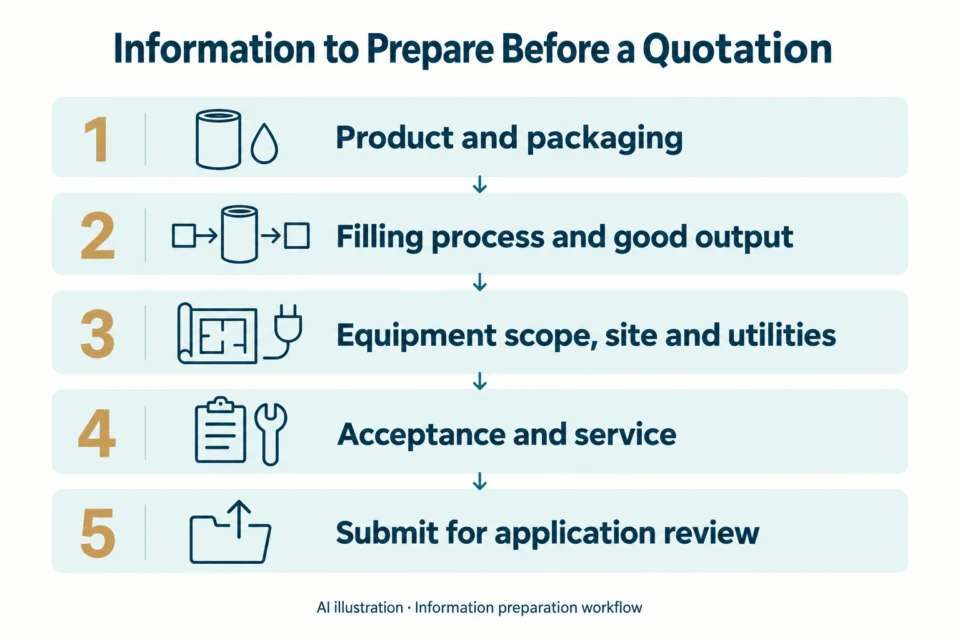
Before requesting a can filling and seaming machine quotation, prepare the product and filling conditions, can-body and end details, required good output, equipment scope, site and utility data, and acceptance and service requirements. Together, these inputs define what the proposed configuration is expected to do. Use the checklist below to prepare an application review and identify information still needed.
Product Data
Accurately describe the filling temperature range, viscosity or flow behavior (with measurement conditions), and density for mass-to-volume conversion. If the product contains particles or fibers, provide size distribution. Also specify foam, aeration, stringing, settling, and relevant oil, salt, acidity, or allergen information. Define the target net mass or volume and allowed variation for each product/package combination.
Packaging Data
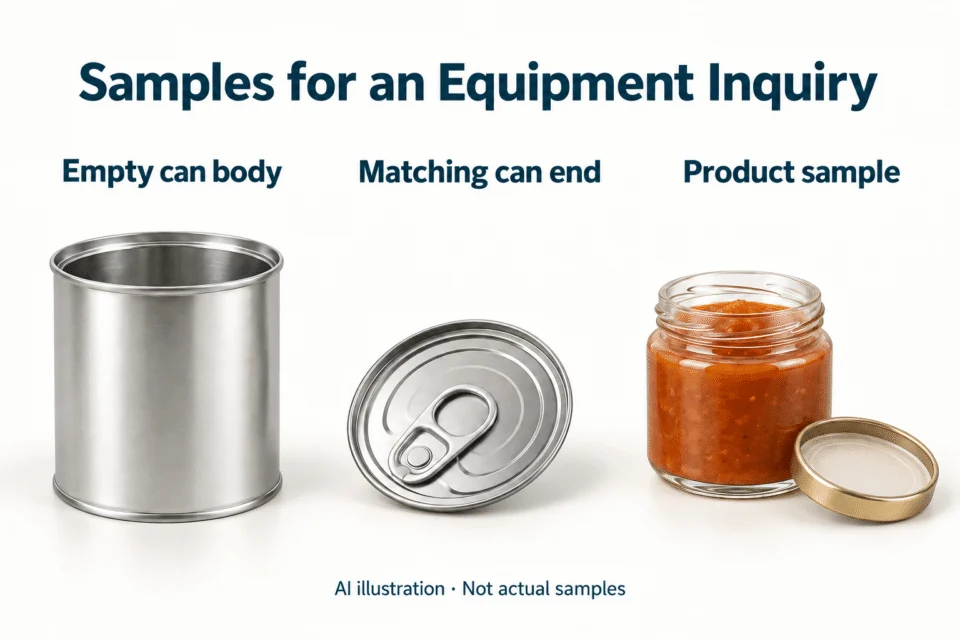
Provide the can-body and end supplier, part number, controlled drawings and revisions, material/coating, diameter/height, and relevant geometry/tolerances. For a detailed configuration review, supply the approved seam specification and methods, along with matching empty bodies and loose ends (with lot IDs). Equal nominal diameter does not establish compatibility. Photos help an initial review but cannot replace drawings and matched trial samples.
Output and Scope
List the required good output for each product/can combination (cans/min or cans/hour), shifts, effective production window, cleaning/changeover allowance, and growth expectations. State the counting boundary and distinguish catalogue speed, instantaneous running rate, sustained rate, and good output. Specify upstream supply and downstream inspection, coding, conveying, and packing equipment. Clarify if the scope is a standalone seamer, filler-seamer monoblock, or complete line, and record existing versus supplier-supplied equipment interface responsibilities.
Process Route
Provide carbonation details if relevant, filling temperature and allowed variation, fill target, headspace, and gas/vacuum or pressure requirements. Describe planned downstream thermal treatment/cooling and cleaning regimes. Thermal process or aseptic applicability must be separately validated for the specific product/package. A hotter fill temperature does not establish a validated hot-fill or aseptic solution.
Site and Utilities
Compatibility depends on layout, utilities, controls, speeds, and upstream/downstream interfaces. Supply a dimensioned layout with equipment position, product flow, and maintenance/cleaning access. Confirm available length/width/height, access routes, infeed/discharge height/direction; electric voltage/phases/frequency; air pressure/available flow; water/drainage; and steam or gas if required by the process. The supplier will confirm required loads and supply points against the project scope.
Configuration and Changeover
Confirm contact materials, controls, cleaning arrangements, and installed options. List every product/fill/can change frequency, requested change parts/tooling, and acceptance of the changeover. Confirm which materials and options are included; a feature listed for one model is not automatically standard on every machine. For a piston filler-seamer, confirm the product path and change parts against the actual product, fill quantity and package.
Acceptance Data
Define acceptance criteria before testing: product/package, fill quantity and variation, seam criteria from the can/end supplier, good-output count and interval, changeover, cleaning, controls, sampling, and responsibilities. Factory Acceptance Testing (FAT) checks supplied equipment under recorded factory conditions; Site Acceptance Testing (SAT) checks the installed system and site interfaces. Water tests cannot establish all commercial-product effects; a brief running video or one seam measurement does not prove complete acceptance.
Service Scope
Project specifications define documentation, warranty scope, support, and acceptance. Suggested inquiry fields: installation destination; requested installation/commissioning support; operator/maintenance training; manual language; initial spare and change parts; technical contacts and division of installation work. Ask for service inclusions/exclusions to be stated clearly.
Inquiry Template
You can copy and complete the following fields:
- Product & Filling Conditions: Temperature, viscosity, density, particles, foam, etc.
- Target & Tolerance: Net mass/volume and allowed variation.
- Packaging Info: Can-body/end drawing IDs, sample status.
- Output Target: Good output and counting boundary.
- Scope Definition: Standalone/monoblock/line, upstream/downstream equipment.
- Site Conditions: Utility parameters and dimensioned layout.
- Configuration Requirements: Materials, cleaning, controls, changeover details.
- Acceptance Expectations: Specific FAT/SAT arrangements.
- Service Needs: Installation, training, manuals, spares.
For missing information, state what is unavailable and when it will be supplied.
FAQs
Q: Can I start an inquiry with photographs?
A: Yes, photographs can support an initial discussion. They do not establish compatibility; a detailed configuration review still needs controlled drawings, matched can-and-end samples and the agreed trial information.
Q: Does catalogue speed represent actual capacity?
A: No. Distinguish between catalogue speed, instantaneous running rate, sustained rate, and good output; the latter is the actual production target.
Q: Can I get a quote with incomplete data?
A: It is recommended to clarify missing information first. If unavailable, state the situation and expected timeline, noting preliminary assumptions and exclusions in your inquiry.
Product Example and Contact
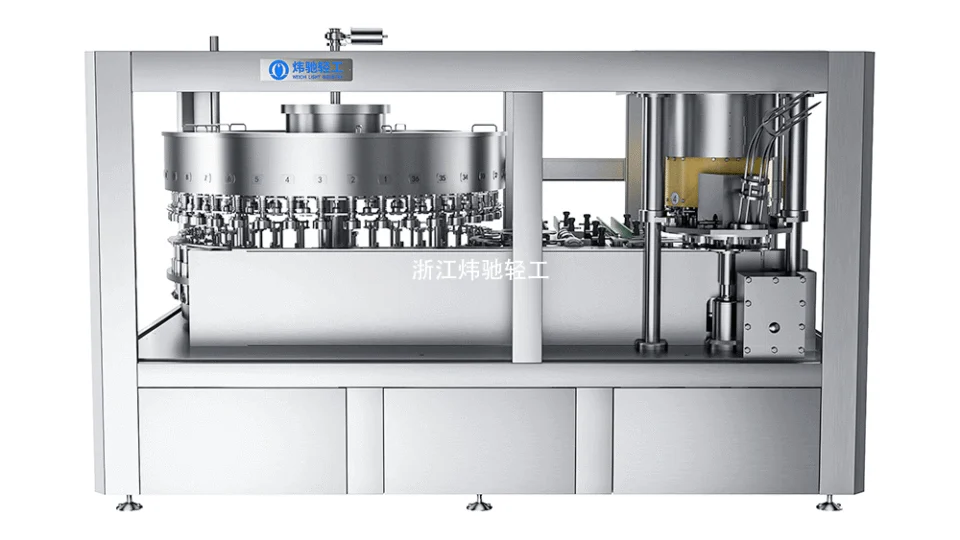
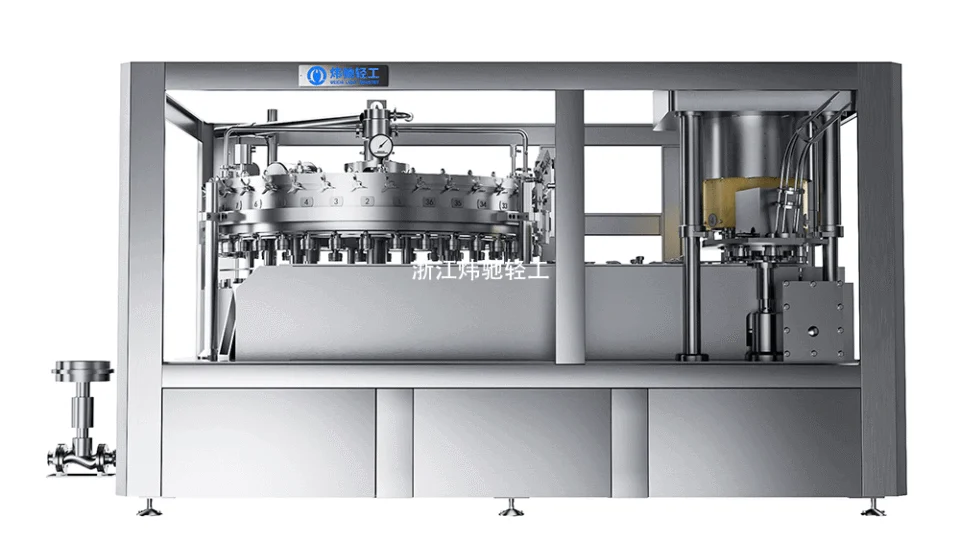
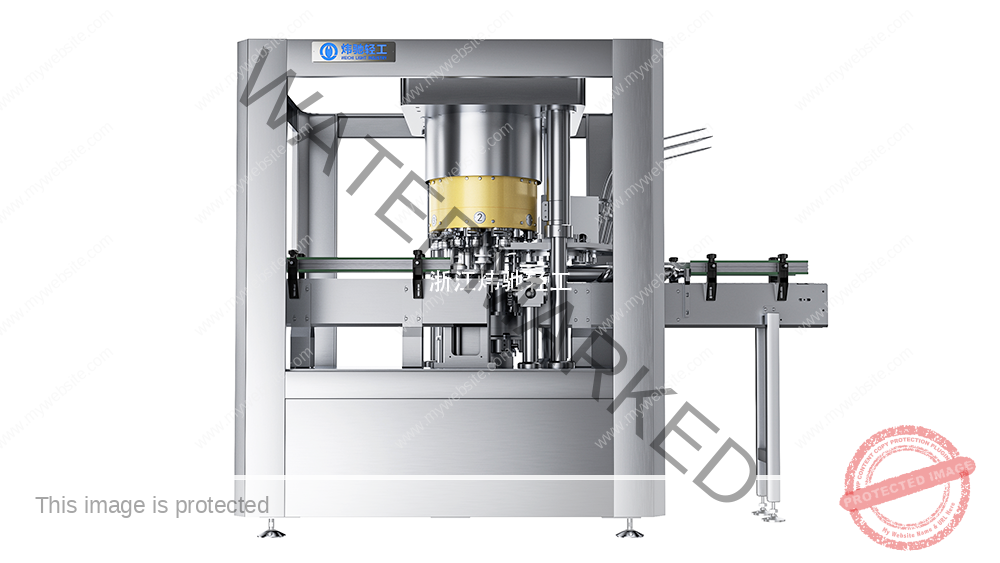
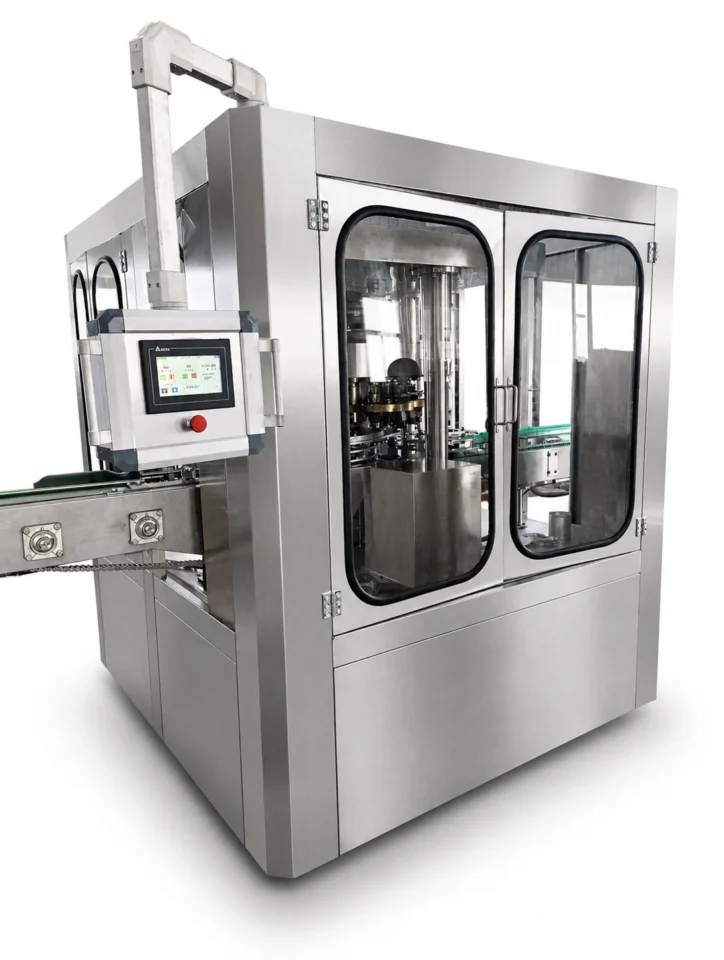
For a viscous sauce application, start with the Weichi piston filler-seamer product information, then review the actual product and can-and-end combination. For further evaluation, visit the Viscous Liquid & Sauce Can Filler-Seamer page or use the application inquiry page to submit the completed checklist along with drawings/samples. The product page supports early screening, not unconditional suitability.
Related Technical Guidance
Technical Basis and Project Evidence
Final equipment selection and acceptance must use the project product, can and end drawings, utility conditions, line interfaces, agreed test duration, and documented FAT/SAT criteria. Can and end supplier specifications remain authoritative for double-seam limits.
- U.S. FDA: Low-Acid Canned Food Manufacturers, Part 3 — Containers and Closures
- SAMR record: GB/T 30639-2014 — Sauce filling and seaming equipment
- SAMR record: GB/T 40360-2021 — Still-beverage can filling and seaming equipment
Review equipment families See project references Submit application data