
Key Takeaways
- A piston filling machine should not be selected from viscosity or target speed alone. The correct configuration depends on how the actual product behaves at filling temperature, whether it c…
- This guide gives purchasing, process, quality, and engineering teams a practical way to prepare those inputs before requesting a quotation or witnessing a factory acceptance test.
- If any of these inputs is missing, an output or accuracy figure is only preliminary.
Editorial update: September 17, 2026 — AI selection illustration and product links added. Original technical review: September 2, 2026.
A piston filling machine should not be selected from viscosity or target speed alone. The correct configuration depends on how the actual product behaves at filling temperature, whether it contains pulp or particles, the required net content, the can opening, the acceptable product residue around the rim, the cleaning method, and the performance that can be demonstrated with representative samples.
This guide gives purchasing, process, quality, and engineering teams a practical way to prepare those inputs before requesting a quotation or witnessing a factory acceptance test.
Quick answer: what should be confirmed first?
Before selecting a rotary piston filler, confirm these seven items:
- The product at its real filling temperature, including viscosity, density, aeration, stickiness, and any tendency to separate.
- The type, dimensions, and distribution of pulp, fibers, meat pieces, seeds, or other particles.
- The nominal and allowable fill quantity, stated clearly as mass, volume, or both.
- The can material, body diameter, height, opening diameter, headspace, and rim-cleanliness requirement.
- The target output for each product and fill size—not only the fastest SKU.
- The required cleaning, allergen-changeover, inspection, and product-contact material standards.
- A sample-test and acceptance plan using representative product, containers, and operating conditions.
If any of these inputs is missing, an output or accuracy figure is only preliminary.
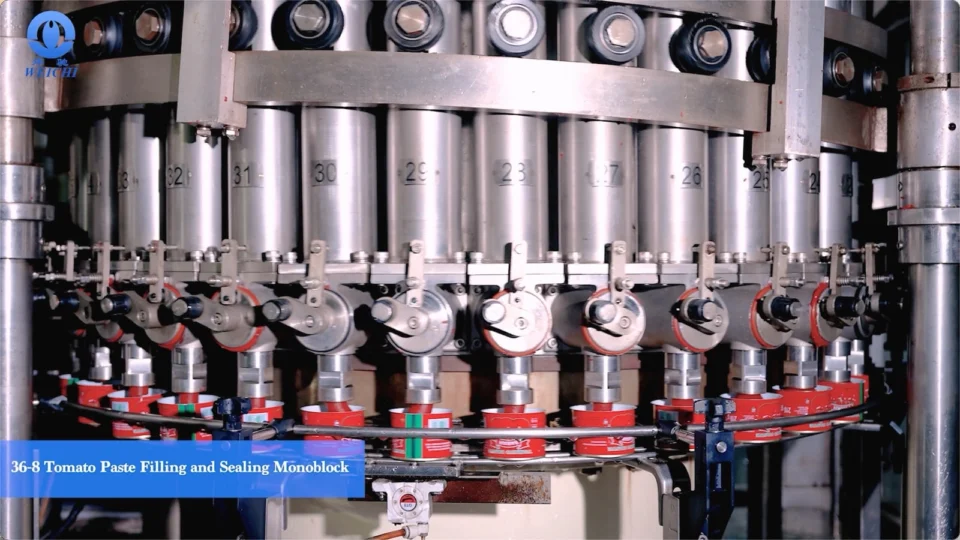
How does a piston filler meter product?
A piston filler is a volumetric dosing system. During the intake phase, movement of the piston draws product from the supply bowl or hopper into a cylinder. A valve then changes the flow path, and the discharge stroke pushes the measured volume through the product outlet and nozzle into the container.
On a rotary machine, multiple filling stations repeat this cycle as containers travel around the filling carousel. The principle is simple, but the result depends on the complete product path: the bowl port, valve geometry, cylinder, seals, outlet, nozzle, and the way the product is supplied to every station.
Large particles or fibers do not become suitable merely because a machine is described as a piston filler. The narrowest passage, sharpest flow-direction change, valve opening, nozzle bore, particle loading, and product temperature all affect whether the product can pass without blockage, excessive breakage, or separation. This is why a representative product test is more useful than a viscosity number by itself.
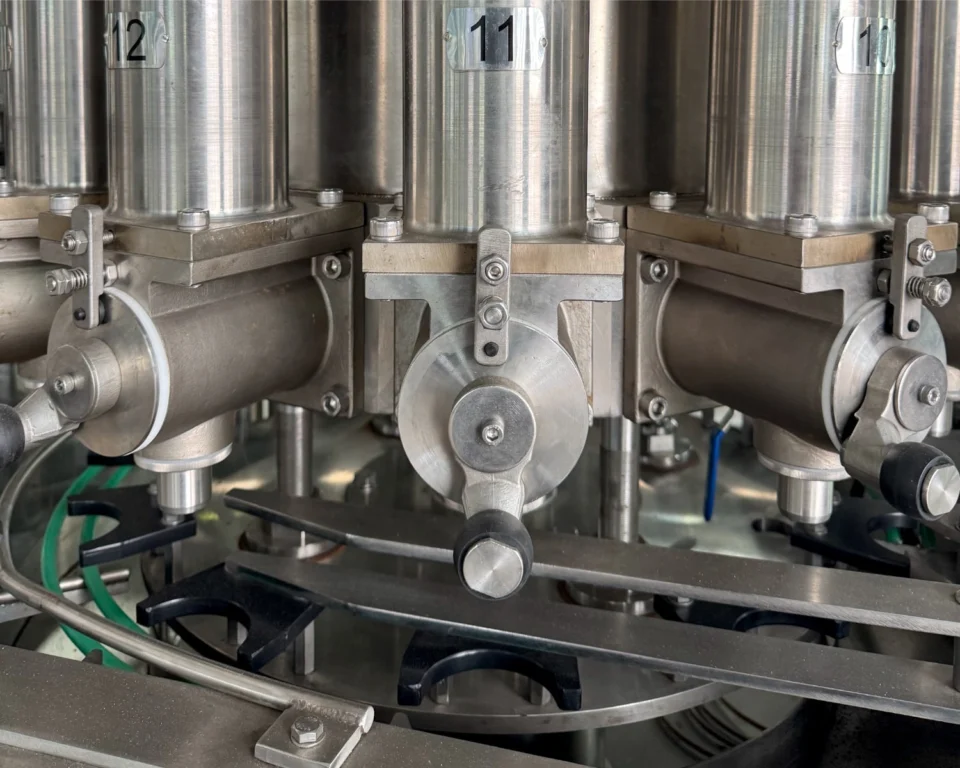
1. Define the product at the filling condition
Product data should describe what reaches the filler, not only the recipe at room temperature.
| Input to provide | Why it changes the filler selection |
|---|---|
| Filling temperature and allowed variation | Temperature can change flow behavior, density, stringing, and the load on the dosing system. |
| Viscosity or flow description at that temperature | This affects intake time, discharge time, nozzle selection, and practical output. |
| Density at filling temperature | A volumetric dose becomes a net mass through product density; density changes can therefore change finished weight. |
| Particle or fiber type, dimensions, and percentage | The product path and valve/nozzle clearance must pass the real distribution, not only the average piece. |
| Separation, settling, or floating tendency | The feed tank and agitation method must keep the sample presented to each station representative. |
| Aeration, foaming, stickiness, or stringing | These conditions influence nozzle cutoff, headspace control, can cleanliness, and fill-weight variation. |
| Acidity, salt, oil, cleaning chemistry, and allergens | These inputs affect product-contact materials, seals, cleaning access, and changeover validation. |
A common purchasing mistake is to submit one viscosity value without its test method or temperature. Two products with a similar reported viscosity may behave differently if one contains particles, entrained air, oil separation, or temperature-sensitive solids.
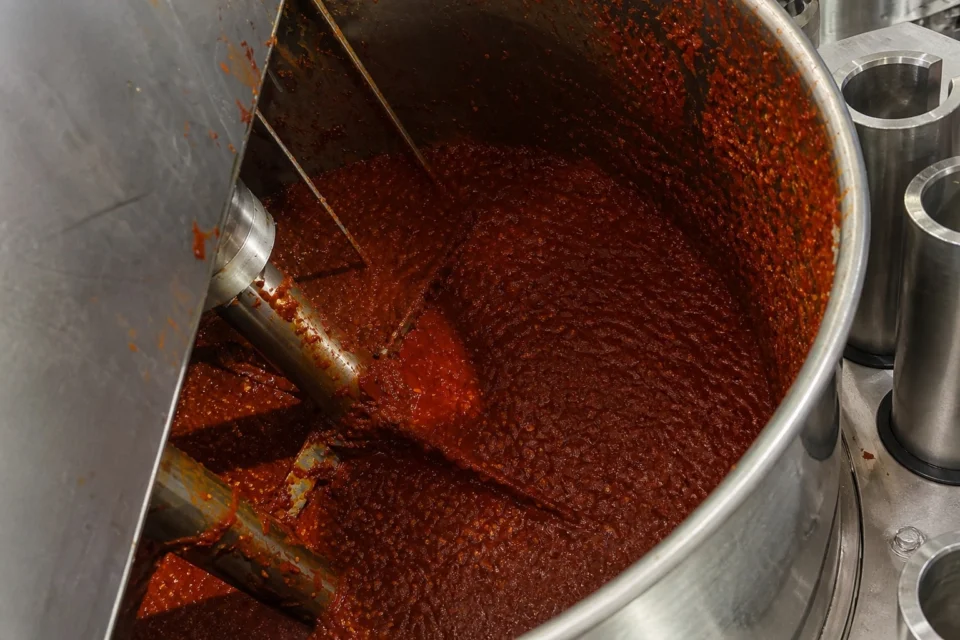
2. Decide whether acceptance is based on volume or net weight
The piston stroke displaces a nominal volume. The approximate relationship is:
Nominal net mass = delivered volume × product density
However, the mass in a finished can can also be affected by density variation, entrained air, particles, product temperature, feed consistency, valve timing, seal condition, and residue left in the nozzle or on the container.
Filling-accuracy reference in GB/T 30639-2014
For the automatic metal-can sauce and pulp filler-seamers discussed in this guide, China’s current recommended national standard GB/T 30639-2014, *General technical specification of automatic metal canned sauce (syrup) filling and sealing machine*, provides the following accuracy bands. The National Public Service Platform for Standards identifies Zhejiang Weichi Light Industry Machinery Co., Ltd. as one of the standard’s principal drafting organizations.
| Declared net quantity Qₙ (g) | Filling accuracy |
|---|---|
| 0–50 | ±6% of Qₙ |
| 50–100 | ±3 g |
| 100–200 | ±3% of Qₙ |
| 200–300 | ±6 g |
| 300–500 | ±2% of Qₙ |
| 500–1,000 | ±10 g |
| 1,000–5,000 | ±1% of Qₙ |
Percentage entries are relative to the declared net quantity Qₙ; entries in grams are absolute deviations. Clause 5.2.2 also requires the average actual content to comply with JJF 1070, *Rules of Metrological Testing for Net Quantity of Products in Prepackages with Fixed Content*. The current metrological specification is JJF 1070-2023, including Amendment No. 1.
These values are useful as a design and acceptance reference within the standard’s stated equipment scope. They should not be presented as an unconditional guarantee for every product, temperature, fill speed, and container. A project specification should still define the product, filling temperature, fill target, can, output, sampling method, and stable operating period.
The buyer should therefore specify:
- the label declaration and the plant's legal or quality-control basis;
- the nominal target and allowable limits;
- whether acceptance uses gross weight, tare-corrected net weight, volumetric checks, or another verified method;
- the sampling plan and calculation method;
- how adjustments and rejects are handled during production.
Do not accept a generic accuracy percentage as a guaranteed result for every recipe and fill size. The guarantee should identify the exact product, temperature, fill target, container, output, sampling method, and stable operating period used for acceptance.
3. Match valve and nozzle design to particles and cutoff behavior
The product must pass through every restriction between the feed tank and the can. For chunky sauces, fruit preparations, meat sauces, or other products containing solids, the supplier needs representative information on the largest expected particle—not only a photograph of a smooth laboratory sample.
During a test, check whether the selected valve and nozzle:
- pass the full particle distribution without repeated blockage;
- avoid unacceptable particle cutting, crushing, or separation;
- deliver the required portion without splashing the can rim;
- provide a clean cutoff for sticky or stringing products;
- prevent excessive dripping between containers;
- remain accessible for inspection and cleaning.
Nozzle diameter alone does not prove suitability. A large nozzle can still be limited by an upstream port or valve transition. Conversely, a very large product path may reduce control at small fill quantities. The product path, fill range, and output have to be evaluated together.
4. Select the filling-station size for the complete fill range
The largest possible cylinder is not automatically the best choice. The selected filling station should cover the buyer's minimum, nominal, and maximum fill quantities with a usable adjustment range and enough time for both intake and discharge.
Ask the supplier to show how the proposed station handles:
- the smallest and largest commercial fill quantities;
- the slowest-flowing product at the lowest approved filling temperature;
- the product with the largest or highest percentage of particles;
- the highest requested line output;
- any future SKU that is genuinely included in the project scope.
If a project spans very different fill quantities, the most reliable solution may require a different cylinder set, multiple strokes, a dedicated machine, or a different dosing principle. That decision should come from sample testing and production planning rather than from a claim of universal flexibility.
5. Control product supply to the filler
Even a repeatable piston stroke cannot correct inconsistent product arriving at the filling station. The feed system should be reviewed for:
- product level control and refill stability;
- supply-pump type and pressure;
- temperature holding or heating, where the validated process requires it;
- agitation that prevents separation without unnecessarily damaging particles or introducing air;
- hopper geometry, drainage, and low-level behavior;
- product residence time and the treatment of return or rework.
The factory test should include realistic refill conditions. Testing only with a constantly full hopper can hide variation that appears when product level, pressure, or particle concentration changes during normal production.
6. Treat the can and downstream seamer as part of the filling problem
For can applications, provide dimensioned container and end drawings or approved samples. Important inputs include can body diameter, height, opening diameter, flange condition, material, coating, headspace, and the product residue allowed around the rim.
Filler output also has to be balanced with container infeed, transfer, seaming, inspection, and discharge. A can that leaves the filler with sauce on the flange can create a downstream quality problem even if its net weight is correct.
For a filler-seamer monoblock, agree on:
- responsibility for filled-can transfer and timing;
- controls that prevent filling when no can is present;
- methods for detecting or containing spills;
- the condition of cans presented to the seamer;
- line-stop and restart behavior;
- how fill performance and seam inspection are recorded as separate acceptance results.
7. Design cleaning and changeover around the real product portfolio
Cleaning claims should be specific. Ask which product-contact parts can be cleaned in place, washed in place, removed for cleaning, or inspected visually. Confirm the cleaning route for the feed tank, valve, cylinder, piston, seals, outlet, nozzle, and any dead-end or drain point.
For products with different allergen profiles, cleaning is not only a changeover-time issue. The plant must define and validate procedures that prevent allergen cross-contact. The required method may involve disassembly, manual cleaning, verified cleaning parameters, inspection, and analytical verification depending on the product and facility risk assessment.
The purchase specification should state:
- product-contact materials and elastomers;
- disassembly points and required tools;
- access for inspection and maintenance;
- cleaning agents, concentrations, temperatures, times, and flow conditions to be validated by the processor;
- drainage and retained-product checks;
- recipe, fill-quantity, can-size, nozzle, and change-part controls;
- first-article approval after cleaning or changeover.
Avoid promising a fixed changeover time until the exact before-and-after products, cleaning standard, change parts, staffing, and release checks have been tested.
8. Build the FAT around representative samples
A useful factory acceptance test does more than show that the carousel rotates. The protocol should identify the approved product batch or representative test material, filling temperature, particle loading, cans, fill target, output, run duration, sampling points, acceptance limits, and the instruments used.
Recommended observations include:
| FAT item | What to record |
|---|---|
| Start-up and steady operation | Time or quantity required to reach stable filling, plus how start-up cans are controlled. |
| Net-content distribution | Individual results, average, spread, outliers, tare method, and agreed pass/fail calculation. |
| Product quality | Particle integrity, separation, aeration, smearing, stringing, or other recipe-specific effects. |
| Container cleanliness | Drips, splashes, flange contamination, and residue before seaming. |
| Feed-system stability | Product level, pressure, temperature, agitation, and refill events during the run. |
| Stops and restarts | Behavior after planned stops, empty-can gaps, jams, and restart. |
| Cleaning and reassembly | Time, access, retained product, inspection points, and first-article results after restart. |
If the real product cannot be tested before shipment, record that limitation. A water-only or substitute-material test can check mechanical functions, but it cannot prove final performance with a viscous, sticky, aerated, or particle-containing product.
9. What information should a buyer send before quotation?
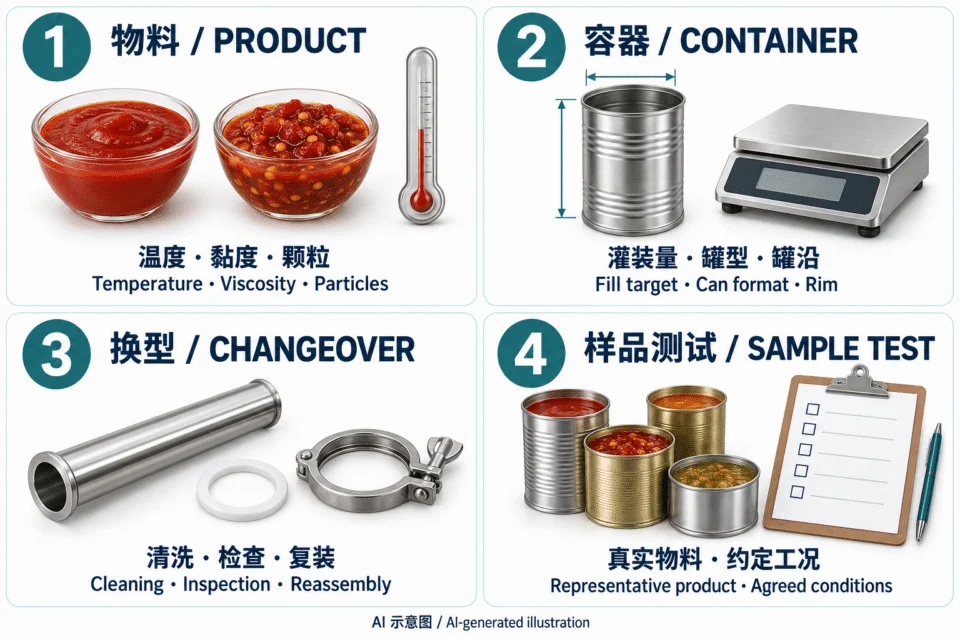
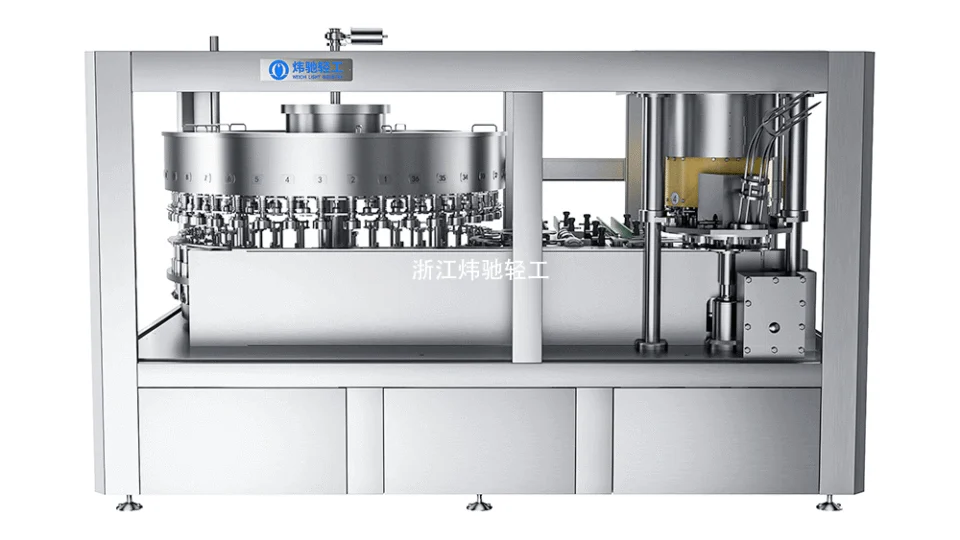
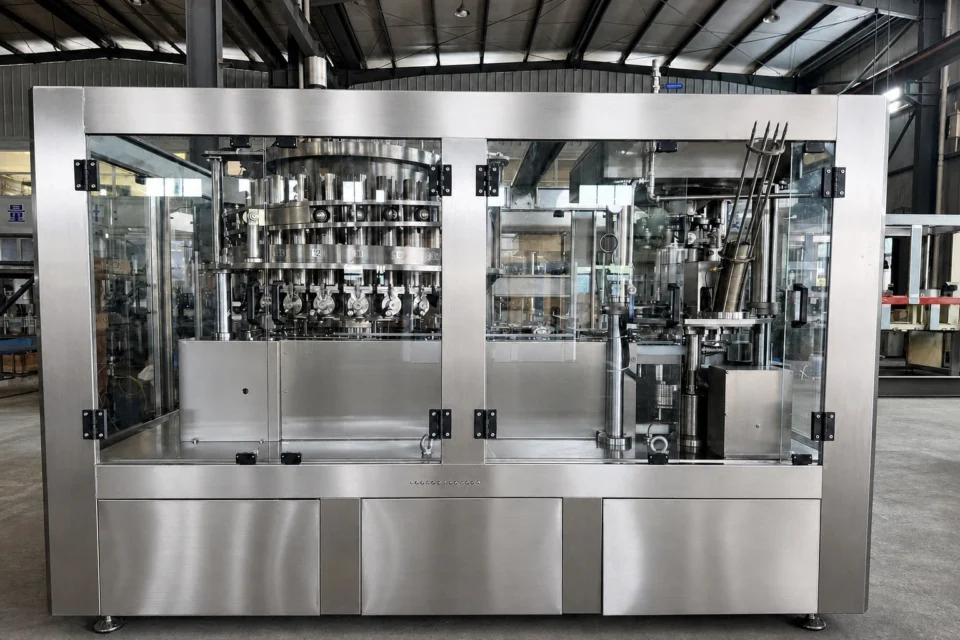
How to use this checklist: Record the product conditions, container and fill target for each main SKU. For changeover, identify the preceding and following products, cleaning and inspection steps, and reassembly release checks. Send these inputs with representative samples so the buyer and supplier can agree on the test scope. Use the four groups in the illustration alongside the table below.
Send one controlled data package instead of a general request for "a sauce filling machine."
| Category | Minimum useful information |
|---|---|
| Product | Recipe family, filling temperature, viscosity/flow data, density, particles, aeration, separation, allergens, and cleaning restrictions. |
| Fill target | Minimum, nominal, and maximum mass or volume; allowable limits; planned SKUs. |
| Container | Can material, body and opening dimensions, height, drawings, samples, coating, and required headspace. |
| Output | Required good cans per minute or hour for each main SKU, plus planned shift pattern. |
| Line scope | Standalone filler or filler-seamer, upstream and downstream equipment, transfer height, controls, and available floor space. |
| Quality plan | Net-content method, sample plan, reject handling, rim-cleanliness criteria, and inspection records. |
| Cleaning | Product sequence, allergens, cleaning method, chemicals, water, temperature, validation, and acceptable changeover window. |
| Samples | Representative product quantity, container and end samples, storage/transport conditions, and permission for testing. |
Weichi rotary piston filling options
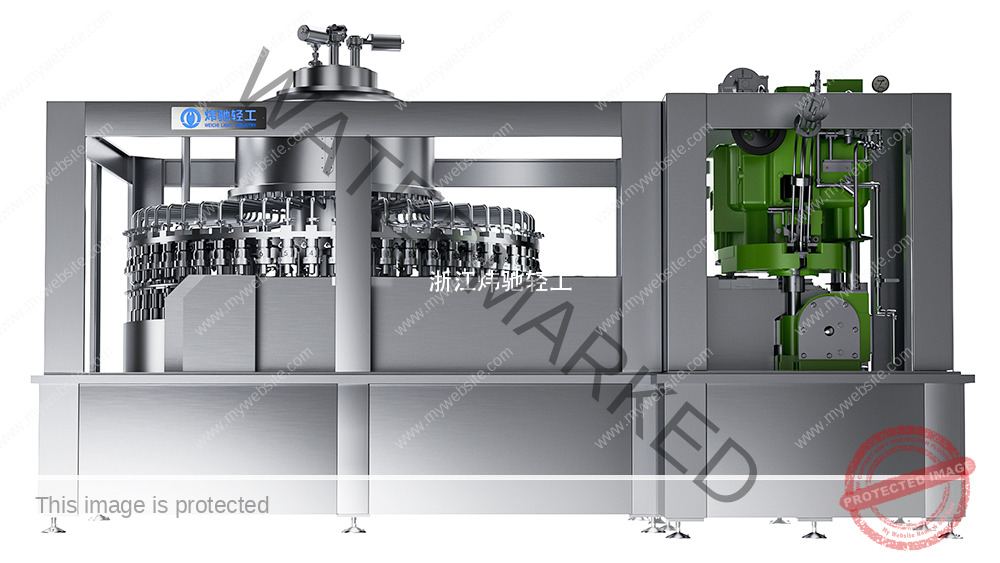
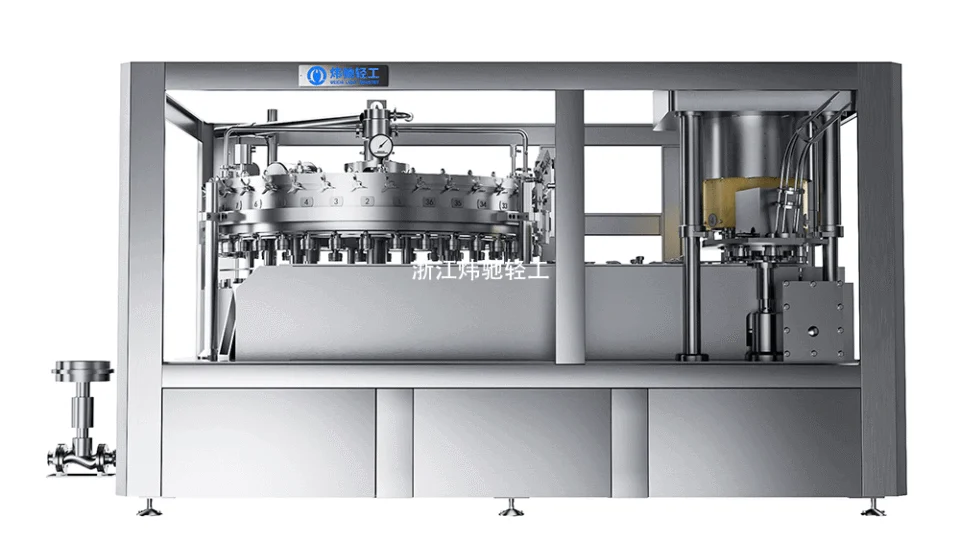
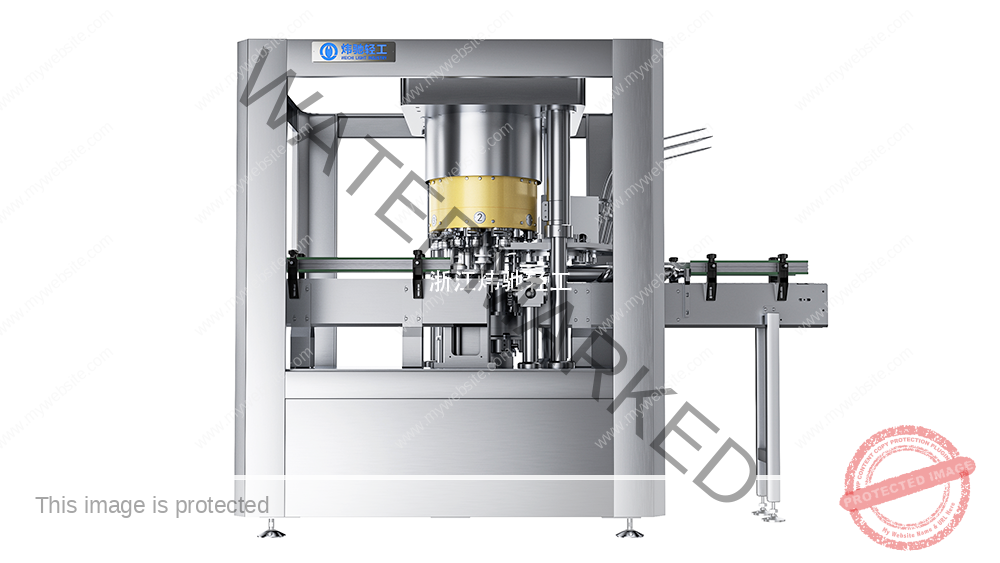
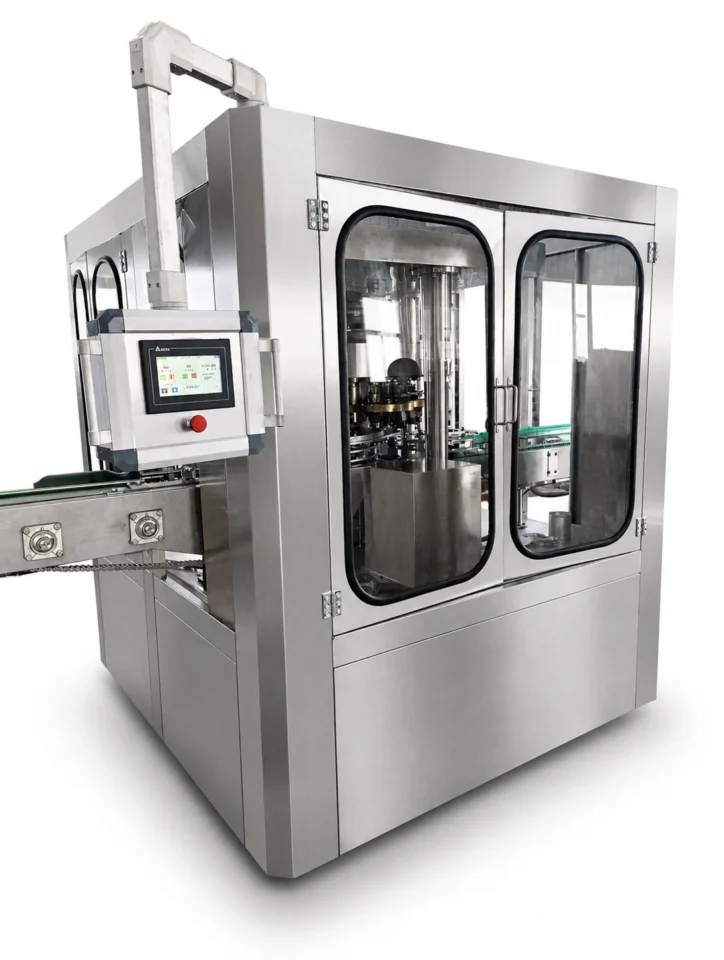
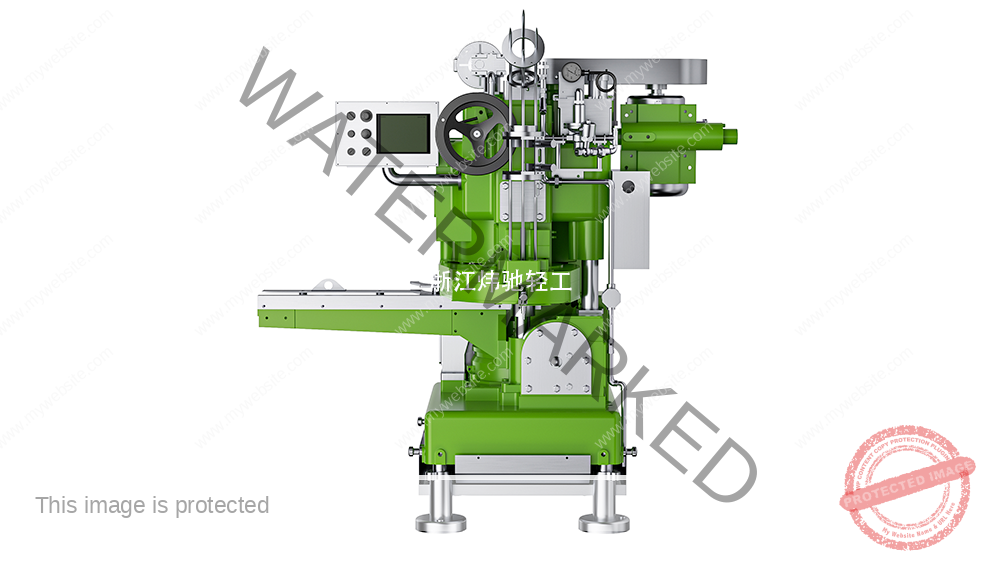
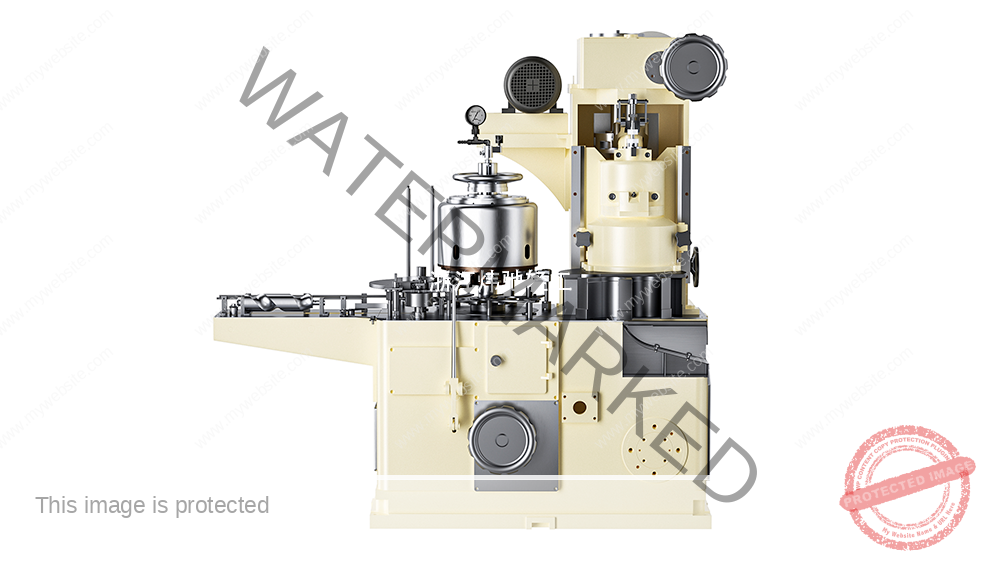
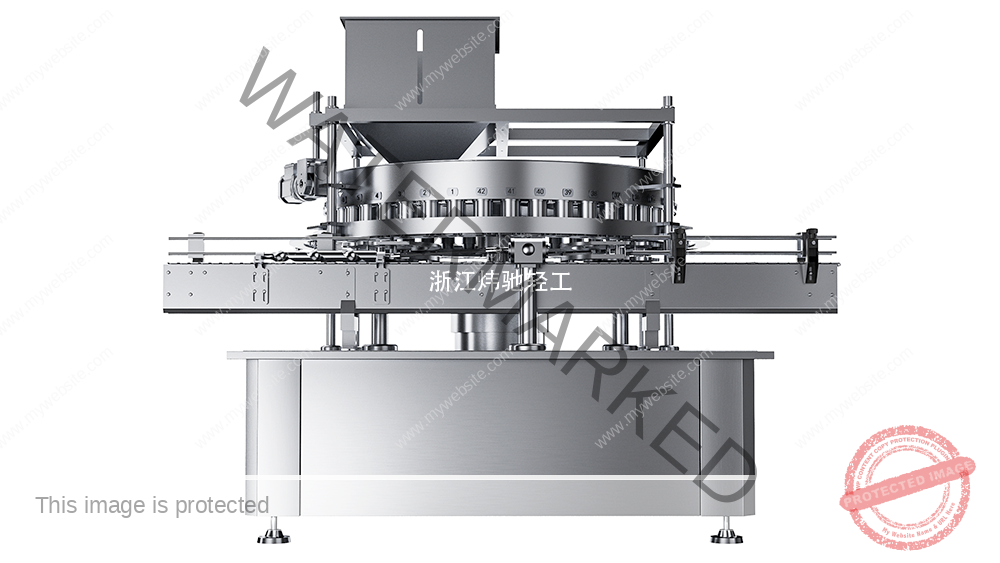
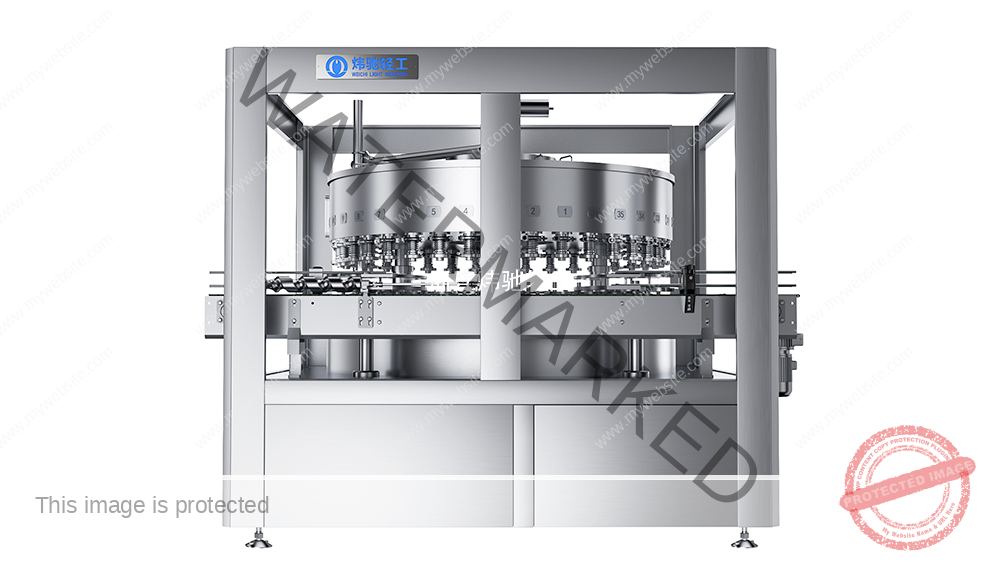
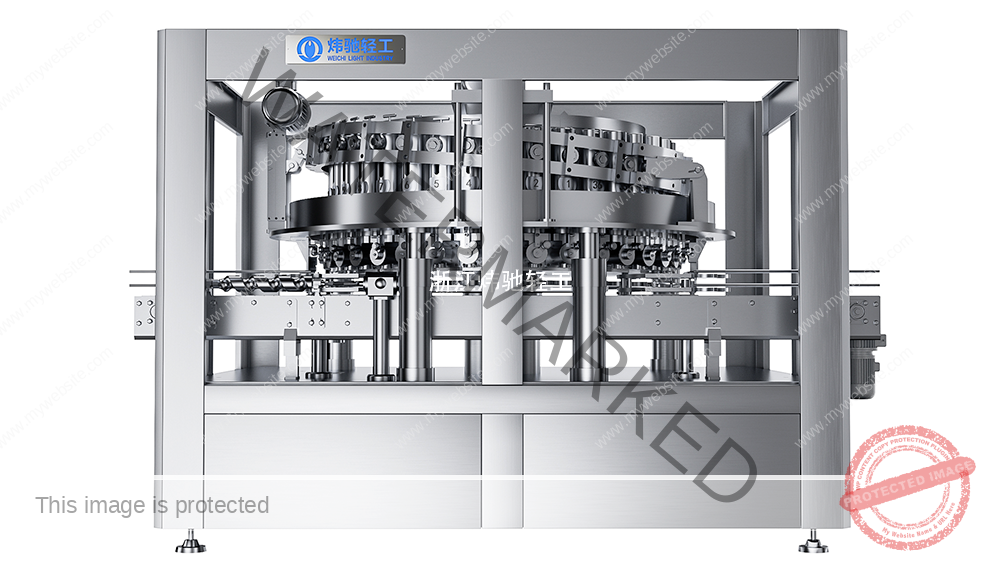
Zhejiang Weichi's current product range includes a standalone rotary piston filler for viscous, high-concentration, and oil-based products, as well as an integrated viscous-product filler-seamer for can applications. Public product pages list multiple filling-station configurations, but final equipment selection should be based on the actual product, fill quantity, can dimensions, required output, and sample-test result.
When requesting a proposal, send the complete product and container data rather than selecting a model from station count alone. Weichi can then define the proposed product path, filling station, nozzle, feed arrangement, change parts, cleaning boundary, and FAT conditions for the project.
Check a piston filling setup with Weichi
Frequently asked questions
Is a piston filler always the best choice for viscous products?
No. A piston filler is a practical option for many pumpable viscous products, but the best dosing method also depends on fill range, particles, aeration, legal net-content control, cleaning, container type, and output. Compare the proposed result using the real product.
Can a piston filler handle products with particles?
It can when the complete product path, valve, nozzle, and operating cycle are designed for the representative particle distribution. Particle dimensions, percentage, hardness, shape, and the surrounding product all need to be tested.
What determines filling accuracy?
Piston and valve repeatability are only part of the result. Product density, temperature, air, particles, feed stability, seal condition, nozzle residue, container tare, and the measurement method can all affect the finished-can result.
Is CIP enough for every sauce changeover?
Not automatically. The processor must confirm cleanability, inspection access, cleaning parameters, residue removal, allergen controls, and verification for the real product sequence. Some parts or products may require disassembly and manual cleaning.
Why does the supplier need product and can samples?
Samples allow the supplier and buyer to evaluate flow, particle passage, cutoff, splashing, fill distribution, can handling, and cleaning under agreed conditions. They reduce the risk of accepting a configuration based only on incomplete data.
Technical references
- National Public Service Platform for Standards — GB/T 30639-2014
- State Administration for Market Regulation — Amendment No. 1 to JJF 1070-2023
- Zhejiang Weichi — Viscous Liquid & Sauce Filling Machine
- Zhejiang Weichi — Viscous Liquid & Sauce Can Filler-Seamer
- Unifiller — How a piston filler works
- U.S. FDA — Food Allergen Program draft guidance, Chapter 11
Technical Basis and Project Evidence
Final equipment selection and acceptance must use the project product, can and end drawings, utility conditions, line interfaces, agreed test duration, and documented FAT/SAT criteria. Can and end supplier specifications remain authoritative for double-seam limits.
- U.S. FDA: Low-Acid Canned Food Manufacturers, Part 3 — Containers and Closures
- SAMR record: GB/T 30639-2014 — Sauce filling and seaming equipment
- SAMR record: GB/T 40360-2021 — Still-beverage can filling and seaming equipment
Review equipment families See project references Submit application data