
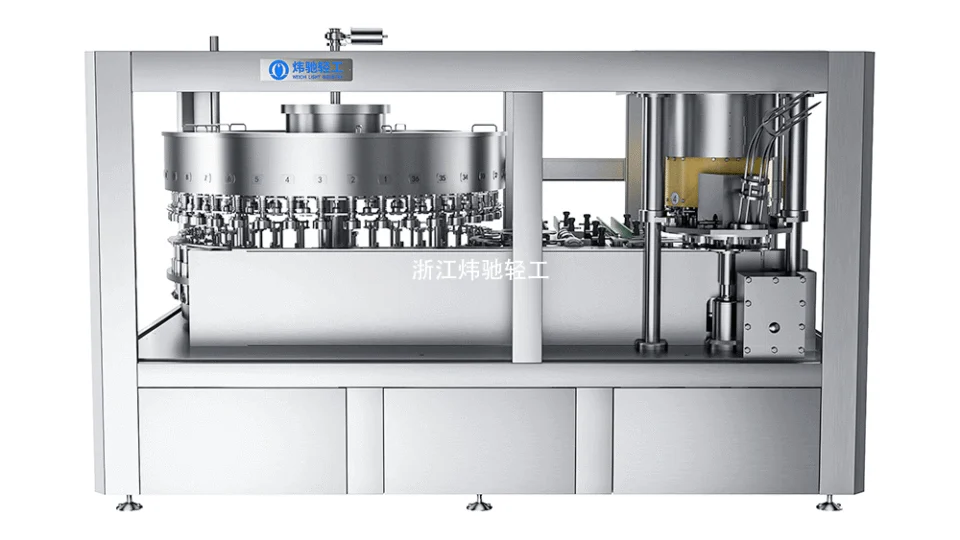
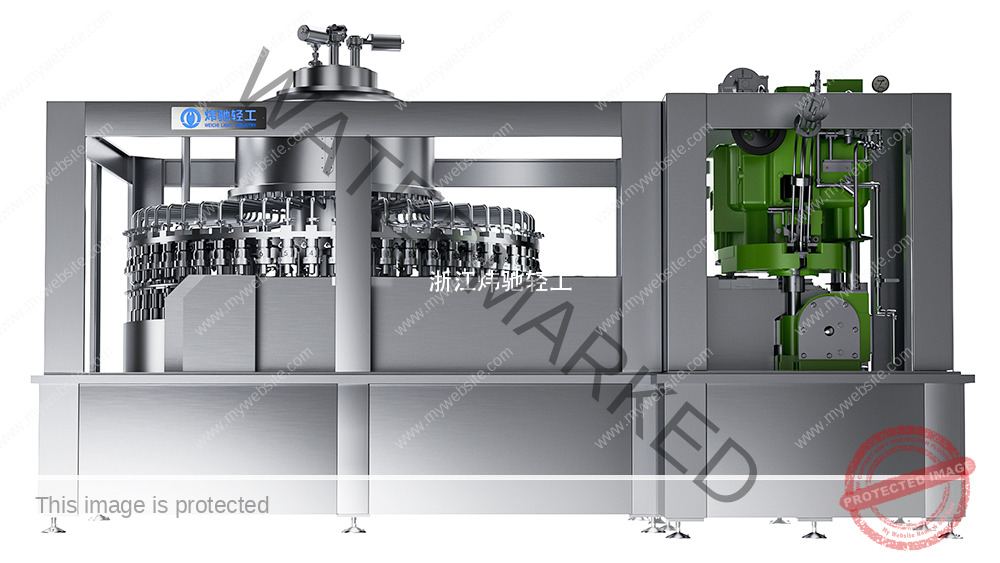
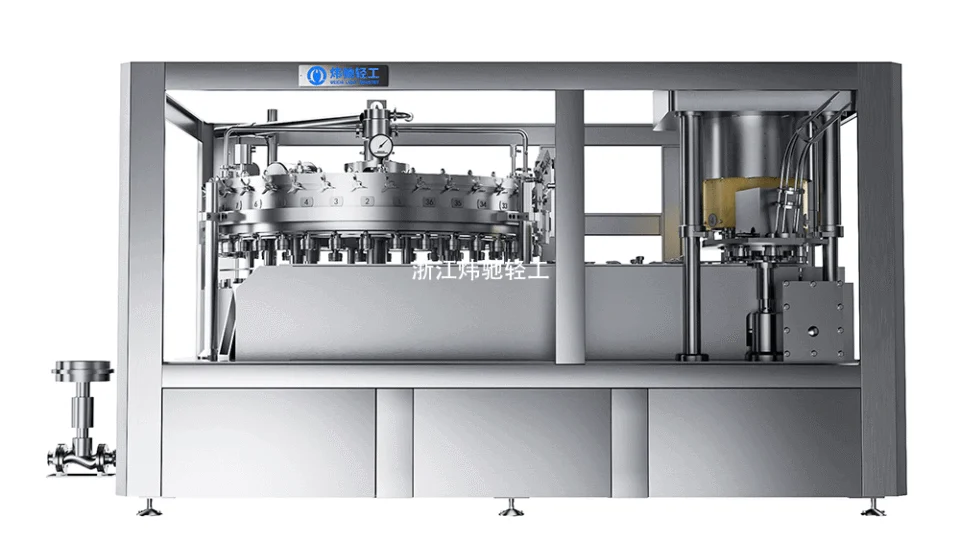
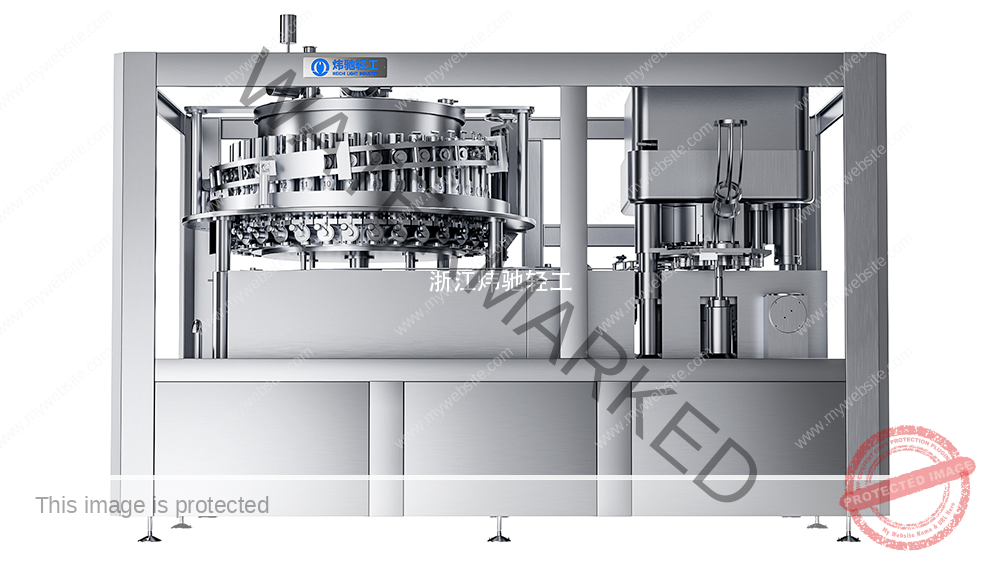
Key Takeaways
- Double seam inspection is critical because the seam is the mechanical closure that joins a beverage can body to its end. A correctly formed seam helps contain the beverage, resist leakage, p…
- Reliable seam quality depends on the can body, end, sealing compound, seamer tooling, can-handling system, operating setup, and inspection program working as one controlled system. Manufactu…
- There is no universal seam setting or acceptance limit for every beverage can. The required dimensions, tolerances, sampling plan, and test methods must come from the approved can and end sp…
Quick Answer
Double seam inspection is critical because the seam is the mechanical closure that joins a beverage can body to its end. A correctly formed seam helps contain the beverage, resist leakage, protect the package from external contamination, and maintain closure integrity during filling, handling, transport, and storage.
Reliable seam quality depends on the can body, end, sealing compound, seamer tooling, can-handling system, operating setup, and inspection program working as one controlled system. Manufacturers should follow a disciplined sequence: confirm the components, form the seam, measure it, identify any defect, investigate the likely cause, make one authorized correction at a time, and inspect new samples before releasing production.
There is no universal seam setting or acceptance limit for every beverage can. The required dimensions, tolerances, sampling plan, and test methods must come from the approved can and end specifications, machine documentation, and site quality plan.
Buying a beverage seamer? Review the model routes and acceptance evidence to specify.
What Is a Double Seam?
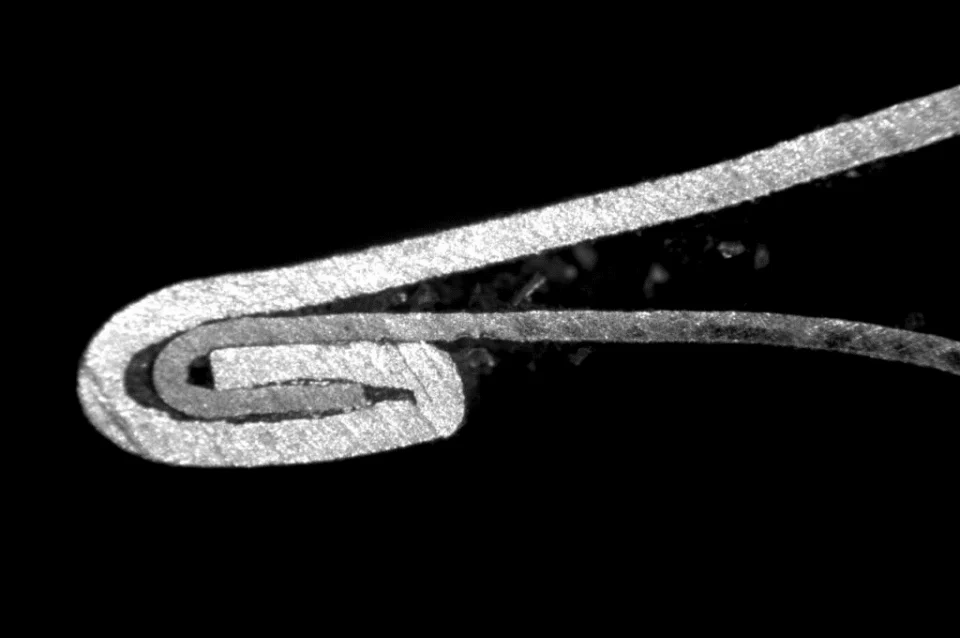
A double seam is the mechanical joint created by interlocking and compressing the flange of a can body with the curl of a can end. Inside the finished seam, the folded body flange becomes the body hook, while the folded end curl becomes the cover hook, also called the end hook. These hooks overlap to create the mechanical interlock.
The can end normally includes sealing compound in the area designed to become part of the seam. During seaming, the compound is held under controlled compression and helps fill intended spaces in the joint. It supports closure integrity, but it cannot compensate for an incomplete interlock, damaged flange or curl, foreign material, incorrect tooling, or poor seam formation.
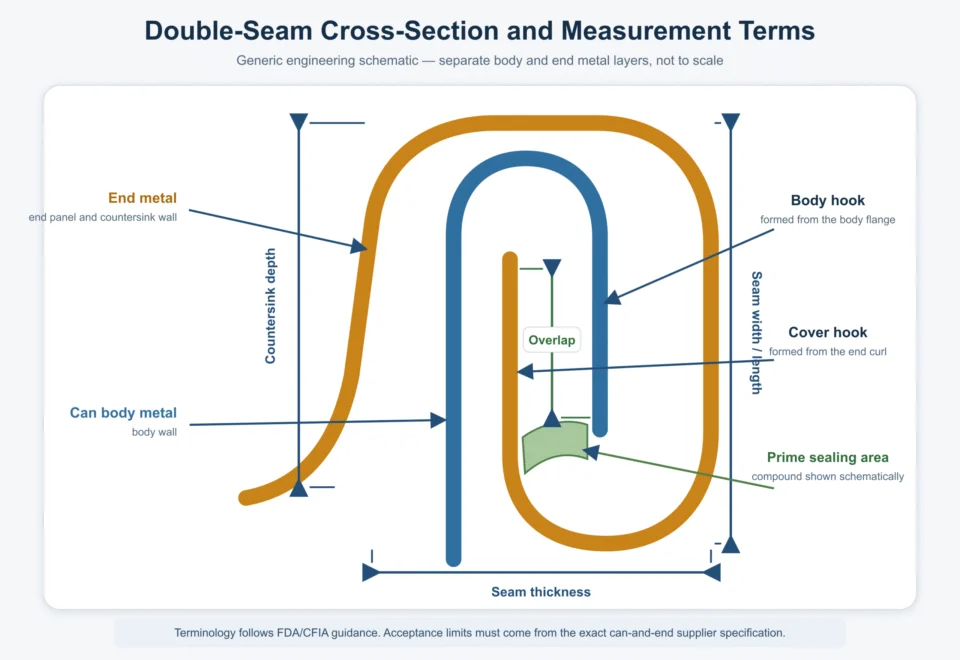
Generic engineering schematic, not to scale. Acceptance limits must come from the exact can-and-end supplier specification.
The seam must be evaluated as a system rather than as one isolated measurement. A seam can show an acceptable external dimension at one point while still containing a localized defect elsewhere around the circumference. For that reason, manufacturers combine visual examination, dimensional measurement, teardown, cross-section analysis, and any supplemental integrity tests required by their quality plan.
How a Can Seamer Creates a Double Seam
A can seamer attaches a compatible end to a can body through two sequential forming operations. Although machine architecture varies, the basic process is consistent:
- A filled can enters the seaming station and receives a correctly oriented end.
- The lifter or base plate positions the can and end against the seaming chuck.
- The first-operation roll folds the end curl under the body flange to create the initial interlock.
- The second-operation roll compresses and finishes the interlocked layers.
- The closed can leaves the station for downstream handling and quality inspection.
The chuck supports the end and acts as an anvil against the force applied by the rolls. The lifter, chuck, roll profiles, bearings, transfer system, end feed, and can centering all influence the finished seam. Wear, looseness, incorrect change parts, damaged components, contamination, or unstable transfer can disturb seam formation even when a recorded setting has not been intentionally changed.
For the forming sequence behind these inspection points, read how a can seamer creates a double seam. If inspection finds an out-of-specification condition, use the controlled adjustment and troubleshooting guide before changing a setting.
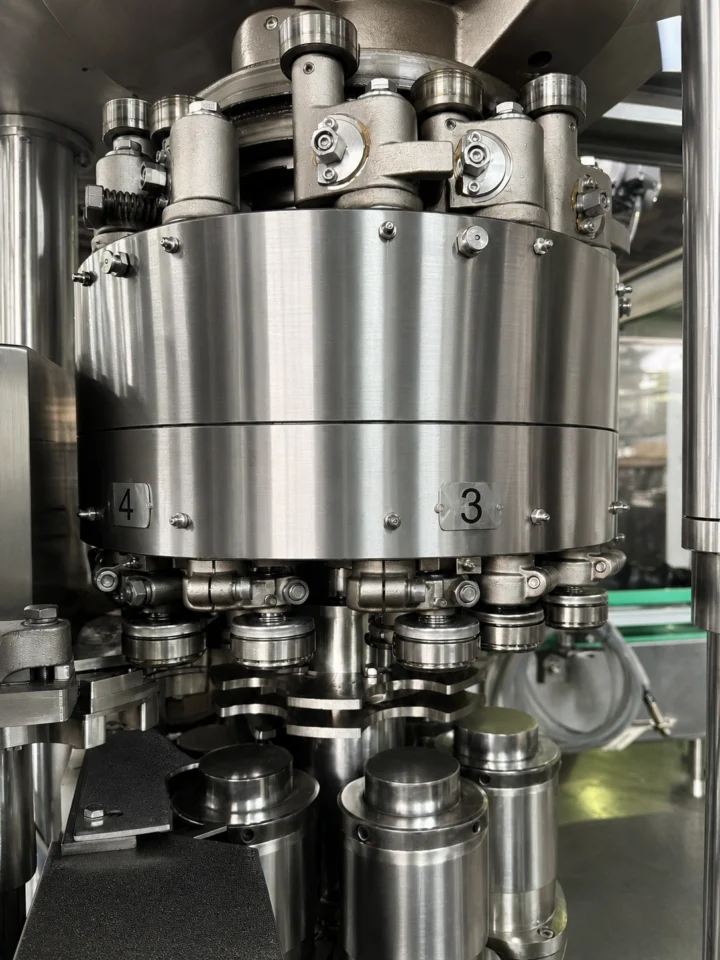
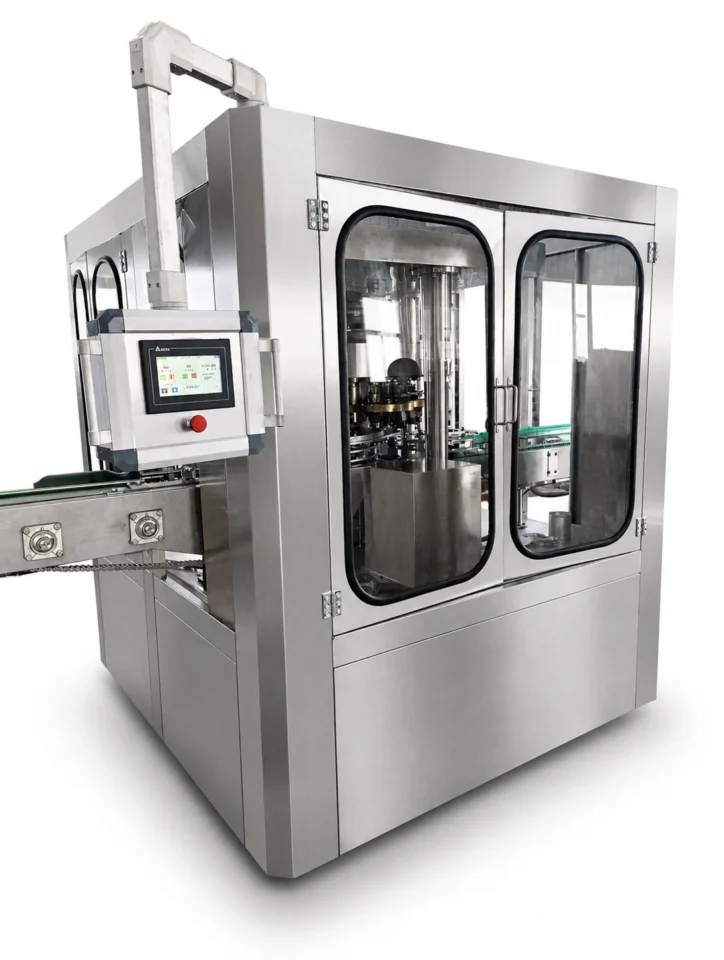
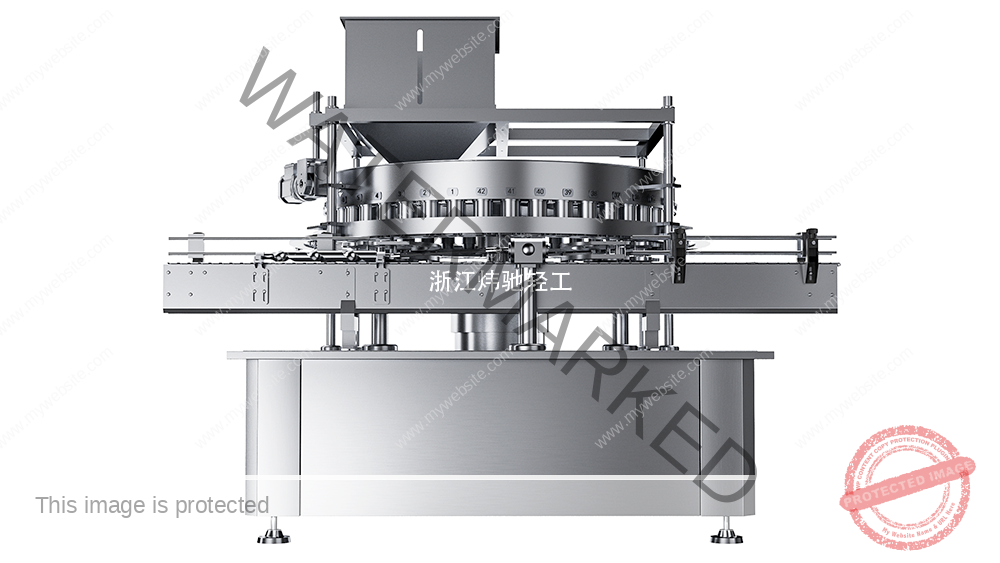
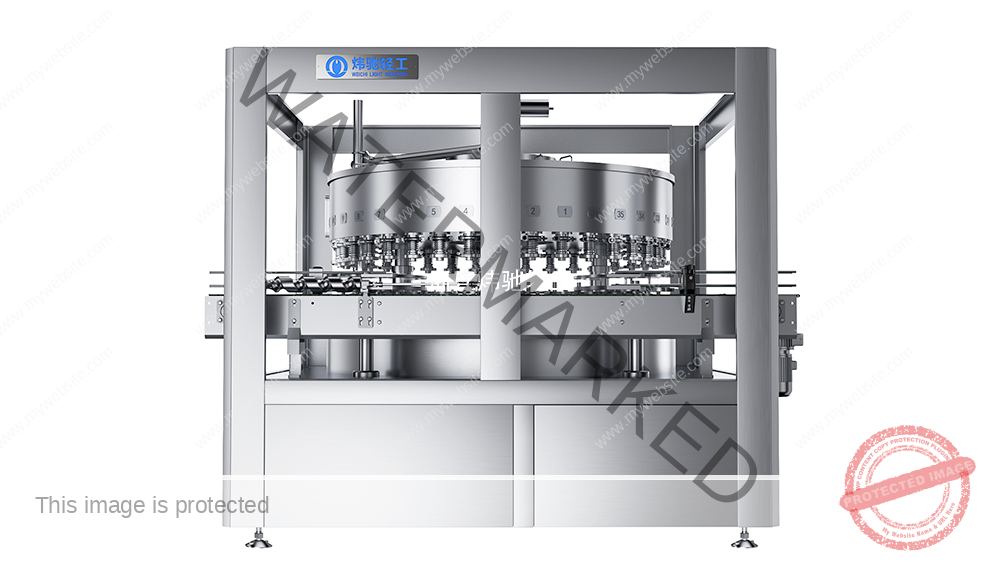
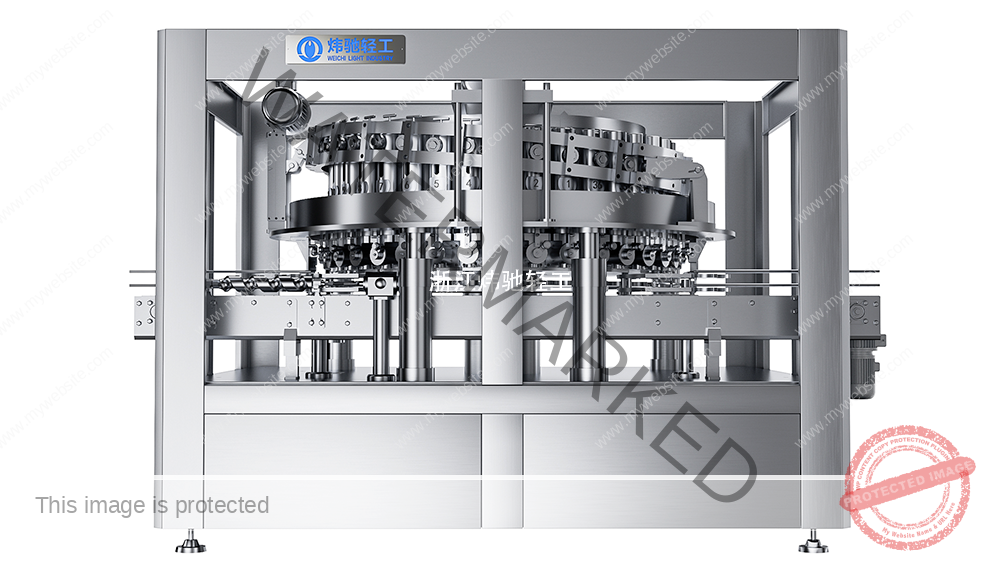
Close-up of the seaming head and roll assemblies on a rotary can seamer. Machine-specific setup must follow the current manual and tooling specification.
First Operation and Second Operation Explained
The two operations have different but dependent functions. The first operation establishes the structure; the second operation finishes it. Increasing second-operation compression is not a reliable way to repair a first-operation formation error.
| Aspect | First operation | Second operation |
|---|---|---|
| Primary purpose | Fold the end curl under the body flange and create the initial interlock. | Compress and finish the layers formed during the first operation. |
| Main influence | Hook formation, material distribution, overlap potential, countersink relationship, and initial wrinkles. | Final thickness, tightness, wrinkle condition, compound compression, and external finish. |
| Typical investigation focus | Can flange, end curl, end placement, chuck, first-operation roll profile, centering, and lift condition. | Finished first-operation geometry, second-operation roll profile and position, chuck condition, compression, and tooling wear. |
| Risk of incorrect setup | Short or malformed hooks, poor overlap, droops, vees, or incomplete interlock. | Loose seam, excessive tightness, sharp seam, coating damage, cutover, or fracture. |
| Verification | Inspect the first-operation seam using the authorized setup or troubleshooting procedure. | Inspect new finished seams using the complete approved measurement plan. |
First operation: forming the interlock
The first-operation roll progressively curls the metal into the intended hook relationship. It must form the material smoothly enough for the second operation to complete the joint. Component geometry matters: a damaged flange, distorted end curl, incompatible end, or incorrect chuck-and-roll combination can prevent a proper interlock before final compression begins.
The accepted first-operation profile, roll position, lift condition, and tooling combination are defined by the approved machine manual, tooling specification, and can-and-end specification for the exact package. Qualified technicians should check the first operation during initial setup, format change, roll or chuck replacement, and root-cause investigation.
Second operation: compressing and finishing
The second-operation roll irons and compresses the preformed seam. The objective is the approved balance of overlap, tightness, finished dimensions, and metal condition—not simply the tightest possible seam.
Insufficient finishing action can leave the seam loose. Excessive compression or unsuitable tooling can deform the joint or damage the metal and coating. Before changing the second operation, technicians should confirm that the first-operation seam and incoming components are correct.
Machine adjustments must be performed by qualified personnel under the approved shutdown, energy-isolation, guarding, and setup procedures. Machine-specific clearances, roll positions, lift settings, and adjustment limits must come from the current machine manual and authorized setup procedure.
Key Double Seam Quality Parameters
Double-seam characteristics are interpreted together. Target values are not interchangeable across can sizes, end designs, materials, tooling systems, or equipment. The table intentionally leaves production limits unfilled.
| Parameter | What it describes | Common inspection method | Target and tolerance | Required source |
|---|---|---|---|---|
| Seam thickness | External thickness of the finished compressed seam. | Approved seam micrometer or qualified optical system. | Package-specific; use approved limits. | Approved can/end seam specification. |
| Seam width or length | External height of the finished seam. | Seam micrometer or optical measurement. | Package-specific; use approved limits. | Approved can/end seam specification. |
| Countersink | Relationship between the end panel and the seam top. | Approved countersink gauge or equivalent method. | Package-specific; use approved limits. | End and closure specification. |
| Body hook | Portion of the body flange folded into the seam. | Teardown or cross-section analysis. | Package-specific; use approved limits. | Approved seam specification. |
| Cover or end hook | Portion of the end curl folded into the seam. | Teardown or cross-section analysis. | Package-specific; use approved limits. | Approved seam specification. |
| Overlap | Degree of interlock between the body hook and cover hook. | Approved direct or calculated method. | Package-specific; use approved limits. | Approved seam specification and method. |
| Tightness or wrinkle condition | Degree to which first-operation wrinkles have been reduced to the accepted condition. | Approved cover-hook teardown and rating method. | Package-specific; use approved limits. | Approved acceptance reference. |
| Pressure ridge or pressure area | Internal evidence associated with second-operation compression. | Visual assessment during teardown where required. | Package-specific; use approved limits. | Approved component and quality guidance. |
The measurement method matters as much as the parameter name. Tool calibration, contact position, measurement force, section preparation, operator technique, and sample location can affect the result. The applicable site quality plan must define the number of samples, circumferential positions, head or station traceability, frequency, reaction plan, and release authority.
Do not publish a generic “ideal” seam dimension without identifying the exact can, end, material, and method. A value suitable for one package can be incorrect for another.
Double Seam Defects: Inspection and Troubleshooting
A defect name is an observation, not a complete diagnosis. The same visible symptom may result from different components or machine conditions. Before adjustment, manufacturers should identify and contain the potentially affected production interval, record the machine and station, verify material lots, and inspect the seam with the approved method.
| Defect or symptom | Possible causes to investigate | First inspection point | Corrective principle |
|---|---|---|---|
| False seam | Damaged flange or curl, incorrect end placement, can/end misalignment, or foreign material. | Underside of the seam, component handling, end placement, and destructive section. | Correct the handling or alignment cause; confirm complete interlock on new samples. |
| Insufficient overlap | Poor first-operation formation, unsuitable flange or curl dimensions, tooling mismatch, lift condition, or damaged components. | Body hook, cover hook, first-operation seam, and approved overlap method. | Verify components and first operation before changing second-operation compression. |
| Loose seam | Insufficient finishing action, worn tooling, incorrect chuck-and-roll combination, unstable lift, or contamination. | Seam thickness, tightness, tooling condition, and second-operation mechanism. | Inspect setup and wear; make one authorized correction and remeasure. |
| Droop | Product or foreign material, damaged end curl, uneven compound, unsuitable first operation, or worn roll groove. | Exact defect location, end curl, seam teardown, overlap, and tightness. | Remove the cause and verify the full circumference of new samples. |
| Vee or lip | Incomplete hook formation, component damage, contamination, or unsuitable tooling condition. | External seam and destructive examination under the approved defect definition. | Contain affected cans and escalate according to the quality plan. |
| Cutover or fractured seam | Excessive compression, worn or mismatched tooling, sharp contact condition, damaged material, or foreign material. | Metal and coating condition, chuck, rolls, and second-operation setup. | Stop uncontrolled adjustment; correct the mechanical or material cause before release. |
| Spinner or incomplete seam | Chuck slip, poor lift condition, contamination, wear, or incomplete roll action. | Circumferential thickness pattern, chuck grip, lift, and drive condition. | Identify the affected station and remove the slipping or motion fault. |
| Station-to-station variation | Local tooling wear, bearing condition, alignment, lift force, setup difference, or maintenance issue. | Measurements grouped by seaming head or station. | Use traceability and trends to isolate the station, then verify after maintenance. |
A safe troubleshooting sequence is:
- Contain the potentially affected cans according to the site procedure.
- Confirm the correct can, end, tooling, and approved specification.
- Inspect the flange, curl, compound area, end placement, and seaming area for damage or contamination.
- Measure the finished seam at the required positions.
- Inspect the first-operation seam when authorized and necessary.
- Check the relevant chuck, roll, lifter, bearings, alignment, and transfer condition.
- Change one authorized variable at a time and record the change.
- Produce new samples, repeat the required checks, document the result, and release only through the approved quality process.
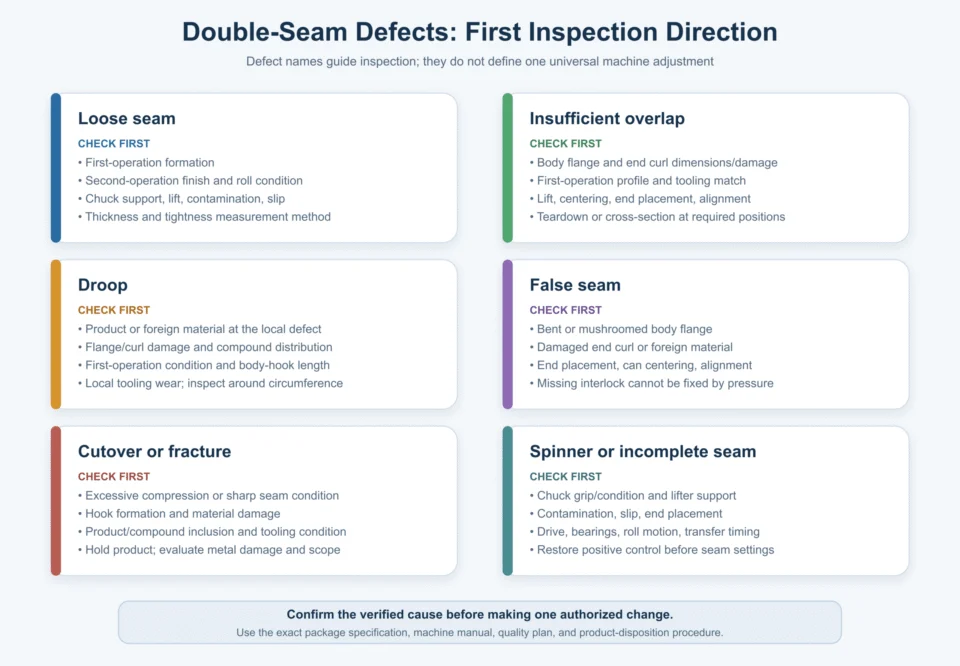
Defect names guide inspection; they do not define one universal machine adjustment. Confirm the cause before making one authorized change.
Double Seam Inspection: How Manufacturers Check Quality
No single inspection method provides a complete picture. A robust program combines observations and measurements that answer different questions.
External visual inspection
Operators examine the full seam circumference for irregularities such as droops, vees, sharp edges, incomplete formation, damage, contamination, or leakage. Visual checks are fast and useful for detecting localized conditions, but they do not replace the dimensional or destructive checks required by the control plan.
External dimensional measurement
Calibrated tools can measure seam thickness, seam width or length, and countersink. The procedure should control gauge type, calibration status, sample position, measurement technique, and recordkeeping.
Destructive teardown
Teardown exposes the hooks and internal seam condition. Depending on the approved method, inspectors may evaluate body hook, cover hook, overlap-related characteristics, tightness, wrinkles, pressure ridge, and compound distribution. Sample preparation must be consistent so that inspection damage is not confused with a production defect.
Cross-section or optical examination
A prepared seam section allows detailed viewing and measurement of the interlocked geometry at a selected position. Multiple positions may be required because one cut cannot represent the entire circumference. The approved inspection method defines the applicable section locations and measurement procedure.
Supplemental package tests
Leak, pressure, vacuum, or other package-integrity tests may support a validated control plan. Test conditions and acceptance limits must come from the validated test method. A passing supplemental test should not automatically replace seam geometry inspection unless the approved quality system specifically allows it.
| Record field | Why it matters |
|---|---|
| Date, time, product, and batch | Defines the production interval represented by the sample. |
| Can and end specifications and material lots | Connects the result to the actual packaging components. |
| Machine and seaming head or station | Makes localized variation traceable. |
| Operating condition | Provides context for startup, normal running, changeover, adjustment, or maintenance. |
| Individual measurements and observations | Preserves the evidence used for the acceptance decision. |
| Corrective action and recheck | Demonstrates what changed and whether the new sample passed. |
| Operator and reviewer | Establishes responsibility under the quality system. |
Inspection frequency, sample quantity, record retention, stop conditions, product disposition, and release authority must come from the applicable site quality plan. Public industry guidance describes common inspection methods, but it does not establish package-specific limits.
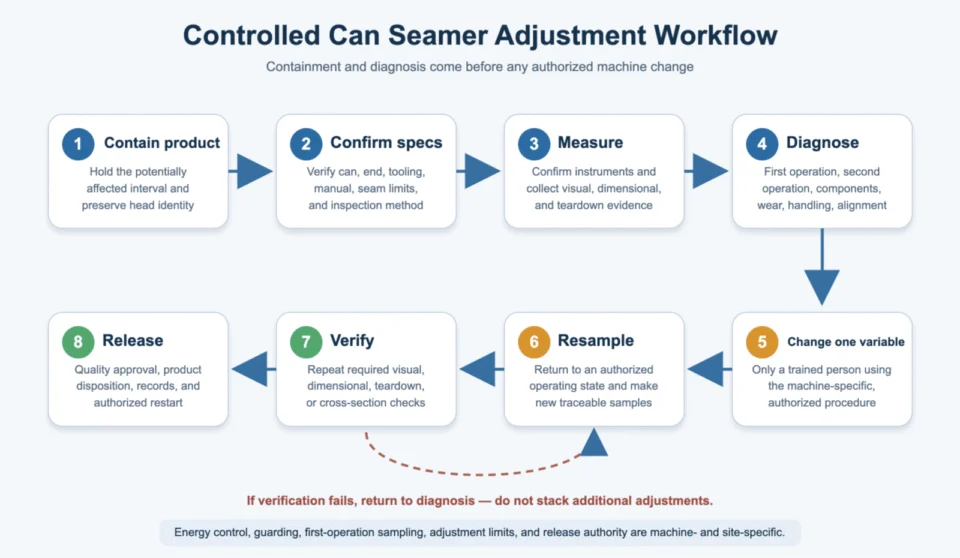
Containment and diagnosis come before an authorized machine change. If verification fails, return to diagnosis rather than stacking additional adjustments.
How Can Seaming Machines Improve Seam Consistency
A seamer contributes to consistency by keeping the can, end, tooling, and forming motions aligned and repeatable. Important engineering and operating factors include:
- Controlled can infeed, spacing, and transfer to reduce damaged flanges and unstable presentation.
- Reliable end feeding and end-presence control.
- Accurate centering between the can, end, chuck, and lifter.
- Correctly matched chucks and first- and second-operation rolls.
- Stable roll motion, lift condition, bearings, and drive components.
- Lubrication and cleaning provisions that protect moving parts and keep debris out of the seam area.
- Documented format-change parts, setup controls, and verification samples.
- Head- or station-level traceability that allows recurring variation to be isolated.
- Inspection, monitoring, alarm, or rejection interfaces where included in the selected configuration.
- Preventive maintenance based on actual tooling and component condition.
Machine capability alone does not guarantee seam quality. Mixed component specifications, delayed inspection, unrecorded adjustments, worn tooling, poor measurement practice, or inadequate maintenance can create variation on an otherwise capable seamer.
Manufacturers should trend seam results rather than waiting for a measurement to cross a limit. A gradual head-specific change may reveal wear or alignment drift before a major defect occurs. Trend limits and intervention rules must come from the validated process-control plan.
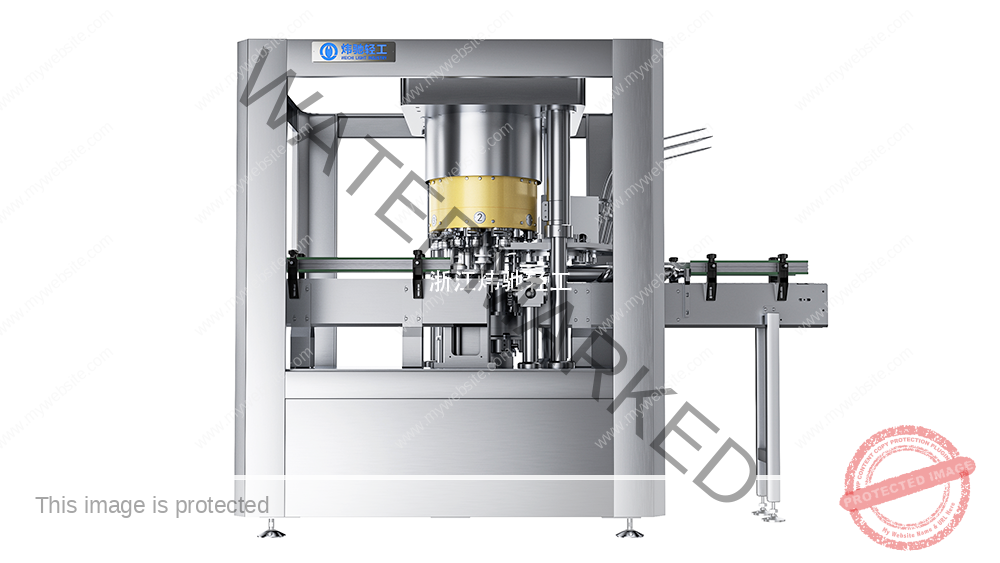
No monitoring function, control platform, repeatability figure, changeover time, output, or container compatibility should be attributed to a specific Weichi machine unless it is confirmed in the current controlled technical specification for that model.
Choosing the Right Can Seamer
The right can seamer is the machine configuration that can form acceptable seams for the actual package and integrate safely with the intended production line. Rated speed is only one selection factor.
Before requesting a proposal, prepare the following application data:
| Selection input | Why it is required | Verification document |
|---|---|---|
| Can-body and end drawings | Defines the flange, curl, dimensions, materials, and closure geometry. | Approved supplier drawings and seam specification. |
| Beverage and fill conditions | Identifies product handling, cleaning, package-pressure, and process requirements. | Product and process specification. |
| Required normal and peak output | Supports machine sizing and line balancing. | Approved capacity requirement. |
| Upstream and downstream interfaces | Defines filler, dosing, conveyor, inspection, reject, and control connections. | Line layout and interface specification. |
| Format range and changeover plan | Determines tooling, change parts, setup control, and verification needs. | Approved format matrix. |
| Utilities and factory conditions | Confirms electrical, air, lubrication, drainage, environment, space, and access requirements. | Site utility and layout data. |
| Seam-quality control plan | Defines measurements, sampling, records, acceptance limits, and reaction rules. | Approved quality plan. |
| Acceptance test | Defines how the machine will be judged with the buyer's cans, ends, and agreed conditions. | Factory and site acceptance protocol. |
Buyers should request sample seams and a documented acceptance method for the intended can/end combination. Evaluation should cover startup, normal operation, agreed speed conditions, planned changeover, inspection traceability, and the response to a simulated or observed abnormal condition. The approved acceptance protocol must define the test duration, sample plan, pass criteria, and product conditions.
For any Weichi recommendation, the current proposal and controlled technical data must confirm the exact machine model, seaming-station count, rated and validated output, container range, standard and optional features, safety configuration, utilities, materials, dimensions, service scope, and acceptance commitment.
FAQ
What causes double seam defects?
Common investigation areas include damaged or incompatible cans and ends, contamination, incorrect end placement, misalignment, unsuitable lift conditions, worn or mismatched chucks and rolls, incorrect first- or second-operation setup, transfer problems, and inconsistent measurement. Measure the observed condition before assigning a root cause.
How do manufacturers check double seam quality?
They use the approved combination of full-circumference visual inspection, external measurement, destructive teardown, cross-section or optical examination, and any required supplemental integrity test. The exact method and sampling plan depend on the package and quality system.
Which double seam measurements should be recorded?
The plan may include seam thickness, seam width or length, countersink, body hook, cover hook, overlap, tightness or wrinkle condition, pressure ridge, and external defects. Records should also identify the components, machine, head or station, operating condition, action, and recheck.
Why is the first operation so important?
The first operation creates the hook relationship and material distribution that the second operation must finish. Additional second-operation compression cannot reliably repair a malformed first-operation seam.
How should a can seamer be adjusted when a seam is out of specification?
First contain affected output, confirm the correct components, measure the defect, and determine whether the problem begins in component handling, the first operation, the second operation, or another mechanical condition. Qualified personnel should follow the machine manual, change one authorized variable at a time, and verify new samples before release.
How often should double seams be inspected?
Inspection frequency comes from the approved quality plan. Checks commonly relate to startup, routine production, material or format changes, tooling changes, maintenance, adjustments, and abnormal events. The plan must define the exact frequency and sample quantity.
Can one seamer run several can sizes?
Some seamers can be converted for multiple approved formats using the correct tooling, change parts, and controlled setup. Compatibility depends on the complete can and end specifications and machine design; nominal diameter alone is not enough.
Does a leak test replace teardown or cross-section analysis?
Not automatically. A leak or pressure test can provide supplemental evidence, but it may not reveal every geometric defect or its cause. Follow the combination of methods required by the validated control plan.
About Weichi
Zhejiang Weichi supplies can-filling and can-seaming equipment for beverage packaging projects. Because every application differs, any recommendation must be confirmed against current technical data for the actual container, end, product, output, line layout, utilities, safety configuration, and acceptance plan. For automatic-seamer selection, review the Automatic Can Seaming Machine information before preparing application data.
For a technical evaluation, provide the can and end drawings, approved seam specification, beverage and filling conditions, required output, line layout, utilities, inspection plan, and acceptance-test requirements. Contact Weichi through the official contact page to discuss the application.
Technical Basis and Project Evidence
Final equipment selection and acceptance must use the project product, can and end drawings, utility conditions, line interfaces, agreed test duration, and documented FAT/SAT criteria. Can and end supplier specifications remain authoritative for double-seam limits.
- U.S. FDA: Low-Acid Canned Food Manufacturers, Part 3 — Containers and Closures
- SAMR record: GB/T 30639-2014 — Sauce filling and seaming equipment
- SAMR record: GB/T 40360-2021 — Still-beverage can filling and seaming equipment
Review equipment families See project references Submit application data