
Key Takeaways
- Choosing a can filling route begins with the product, package and validation plan—not with a generic machine label. Gravity filling, counter-pressure (isobaric) filling and hot-fill processi…
- Before comparing filling methods, define the information that changes the process decision. A useful project brief normally includes:
- Without this brief, a method name can be misleading. A route that is appropriate for one product or package may require a different valve arrangement, process window, cleaning approach or va…
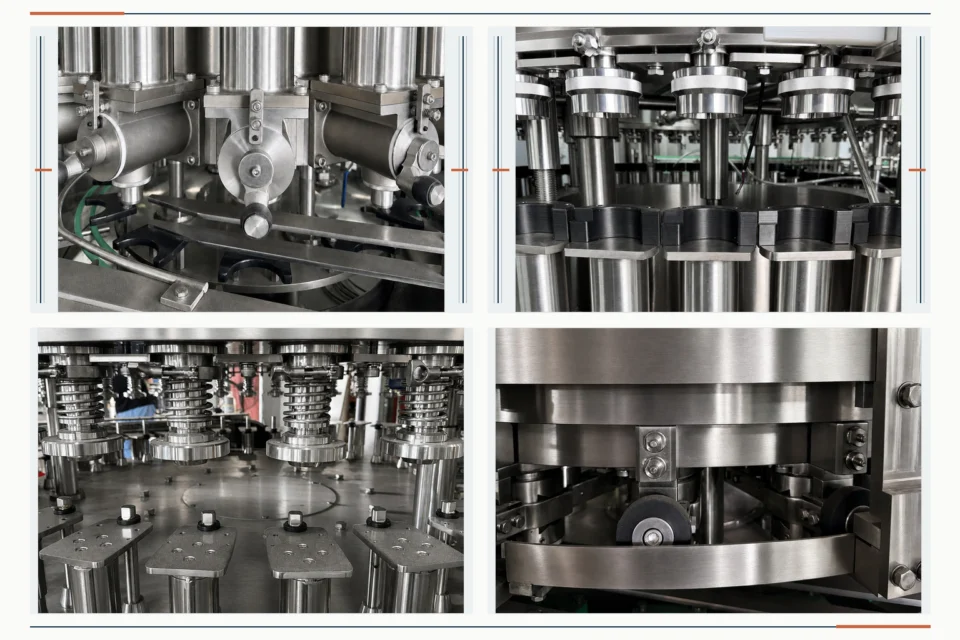
Choosing a can filling route begins with the product, package and validation plan—not with a generic machine label. Gravity filling, counter-pressure (isobaric) filling and hot-fill processing can each be relevant in canning projects, but they do not solve the same production problem. The correct route depends on the liquid, its process conditions, the can and end specification, the required output, and the controls that must be demonstrated before release.
This guide is a practical starting point for comparing the three routes. It is not a substitute for product trials, process validation or an application-specific equipment proposal.
Start with the product and package brief
Before comparing filling methods, define the information that changes the process decision. A useful project brief normally includes:
- the product type and any relevant characteristics, such as carbonation condition, viscosity, suspended solids, fill temperature and sensitivity to handling;
- the can material, diameter, height, end type and target fill volume;
- the required output, shift pattern and expected future capacity;
- the upstream and downstream equipment that must work with the filler-seamer; and
- the acceptance criteria for filling, seaming, hygiene, utilities and line performance.
Without this brief, a method name can be misleading. A route that is appropriate for one product or package may require a different valve arrangement, process window, cleaning approach or validation plan for another.
How the three routes differ
| Route | Typical selection question | What must be confirmed |
|---|---|---|
| Gravity filling | Is the product a compatible still liquid that can be filled under a gravity-led process? | Product properties, fill temperature, fill-volume control, can/end format and hygiene requirements. |
| Counter-pressure / isobaric filling | Does the product require a pressurised filling environment, such as a carbonated beverage? | Carbonation condition, product temperature, gas handling, foam behaviour, can/end format and output. |
| Hot-fill processing | Is a defined thermal process part of the product's validated production route? | Target process conditions, product suitability, package suitability, cooling/handling steps and documented validation. |
1. Gravity filling for compatible still products
Gravity filling is commonly considered for compatible non-carbonated products. The key question is not simply whether a liquid appears still. The production team must confirm how the product behaves at the intended filling temperature, how fill volume is controlled, what hygiene controls are needed, and whether the selected can and end are suitable for the process.
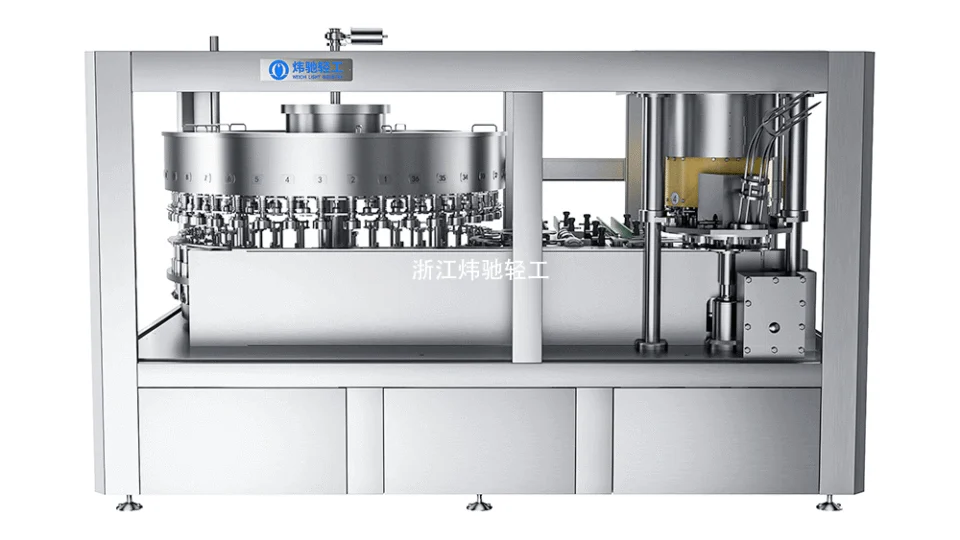
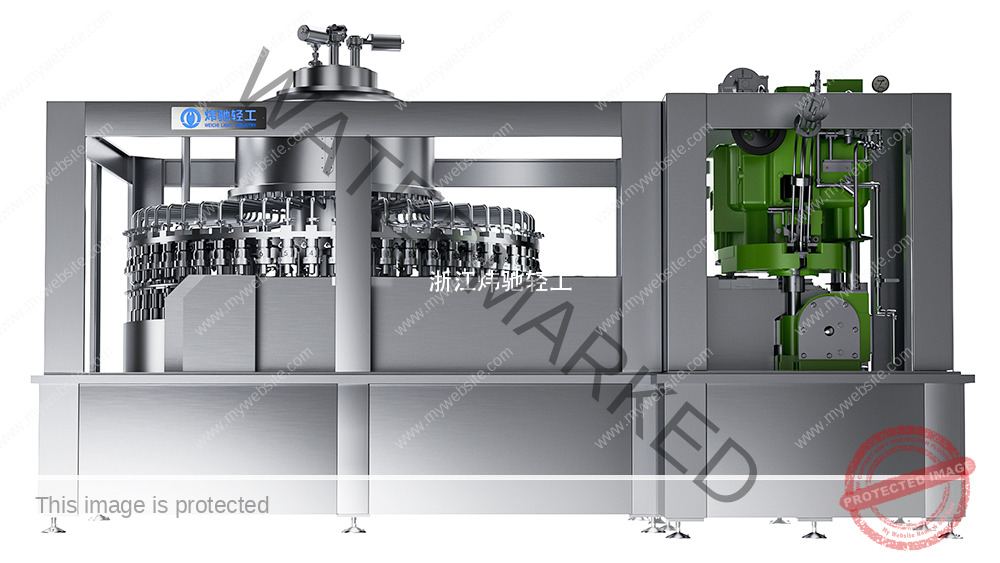
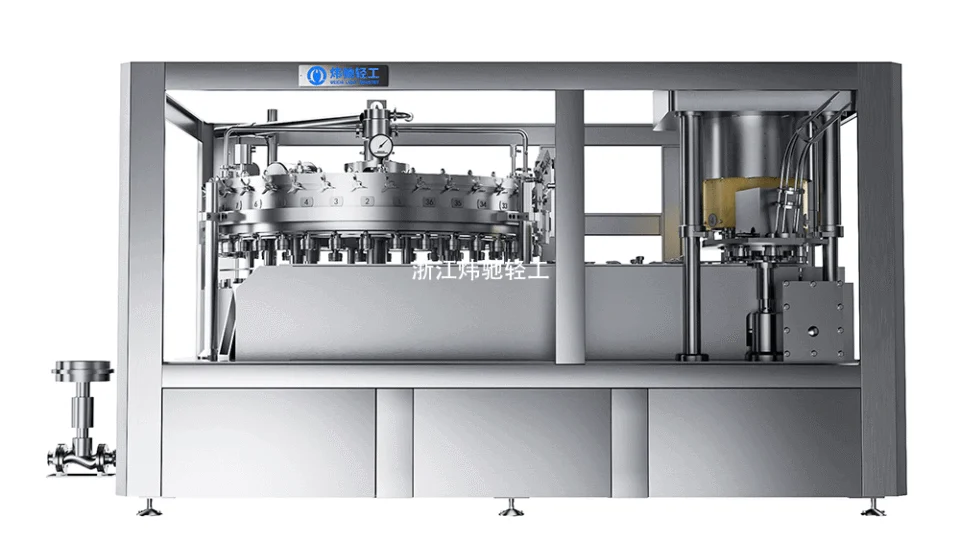
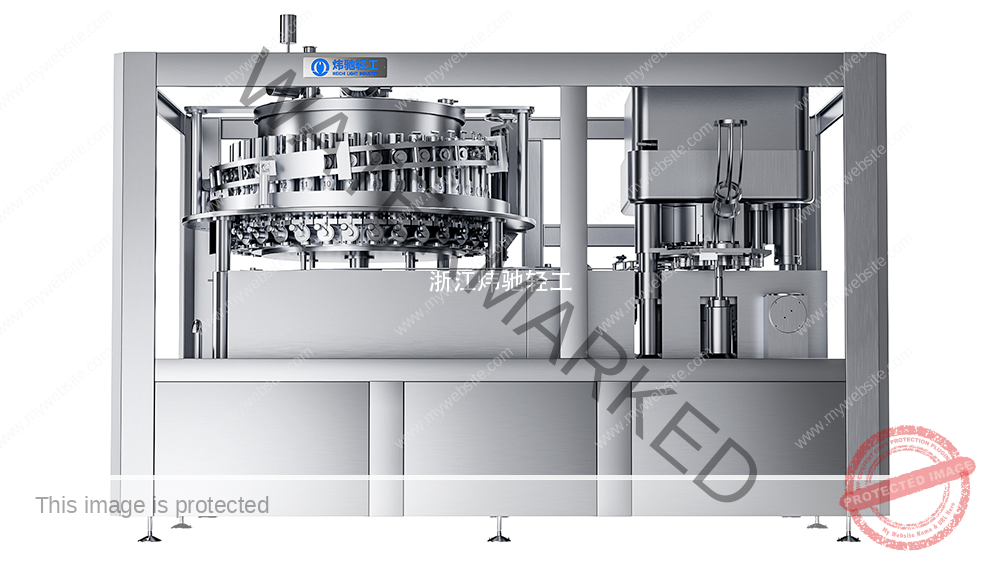
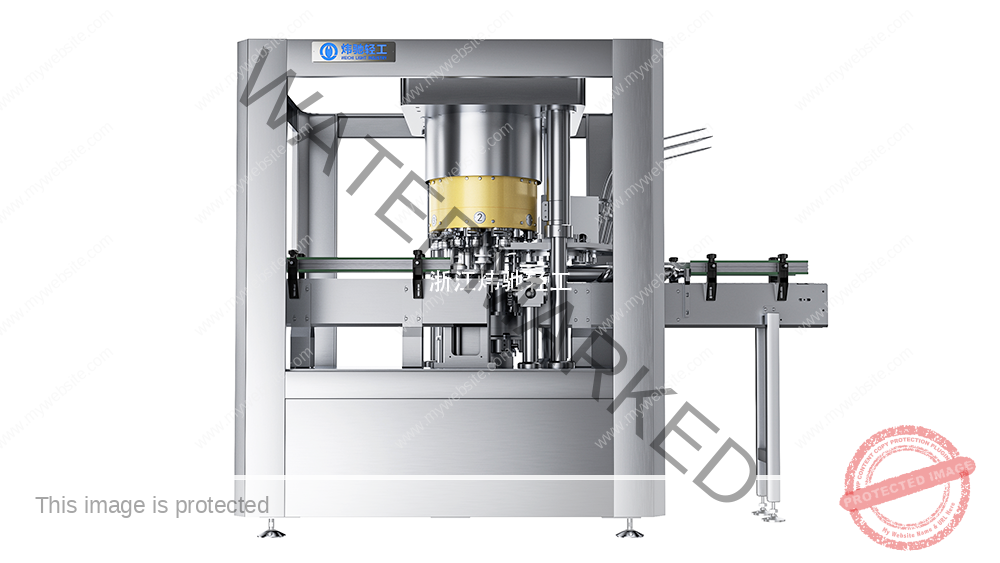
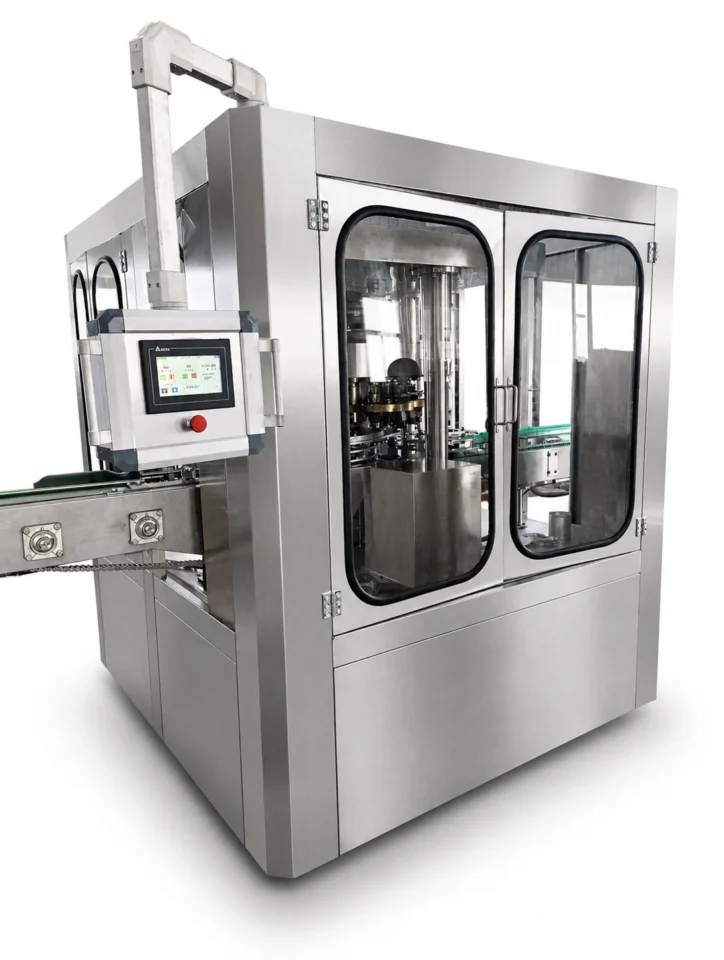
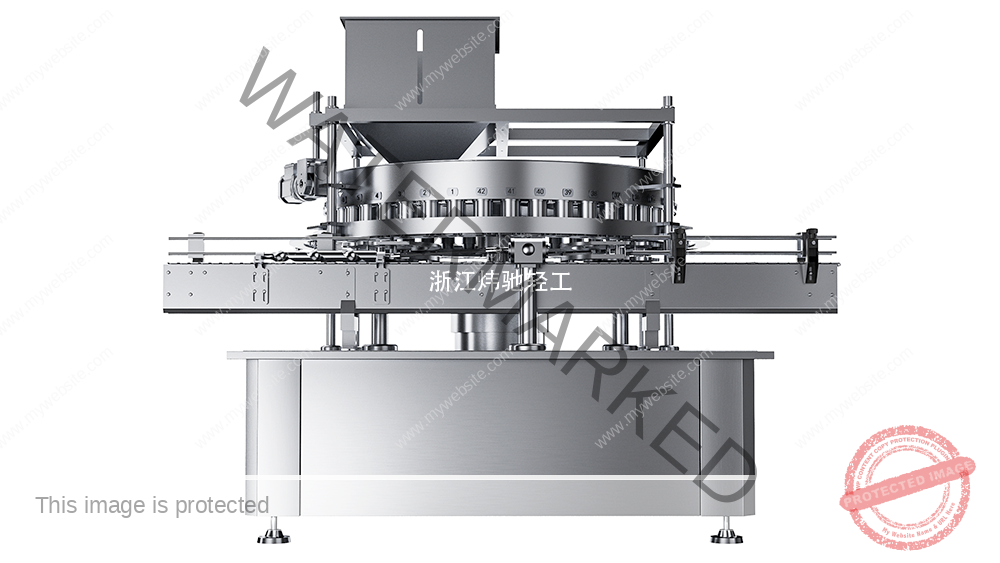
For a starting reference, Zhejiang Weichi's non-carbonated beverage can filling and seaming monoblock page identifies compatible non-carbonated beverages in metal cans and asks buyers to confirm product properties, fill volume, can/end format and required capacity. Products with unusual viscosity, particulates, sauces or pastes require a separate application review rather than an assumption that a standard still-beverage route applies.
2. Counter-pressure (isobaric) filling for carbonated products
Counter-pressure, often called isobaric filling, is relevant when the product and process call for controlled pressure during filling. In beer and carbonated soft-drink projects, the selection discussion normally needs to address the carbonation condition, product temperature, foam behaviour, gas management, can/end format and the intended throughput.
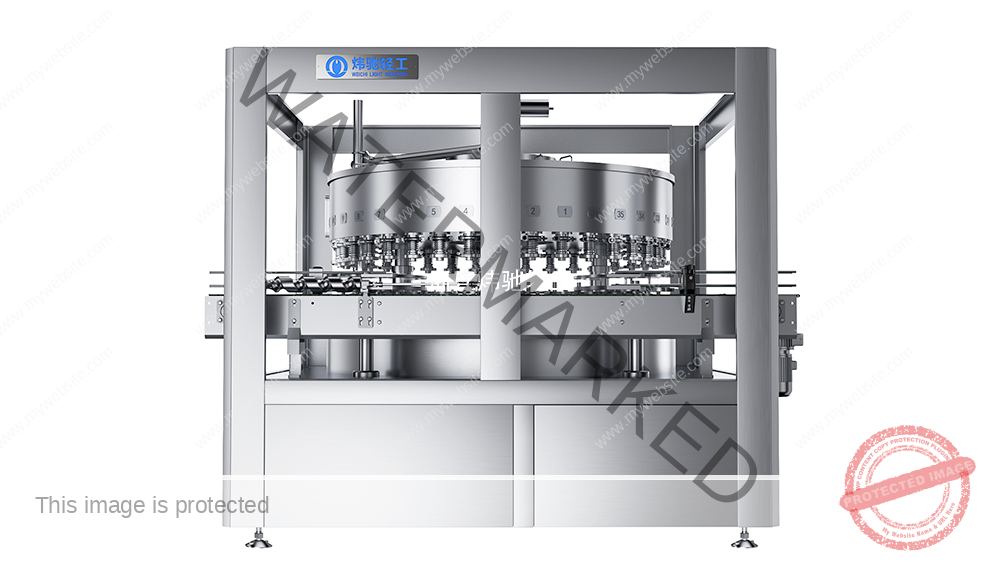
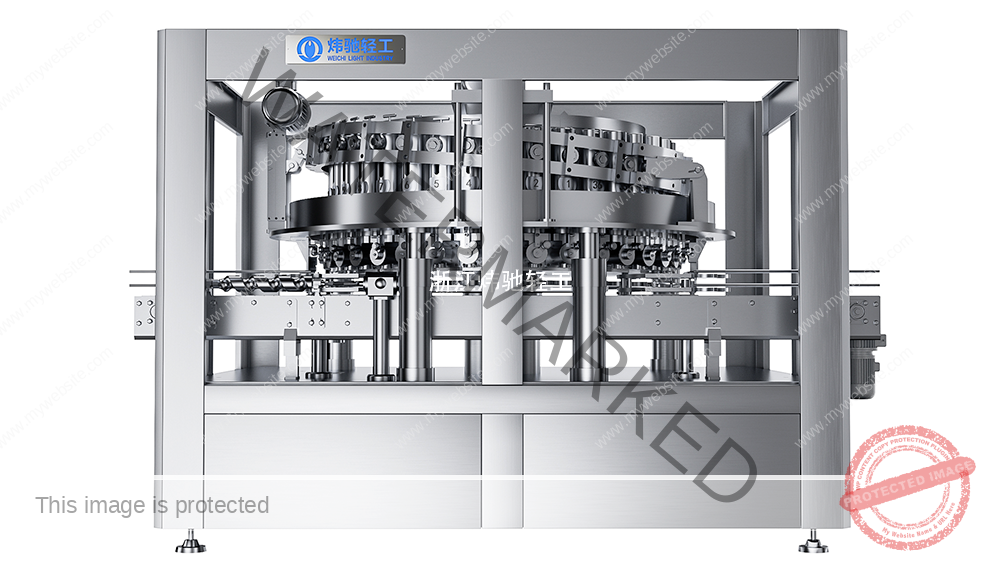
These points affect both filling and downstream seaming. A target rate alone does not demonstrate that the complete route is suitable: the product conditions, package format and acceptance criteria still need to be agreed and tested. For product-family context, see the carbonated and beer can filling and seaming monoblock page. For a deeper look at filling-seaming integration, read Selecting and Validating a Can Filling and Seaming Monoblock.
3. Hot-fill processing requires a validated thermal route
Hot fill is not simply a higher-temperature version of gravity filling. It is a process decision that must be defined around the product, the package, the target temperature and holding conditions, cooling and downstream handling. The production route must be validated for the specific product and market requirements before equipment is selected or a performance claim is made.
For that reason, this article does not represent a specific Zhejiang Weichi hot-fill or aseptic configuration. If a project may require hot fill, the project team should provide the product process specification and packaging requirements so that the process route can be reviewed before a machine configuration is proposed.
Filling route and seam quality must be assessed together
A canning line is not complete when the product enters the can. The filled can must be correctly handled, lidded and seamed, and the seam must be checked against the project's requirements. Product conditions can affect the overall production window, while the can and end format influence seaming setup and inspection.
Use the related technical resources to keep that handoff visible:
- How Does a Can Seamer Work?
- Why Double Seam Quality Is Critical for Beverage Cans
- Double Seam Adjustment Guide for Can Seaming Machines
A practical selection checklist
Before requesting a line recommendation, prepare the following items for technical review:
- Representative product information and the intended process conditions.
- Can-body and end drawings or samples, plus the target fill volume.
- Required output and operating schedule, including expected future needs.
- Upstream and downstream equipment, available utilities and proposed line layout.
- Acceptance criteria for filling, seaming, hygiene and commissioning.
- A plan for factory acceptance testing (FAT), site acceptance testing (SAT) and product-specific validation where applicable.
The right question is therefore not “Which filling method is best?” It is “Which route is technically appropriate for this product, can format and validated operating condition?” Starting from that question helps prevent an unsuitable generic configuration from being treated as a confirmed solution.
For an application discussion, provide the product description, carbonation condition where relevant, fill temperature, can and end information, required output, utilities and proposed line layout. Zhejiang Weichi can then review the request against its current can filling and seaming product scope.
Technical Basis and Project Evidence
Final equipment selection and acceptance must use the project product, can and end drawings, utility conditions, line interfaces, agreed test duration, and documented FAT/SAT criteria. Can and end supplier specifications remain authoritative for double-seam limits.
- U.S. FDA: Low-Acid Canned Food Manufacturers, Part 3 — Containers and Closures
- SAMR record: GB/T 30639-2014 — Sauce filling and seaming equipment
- SAMR record: GB/T 40360-2021 — Still-beverage can filling and seaming equipment
Review equipment families See project references Submit application data