


Key Takeaways
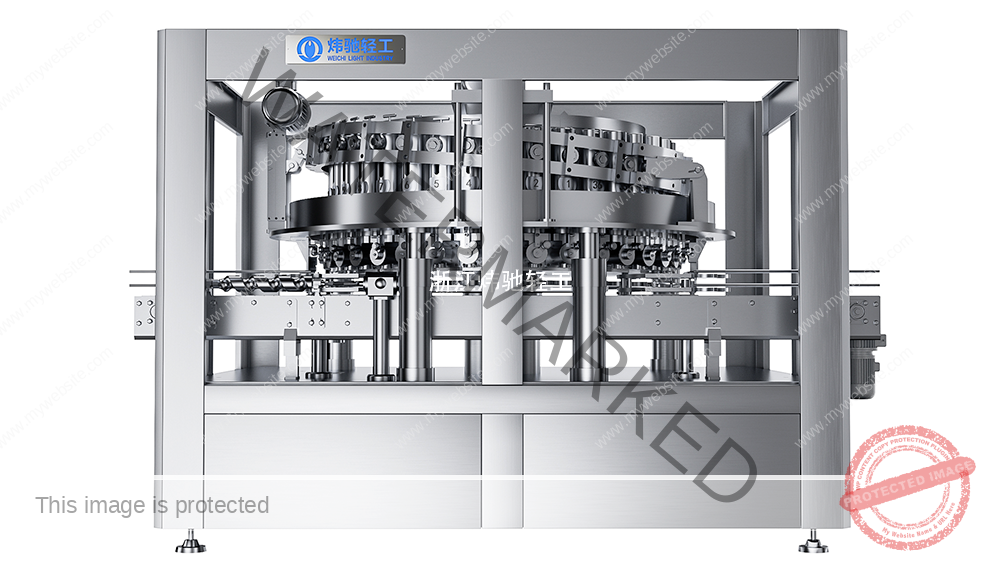
- A can filling and seaming monoblock combines the filling section and the seaming section in one synchronized machine. Cans move through a controlled path from infeed to filling, lid placemen…
- There is no universal monoblock configuration for every beverage or liquid food. The filling method, product-contact design, cleaning system, seam tooling, and control strategy must be selec…
- Before selecting a machine, define the actual product and package range. Relevant information includes:
What a Filling and Seaming Monoblock Does
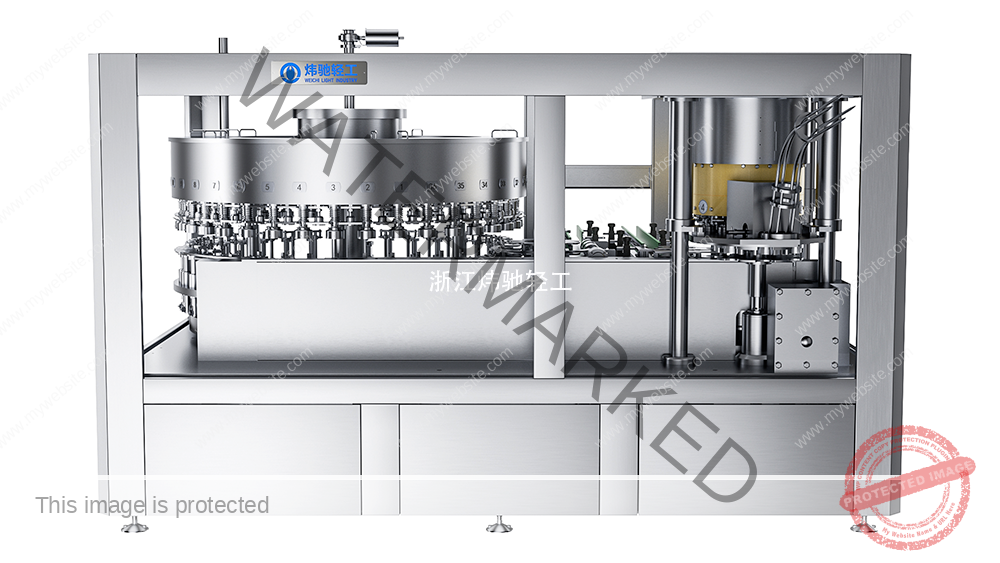
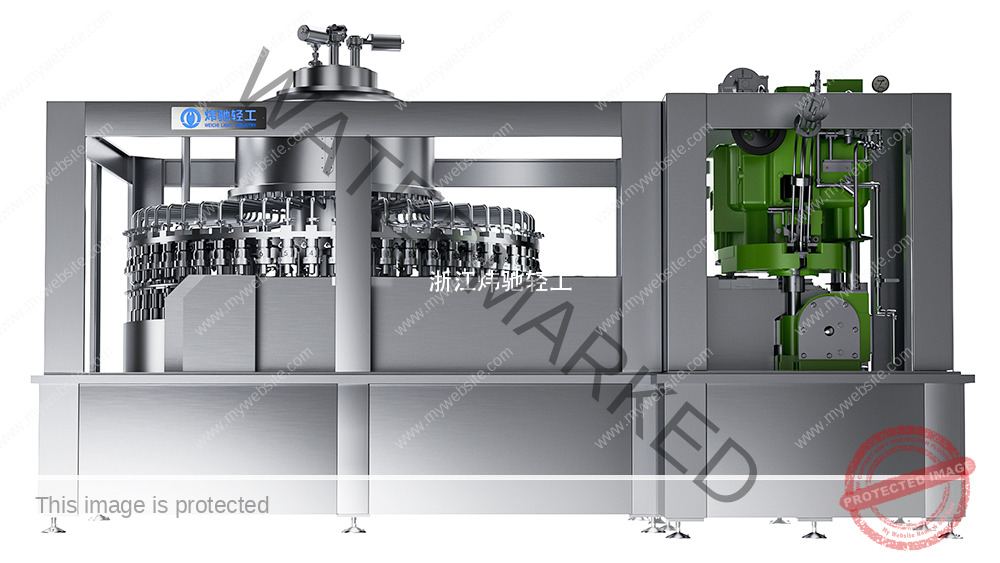
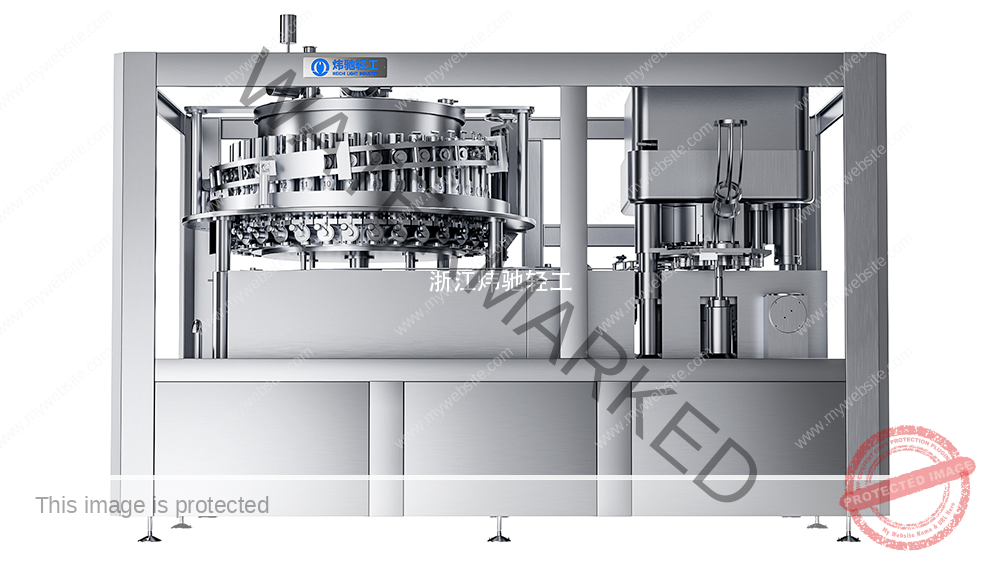
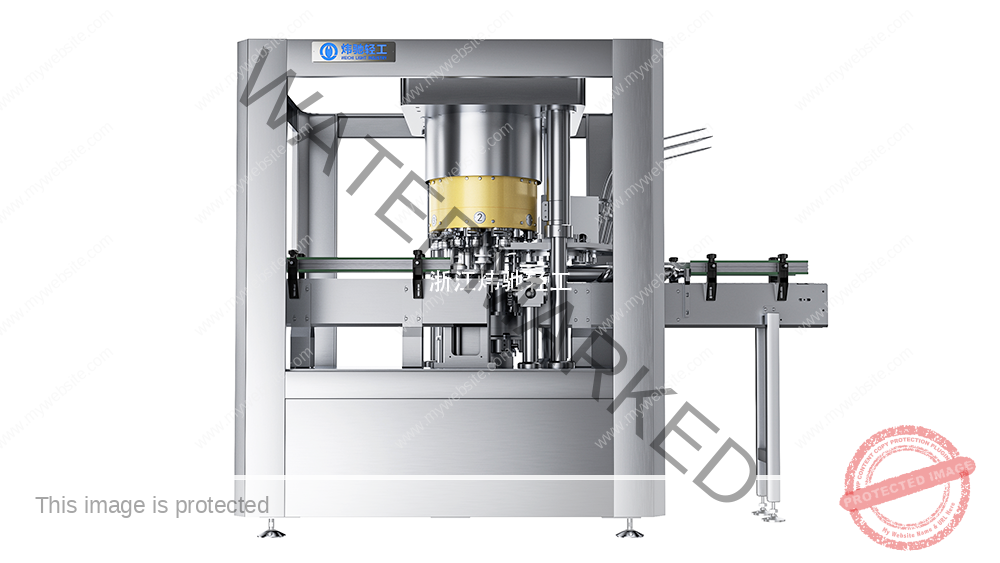
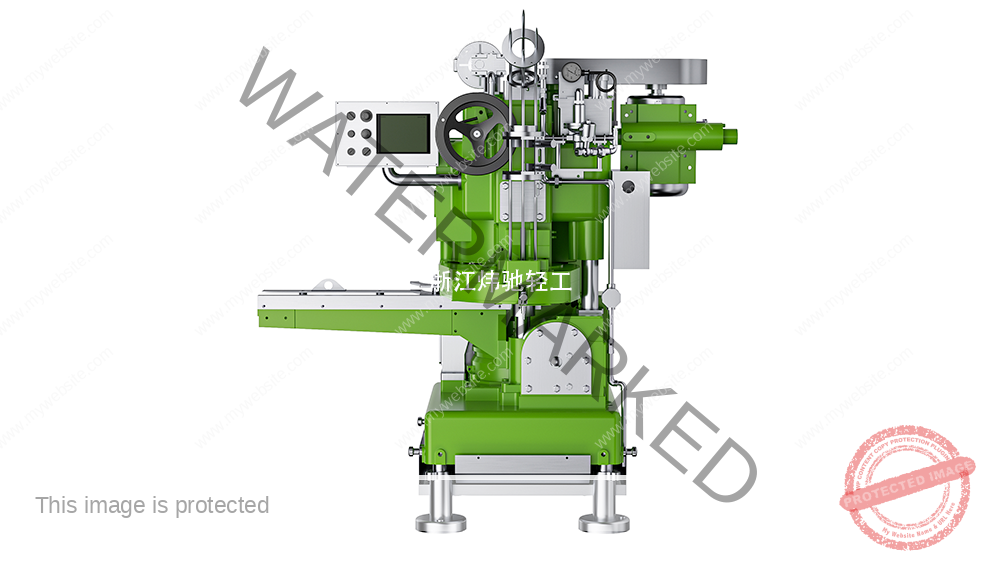
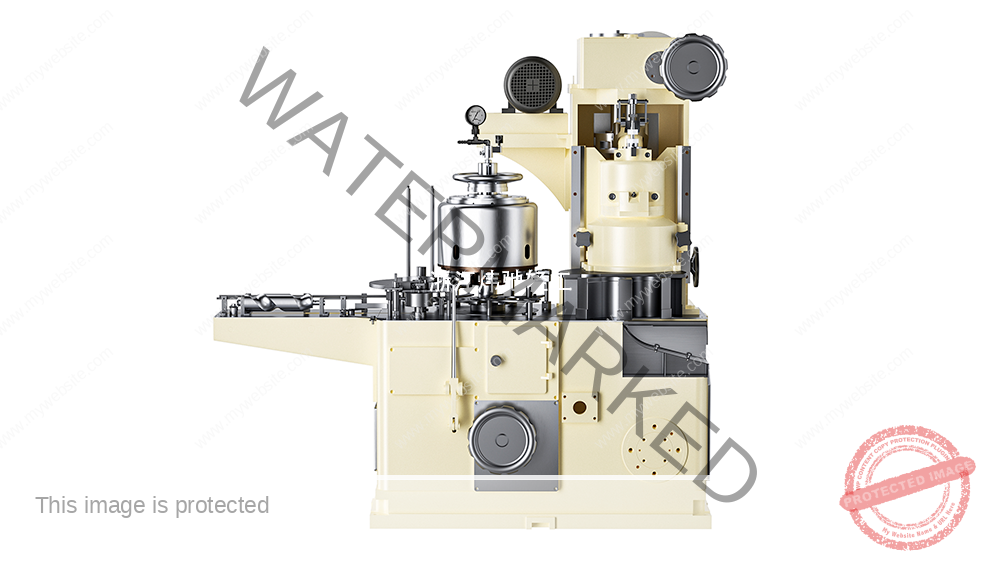
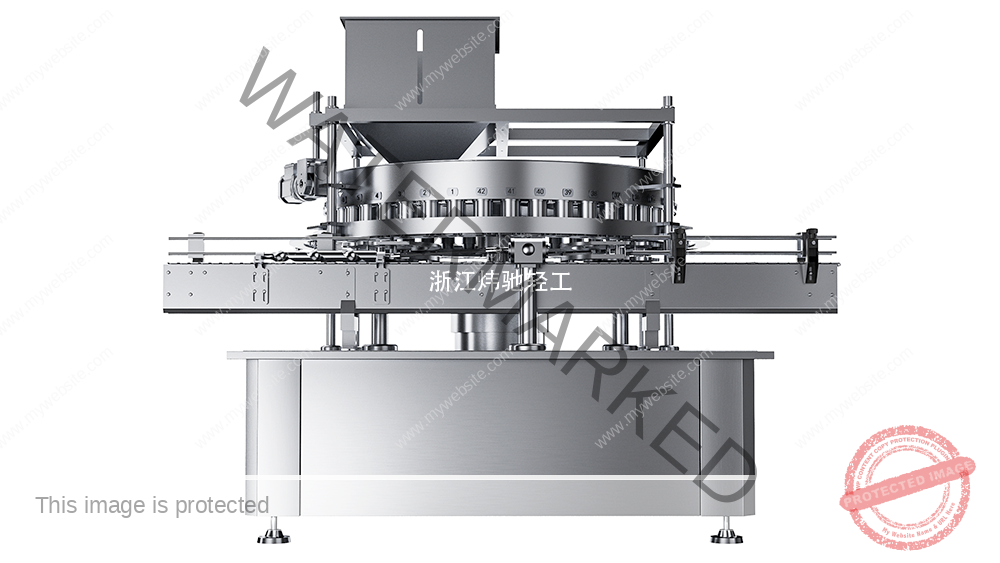
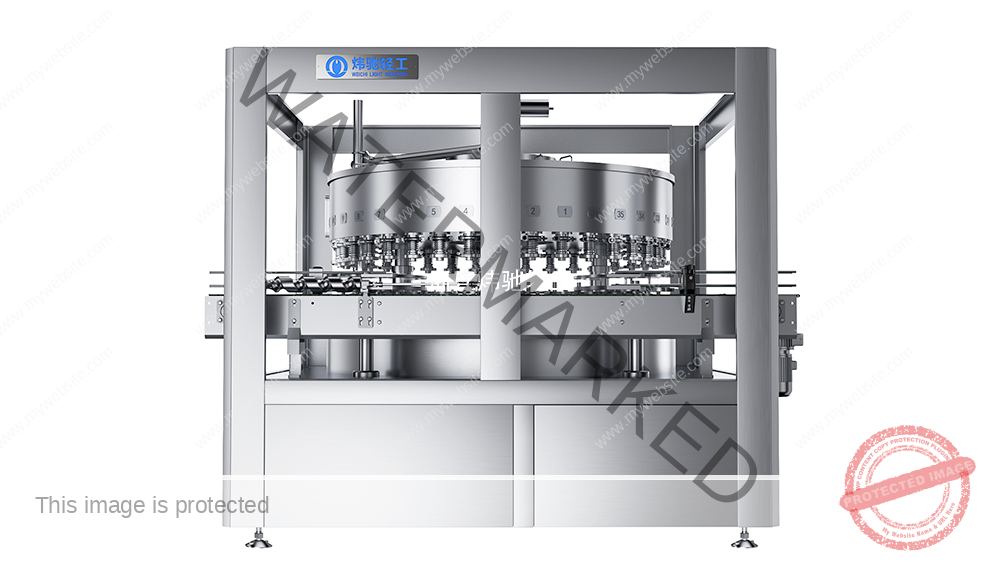
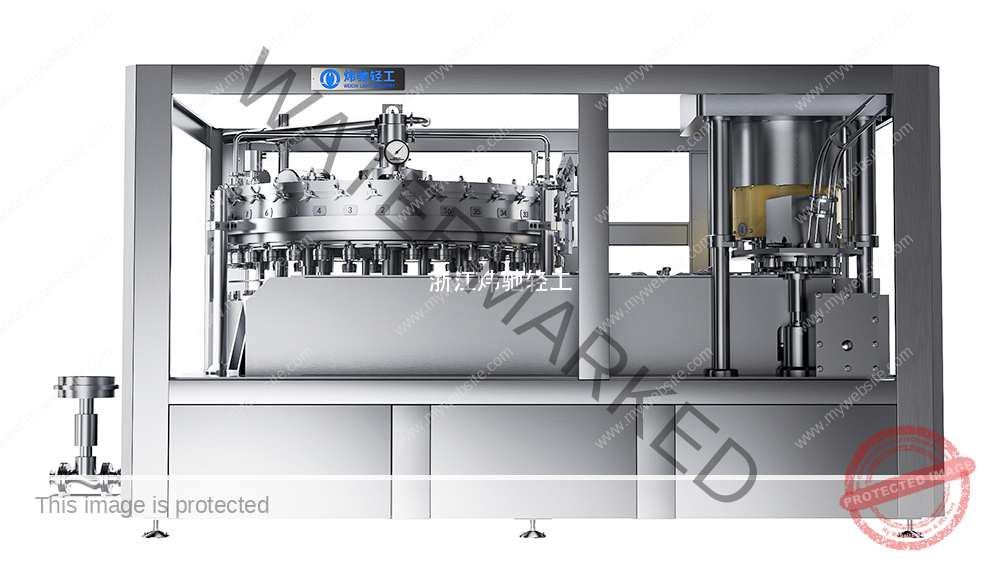
A can filling and seaming monoblock combines the filling section and the seaming section in one synchronized machine. Cans move through a controlled path from infeed to filling, lid placement, seaming, and discharge. This arrangement can reduce transfers between separate machines and simplify line coordination, but the result still depends on the product, container, end, utilities, and surrounding equipment.
There is no universal monoblock configuration for every beverage or liquid food. The filling method, product-contact design, cleaning system, seam tooling, and control strategy must be selected for the intended application.
Product and Package Compatibility
Before selecting a machine, define the actual product and package range. Relevant information includes:
- Product type, viscosity, temperature, carbonation, foaming behavior, and hygiene requirements
- Can body material, diameter, height, internal coating, and dimensional tolerances
- End specification, compound condition, and approved double-seam limits
- Required filling method, headspace control, gas handling, and cleaning procedure
- Expected product changes and package changeovers
Beer and carbonated beverages normally require pressure and gas-management controls that are different from those used for still beverages. Products with particles, pulp, or higher viscosity may require a different valve and product-path design. Compatibility should be confirmed with representative samples rather than inferred from a general machine description.
Selecting a Monoblock for Beer and Carbonated Beverages
For beer and carbonated beverages, select the filling process and the can-and-end combination before choosing a machine by headline speed. The proposed configuration should connect the beverage conditions, filling-valve choice, seam tooling and acceptance method in one written specification.
Weichi's carbonated beverage and beer can filler-seamer product page describes counter-pressure filling, lid placement and double seaming for aluminum or tinplate cans. Its model table distinguishes A-type beer filling valves from B-type carbonated-beverage filling valves. This distinction is an initial selection input; the actual beverage, carbonation, temperature and packaging samples still require application review.
Turn the application into a configuration decision
| Selection input | What to confirm in the proposal | Evidence needed before acceptance |
|---|---|---|
| Beverage, carbonation and filling temperature | Filling-valve selection, product supply and pressure-control conditions for the intended drink | Representative beverage test with recorded temperature and carbonation conditions; agreed fill and foam observations |
| Can body and end | Can material, dimensions, tolerances, end specification and matching seaming tooling | Approved drawings and samples; finished-seam inspection against the can and end suppliers' limits |
| Required saleable output | Capacity for the selected product and package, including the agreed treatment of rejects and stoppages | A sustained run with defined duration, sampling, downtime and good-output records |
| Product or package changeovers | Change parts, guides, valve settings, seam tooling and cleaning steps affected by each change | Demonstration using the agreed formats, followed by filling and seam checks |
| Cleaning and construction | Product-contact materials and the exact cleaning arrangement included in the quotation | Configuration documents and a project-specific cleaning verification plan |
| Upstream and downstream interfaces | Product supply, utilities, infeed, discharge, controls and each supplier's responsibility | Interface drawings and agreed factory or site tests |
Separate listed options from the accepted machine configuration
The product page lists optional filling-valve CIP, stainless-steel construction choices and motorized can-height adjustment. Record which options are included in the actual quotation and what each covers. An optional CIP arrangement does not establish a validated cleaning procedure for every beverage; motorized height adjustment does not establish compatibility with every can or remove the need to check guides and seaming tooling.
For the wider test plan, use the FAT and SAT checklist. For production scheduling and bottlenecks, use the capacity planning guide. These checks support selection of the monoblock and its interfaces; any additional line equipment and integration responsibility should be stated separately in the supply scope.
To request a configuration review, provide the beverage and carbonation conditions, intended filling temperature, can-and-end drawings or samples, saleable-output target, changeover requirements and available utilities. Submit these application details to Weichi so the proposed machine and acceptance conditions can be reviewed together.
Filling Process Considerations
Filling performance should be evaluated against the product specification, not a single headline speed. Important checks may include fill mass or level, product loss, foaming, temperature, dissolved oxygen, carbonation retention, and container cleanliness, depending on the application.
The product supply system, tank conditions, valve design, return paths, and cleaning program all influence repeatability. A stable result on water does not by itself demonstrate performance with the production product.
Double-Seam Control
The seaming section must be set for the approved can-and-end combination. Tooling condition, lifter pressure, chuck condition, roll profile, end feeding, and container handling can all affect the finished seam.
Finished cans should be checked using the inspection method and acceptance limits supplied or approved by the can and end manufacturers. Visual appearance alone is not enough. A documented inspection plan may include external measurements, seam teardown or cross-section analysis, overlap and tightness assessment, and leak testing where required by the quality plan.
Line Integration and Controls
A monoblock must operate as part of the complete packaging line. Confirm the infeed and discharge interfaces, accumulation strategy, conveyor control, product supply, cleaning connections, utilities, coding and inspection equipment, and communication with upstream and downstream machines.
Control features should be reviewed in the context of the operator's procedures. Recipe management, alarms, interlocks, trend data, and maintenance access are useful only when they match the plant's training, quality, and maintenance systems.
How to Evaluate Required Capacity
Base capacity planning on saleable output and the intended production schedule. Consider product and package changes, planned cleaning, routine inspection, maintenance, upstream and downstream constraints, and the acceptable reject rate. Nameplate speed alone does not describe sustained line performance.
Ask the supplier to state the assumptions behind any quoted capacity and to identify which product, can, end, utilities, and operating conditions were used.
Testing Conditions and Acceptance
Performance claims should be verified under documented conditions agreed by the buyer and supplier. Factory acceptance testing and site acceptance testing should use, where practical, the actual or representative product, cans, ends, change parts, and utilities.
The test record should identify:
- Product formulation and temperature
- Can and end specifications and incoming quality
- Machine configuration, tooling, and software or recipe version
- Line speed and test duration
- Utility pressure, quality, and temperature
- Fill, seam, leakage, reject, hygiene, and downtime criteria relevant to the project
- Sampling method, measuring equipment, and acceptance limits
Results obtained with a different liquid, package, line layout, or utility condition should not be treated as guaranteed production results for another project.
Safety Statement
This article provides general selection and validation guidance. It is not a substitute for the machine manual, a site-specific risk assessment, the can and end suppliers' specifications, or applicable food-safety and machinery-safety requirements. Installation, adjustment, cleaning, and maintenance must be carried out by trained personnel using the required guarding, interlocks, isolation, and lockout procedures. Do not change filling or seaming settings while hazardous motion or stored energy is present.
Questions to Resolve Before Purchase
- Has the proposed machine been evaluated with the intended product, can, and end?
- Which results are guaranteed, and under what documented conditions?
- How will seam quality and filling performance be measured during acceptance?
- What change parts, tooling, utilities, cleaning steps, and operator skills are required?
- How will the machine integrate with the rest of the line?
- Which spare parts, maintenance tasks, training, and technical documentation are included?
A useful supplier proposal should answer these questions with project-specific information and a clear acceptance plan. For a Weichi application review, provide representative product information, can and end drawings, the target production schedule, and the proposed line layout.
Technical Basis and Project Evidence
Final equipment selection and acceptance must use the project product, can and end drawings, utility conditions, line interfaces, agreed test duration, and documented FAT/SAT criteria. Can and end supplier specifications remain authoritative for double-seam limits.
- U.S. FDA: Low-Acid Canned Food Manufacturers, Part 3 — Containers and Closures
- SAMR record: GB/T 30639-2014 — Sauce filling and seaming equipment
- SAMR record: GB/T 40360-2021 — Still-beverage can filling and seaming equipment
Review equipment families See project references Submit application data