
Key Takeaways
- To estimate a can seamer's total cost of ownership, define the equipment and study period, count initial and later costs once, and divide the net total by accepted cans produced over that sa…
- This guide provides a machine-cost worksheet and an invented arithmetic example. It reports no Weichi purchase price, measured running cost, tool life, savings or payback period. A three-yea…
- Record the machine model and configuration, can/end formats, products, shifts, study start and end dates, currency and price basis. Distinguish an estimate from an actual-cost report. Use on…

To estimate a can seamer's total cost of ownership, define the equipment and study period, count initial and later costs once, and divide the net total by accepted cans produced over that same period. The purchase price alone cannot answer the operating-cost question. A rated speed multiplied by calendar hours cannot establish the output denominator.
This guide provides a machine-cost worksheet and an invented arithmetic example. It reports no Weichi purchase price, measured running cost, tool life, savings or payback period. A three-year study period, for example, is a comparison horizon, not a claim that the machine lasts three years.

1. Fix the boundary before collecting prices
Record the machine model and configuration, can/end formats, products, shifts, study start and end dates, currency and price basis. Distinguish an estimate from an actual-cost report. Use one agreed treatment of inflation, taxes, freight and exchange rates across alternatives; show exclusions beside the result.
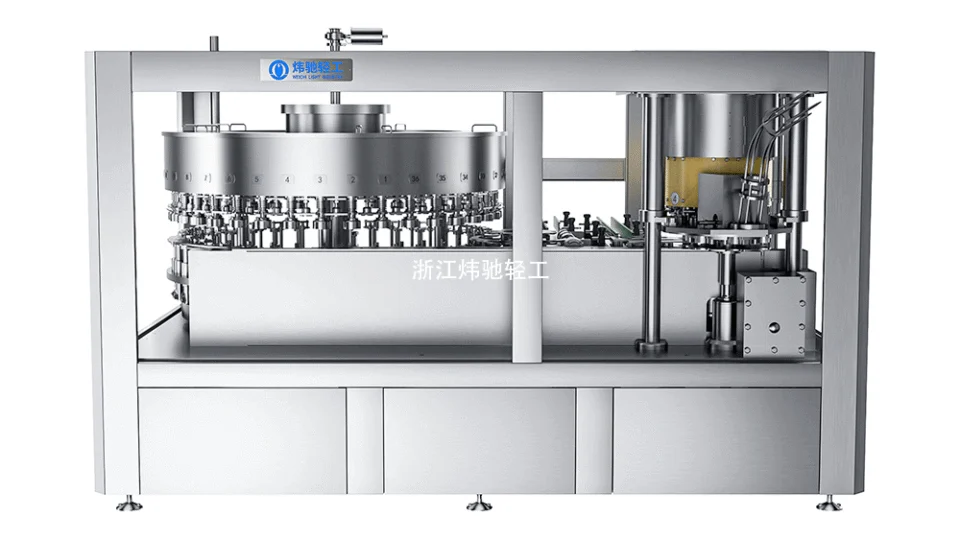
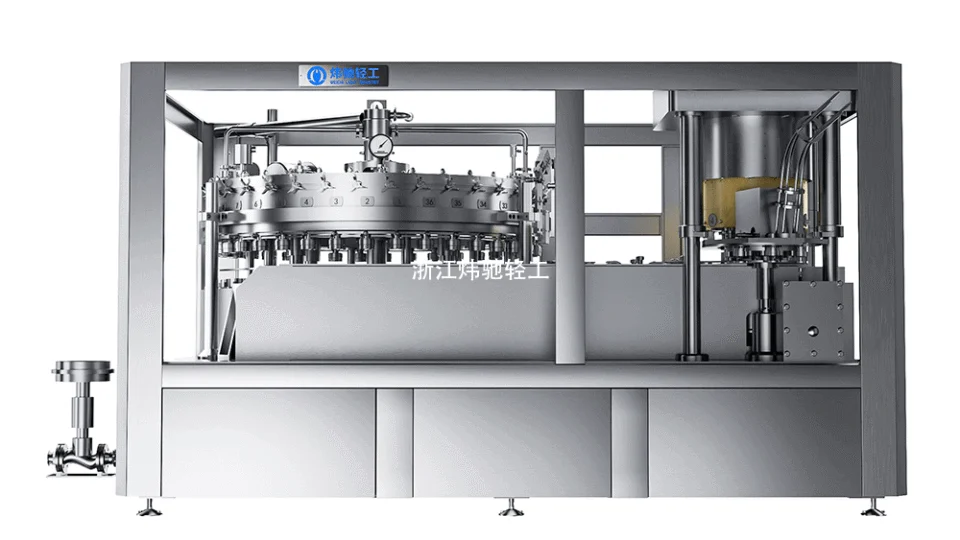
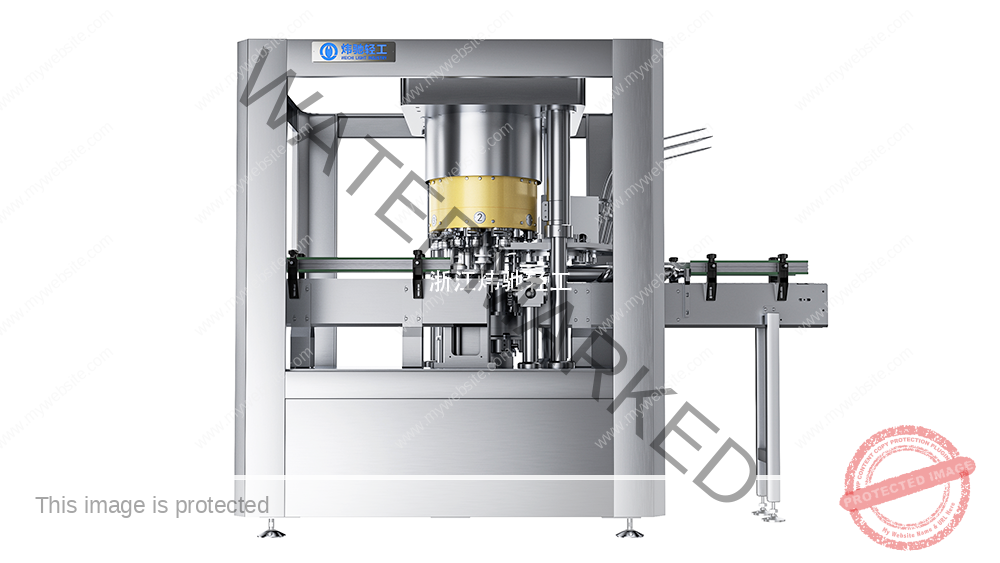
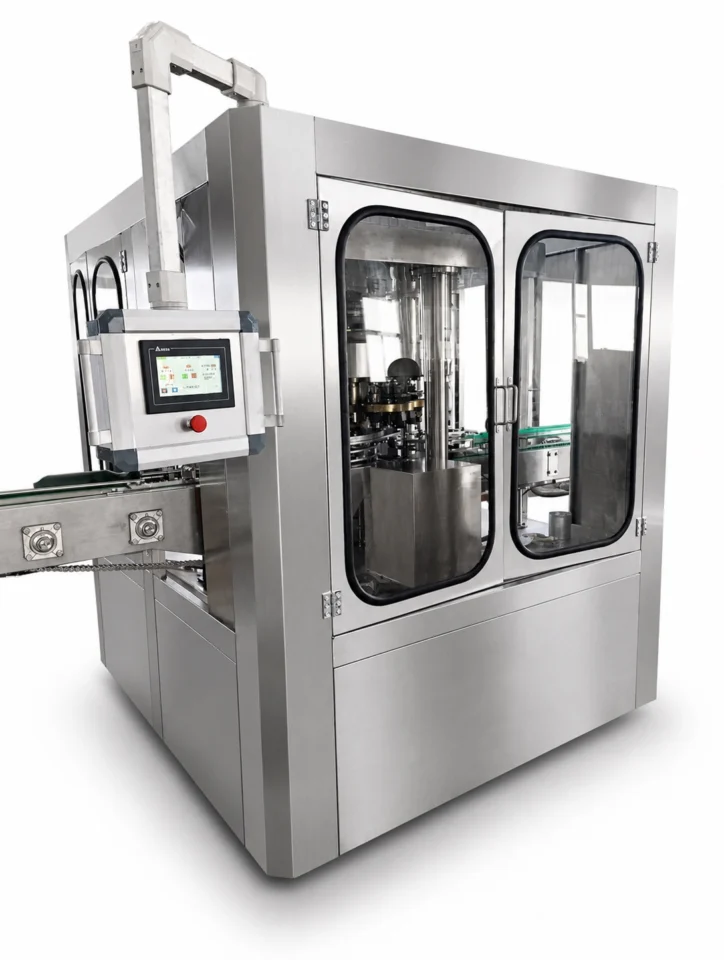
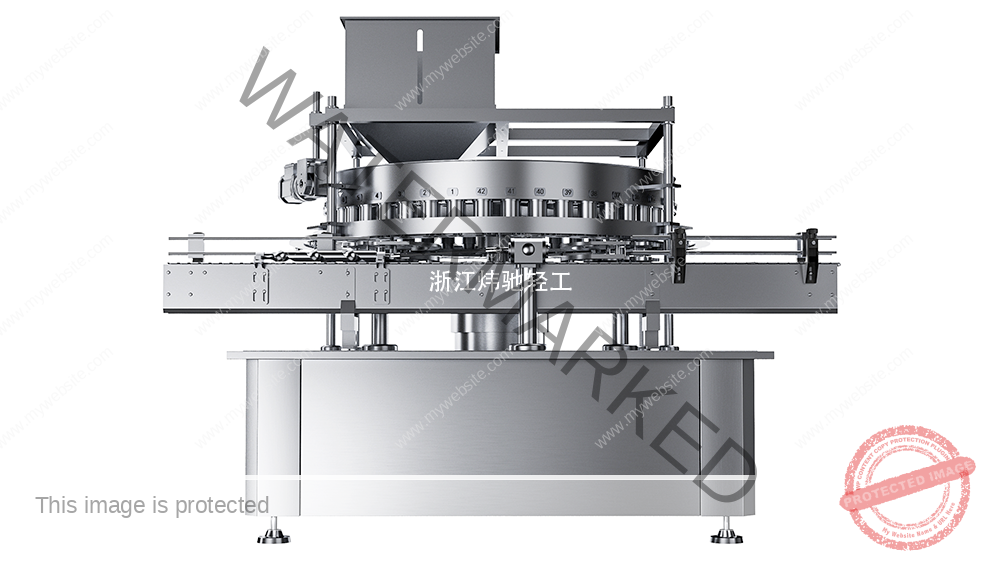
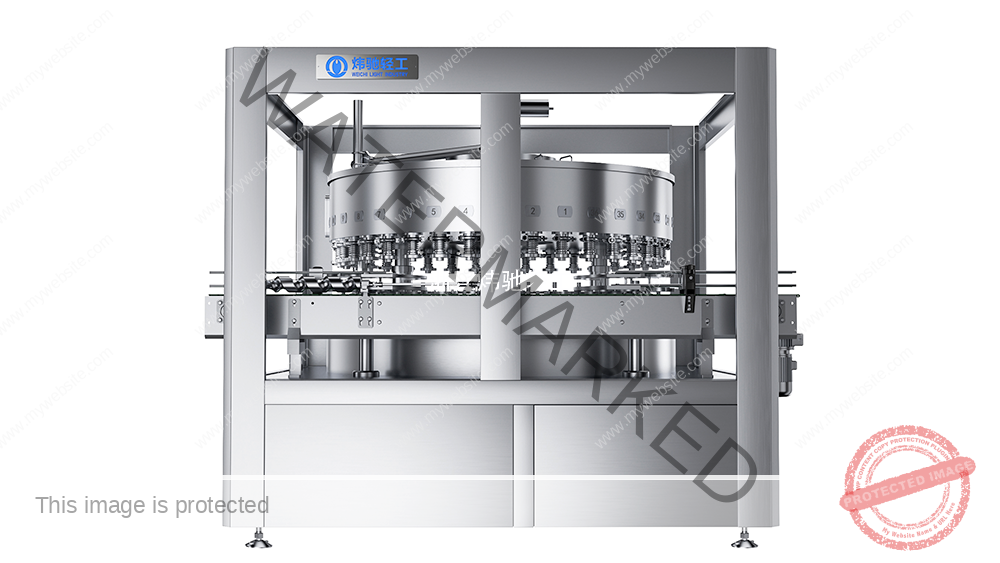
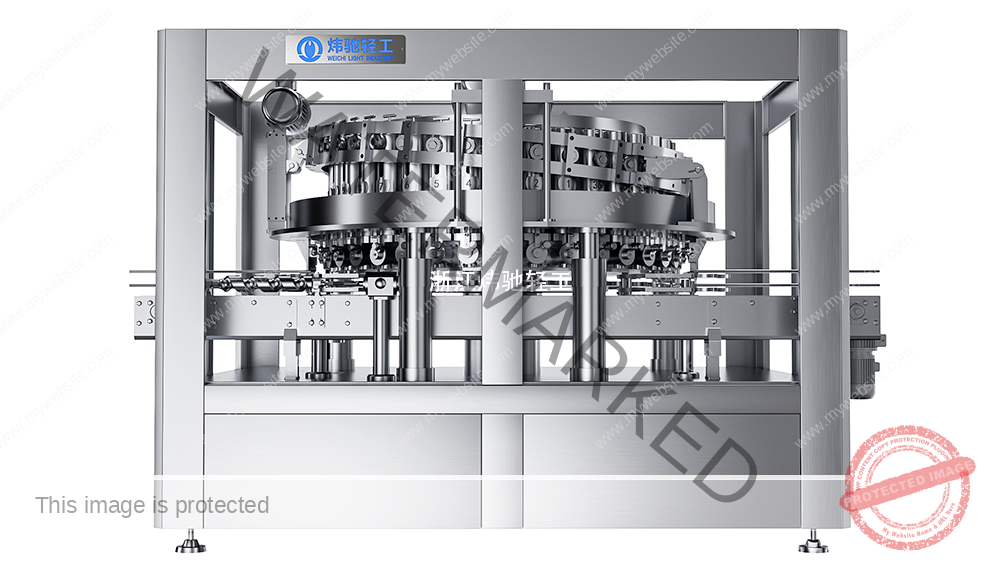
The public Weichi automatic can seamer page describes standalone seaming equipment. Its cost boundary differs from a filler-seamer monoblock or a complete line with downstream inspection. Name the auxiliary equipment and shared services included in your model. For the initial supply scope, use the separate machine-price and quotation-scope guide.
2. Build a ledger that counts each cost once
| Cost block | Evidence to collect | Double-counting check |
|---|---|---|
| Initial investment | Machine, first tooling sets, freight, site work, installation and agreed training; signed scope and invoices | Do not add a bundled item again as a separate purchase. |
| Later tooling and parts | Format additions, replacement chucks/rolls and other parts; quantities, dates, landed prices and replacement records | Separate initial sets from later purchases; record stock remaining at the end. |
| Consumables and utilities | Lubricants, cleaning supplies and measured electricity, air, water or other relevant services at documented rates | Allocate shared services consistently; do not count compressor power twice. |
| Labor and external service | Operating, changeover, cleaning and maintenance hours with defined labor rates; service invoices | A person's overlapping tasks cannot each receive the full same working hour. |
| Exit and recoverable value | Removal/disposal costs and supported net resale or other recoverable value at the study endpoint | Book depreciation is not evidence of a sale price; deduct recovery once. |
For this simplified cash-cost worksheet, count parts when purchased and disclose any material closing inventory as part of the endpoint-value treatment. A consumption-based cost report can instead use opening stock plus purchases minus closing stock. Choose and label one method; do not charge the same part both when stocked and when fitted.
Use actual condition and replacement records to estimate future tooling demand. A wear-part label does not establish a universal replacement interval. Confirm tool compatibility and inspection requirements before allowing a lower assumed replacement cost to influence selection. The critical-spares guide addresses fit and recovery planning; the utility measurement template explains how to obtain consumption inputs.

3. Use one horizon and accepted-output denominator
Undiscounted net machine cost = initial outlay + later costs within the horizon + exit costs − supported recoverable value at the endpoint.
Machine cost per 1,000 accepted cans = net machine cost × 1,000 ÷ total accepted cans over the same horizon. If accepted output is zero, the ratio is undefined; retain the costs and state that no per-can figure can be calculated.
This is a simplified, undiscounted cash-cost comparison. It is not a full discounted life-cycle investment appraisal. Do not add depreciation to a cash total that already contains the purchase outlay. Financing, tax effects, discounting and inflation require a separate, consistently defined appraisal if relevant. The NIST life-cycle costing manual provides a general framework for study periods, cost timing and present-value analysis; it does not supply seamer-specific costs or mandatory rates for this worksheet.
Keep product, can-body and end purchases outside this machine-only example. If you need total packed-product cost, extend the boundary explicitly. Record startup rejects and destructive inspection samples separately and define whether they enter saleable output. Count reworked cans once when finally accepted. Downtime reduces the denominator; any additional paid recovery labor or scrap expense belongs in its own cost line. Lost sales are a separate scenario and must not be assumed to equal stopped minutes multiplied by nominal revenue.
4. Work through a clearly hypothetical example
All values below are invented, in generic currency units (CU). They are not an equipment quotation, wage benchmark, consumption test or forecast.
| Assumed input: three-year study | Value |
|---|---|
| Initial outlay, including first tooling and agreed start-up scope | 300,000 CU |
| Total later costs across all three years | 150,000 CU |
| Exit costs; supported endpoint recovery assumed for the example | 0 CU; 30,000 CU |
| Total accepted output across the same three years | 9,000,000 cans |
| Calculated net machine cost | 300,000 + 150,000 − 30,000 = 420,000 CU |
| Calculated cost per 1,000 accepted cans | 420,000 × 1,000 ÷ 9,000,000 = 46.67 CU |
If endpoint recovery is unsubstantiated and set to zero, the same assumed inputs give 50.00 CU per 1,000 accepted cans. If output falls to 6,000,000 while net cost is held at 420,000 CU solely to isolate the denominator, the ratio is 70.00 CU. In a real scenario, labor, utilities and parts expenditure may also change with volume and operating time; recalculate those lines rather than treating all costs as fixed.
5. Keep the input trail with the decision
Use one row per cost event or forecast item: scope ID, date/year, cost category, item/revision, quantity, unit and total price, currency, source document, actual/estimated status, allocation rule and scenario. Keep accepted-output records by product/format and period. A blank cell means missing evidence, not zero cost. Compare alternatives only after they meet the same package-quality and accepted-output requirements.
What should a buyer request from Weichi?
Send the can and end drawings or samples, product and fill condition, planned formats, production schedule, required accepted output and equipment boundary. Request a project-specific list of initial/change parts, agreed commissioning and training scope, recommended maintenance tasks, available spares and service terms. Use your site's labor rates, utility tariffs and verified production records for the operating model. Contact Weichi to define the equipment and support scope before comparing total cost.
Author: Mengdi · Technical review: Hanyong · Published: November 13, 2026. Method and hypothetical example only; no completed customer cost study is reported.
Technical Basis and Project Evidence
Final equipment selection and acceptance must use the project product, can and end drawings, utility conditions, line interfaces, agreed test duration, and documented FAT/SAT criteria. Can and end supplier specifications remain authoritative for double-seam limits.
- U.S. FDA: Low-Acid Canned Food Manufacturers, Part 3 — Containers and Closures
- SAMR record: GB/T 30639-2014 — Sauce filling and seaming equipment
- SAMR record: GB/T 40360-2021 — Still-beverage can filling and seaming equipment
Review equipment families See project references Submit application data