
Key Takeaways
- To report the utility consumption of a can filling and seaming machine, measure electricity, compressed air and fresh water over the same time interval, then divide each quantity by the acce…
- This article provides a measurement and calculation template. It contains no measured Weichi machine consumption figures, savings claims or performance guarantees.
- Decide whether the result covers one machine, the filling and seaming line, or the wider production area. List included equipment and metering points. An electrical meter on the machine supp…

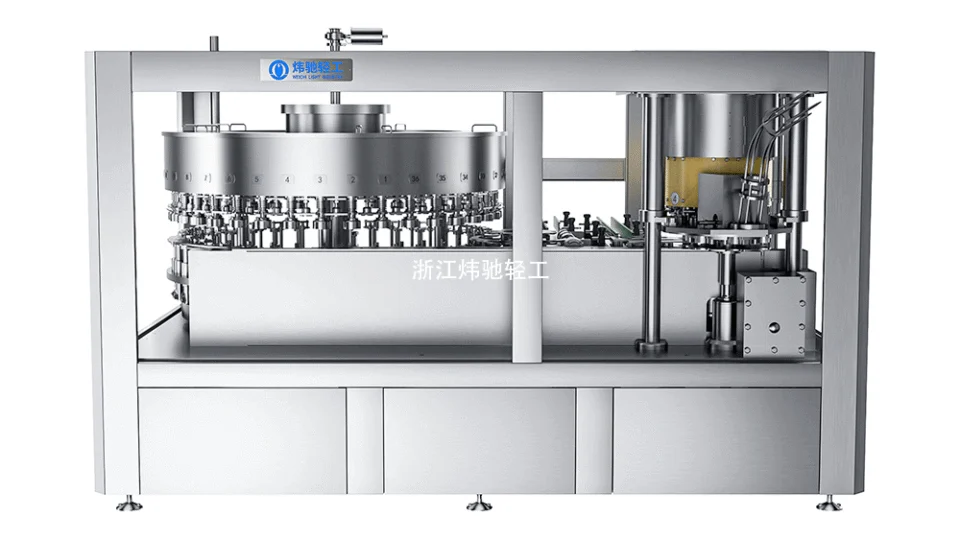
Cover image: AI-generated utility-metering concept; not a real installation or measurement record.
To report the utility consumption of a can filling and seaming machine, measure electricity, compressed air and fresh water over the same time interval, then divide each quantity by the accepted cans produced in that interval. Record the operating mode and measurement boundary before comparing results.
This article provides a measurement and calculation template. It contains no measured Weichi machine consumption figures, savings claims or performance guarantees.
Start with the measurement boundary
Decide whether the result covers one machine, the filling and seaming line, or the wider production area. List included equipment and metering points. An electrical meter on the machine supply may exclude a central compressor, chiller or cleaning system. Report those services separately unless their contribution has been measured or allocated using a documented method.
Divide the observation into non-overlapping running, standby and cleaning intervals. Keep the raw readings and duration for each mode. State whether the final figure covers production alone or the whole campaign, including start-up, standby and cleaning.

Record three utilities without mixing their units
| Utility | What to record | Interpretation |
|---|---|---|
| Electricity | Start/end cumulative kWh, meter identity, interval and included loads | Rated motor power in kW does not establish measured energy use in kWh. |
| Compressed air | Start/end totalized volume, unit, meter reference temperature and absolute pressure, measurement point and operating pressure | Actual volume and reference-condition volume are different quantities. State the meter's basis before comparing values. |
| Fresh water | Inlet totalizer readings; identify process, rinse, cleaning and cooling make-up water | Recirculating water flow is not the same as fresh-water demand. Discharge is a separate boundary. |
Air volume alone does not establish compressor electricity use. If shared compressor electricity is included in the energy boundary, document its measurement or allocation and avoid counting it twice. Record steam, carbon dioxide or other services separately when relevant; do not add unlike physical units into one consumption total.
Use the same interval for consumption and accepted output
Record meter readings and accepted-can counts at matching start and end times. Retain gross output, rejects and rework separately, and define how accepted cans are counted so reworked cans are not counted twice. Nameplate speed multiplied by elapsed time is not a substitute for accepted output.
Record the product, can format, operating settings, production interruptions, instrument identity, calibration status and available measurement uncertainty. A meter reset, missing interval or undocumented shared load prevents a defensible complete result for that boundary.
Calculate consumption per 1,000 accepted cans
For a complete interval with accepted output N greater than zero:
- Electricity (kWh/1,000 accepted cans) = measured kWh × 1,000 ÷ N.
- Air (m³ at the stated reference conditions/1,000 accepted cans) = measured reference-condition m³ × 1,000 ÷ N.
- Water (L/1,000 accepted cans) = measured fresh-water m³ × 1,000 L/m³ × 1,000 ÷ N.
If N is zero, keep the measured utility quantity and duration, but mark the per-can result as not applicable. For a whole campaign, add quantities from non-overlapping intervals within the same boundary and divide by total accepted output. Do not average interval ratios without weighting them by accepted output.
A hypothetical calculation, not equipment data
Suppose one matched interval produces 30,000 accepted cans and records 18 kWh, 6 m³ of air on the meter's stated reference basis, and 0.12 m³ of fresh water. The calculated figures are 0.6 kWh, 0.2 m³ of reference-condition air and 4 L of fresh water per 1,000 accepted cans. These numbers are invented solely to explain the arithmetic. They are not Weichi test results or procurement benchmarks.
A worksheet to prepare before the test
Create one row per mode and interval. Include the scope, equipment list, start/end times, duration, meter identity, start/end readings, units, air reference conditions, accepted output, rejects, product/can format, operating settings and exclusions. Keep the original meter records with the calculation. State any allocation method and unresolved gaps.
Compare results only after aligning boundaries, product and can format, operating mode, measurement conditions and accepted-output rules. A run-only figure cannot establish whole-campaign consumption. A template with blank readings cannot establish consumption or savings.
For electrical and service connection planning, use the separate installation-readiness checklist. To define test responsibilities and evidence, see the FAT/SAT checklist. Discuss a project-specific measurement scope through Weichi's contact page.
Method references
The US Department of Energy's energy-performance metric guidance explains using an appropriate output denominator and matching production and energy time frames. Its compressed-air sourcebook discusses baseline measurements of power, pressure and flow. Vögtlin's reference-condition explanation clarifies why gas-volume reporting must identify temperature and pressure. These references support the measurement method; they do not validate any particular machine's performance.
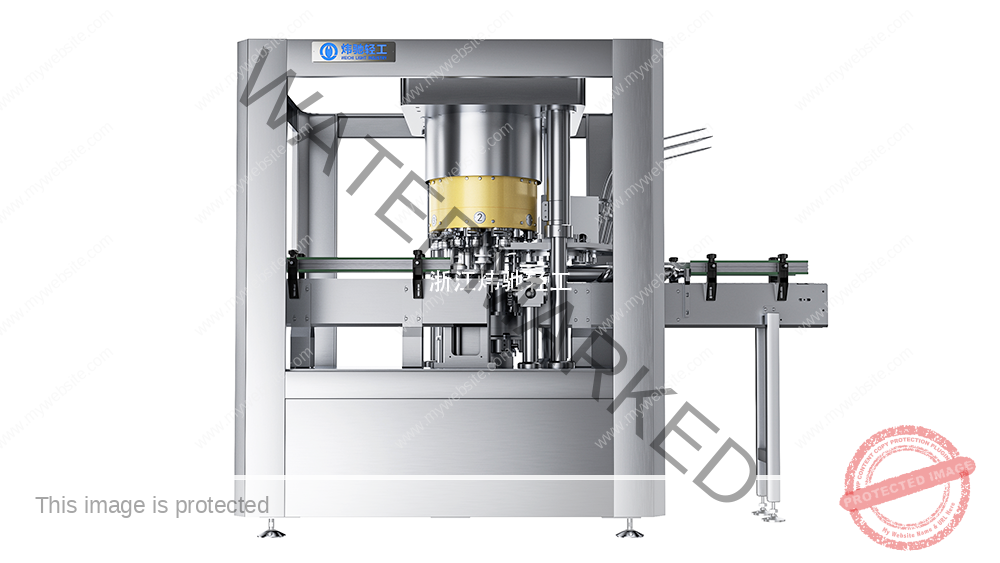
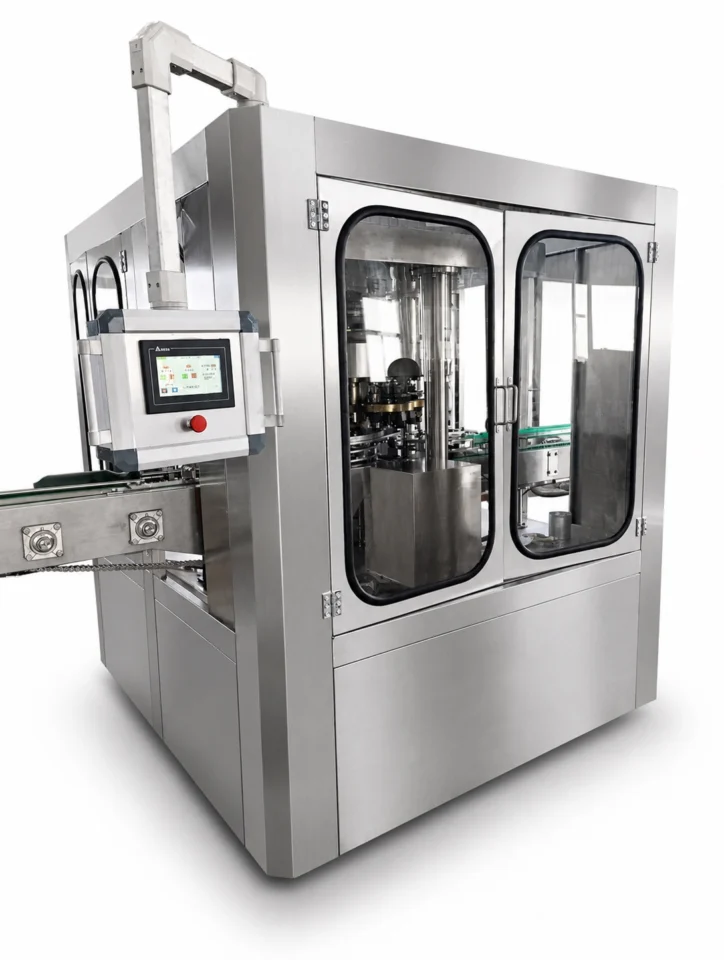
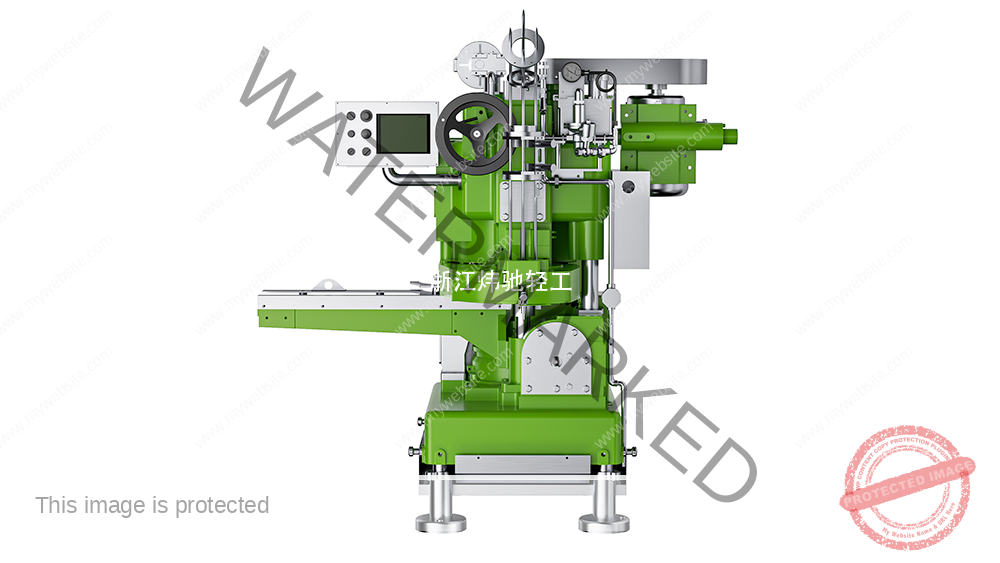
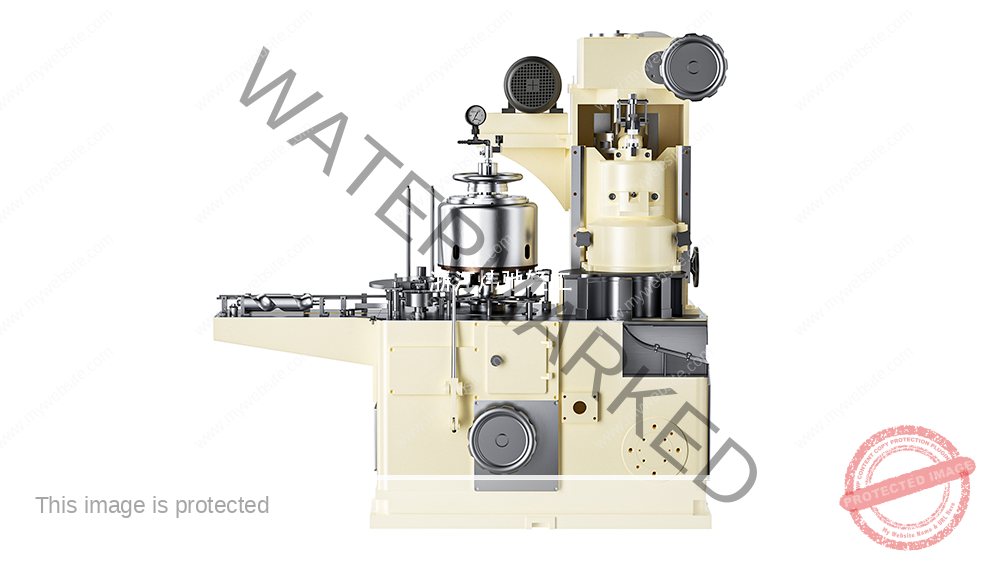
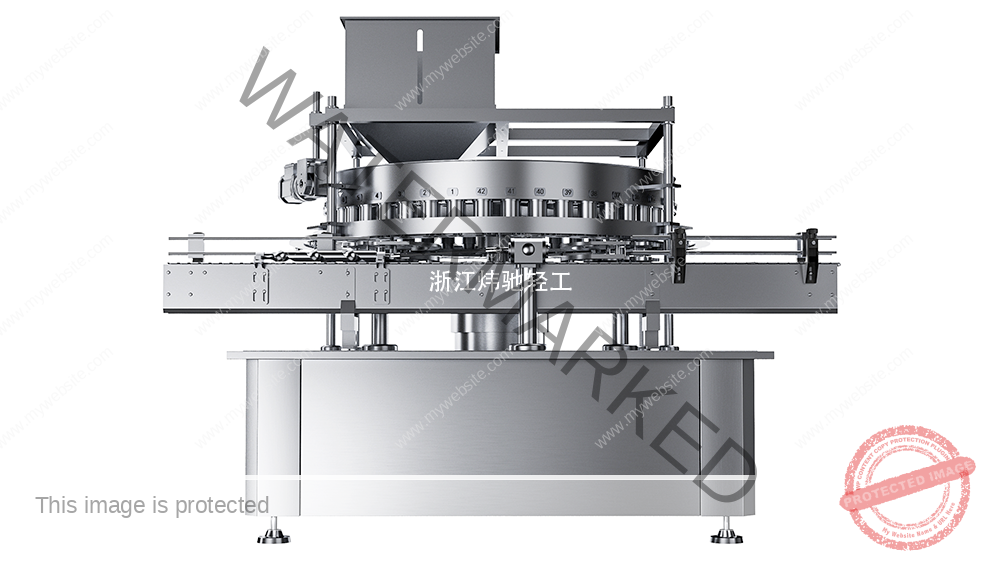
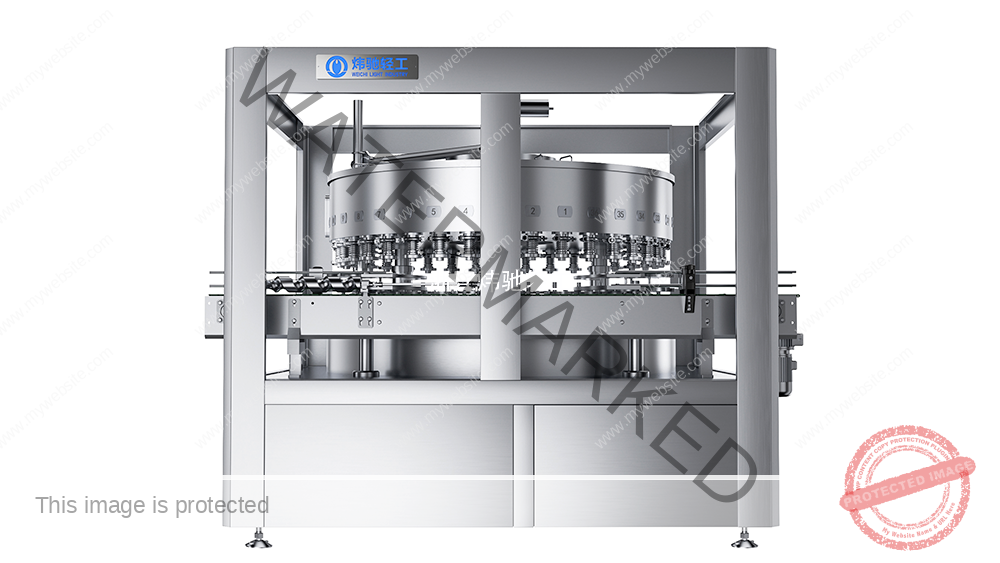
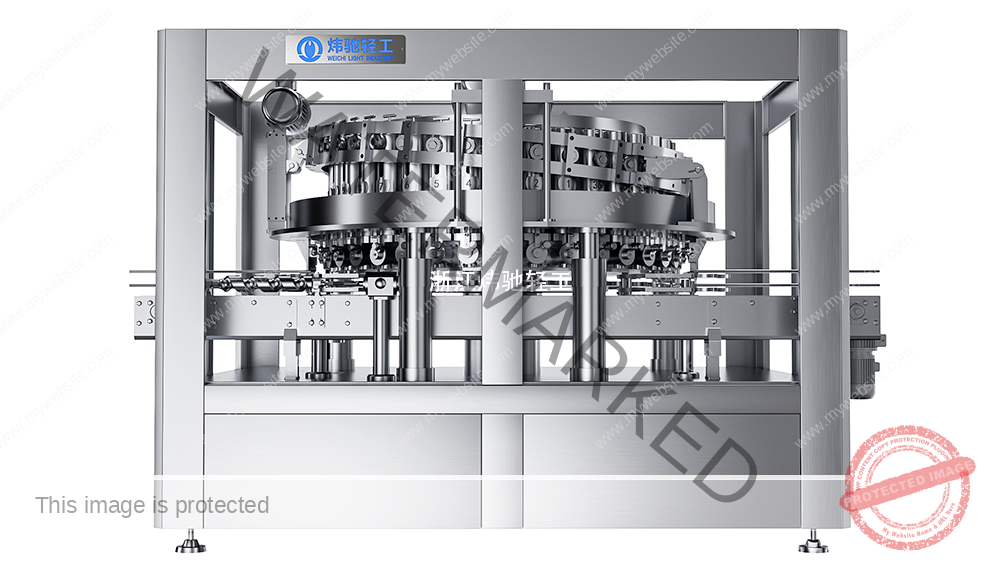
Explore Weichi filling and seaming equipment families when defining the equipment included in your measurement boundary.
Technical Basis and Project Evidence
Final equipment selection and acceptance must use the project product, can and end drawings, utility conditions, line interfaces, agreed test duration, and documented FAT/SAT criteria. Can and end supplier specifications remain authoritative for double-seam limits.
- U.S. FDA: Low-Acid Canned Food Manufacturers, Part 3 — Containers and Closures
- SAMR record: GB/T 30639-2014 — Sauce filling and seaming equipment
- SAMR record: GB/T 40360-2021 — Still-beverage can filling and seaming equipment
Review equipment families See project references Submit application data