
Key Takeaways
- A can filling and seaming machine can be in its final position and still be unready for its first controlled start. The main question is: what evidence allows the project to move from comple…
- This checklist supports coordination between the buyer, installer and equipment supplier. It is not a machine operating procedure. The installed machine’s instructions, site risk assessment,…
- Stage 1 — Static inspection under the required energy controls. Review equipment identity, installation records, interfaces, protective measures and outstanding work. Where inspection expose…

Author: Mengdi · Content date: September 30, 2026
A can filling and seaming machine can be in its final position and still be unready for its first controlled start. The main question is: what evidence allows the project to move from completed installation to controlled testing, and then to product trials? A staged readiness review answers that question without treating delivery, connection, commissioning and production acceptance as the same event.
This checklist supports coordination between the buyer, installer and equipment supplier. It is not a machine operating procedure. The installed machine’s instructions, site risk assessment, agreed commissioning plan and applicable local requirements determine the work, competent personnel and release authority.
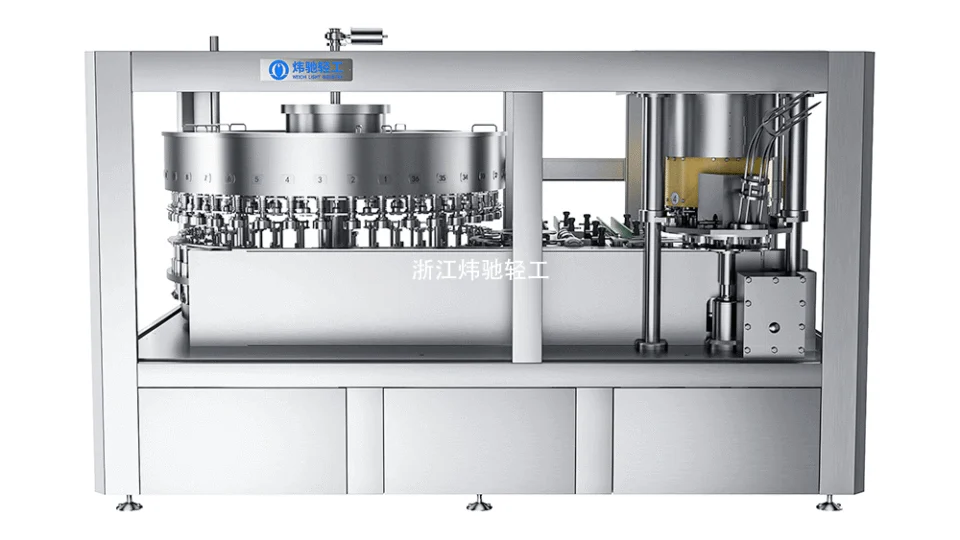
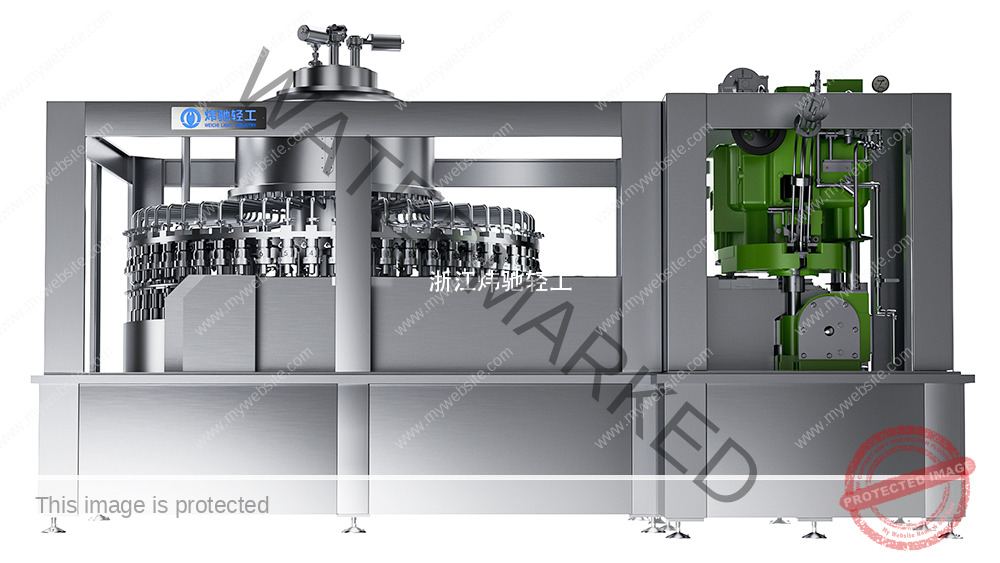
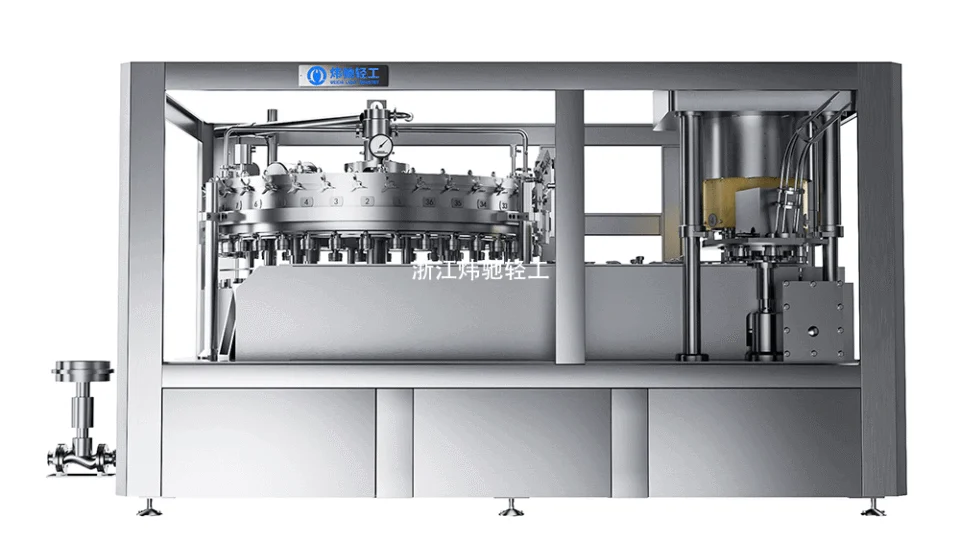
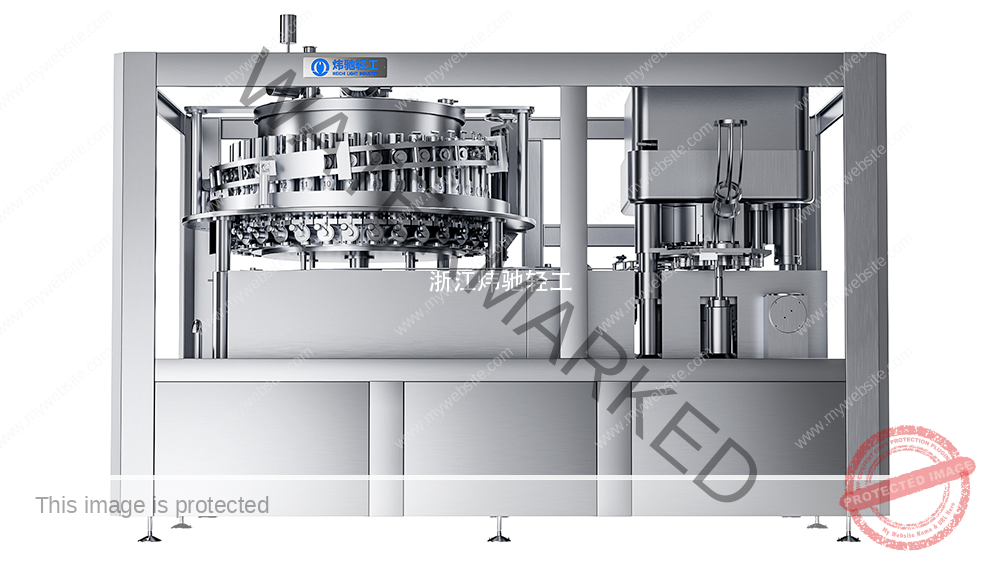
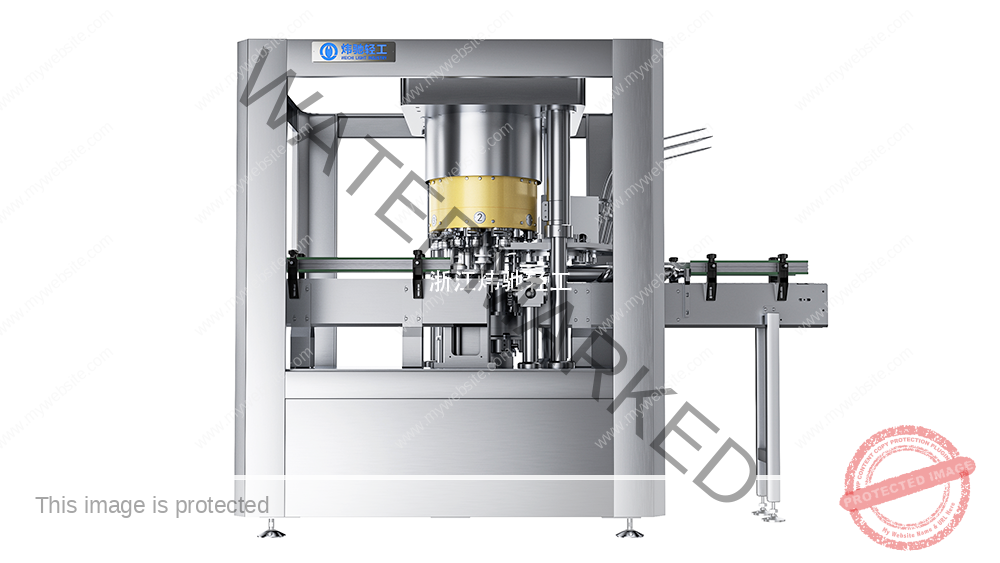
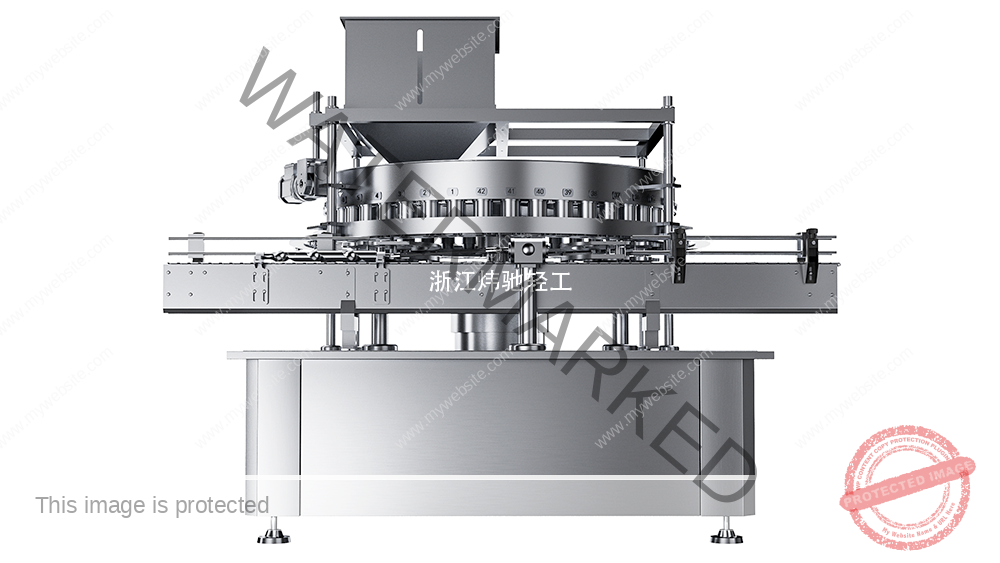
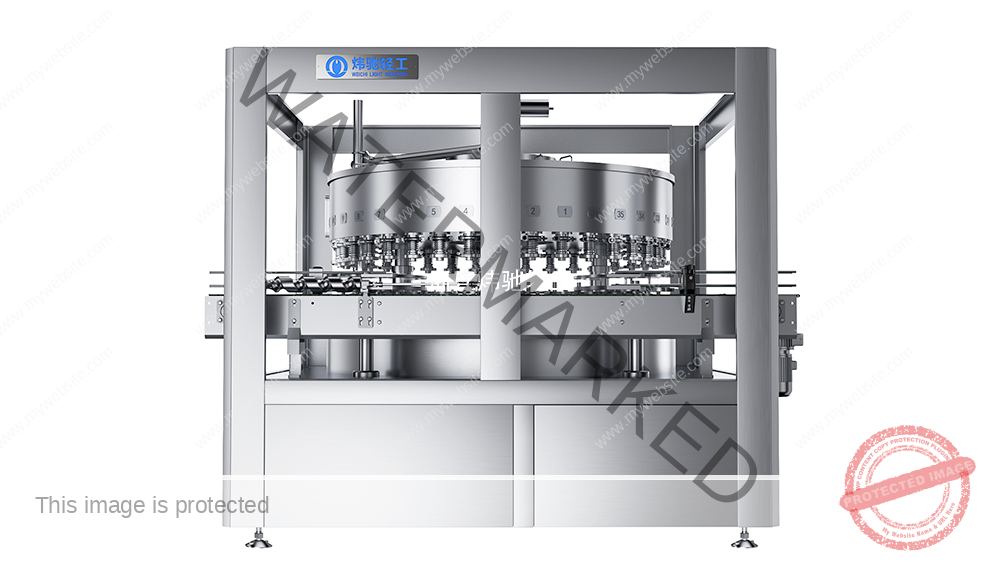
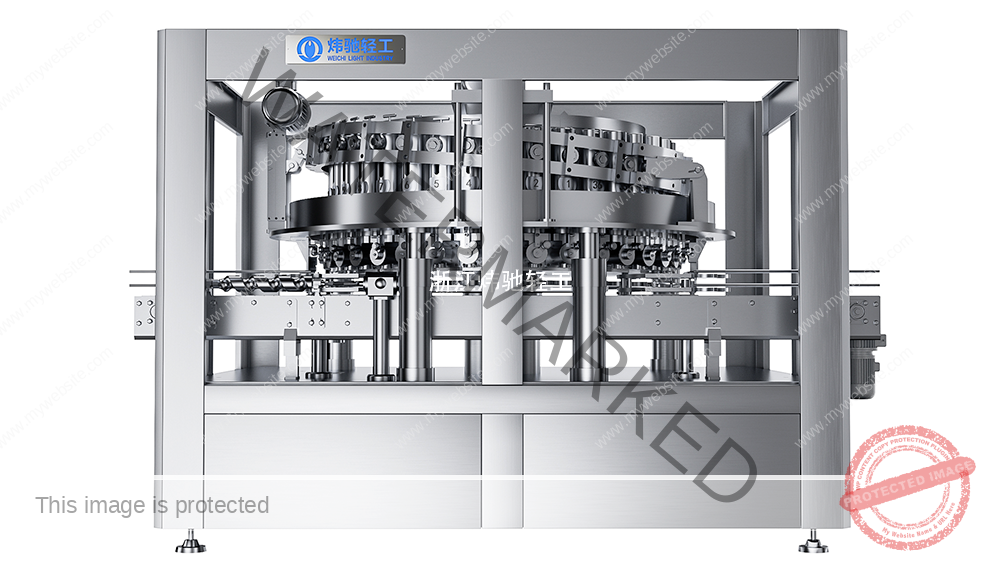
Cover image: AI-generated concept illustration; not a photograph of an actual project or evidence of inspection or acceptance.
Separate three release decisions
Stage 1 — Static inspection under the required energy controls. Review equipment identity, installation records, interfaces, protective measures and outstanding work. Where inspection exposes people to unexpected movement or stored energy, authorized personnel must apply the relevant isolation procedure. A completed static review supports the decision on whether to authorize the next agreed stage; it does not itself authorize energization or establish that safety functions, filling results or seam quality have passed.
Stage 2 — Authorized controlled energization and functional testing. Enter this stage only when the responsible parties have closed the relevant static findings and approved the test arrangement. Competent personnel follow the machine-specific procedure to assess controls, protective functions, alarms and interfaces. Checks that require power belong in this controlled stage, rather than being casually added to an isolated inspection. A successful test permits only the documented next step.
Stage 3 — Product trials and SAT handover. Before introducing product, confirm the agreed materials, hygienic preparation, sampling methods, acceptance criteria and responsibilities. Assess filling and seam results against the project’s criteria. Record unresolved items and restrictions. Functional movement alone cannot release saleable production.
Use a checklist with owners and stop conditions
The roles below are proposed coordination assignments. Agree the named owner and release authority for the actual project; a role in this table is not proof that work has been performed.
| Check / stage | Suggested owner | Evidence to review | Hold the next stage if… |
|---|---|---|---|
| Identity and documents / 1 | Buyer and supplier | Machine identity, installed configuration and matching instructions | A configuration or instruction mismatch remains. |
| Position and assembly / 1 | Installation lead | Assembly, stability and access inspection records | Damage, unsecured components or blocked access is unresolved. |
| Utilities and interfaces / 1 | Qualified site trades | Approved interface matrix and connection verification | Connection identity, suitability or ownership is unconfirmed. |
| Energy and protective arrangements / 1 | Authorized site personnel | Applicable isolation procedure and protective-device inspection | An energy source or protective measure is unaccounted for. |
| Installed lubrication system / 1 | Supplier and maintenance lead | Configuration and preparation records against its instructions | Required preparation or lubricant suitability is unclear. |
| Controls and protective functions / 2 | Authorized commissioning team | Approved test plan and recorded functional results | A required safety function fails or lacks a result. |
| Product trial and handover / 3 | Buyer quality lead and supplier | Hygiene release, sample results, SAT record and open-item list | Acceptance criteria, results or release responsibility are unresolved. |
Match the checklist to the installed version
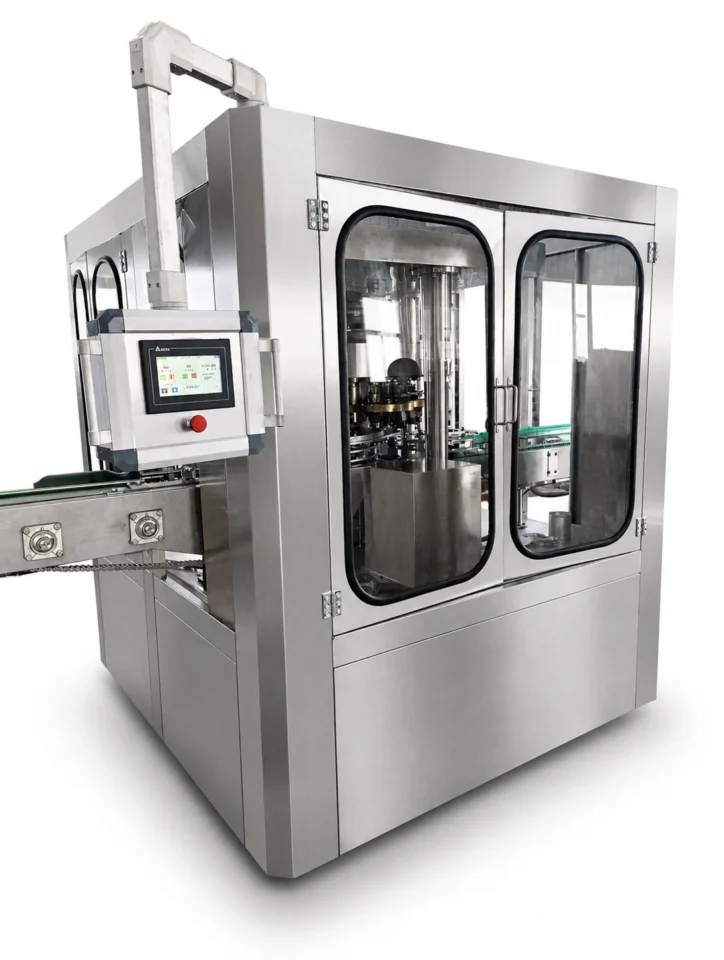
Weichi’s premium non-carbonated beverage monoblock page describes centralized automatic lubrication. It lists steam injection and filling-valve CIP as optional features. These descriptions help identify questions for the supplier; they do not prove that a particular delivered machine includes every feature or is ready to operate.
Check the actual configuration and its instructions. Do not borrow a lubricant, setting or cleaning schedule from another machine. If an option is absent, mark its checklist entry “not applicable” with the reason and confirmation reference. If an external system is involved, identify its responsible party and interface before allowing the relevant test.

Keep a record that another person can follow
Copy the following fields into the project record. Use “pending” when evidence is missing; leave the release decision open until the authorized person records it.
Installation readiness record
Machine identity / installed configuration:
Location / inspection date:
Instructions and drawing revisions:
Stage under review:
Check / result / evidence reference:
Open issue / responsible person / closure evidence:
Applicable restriction or not-applicable reason:
Next stage permitted / scope and limits:
Decision owner / date / confirmation:
A photograph can support a physical inspection record, but cannot prove an untested interlock, isolation effectiveness or product quality. If a connection, configuration or protective arrangement changes after the review, reassess the affected checks before relying on the previous release.
What the official references support
In the UK context, HSE’s inspection guidance describes inspection after installation and before first use where safety depends on installation conditions, with scope informed by risk and manufacturer recommendations. Its PUWER overview also covers instructions, training, protective measures and energy isolation.
For applicable US general-industry activities, OSHA 29 CFR 1910.147 addresses hazardous energy during servicing and maintenance; its definitions include relevant installing, setting-up and inspecting work. These references inform the discussion. They are not a universal compliance certificate or evidence of a completed Weichi inspection.
Frequently asked questions
Does “installation complete” mean the machine can be started?
No. Confirm the evidence and authorization needed for controlled testing. Installation completion alone does not verify functional safeguards or product acceptance.
Can the checklist replace the equipment manual?
No. It organizes decisions and records. The actual machine’s instructions and approved site procedures define how checks and tests are performed.
Is a successful empty run enough for SAT?
No. It supports only the functions actually tested. Product trials and SAT require their agreed scope, samples, criteria and documented results.
Use this review alongside site layout and access planning, the equipment interface matrix and the FAT/SAT checklist. To discuss the installed configuration and documents needed for your project, contact Weichi with the machine identity and current open-item list.
Technical Basis and Project Evidence
Final equipment selection and acceptance must use the project product, can and end drawings, utility conditions, line interfaces, agreed test duration, and documented FAT/SAT criteria. Can and end supplier specifications remain authoritative for double-seam limits.
- U.S. FDA: Low-Acid Canned Food Manufacturers, Part 3 — Containers and Closures
- SAMR record: GB/T 30639-2014 — Sauce filling and seaming equipment
- SAMR record: GB/T 40360-2021 — Still-beverage can filling and seaming equipment
Review equipment families See project references Submit application data