
Key Takeaways
- A critical spare is not necessarily the most expensive component, and a useful inventory is not a spare for every item. Start with three questions: what happens if the part fails, how long w…
- This article offers a proposed decision method and record fields for project review. Component categories are examples to investigate. Actual part identities, quantities, availability, price…
- Record the machine model and serial number, installed location, part or drawing number and revision, unit of issue and supporting document. A machine family may contain several configuration…

A critical spare is not necessarily the most expensive component, and a useful inventory is not a spare for every item. Start with three questions: what happens if the part fails, how long would it take to obtain a usable replacement, and is the item on the shelf actually compatible? Link the answers to a specific machine and part revision before choosing local stock, shared stock, a repair exchange or purchase on demand.
This article offers a proposed decision method and record fields for project review. Component categories are examples to investigate. Actual part identities, quantities, availability, prices and lead times require the controlled list and supplier confirmation for the installed equipment.

Build a parts register that identifies the installed item
Record the machine model and serial number, installed location, part or drawing number and revision, unit of issue and supporting document. A machine family may contain several configurations or revisions. Where applicable, record the material, can and end combination, connection or electrical version that determines whether a filling seal, seaming tool or detection component fits.
A similar appearance, generic description or matching external dimension is not sufficient evidence of interchangeability. Retain the responsible party's compatibility confirmation. When a part number is superseded, clarify whether old and new items are interchangeable, whether related parts must change together, and how remaining old stock should be handled.
Prioritize production impact and the complete recovery path
For each candidate, record the production and quality consequence of failure, any approved temporary recovery method, time to obtain a usable replacement, repair options, usage history and storage requirements. PTC's service-parts planning overview identifies criticality, usage, procurement and repair lead times, cost and transport between locations as inventory considerations. These general factors do not specify stock quantities for a Weichi machine.
Separate dispatch from site availability. Replenishment can include technical identification, approval, manufacture or transfer, transport, applicable import clearance and receiving checks. State where the quoted lead time starts and ends, when it was confirmed and what remains uncertain. A shared spare is a credible recovery option only after its revision, usable stock status and transfer arrangement have been checked.
| Review situation | Evidence to check | Stock approach to discuss |
|---|---|---|
| Failure stops production; replacement takes time; no approved alternative | Exact compatibility, complete recovery parts, storage and review conditions | Prioritize review of a local critical spare or confirmed shared stock; justify the quantity separately |
| Consumable with a reasonably stable issue history | Actual usage, replenishment time, variability and storage or shelf-life limits | Set a replenishment trigger from demand during lead time and an evidence-based buffer |
| Repairable or return-to-supplier component | Repair turnaround, return conditions, temporary replacement and revalidation | Consider a rotating spare or exchange arrangement, including the full repair cycle |
| Change parts for different cans or configurations | Approved can/end combinations, matched sets, identification and issue control | Manage changeover sets against the production plan; distinguish them from failure spares |
These are proposed review routes, not universal risk classes or supply promises. Refer safety- or quality-related failures to the responsible engineering and quality personnel under the project's requirements; low price or easy sourcing alone is not a reason to reduce their priority.

Separate regular consumption from rare failures
For relatively stable consumables, a useful starting discussion is a replenishment trigger equal to expected demand during replenishment plus a buffer based on actual variability. Use consistent time units and reconcile usable stock, committed issues and confirmed incoming supply. Quarantined, damaged or unverified items are not usable stock. This starting method does not automatically determine an optimum quantity.
Rare but consequential failures need a different review. No recorded demand does not establish that zero stock is appropriate, and a sparse historical average should not be treated as a reliable forecast. Compare the recovery route without stock, replacement time, failure consequence and holding requirements before deciding whether to hold a spare. If reliable data are unavailable, document a qualitative decision and the events that will trigger a review.
A fixed rule such as one set per machine or a percentage of equipment purchase cost is not a substitute for that assessment. Machines of the same model can have different package combinations, installed revisions, operating schedules and supply routes.
Use a stock decision register with reviewable evidence
The following fields are a proposed template, not an approved Weichi bill of spares or a statement of stock availability.
| Record group | Suggested fields | Decision evidence |
|---|---|---|
| Identity and fit | Machine serial, location, part/drawing number, revision, unit and applicable can/end or configuration | Current controlled list, drawing or supplier confirmation |
| Production consequence | Failure effect, approved recovery route, owner and acceptable waiting time | Site production and quality review |
| Supply and repair | Procurement or repair time, start/end definition, confirmation date and shared-stock transfer conditions | Current quotation, repair or transfer arrangement |
| Stock decision | Local/shared/on-demand, approved quantity, reorder trigger, location and storage constraints | Usage and consequence assessment; approver and date |
| Closed loop | Issue, replacement revision, remaining usable quantity, replenishment order and review trigger | Maintenance, verification and receiving records |
Close the loop after an issue and after receipt
Link every issue to the machine and maintenance record, then check the remaining quantity and replenishment action. On receipt, check identification, quantity, revision, visible condition and applicable documents. Quarantine discrepancies until resolved. Follow the component supplier's storage instructions and applicable expiry or condition-review rules.
Receipt of a spare does not establish machine recovery, and installation does not establish product release. Authorized personnel should replace the item using the equipment documentation and verify the affected filling, seaming or control function under the approved requirements. Use the downtime troubleshooting guide for fault investigation and the handover documentation guide for version control. This article addresses stock decisions, not repair instructions or inspection limits.
Common questions
Can machines with the same model share every spare?
Model identity alone is insufficient. Check serial numbers, installed revisions, options and applicable can/end combinations, then confirm interchangeability.
Is the initial accessory package enough for long-term operation?
Compare the actual supplied list with the stock decision register. Installation accessories, change parts, tools and failure spares serve different purposes; an unspecified accessory set does not establish coverage.
When should the stock assessment be reviewed?
Review affected items after equipment revisions, product or package changes, altered supply times, actual failures or issues, and changes to shared-stock arrangements. Set the review frequency through the site's management process.
Confirm the spare-parts scope for your Weichi equipment
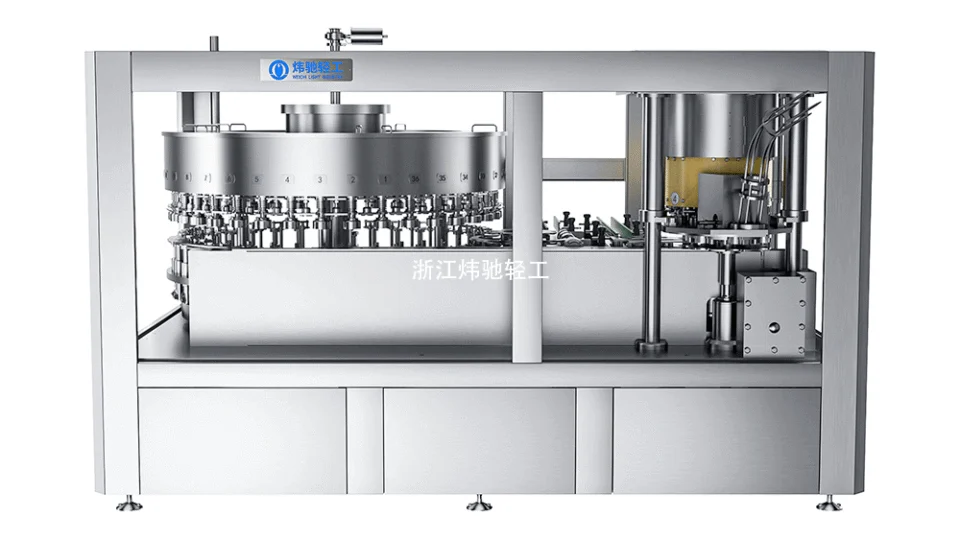
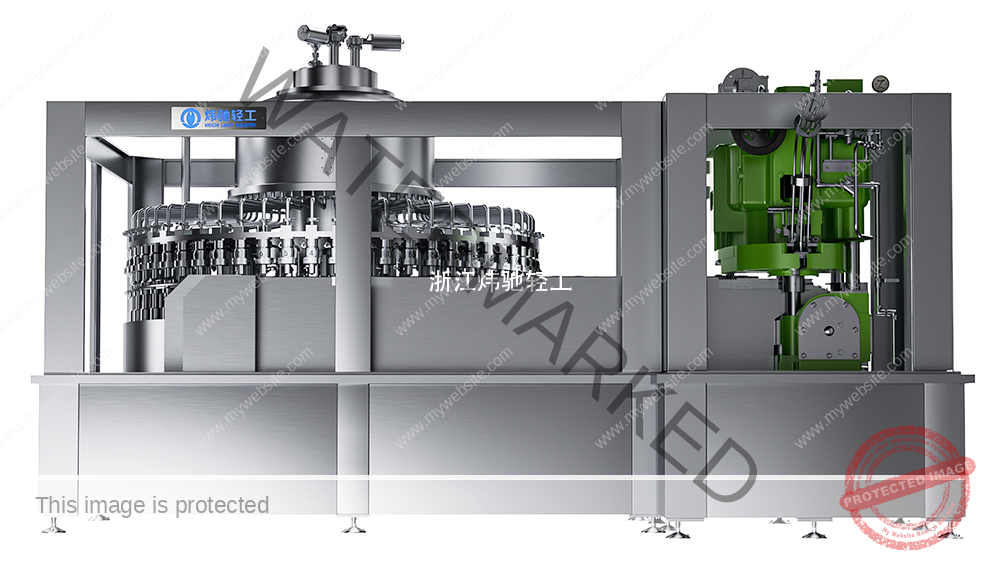
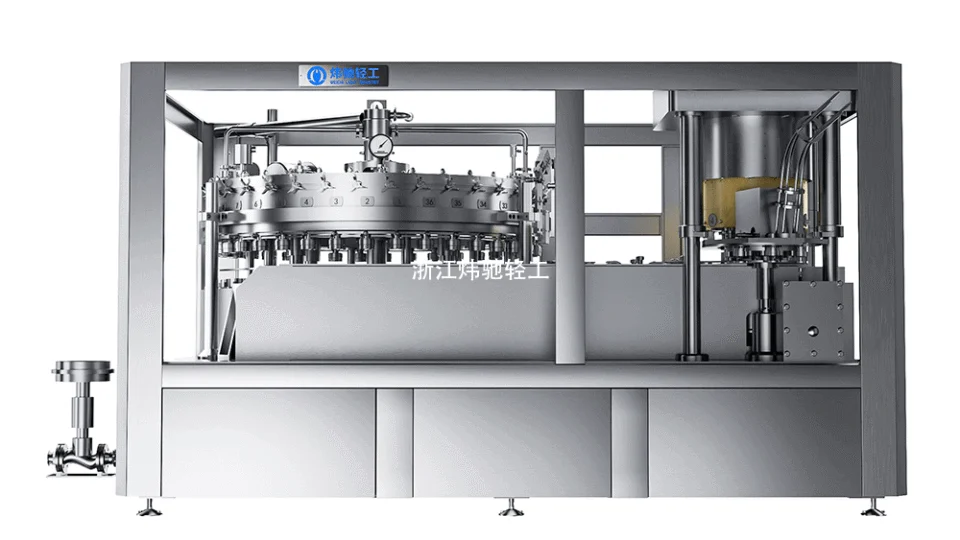
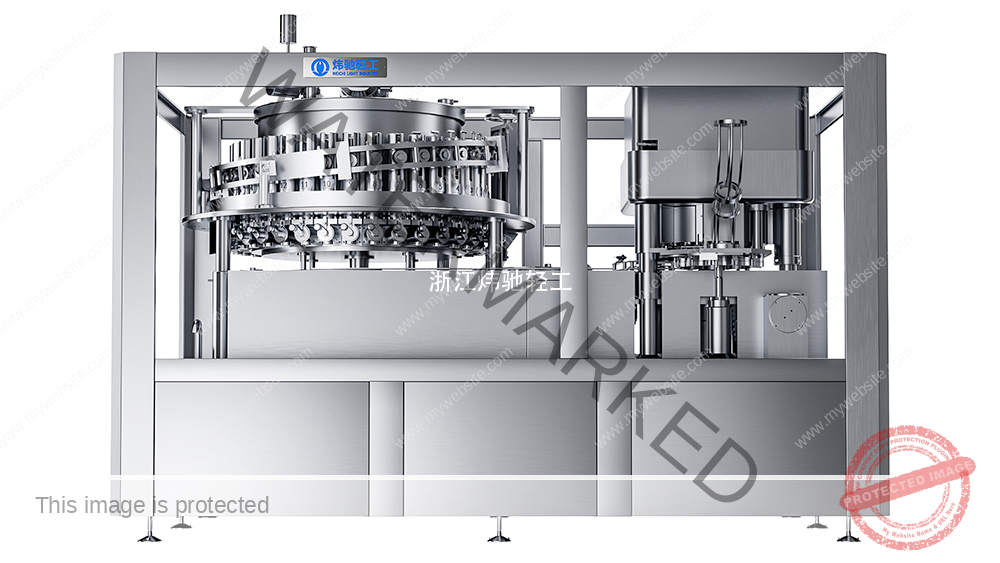
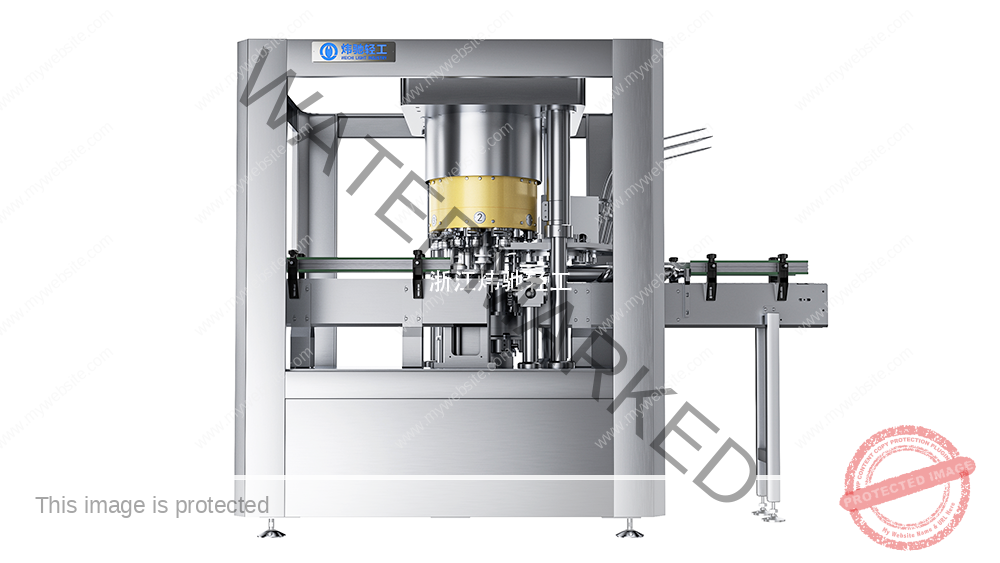
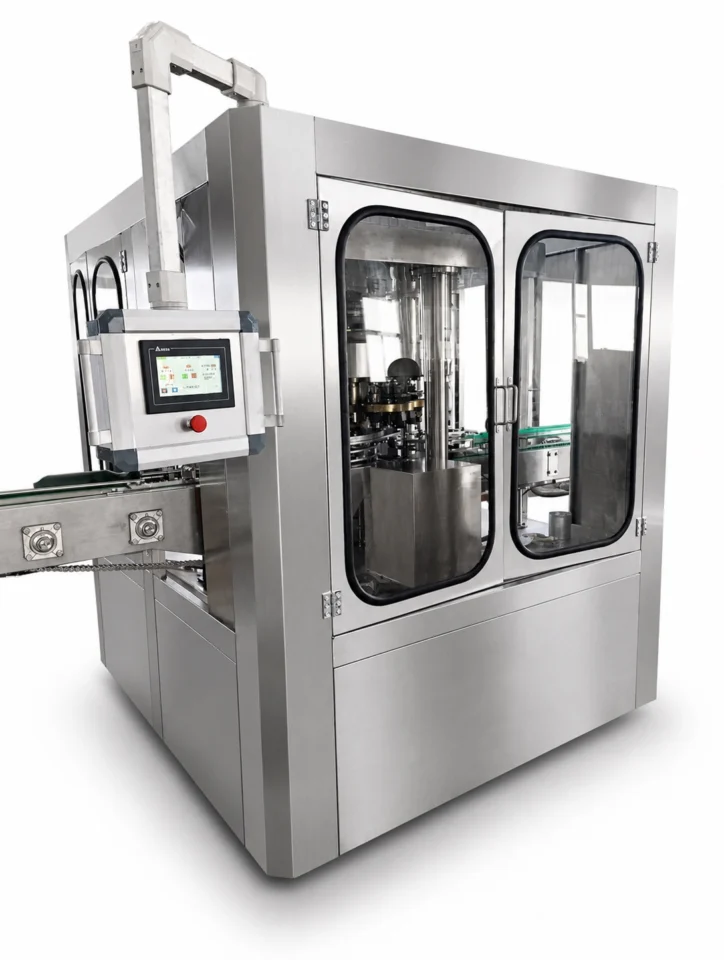
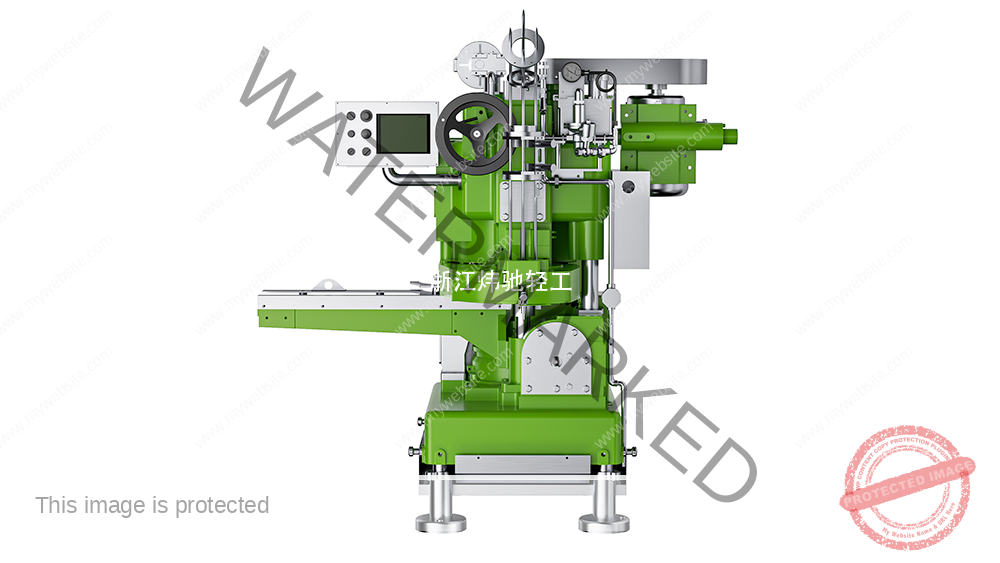
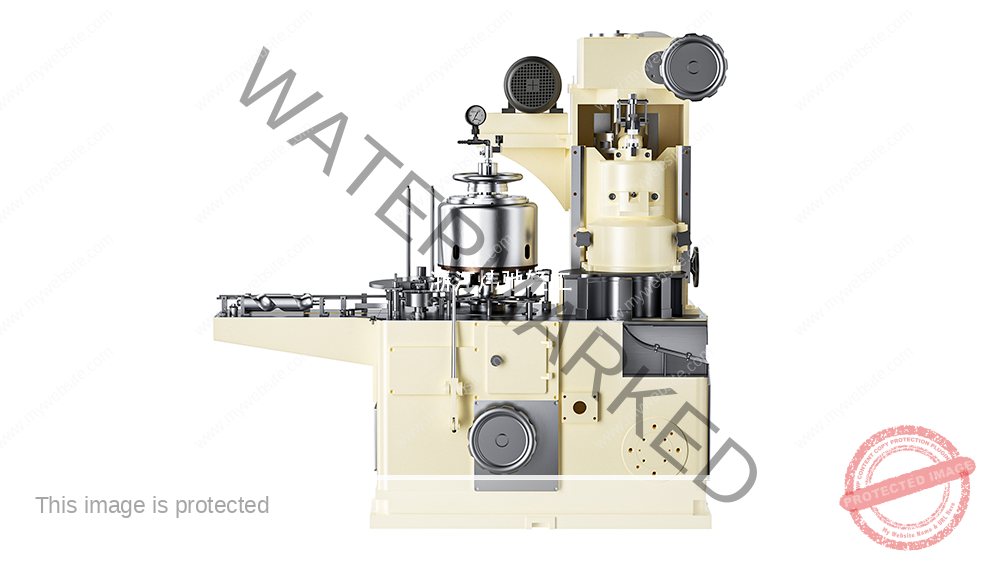
A standalone can seamer and a filler-seamer monoblock have different functional and configuration boundaries. When requesting spares, provide the model, serial number, can and end details, part identification or drawing number, installed revision and function to be restored. Send the equipment details to Weichi to confirm compatibility, supply scope and current lead time. Check costs and support boundaries against the after-sales scope checklist and the project agreement.
Technical Basis and Project Evidence
Final equipment selection and acceptance must use the project product, can and end drawings, utility conditions, line interfaces, agreed test duration, and documented FAT/SAT criteria. Can and end supplier specifications remain authoritative for double-seam limits.
- U.S. FDA: Low-Acid Canned Food Manufacturers, Part 3 — Containers and Closures
- SAMR record: GB/T 30639-2014 — Sauce filling and seaming equipment
- SAMR record: GB/T 40360-2021 — Still-beverage can filling and seaming equipment
Review equipment families See project references Submit application data