
Key Takeaways
- A can filling and seaming machine quotation is meaningful only when it identifies the product, can and end, required good output, equipment configuration and delivery scope. To compare price…
- This guide explains which configuration and scope differences to check before choosing an offer. For the information to send with an initial inquiry, use the separate quotation requirements…
- Ask each supplier to identify exactly what is included: filling, lid placement, seaming, conveyors, inspection, coding, downstream packing and line integration. Mark existing equipment and e…
A can filling and seaming machine quotation is meaningful only when it identifies the product, can and end, required good output, equipment configuration and delivery scope. To compare prices, first put these conditions on the same basis. A standalone seamer, a filler-seamer monoblock and a complete line cover different work, even when their advertised speeds look similar.
This guide explains which configuration and scope differences to check before choosing an offer. For the information to send with an initial inquiry, use the separate quotation requirements checklist.
Start with the equipment boundary
Ask each supplier to identify exactly what is included: filling, lid placement, seaming, conveyors, inspection, coding, downstream packing and line integration. Mark existing equipment and equipment purchased from other suppliers separately. Specify who supplies and commissions each interface. Comparing a machine-only offer with an installed line total leaves major scope differences unresolved.
Capacity and filling method define the configuration
Use the required good output for the actual product and package as the starting point. Filling and seaming stations, the operating arrangement and upstream and downstream interfaces belong in the configuration review. Do not treat a catalogue speed as a guarantee of sustained good output or assume that machine price changes in direct proportion to speed.
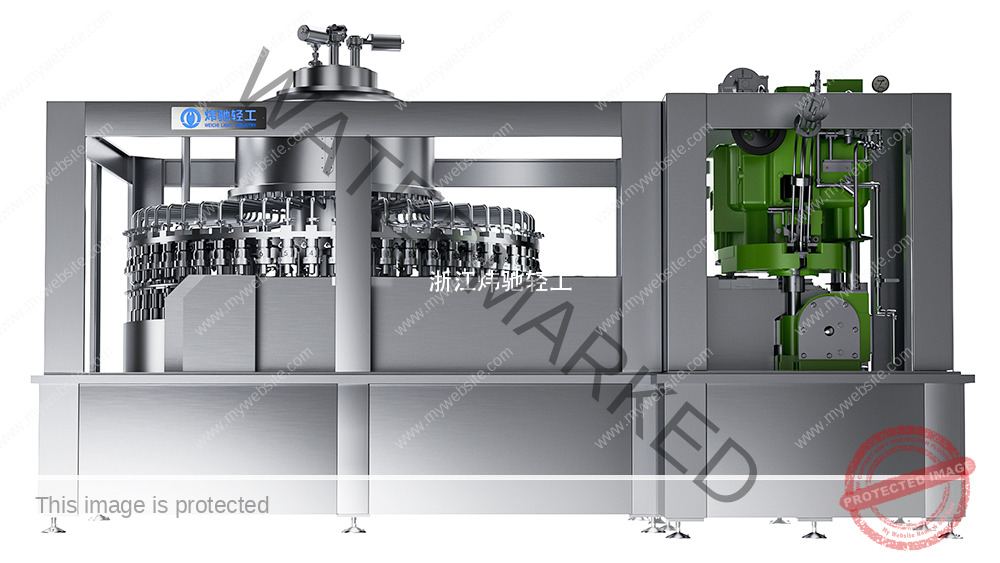
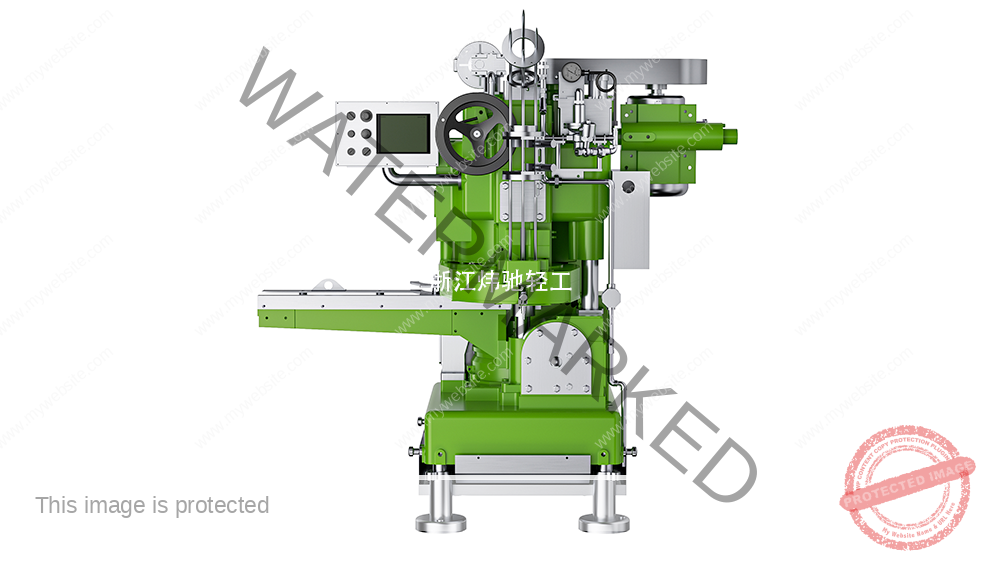
Product behavior also changes the equipment being specified. Weichi's viscous liquid and sauce filler-seamer uses piston filling; its application review considers viscosity, temperature, flow, fill quantity, cleanability and the can-and-end combination. Selecting a filling system on price before confirming these conditions can leave two offers based on different applications.
Separate the base machine from options
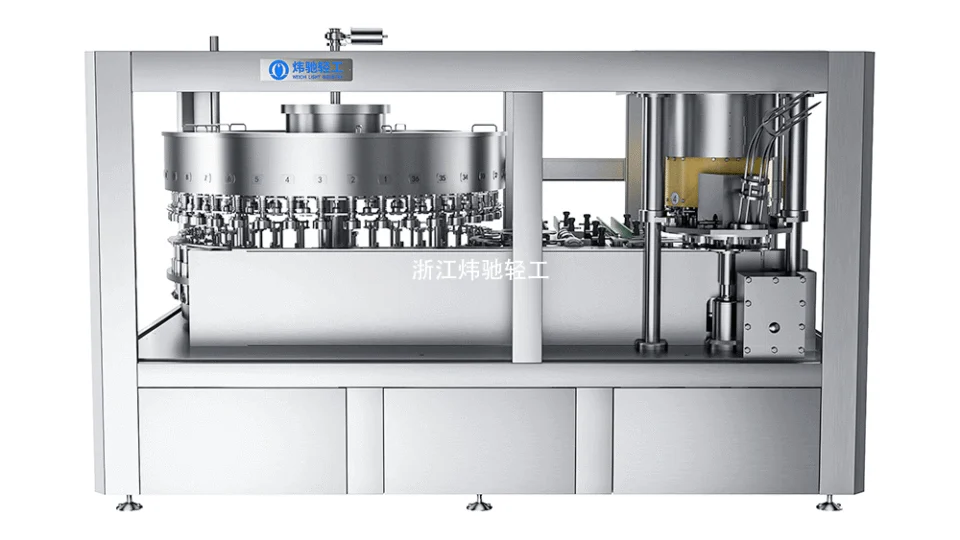
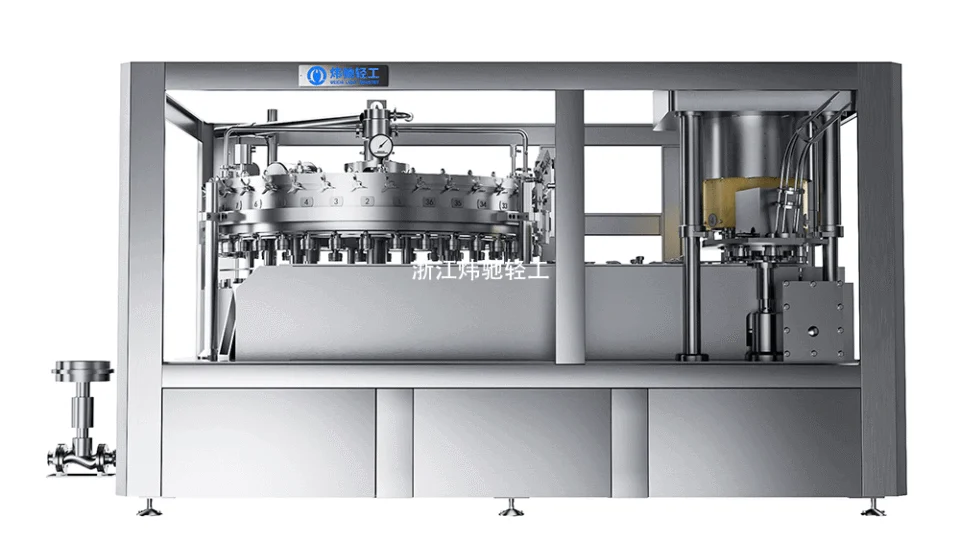
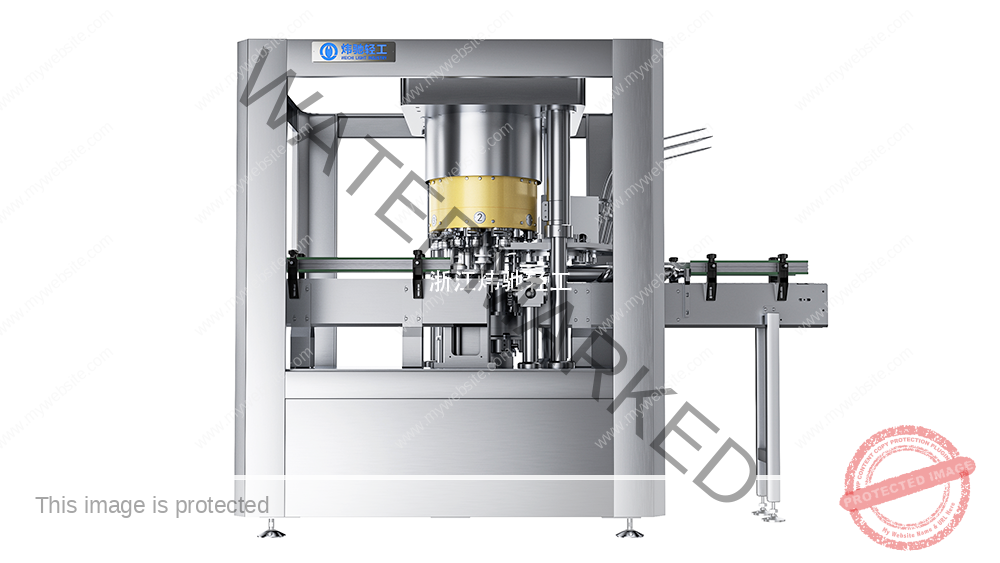
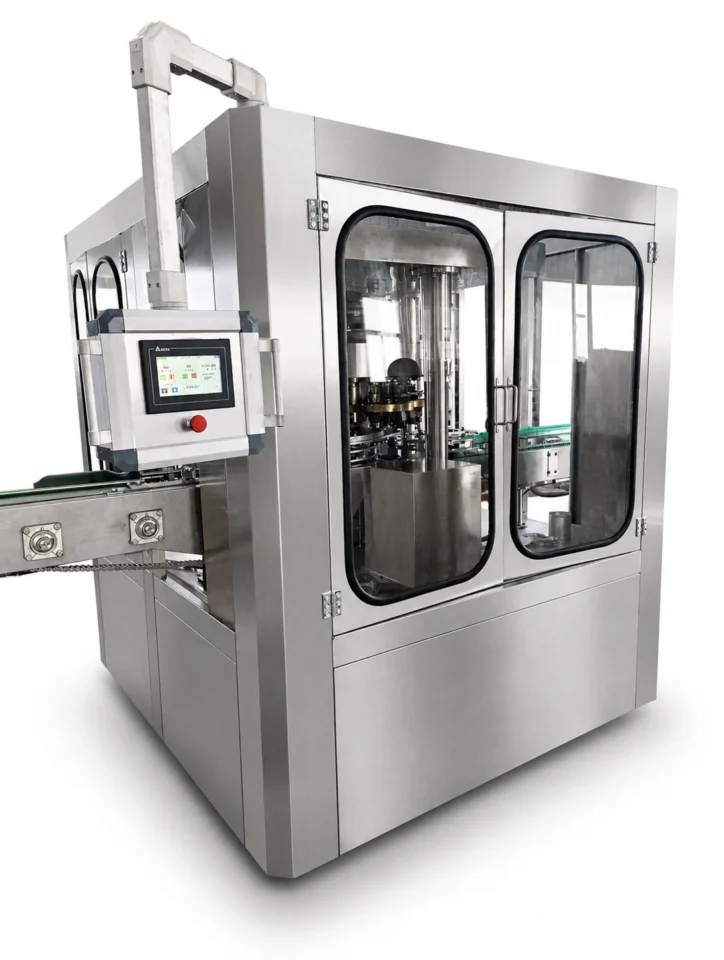
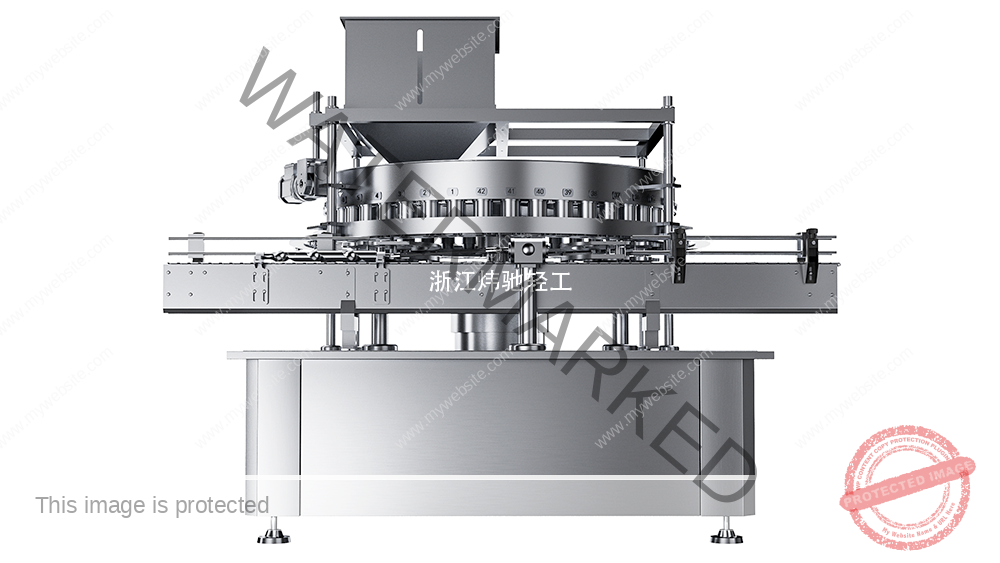
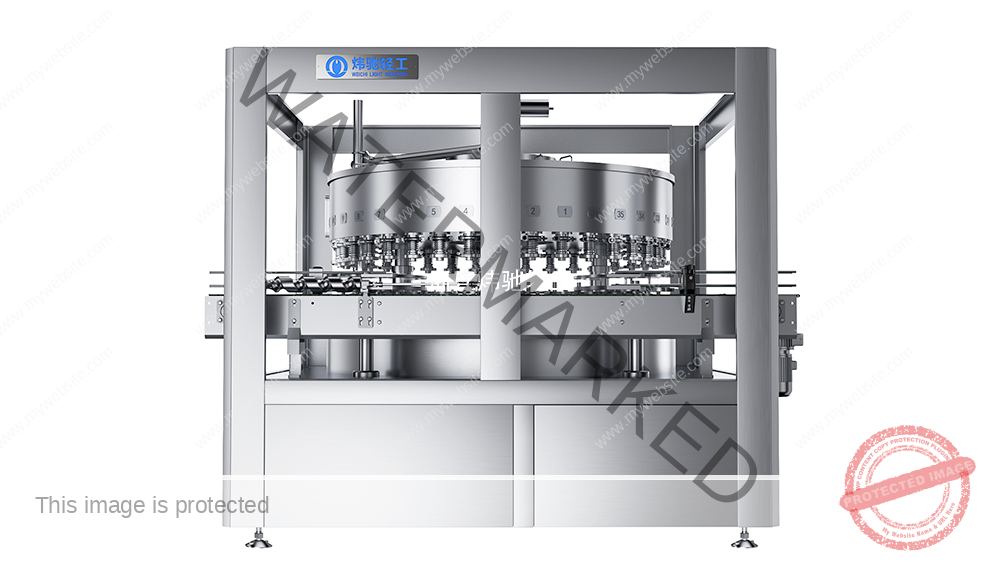
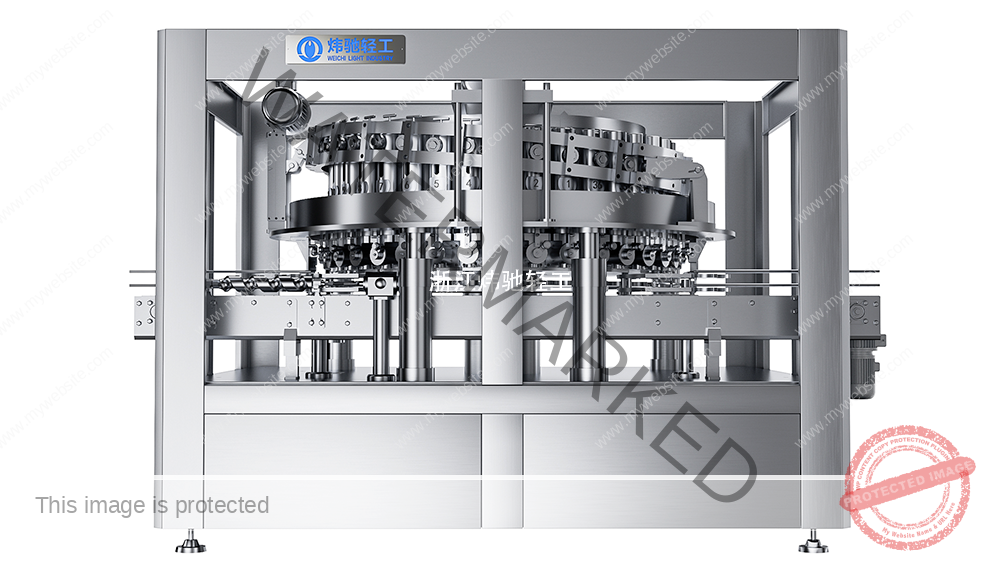
The premium still-beverage filler-seamer provides a concrete example. Its published configuration includes automatic lubrication and offers different filling and seaming head arrangements. Its optional-upgrade section lists filling-valve CIP, specified stainless-steel construction and motorized can-height adjustment. These distinctions are specific to this product family; they do not establish the standard scope of every Weichi machine.
Request a base configuration and separately identified options. For materials, name the component as well as the grade: frame, seamer head, tank, valve and product-contact seals need their own specification. A general description such as “stainless steel machine” is insufficient to compare two offers. For CIP, identify the parts cleaned and the equipment and utility connections included.
Check changeover, inspection and automation scope
A quote for one approved can-and-end combination does not establish the parts or work needed for additional sizes. List the requested formats and the included guides, tooling and other change parts. On a piston-filling application, product or fill-quantity changes may also require review of the piston, cylinder, nozzle, product path and cleaning procedure. Specify the changeover test instead of assuming a universal changeover time.
For inspection and controls, request an itemized scope: what is checked, whether the check is manual or automatic, how rejects are handled, what records are required and who integrates the devices. A touchscreen or PLC specification alone does not define the inspection system or complete-line automation.
Make delivery, installation and service comparable
Separate the equipment subtotal from packing, transport, installation, commissioning, training, initial spares and ongoing support. Identify the delivery destination, included work, exclusions and responsibility for site preparation and utilities. Confirm applicable currency, tax treatment and quotation validity directly in the offer. This article does not assign costs or service commitments to an unspecified project.
Factory and site acceptance also need an agreed scope. Record the product and packaging, test conditions, duration, good-output counting method, filling checks, seam criteria and interface responsibilities. The FAT and SAT checklist can help define this basis. A demonstration video does not replace a documented acceptance plan.

A practical quote-comparison worksheet
For each offer, record the following items as included, separately priced, excluded or awaiting clarification:
- Application: the same product, filling conditions, can, end and required good output.
- Base equipment: model, filling and seaming configuration, and supplied line sections.
- Options: materials by component, cleaning, lubrication, height adjustment and controls.
- Additional formats: tooling, change parts, adjustment work and changeover acceptance.
- Inspection and integration: devices, rejection, records, interfaces and responsibility.
- Delivery and service: packing, destination, installation, training, spares and support.
- Acceptance and commercial basis: agreed tests, exclusions, currency, taxes and validity.
Request clarification of missing items before ranking the totals. If one offer includes a second can format and commissioning while another excludes them, obtain a comparison for the same scope. Do not fill the gaps with assumed costs.
Where can a budget be reduced?
Review optional scope against a stated production need. Ask for separate alternatives for additional formats, automation and service arrangements so their effect is visible. Keep required product compatibility, guarding, cleaning requirements and agreed seam and filling acceptance criteria explicit in every alternative. Budget decisions should change a documented configuration, with the resulting operating responsibilities made clear.
Frequently asked questions
Why not use one general price range?
A range without a product, package, configuration and supply boundary does not identify what the buyer receives. Request an application-specific quotation with assumptions and exclusions.
Does a higher quoted speed make an offer better value?
Only a comparison against the required good output and agreed operating conditions can answer that question. Check the whole line and acceptance scope before comparing the equipment totals.
Does automatic can-height adjustment cover every can change?
No. Height adjustment is one configuration feature. Diameter, end and product changes still require a review of the relevant tooling, guides, filling parts and tests.
Request a quotation with a defined scope
Start with the relevant still-beverage or viscous-product equipment family, then submit the product, package, required output, requested options and delivery location through the application inquiry page. Ask for the base machine, options, exclusions and service scope to be identified separately. Final selection and acceptance depend on the approved project specification and trial conditions.
Technical Basis and Project Evidence
Final equipment selection and acceptance must use the project product, can and end drawings, utility conditions, line interfaces, agreed test duration, and documented FAT/SAT criteria. Can and end supplier specifications remain authoritative for double-seam limits.
- U.S. FDA: Low-Acid Canned Food Manufacturers, Part 3 — Containers and Closures
- SAMR record: GB/T 30639-2014 — Sauce filling and seaming equipment
- SAMR record: GB/T 40360-2021 — Still-beverage can filling and seaming equipment
Review equipment families See project references Submit application data