
Key Takeaways
- Before specifying a can rinser, define the incoming can condition, the material to be removed, the permitted cleaning medium, the residual-liquid limit and the evidence required at the fille…
- This guide provides a proposed purchasing checklist for empty metal cans. It does not establish a sterilization process or report a completed Weichi rinsing trial. Product hygiene requiremen…
- Record the can drawing and revision, supplier and lot, internal coating, flange condition, pallet protection and storage conditions. Identify the concern: loose foreign material, transport d…

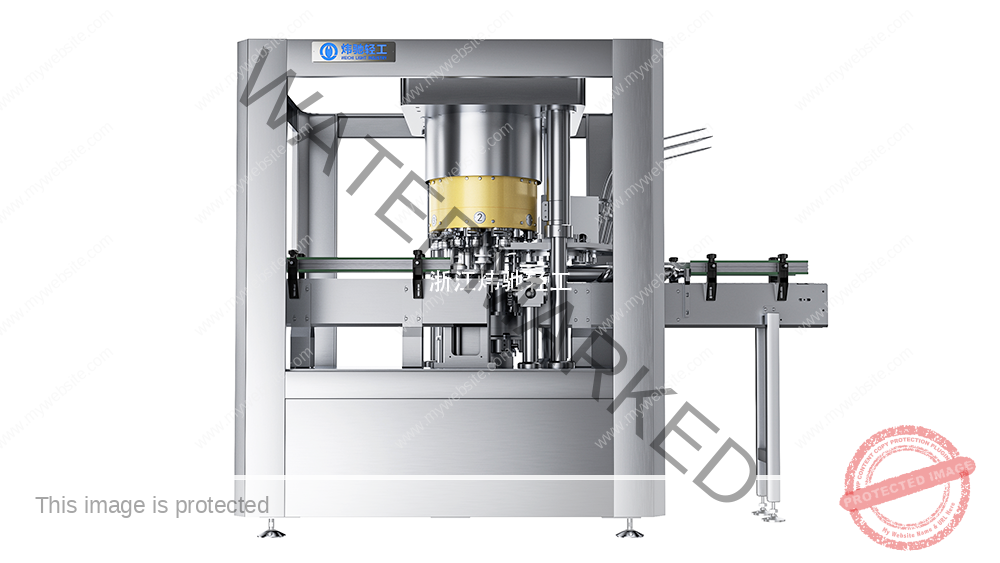
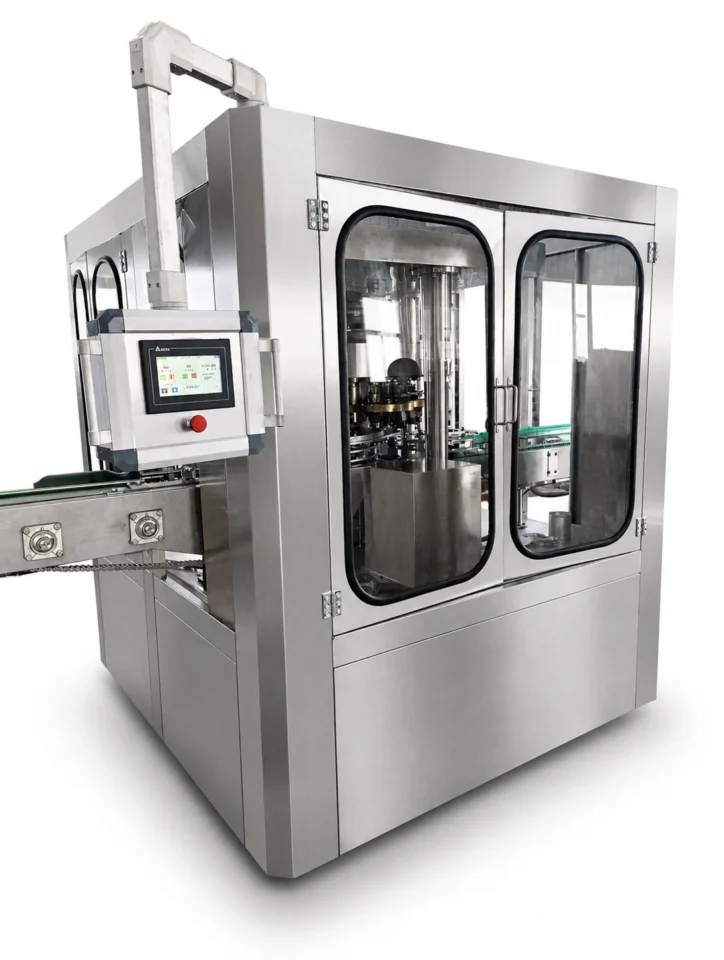
Before specifying a can rinser, define the incoming can condition, the material to be removed, the permitted cleaning medium, the residual-liquid limit and the evidence required at the filler inlet. A running spray or air nozzle proves activity; it does not by itself prove that the can is ready for filling.
This guide provides a proposed purchasing checklist for empty metal cans. It does not establish a sterilization process or report a completed Weichi rinsing trial. Product hygiene requirements and acceptance limits must be approved for the actual product and package.
1. Start with incoming cans and a clear boundary
Record the can drawing and revision, supplier and lot, internal coating, flange condition, pallet protection and storage conditions. Identify the concern: loose foreign material, transport damage, residual liquid or a product-specific hygiene requirement. These require different checks. Rinsing cannot repair a damaged flange.
The FDA's low-acid canned-food inspection guide, Part 3 describes incoming-container inspection and inversion with vacuum, air or water cleaning before filling. Its scope is low-acid canned foods; it is useful technical context, not a universal process specification for every beverage.
Mark the purchasing boundary from unpacking or depalletizing to the filler inlet. Identify who supplies the rinser, transfer guides, utilities, drainage, inspection and controls. The machine interface matrix helps assign these responsibilities.

2. Compare cleaning methods against the application
Air, ionized air and water are commercially available rinser options: UNI-PAK's can-rinser description also identifies filtered-air and drainage features. This establishes that different configurations exist, not that any option is suitable for every can or supplied by Weichi.
| Candidate method | Questions to resolve | Evidence to request |
|---|---|---|
| Air or ionized-air cleaning | What contamination is targeted? How are cans presented, particles removed and supplied air controlled at the use point? | Approved medium specification, nozzle and extraction arrangement, maintenance instructions and a defined removal test. |
| Water rinsing | Is the medium compatible with the can coating and product? Where does it drain, and what carryover is permitted? | Approved water specification, supply and drain layout, operating window and residual-liquid test. |
| Vacuum-assisted removal | Where is material collected, and how are access, cleaning and loss of extraction handled? | Collection-path drawing, service method and functional checks under the proposed operating conditions. |
| Additional hygiene treatment | Is a separately validated reduction of a specified hazard required? | A product-specific approved process and validation evidence. Do not infer this from ordinary rinsing. |
This is a comparison template, not a ranking. Have the packaging and quality owners approve the medium and acceptance method before fixing pressure, flow, temperature or exposure time. If chemicals are proposed, obtain the applicable compatibility, residue and safe-use requirements; this article does not prescribe a chemical recipe.
3. Specify drainage at the point that matters
For a wet process, describe can orientation during rinsing, the drain interval and transfer to the filler. Check the intended can sizes and operating rates, including start, stop and restart conditions. A dry conveyor surface does not establish the amount of liquid remaining inside a can.
Agree a residual-liquid measurement method, sample location, timing and reporting unit. If a gravimetric method is chosen, use a controlled empty-can reference, account for external droplets and evaporation, and verify that the method can resolve the agreed limit. Record the actual results rather than converting “no visible pool” into a numerical pass. The product owner must determine whether carryover is acceptable.
Keep the approved air or water supply conditions tied to a defined point of use. Name who samples the medium, who maintains filters or treatment equipment, and what action follows an out-of-limit result. A component label is not a complete site acceptance record.
4. Protect cans after cleaning and inspect separately
Review the exposed path from the rinser outlet to the filler: guide contact, overhead sources, maintenance access, accumulation and prolonged stops. Define how exposed or suspect cans are identified and held for disposition after a stoppage. Confirm the restart procedure before production.
Cleaning performance and defect detection need separate records. FILTEC's empty-can inspection description identifies flange, inner-wall and base inspection, including foreign objects and residual liquid. It illustrates inspection targets; it is not a claim that every camera detects every contaminant or that this equipment is fitted to a Weichi machine.

5. Use a pre-fill preparation acceptance record
Complete this template jointly with the can supplier, process owner and equipment suppliers. Set sample quantities, operating conditions, measurement methods and pass/fail limits before testing. Any challenge material must be approved, contained and fully accounted for in a controlled test; never introduce unapproved contaminants into saleable production.
| Check | Record | Decision supported |
|---|---|---|
| Incoming condition | Can/lot identity; coating and flange observations; packaging protection; photographs of relevant defects. | Accept or hold incoming cans; distinguish supplier defects from handling damage. |
| Cleaning configuration | Method, nozzle/collection arrangement, change parts, medium specification and measured operating conditions. | Confirm the installed setup matches the approved test configuration. |
| Removal and drainage | Approved test protocol, before/after observations, residual-liquid results and method limitations. | Assess the specified cleaning outcome without implying sterilization. |
| Transfer and interruptions | Can condition at filler entry, representative rates, accumulation, stop/restart events and affected-can disposition. | Confirm the cleaned can remains suitable through the actual transfer path. |
| Detection and response | Approved challenge identity, detection result, actual rejection or stop response, and recovery checks where specified. | Confirm the requested response, not merely an alarm indication. |
| Release and changes | Results, deviations, responsible approver, accepted operating window and review triggers. | Define what is accepted and what remains open. |
Separate factory checks from site-dependent tests using the FAT/SAT checklist. Record untested items explicitly. Changes to can format, coating, medium, speed, guides or transfer layout should be reviewed for their effect on the approved preparation process.
6. Connect the requirement to the filler-seamer purchase
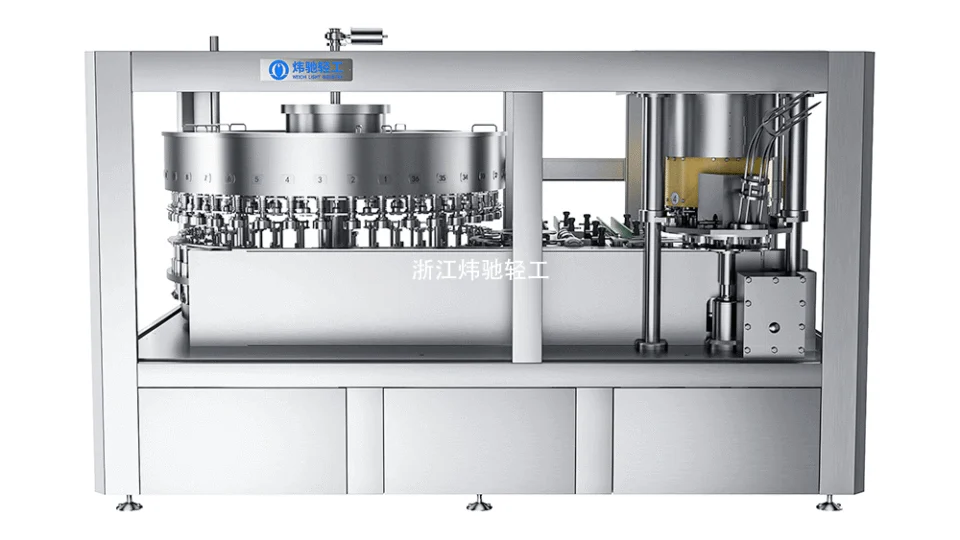
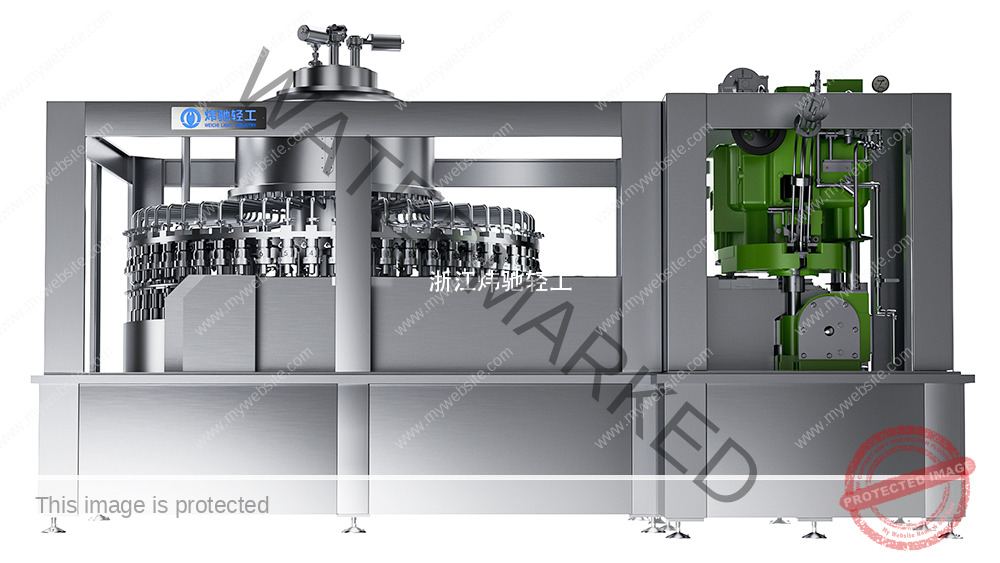
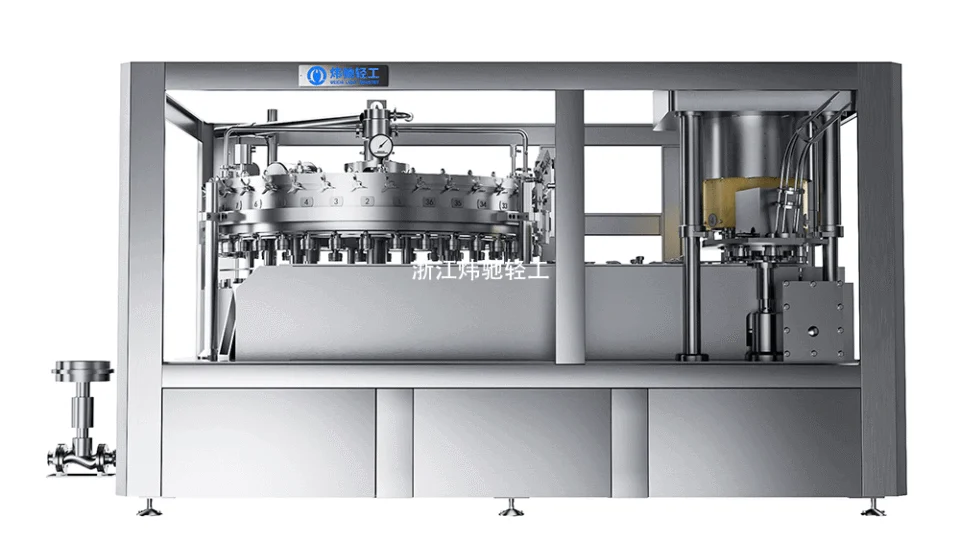
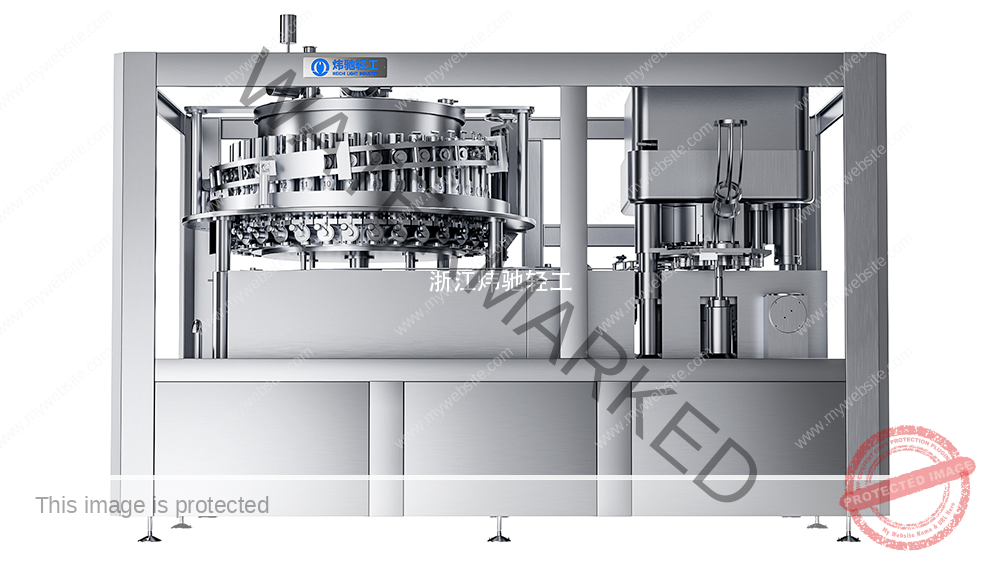
Weichi's still beverage filler-seamer page describes filling, lid placement and seaming, with filling-valve CIP as an option. Filling-valve CIP concerns the machine's product path; it does not establish an empty-can rinsing package. See the separate CIP scope and cleaning-validation guide for that topic.
For an application review, send the product, can drawing and samples, required output, incoming-can condition, intended preparation method, utilities, transfer layout and acceptance record through Weichi's project enquiry page. Ask the quotation to state the supplied equipment, third-party interfaces, exclusions and validation responsibilities. A filler-seamer quotation should not be assumed to include a complete rinsing line.
Frequently asked questions
Is air cleaning always preferable to water rinsing?
No. Choose against the contamination concern, packaging compatibility, product requirements and an approved test. Avoid a universal recommendation based only on water consumption or visible cleanliness.
Does an empty can that looks clean meet all hygiene requirements?
Visual checks address visible conditions. They cannot establish every microbiological or chemical requirement; those need the approved product-specific methods and criteria.
Can filler-valve CIP replace empty-can preparation?
No. They concern different objects and boundaries. Confirm both scopes separately, including what is supplied and how each is accepted.
Technical Basis and Project Evidence
Final equipment selection and acceptance must use the project product, can and end drawings, utility conditions, line interfaces, agreed test duration, and documented FAT/SAT criteria. Can and end supplier specifications remain authoritative for double-seam limits.
- U.S. FDA: Low-Acid Canned Food Manufacturers, Part 3 — Containers and Closures
- SAMR record: GB/T 30639-2014 — Sauce filling and seaming equipment
- SAMR record: GB/T 40360-2021 — Still-beverage can filling and seaming equipment
Review equipment families See project references Submit application data