
Key Takeaways
- A controlled start or the beginning of production does not by itself close every commissioning issue. The practical question is what happened on each shift, which equipment or product was af…
- Record the installed machine and options, product, can and end specifications, applicable document revisions, shift boundaries, counting points and definition of acceptable output. Bring unr…
- These are suggested assignments, not evidence that the supplier has accepted a particular response time or service scope.

A controlled start or the beginning of production does not by itself close every commissioning issue. The practical question is what happened on each shift, which equipment or product was affected, who owns the next action, and what evidence will support closure. This is an adaptable coordination template—not a record of a completed project, an operating procedure or a promise of stability after 30 days. The approved project plan, machine instructions, site safety procedures and quality plan govern the actual work and release decisions.

Establish the baseline and owners
Record the installed machine and options, product, can and end specifications, applicable document revisions, shift boundaries, counting points and definition of acceptable output. Bring unresolved commissioning and handover items into the same issue register. Starting a log does not turn an unverified condition into acceptance. Use the installation readiness checklist for the preceding release stages and the FAT and SAT checklist for agreed acceptance.
| Suggested role | Coordination responsibility | Shift handover evidence |
|---|---|---|
| Production lead | Collect operating and downtime events and hand over open work | Shift, product, operating conditions, counts and open actions |
| Quality lead | Apply the approved quality plan to samples and affected product | Test results, hold scope, retest and disposition decisions |
| Maintenance lead | Arrange diagnosis and work by authorized personnel | Symptom, equipment location, action and verification record |
| Project lead and supplier contact | Coordinate interfaces and escalation under the agreement | Boundary, named owner, due date and decision record |
These are suggested assignments, not evidence that the supplier has accepted a particular response time or service scope.
Organize reviews across the first month
| Period | Suggested focus | Record to retain |
|---|---|---|
| Days 1–3 | Confirm configuration, document revisions, counting basis and inherited open items | Baseline, owners, restrictions and initial records |
| Days 4–7 | Review each shift's recurring stops, quality exceptions and open actions | Event log, sample results and escalations |
| Week 2 | Compare repeated issues and interfaces; arrange verification | Comparable trends, owners and retest plan |
| Week 3 | Check whether actions were verified under agreed conditions and affected product disposition was recorded | Closure evidence or reason to keep the issue open |
| Week 4 through day 30 | Review remaining issues, documentation and training handover | Review decisions, restrictions, owners and next review date |
The timetable is an example for organizing reviews, not a universal commissioning sequence or a guarantee. Adjust it to the approved plan, actual shifts, products and risks. An issue without evidence remains open even after day 30.
Capture facts by shift and control the impact
For each event record the time, machine or station, product and packaging lot, symptom, duration or count, source, temporary action, owner and next step. State where production and reject counts were taken and what they include. When filling, seam integrity or product safety may be affected, the quality owner applies the approved hold and disposition process; a machine restart or acceptable appearance alone does not release product.
Link downtime and product disposition to the same event ID but record them separately so that losses are not counted twice. Distinguish a machine event from upstream starvation or downstream blockage only when the evidence supports it. If the cause is unknown, keep it under investigation. The OEE measurement guide explains a time-loss and first-pass-quality accounting method.

Use an issue register with a closure decision
| ID | Shift and observation | Equipment / product affected | Temporary restriction | Owner and due date | Investigation and action | Retest conditions and result | Closure decision |
|---|---|---|---|---|---|---|---|
| Project entry | Project entry | Project entry | Project entry | Project entry | Project entry | Project entry | Decision owner / date / evidence |
Completing an action is not the same as closing an issue. Check the agreed retest conditions and results, related records and product disposition; the designated project authority records the decision. Keep the item and restrictions open if verification fails, evidence is missing or a changed condition invalidates the test. For an unacceptable safeguarding, hazardous-energy or quality-control condition, stop the affected activity and escalate under site procedures. Do not alter settings or defeat safeguards without authorization.
Review comparable trends
At shift handover or daily review, inspect new, overdue, recurring and still-open issues. Compare stop events and duration, accepted output and rejects using consistent definitions. Retain the product, can and end, speed, shift and recording method alongside the figures: a different mix can explain a change without proving improvement. For recurring issues trace the first observation, action, retest and recurrence rather than counting closures alone. Set thresholds and escalation rules in the project; this guide does not prescribe universal targets.
Turn a repeat stop into an actionable record
Suppose a shift experiences another interruption in end feeding. “Seamer fault” is too vague to investigate. Link the event time to the actual alarm text, if available, the end lot and station, the operator's observation and any approved temporary action. The shift lead coordinates handover, maintenance investigates, and quality determines affected-product controls based on the actual impact. If a third party owns the adjacent feeding equipment, use the agreed interface responsibility.
After an authorized action, verify it using the project's agreed product, packaging, operating and observation conditions and attach the result to the original issue ID. A short interval without another stop does not establish performance across every condition. This article does not invent a universal number of uninterrupted hours. The example illustrates record keeping; it is not a reported Weichi customer incident.
Copyable shift fields: date / shift; machine and configuration revision; product and packaging lots; count start/end points and source; run and stop time; accepted and rejected quantities; event IDs; temporary restrictions; next actions; outgoing and incoming shift owners.
Common questions
Must all open items close on day 30?
No. Keep the owner, restrictions and next review date for an item that lacks verification. Record the stabilization review separately from final acceptance.
Is one production summary enough?
A summary can expose a trend, but usually cannot establish the cause of an event. Link the trend to its original event, sample or inspection results and action records.
Does higher output prove stability?
Output alone is insufficient. Compare product and packaging conditions, quality results, open issues and counting definitions. A higher count can accompany more rejects or a different product mix.
Discuss the installed configuration and support scope
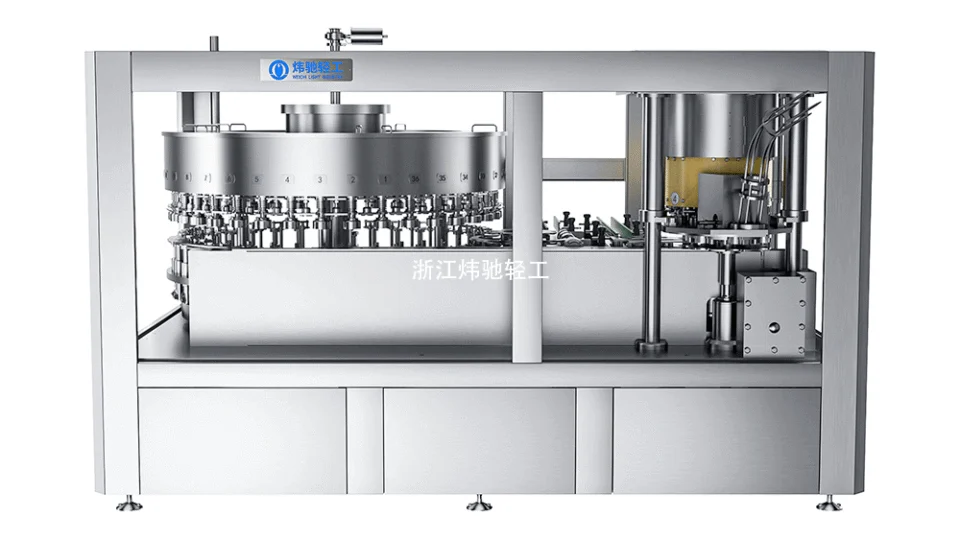
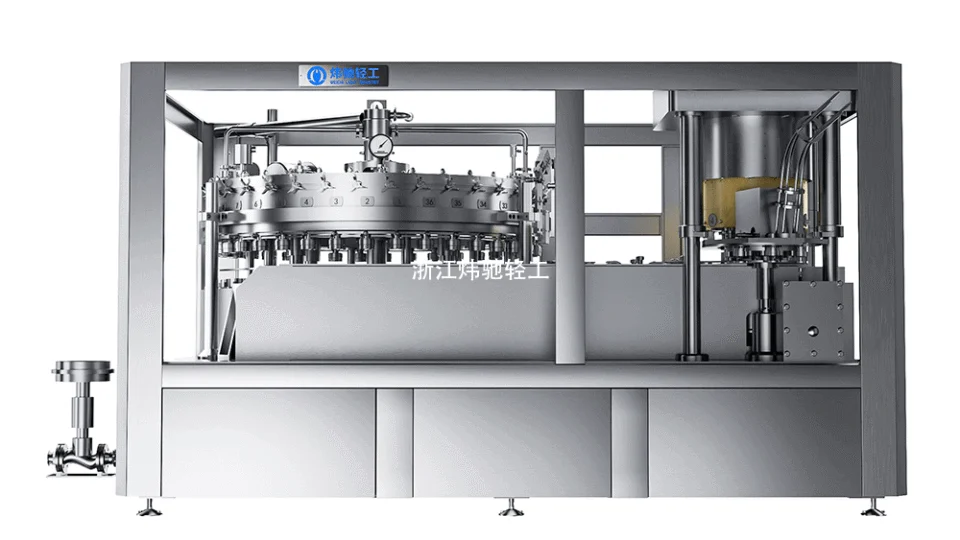
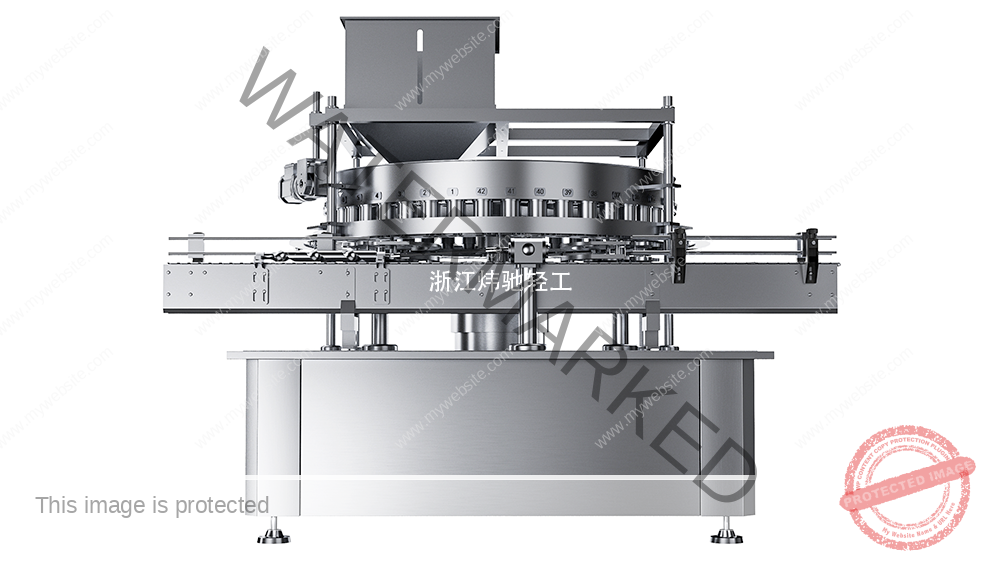
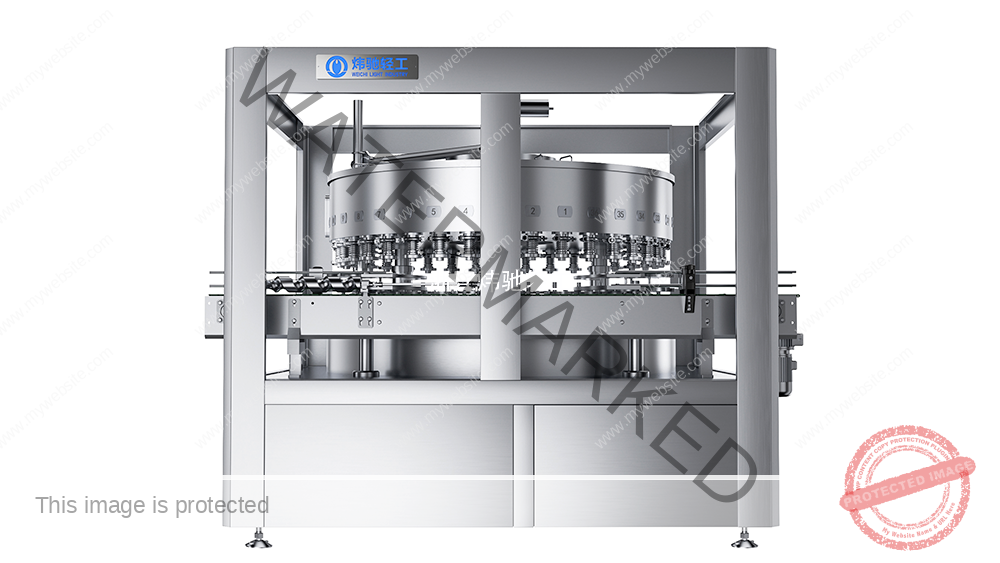
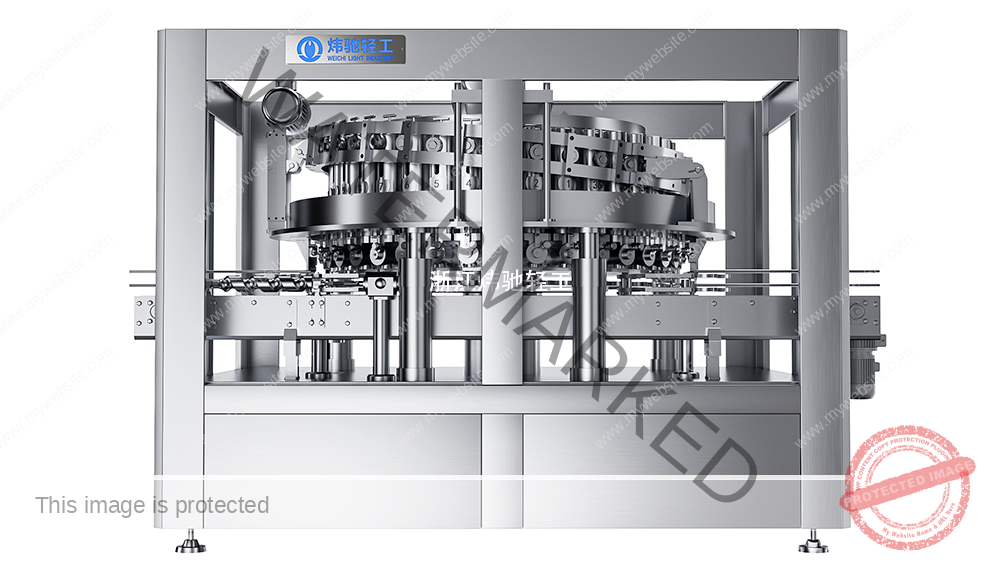
For a compatible still beverage, review the premium still-beverage filler-seamer and supply the actual machine configuration, product and packaging, shift-record definitions, open issues and support needs through Contact. Performance, service and acceptance depend on the specific agreement and conditions.
References: Weichi's current installation readiness, FAT/SAT and OEE guides; the Pennsylvania commissioning guidelines support the general practice of issue ownership and periodic review in building projects. They are not canning-machine-specific requirements.
Technical Basis and Project Evidence
Final equipment selection and acceptance must use the project product, can and end drawings, utility conditions, line interfaces, agreed test duration, and documented FAT/SAT criteria. Can and end supplier specifications remain authoritative for double-seam limits.
- U.S. FDA: Low-Acid Canned Food Manufacturers, Part 3 — Containers and Closures
- SAMR record: GB/T 30639-2014 — Sauce filling and seaming equipment
- SAMR record: GB/T 40360-2021 — Still-beverage can filling and seaming equipment
Review equipment families See project references Submit application data