
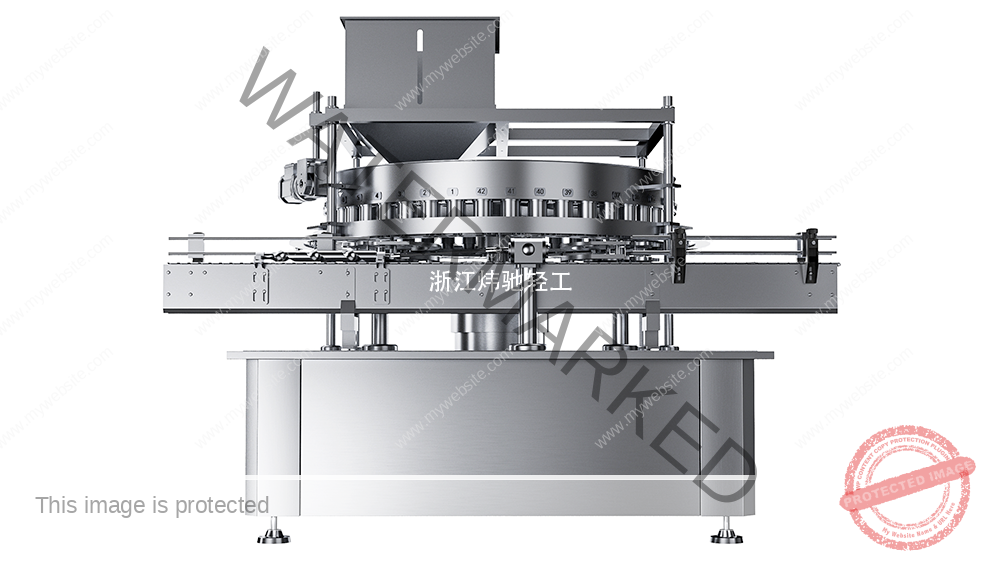
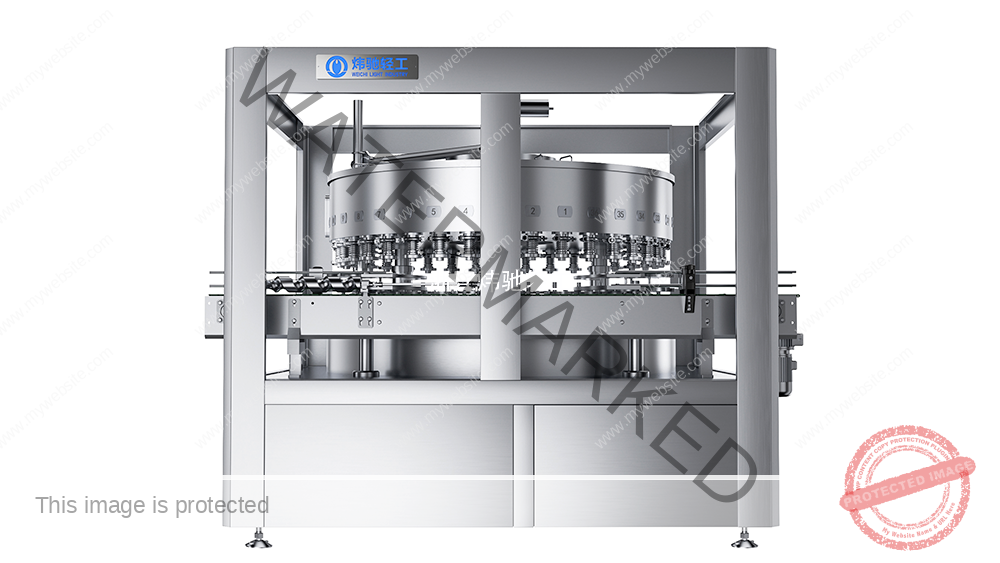
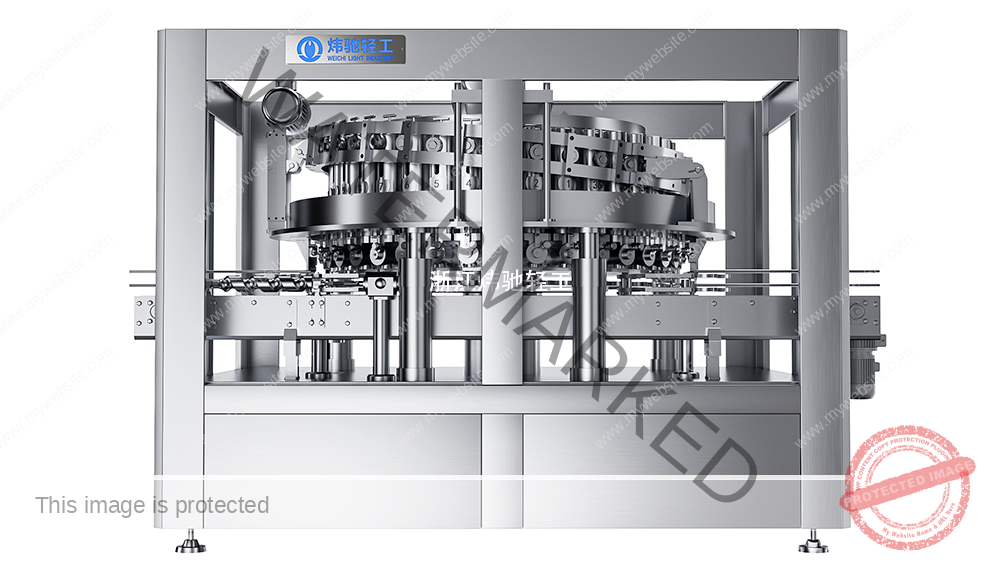
Key Takeaways
- Reliable OEE for a can filling and seaming machine starts with a defined equipment boundary, production window and counting point. Record downtime, total output and first-pass good output ag…
- This guide proposes a shift ledger and an assumed calculation example. It is not a measured Weichi result, a universal OEE target or a claim that every machine includes automatic OEE reporti…
- Use a fixed state policy and short-stop threshold. An alarm identifies a detected condition; it does not necessarily establish the root cause. For example, record a missing-end event before…

Reliable OEE for a can filling and seaming machine starts with a defined equipment boundary, production window and counting point. Record downtime, total output and first-pass good output against that same scope. Report availability, performance and quality separately so that changeovers, missing materials, short stops and rejected cans remain visible.
This guide proposes a shift ledger and an assumed calculation example. It is not a measured Weichi result, a universal OEE target or a claim that every machine includes automatic OEE reporting. Capacity selection and bottleneck sizing are a separate planning task; this article reconciles losses after production has taken place.

1. Freeze the measurement rules before the shift
- Boundary and counter: define whether the record covers a standalone seamer, filler-seamer monoblock or an entire line. Mark the output counter and reject locations. Averaging the OEE of individual machines does not establish line OEE.
- Time denominator: document periods when production is not scheduled before measurement. Keep those exclusions visible. A changeover, material shortage or blocked downstream transfer occurring inside planned production time needs a recorded loss; do not shorten the denominator after seeing the output.
- Ideal reference: identify the supported ideal rate for the product, can, fill quantity and configuration. A catalogue maximum is not automatically valid for the current SKU. Using the shift's average rate as its ideal rate removes the very speed loss being measured.
- First-pass acceptance: define applicable fill, seam and appearance checks. Reworked cans must not be reclassified as first-pass good output. Keep quarantined or undecided output separate until its status is resolved.
2. Separate the observed symptom from the loss and its cause
Use a fixed state policy and short-stop threshold. An alarm identifies a detected condition; it does not necessarily establish the root cause. For example, record a missing-end event before checking whether its origin was supply, feeding or detection.
| Observation | Loss treatment | Evidence to retain |
|---|---|---|
| Changeover, fault, material shortage or downstream blockage within the window | Availability loss when recorded as stop time; preserve the reason category | Start/end, state, recovery condition and responsible interface |
| Brief interruption not deducted as stop time | Remains within run time and affects performance; do not deduct it again | Frequency, accumulated duration, location and symptom |
| Running below the valid ideal rate | Performance loss; distinguish set speed from counted output rate | SKU, reference version, run time and output counts |
| Failed fill, seam or appearance checks | Quality loss; a can with multiple defects counts once in total rejected output | Reject/quarantine counts, defect categories and disposition |
Overlapping faults must not create overlapping downtime minutes. Keep secondary reasons as annotations. If a short stop has already been deducted from run time, do not manually subtract it again as performance loss. Changing the threshold can move losses between availability and performance, so retain one policy when comparing shifts.
3. Keep an event ledger and a separate count reconciliation
A proposed event row contains: date and shift, SKU, equipment boundary, start, end, duration, machine state, observed symptom, confirmed cause, owner, evidence reference and recovery time. Leave an unconfirmed cause unresolved until evidence closes it.
The count record should retain opening and closing counter readings, reset or rollover corrections, work-in-progress changes, total output, first-pass good output, rejects and undecided quantities. A difference between upstream and downstream counters can involve conveyor inventory or different reject points; it is not automatically scrap.
4. Worked example: reconcile a complete shift
All values below are assumed for illustration. A single-SKU shift lasts 480 minutes. The agreed non-production break is 30 minutes, leaving 450 minutes of planned production. Non-overlapping recorded stops comprise a 20-minute changeover, 15 minutes waiting for material, a 10-minute fault and 15 minutes of downstream blockage: 60 minutes in total. Run time is 390 minutes, including brief interruptions that were not deducted as stop time.
Assume a supported ideal rate of 120 cans/minute, equivalent to 0.5 seconds/can. The output counter records 42,120 cans: 41,700 first-pass good and 420 rejected, with no undecided quantity.
| Metric | Calculation | Result |
|---|---|---|
| Availability A | 390 ÷ 450 | 86.67% |
| Performance P | 42,120 ÷ (120 × 390) | 90.00% |
| Quality Q | 41,700 ÷ 42,120 | 99.00% |
| OEE | A × P × Q, using unrounded values | 77.22% |
| Independent cross-check | (41,700 ÷ 120) ÷ 450 | 77.22% |

The time bridge is 60 stop minutes + 39 equivalent performance-loss minutes + 3.5 equivalent quality-loss minutes + 347.5 ideal minutes for good output = 450 minutes. Performance loss is 390 − 42,120 ÷ 120; quality loss is 420 ÷ 120. The 39-minute performance gap cannot all be labelled short stops without records separating interruptions from sustained slow running.
5. Investigate changes in the rules before celebrating the score
- Performance above 100%: check units, duplicate counts, run time and the ideal reference. Capping the displayed value conceals the input problem.
- Higher OEE but fewer good cans: compare the planned window, SKU mix and acceptance policy. Report good count and planned minutes alongside the percentage.
- Multiple SKUs: calculate by segment first. For a common boundary, add each segment's first-pass good count divided by its own ideal rate, then divide that total ideal good-output time by total planned production time. Do not average unlike product percentages.
- Choose the next action: rank stop reasons, speed losses and defect counts separately, assign an owner and define the next review window. Material starvation and downstream blockage require interface evidence as well as machine evidence.
Frequently asked questions
Does an HMI and alarm system provide reliable automatic OEE?
That cannot be assumed. Weichi's Still Can Filler-Seamer page lists touchscreen speed control and PLC alarms. It does not establish complete event history, reject tracking or automatic OEE. Confirm collection points, timestamps, counter reset rules, export and reconciliation for the specific project.
What OEE target should a canning machine achieve?
Start with a comparable baseline for the same equipment, SKU and time policy, then set an improvement objective. This guide provides no universal acceptance percentage or guaranteed output.
Can measurement begin without automatic data collection?
A controlled manual shift record can be a starting point. Check clock alignment, missing events and count discrepancies. Automatic collection still needs validation against the physical process.
Confirm the machine and data boundary with Weichi
When evaluating a filler-seamer monoblock or standalone can seamer, send the product, can/end specification, output requirement and an anonymized shift ledger. These inputs help define equipment and interface questions. Data collection functions, sustained output and acceptance conditions require project-specific confirmation.
References
Definitions and calculation methods: Vorne's OEE calculation, OEE factors and measurement implementation. The proposed ledger and assumed example are editorial guidance, not production records from Vorne or Weichi.
Technical Basis and Project Evidence
Final equipment selection and acceptance must use the project product, can and end drawings, utility conditions, line interfaces, agreed test duration, and documented FAT/SAT criteria. Can and end supplier specifications remain authoritative for double-seam limits.
- U.S. FDA: Low-Acid Canned Food Manufacturers, Part 3 — Containers and Closures
- SAMR record: GB/T 30639-2014 — Sauce filling and seaming equipment
- SAMR record: GB/T 40360-2021 — Still-beverage can filling and seaming equipment
Review equipment families See project references Submit application data