
Key Takeaways
- Choose retrofit only when the retained machine can meet a defined production requirement, the proposed change addresses a verified constraint, and the complete cost and recovery plan remain…
- This guide provides a planning matrix for an existing filler, seamer or filler-seamer monoblock. It is not an assessment of a particular machine and does not establish that Zhejiang Weichi c…
- Write one measurable problem statement: the product and can/end combination, required good output, observed shortfall, and operating conditions. Separate a worn machine that needs restoratio…
Choose retrofit only when the retained machine can meet a defined production requirement, the proposed change addresses a verified constraint, and the complete cost and recovery plan remain defensible. Compare replacement against that same requirement. Machine age or a low retrofit quotation alone is not a decision.
This guide provides a planning matrix for an existing filler, seamer or filler-seamer monoblock. It is not an assessment of a particular machine and does not establish that Zhejiang Weichi can retrofit any existing brand or configuration.
1. Define what must change before choosing the route
Write one measurable problem statement: the product and can/end combination, required good output, observed shortfall, and operating conditions. Separate a worn machine that needs restoration from a healthy machine whose original process no longer fits the new product. Record the machine model, serial number, original documentation and every known modification.
- Repair: restore the agreed existing function after a diagnosed fault or wear condition.
- Retrofit: retain defined assemblies while changing a specified function, component platform or operating requirement.
- Replacement: install a different machine with an explicitly defined supply and integration boundary.
Keep all three routes in the initial review. A local fault does not automatically justify replacement; a new control panel does not resolve every mechanical or process limitation.
2. Establish the existing-machine baseline
Collect representative production records before dismantling or changing settings. Choose a period that covers the relevant products, shifts and changeovers; state omissions. Record good cans at one agreed counting point, rejects, stop causes, repair work and maintenance time. Distinguish lack of material or downstream blocking from losses originating in the assessed machine.
| Review area | Evidence to collect | Decision question |
|---|---|---|
| Mechanical condition | Inspection findings, wear measurements against the applicable specification, repair history and affected assemblies | Can the retained structure and mechanisms support the proposed duty? |
| Filling and seam quality | Product conditions, fill checks and traceable seam inspection records by format and station | Is the loss caused by condition, setup, packaging or a process mismatch? |
| Controls and support | Component versions, supported replacements, available programs, documentation and supplier confirmation | Which dependencies must change together, and can the system be restored? |
| Cleaning and product contact | Accessible surfaces, retained contact parts, cleaning method and validation requirements | Can the retained design meet the new product and cleaning requirements? |
| Interfaces and site | Layout, utilities, transfer heights, control handshakes and access constraints | Will either option transfer the bottleneck or require additional site work? |
| Support horizon | Confirmed spare-part availability, service scope and owner responsibilities | Does support cover the planned period of use? |
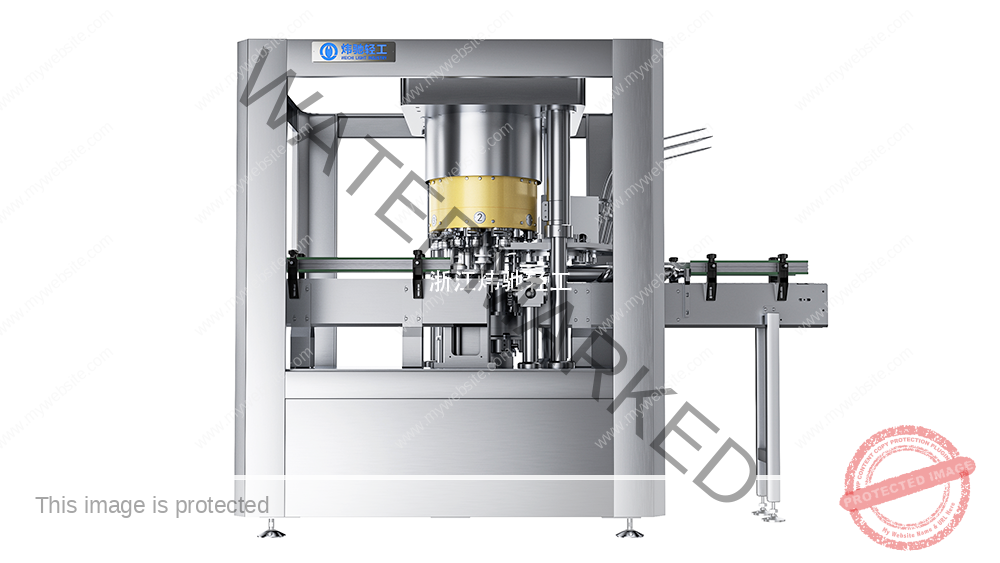
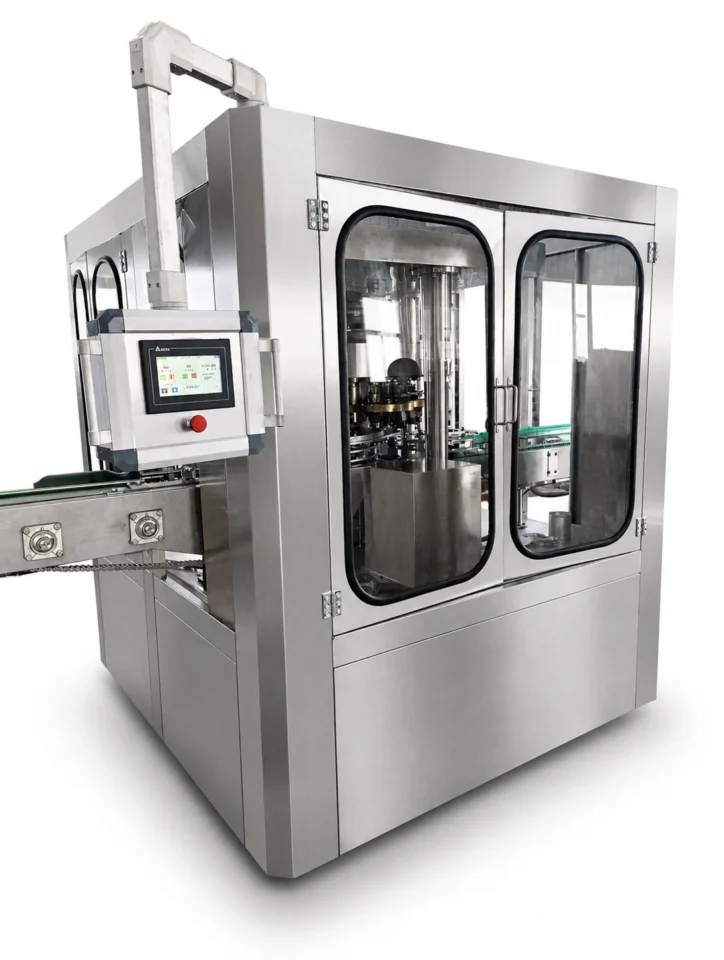
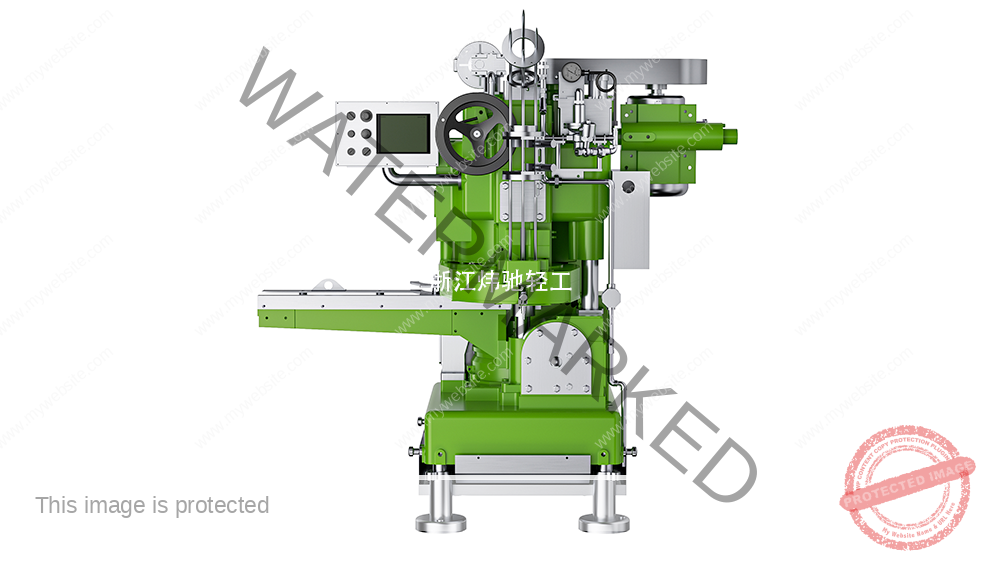
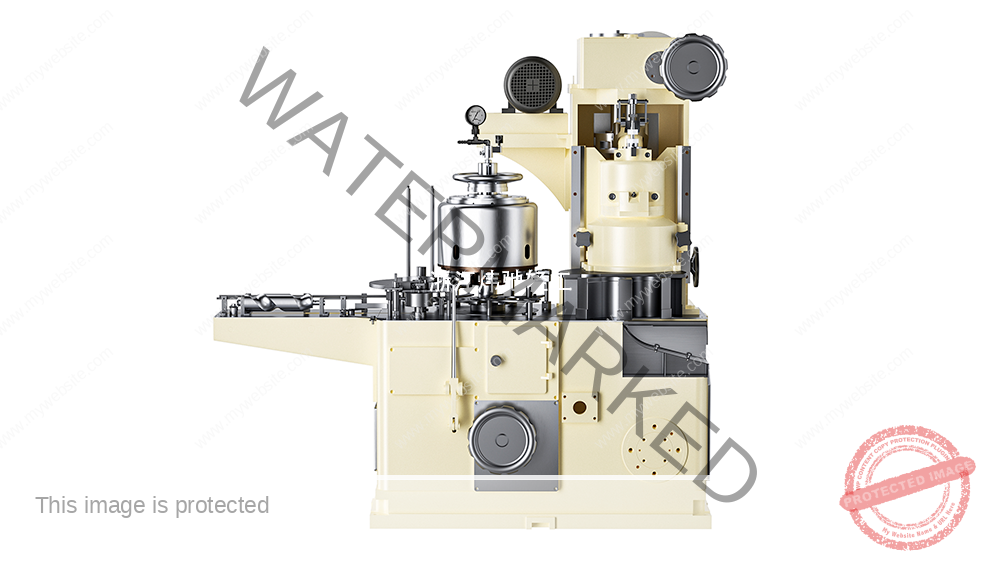
A supplier's product catalogue describes a product, not the condition of the installed machine. For example, Weichi's premium automatic can seamer lists automatic lubrication and independent first- and second-operation adjustment. These are new-machine comparison points; they do not demonstrate that the same features can be added to an existing seamer.
3. Apply feasibility gates before comparing cost
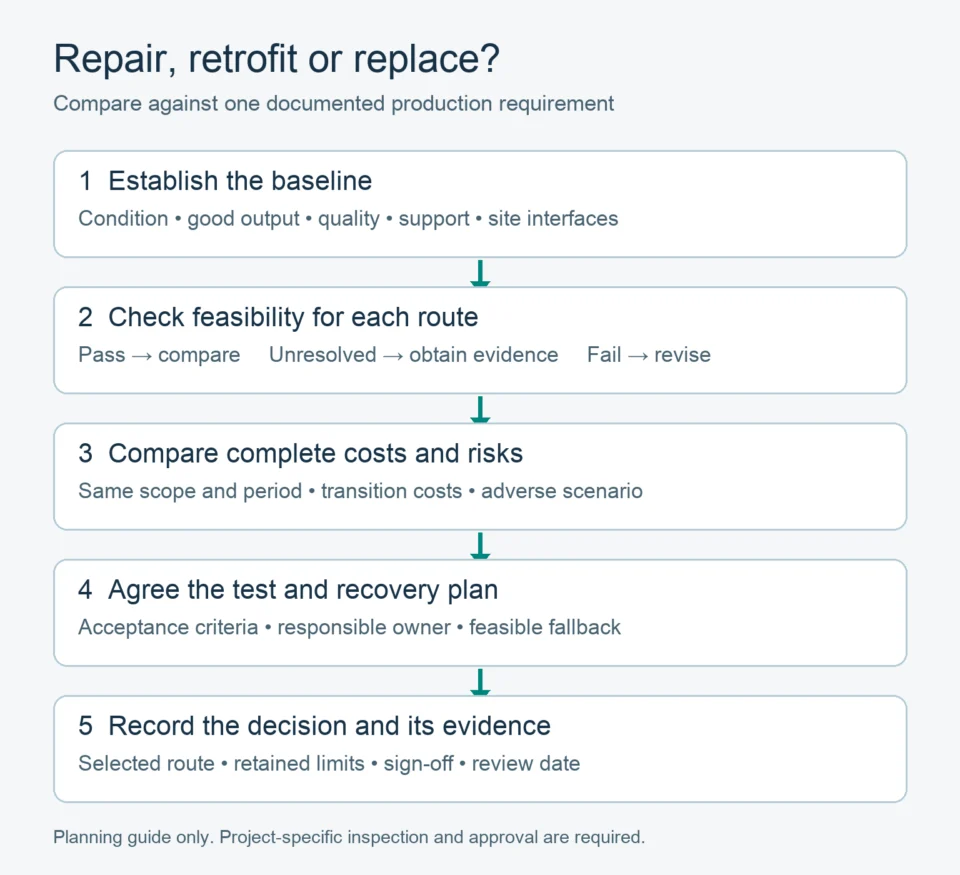
For each proposed route, record pass, unresolved or fail against the approved requirement. An unresolved item needs an owner, evidence request and closure date. Do not average a failed safety, product-quality or fundamental compatibility requirement into a favourable overall score.
- The retained or proposed machine has a documented route to the required product, can and end combination.
- The change scope identifies affected mechanical, electrical, control, cleaning and guarding functions.
- Critical parts, software work, drawings and competent implementation resources are available within the project window.
- The planned test can demonstrate the required outcome under agreed conditions.
Changes to machinery can also change the safety assessment required. HSE's guidance on refurbished and modified machinery distinguishes restoration from substantial changes affecting design, function or safety. It is UK guidance: the responsible competent parties must determine the requirements for the actual installation and market.
4. Compare the routes in one matrix
Use the same product mix, output target, evaluation period and cost basis. Each cell below is a question to answer with an inspection, quotation, test or documented assumption.
| Criterion | Repair / retain | Defined retrofit | Replacement |
|---|---|---|---|
| Scope | What original function is restored? | What changes, and what remains untouched? | What is included in the new supply? |
| Remaining constraints | Which limitations remain after repair? | Which retained assemblies limit the outcome? | Which upstream, downstream or site limits remain? |
| Implementation interruption | Repair, checks and restart window | Preparation, conversion, tests and recovery window | Removal, delivery, installation and qualification window |
| Evidence for output | Verified restored baseline | Agreed test of the changed configuration | Agreed acceptance test with the actual application |
| Support and residual risk | Retained obsolescence and wear exposure | Support for both new and retained components | Service scope, spares and integration responsibility |
| Cost boundary | Repair and future operating consequences | Complete conversion and future operating consequences | Installed replacement and future operating consequences |
5. Include transition costs and uncertainty
For a preliminary comparison, use: total evaluated cost = initial implementation + planned transition costs + operating and maintenance costs over the same period + scenario-specific disruption costs − supported residual value. State the currency, price date, period and assumptions. This is a scoping worksheet, not a supplier quotation or investment return promise; a financial appraisal may additionally require an agreed discount and tax basis.
List engineering, parts, software, installation, utilities, training, test material, validation and removal where applicable. Do not count the same production loss twice under lost margin and disruption cost. Additional nominal speed has no assigned economic value until demand and the rest of the process can use the extra good output.
Run at least a base scenario and an adverse scenario: for example, a longer implementation stop or a retained assembly needing additional work. Use project-supported ranges or explicitly labelled assumptions, not an invented probability. If one missing fact changes the preferred route, obtain that evidence before selecting the option. The separate machine price-factor guide helps align quotation scope.
6. Agree acceptance and the recovery decision
Before work starts, define the controlled baseline, approved change list, test conditions, sampling, success criteria, responsible signatories and the latest point at which the team will stop and review an unsuccessful change. A rollback is valid only if it is technically feasible and restores an acceptable state. If it is not, identify an approved alternative production or recovery plan instead of assuming the old machine can simply restart.
Use the FAT and SAT checklist to plan verification of the affected functions and site interfaces. A no-load run, water trial or short demonstration cannot by itself close all product, packaging and sustained-output requirements.
Copyable decision record
- Machine identity and revision baseline:
- Required product / packaging / good output:
- Verified constraint and supporting record:
- Repair scope / retrofit scope / replacement scope:
- Feasibility gates and unresolved items:
- Included costs, period and common assumptions:
- Base and adverse scenario results:
- Test plan, release authority and recovery decision:
- Selected route, reason, owner and review date:
Common questions
Does an old machine always need replacing?
No. Age prompts a condition and support review; it does not establish the outcome. A serviceable machine with a verified repair route may remain useful, while a newer machine may still be unsuitable for a changed application.
Is a controls upgrade enough to increase production?
Only if the assessed constraint and the complete system support that result. Mechanical duty, product handling, quality and surrounding equipment still need to be evaluated.
Can Weichi confirm a retrofit from photographs?
Photographs can support an initial discussion, but they do not establish feasibility or an approved scope. Existing-machine retrofit work requires a separate review and written confirmation. New-machine specifications must not be presented as a universal retrofit offer.
Prepare the application review
Send the machine identity, current product and packaging, measured problem, proposed requirement, available drawings and the permitted shutdown window through the Weichi application enquiry page. Use the quotation information checklist for the remaining project inputs. Ask for separate repair, retrofit or replacement scope only where feasibility has been confirmed.
Technical Basis and Project Evidence
Final equipment selection and acceptance must use the project product, can and end drawings, utility conditions, line interfaces, agreed test duration, and documented FAT/SAT criteria. Can and end supplier specifications remain authoritative for double-seam limits.
- U.S. FDA: Low-Acid Canned Food Manufacturers, Part 3 — Containers and Closures
- SAMR record: GB/T 30639-2014 — Sauce filling and seaming equipment
- SAMR record: GB/T 40360-2021 — Still-beverage can filling and seaming equipment
Review equipment families See project references Submit application data