
Key Takeaways
- To reduce dents, scuffs and tipped cans at a filling and seaming machine, locate the first transfer point where a sound can becomes damaged. Check the same can format before and after each i…
- This guide provides a defect-tracing method and a test-record template. Transfer dimensions, guide settings, speed relationships and acceptance limits must come from the approved machine con…
- Keep incoming-can samples and identify their lot, format and condition. Establish observation points immediately before the infeed, after the transfer into the machine, at discharge and afte…

To reduce dents, scuffs and tipped cans at a filling and seaming machine, locate the first transfer point where a sound can becomes damaged. Check the same can format before and after each interface, then compare normal running with supply interruptions, accumulation and restart. The place where a reject is detected may be several transfers downstream of the contact that caused it.
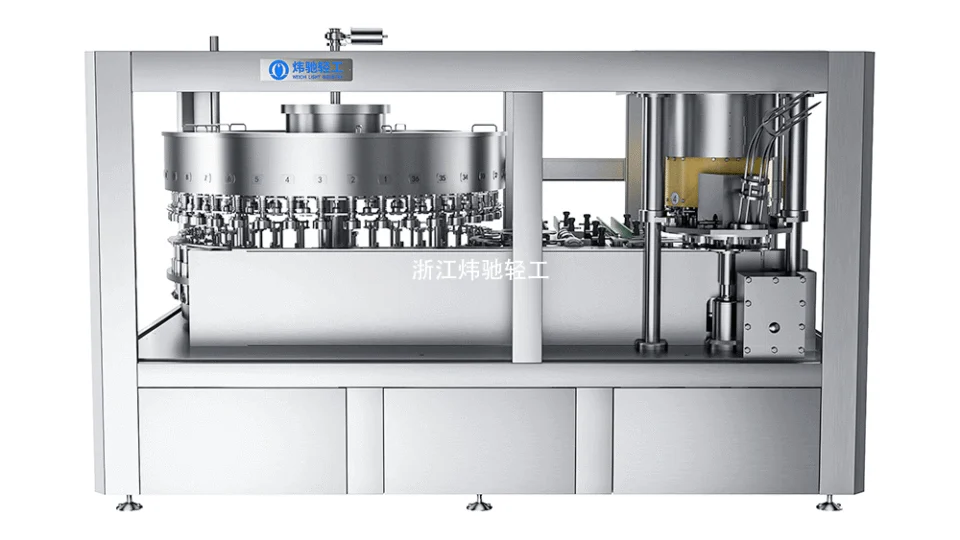
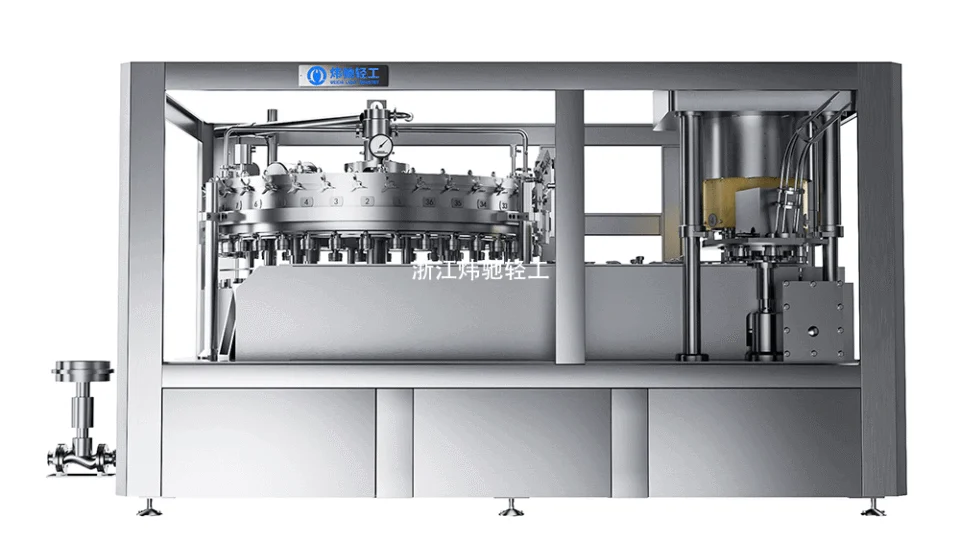
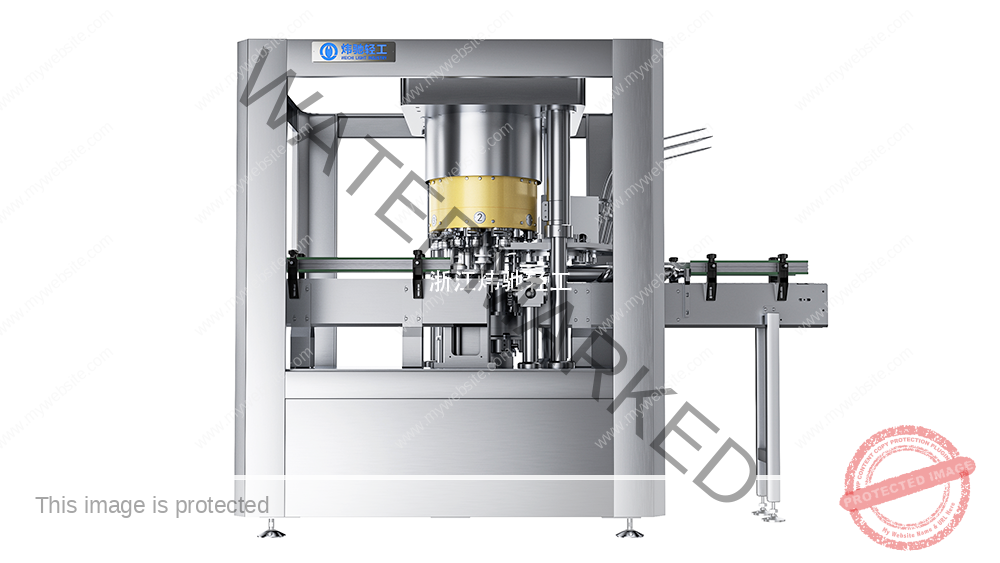
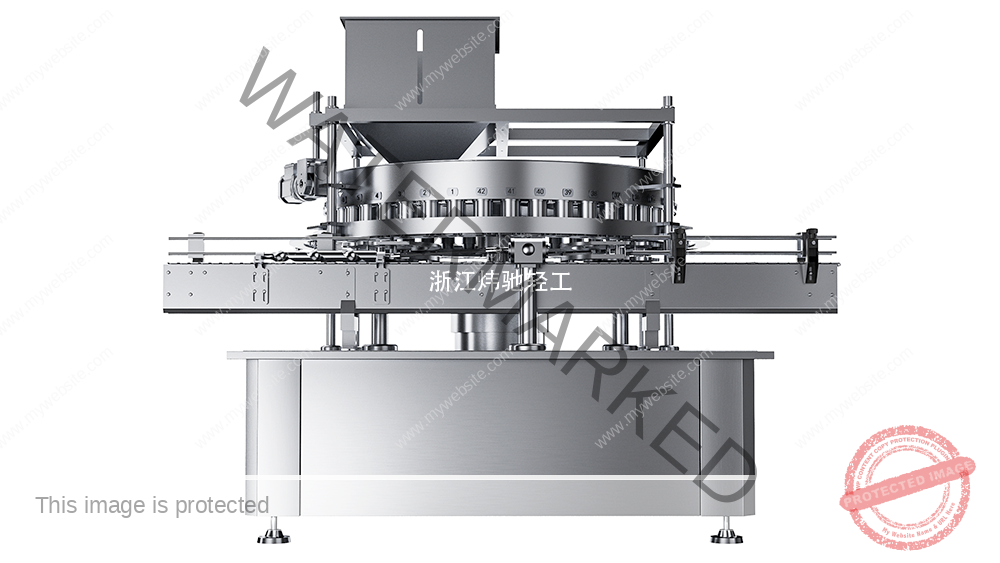
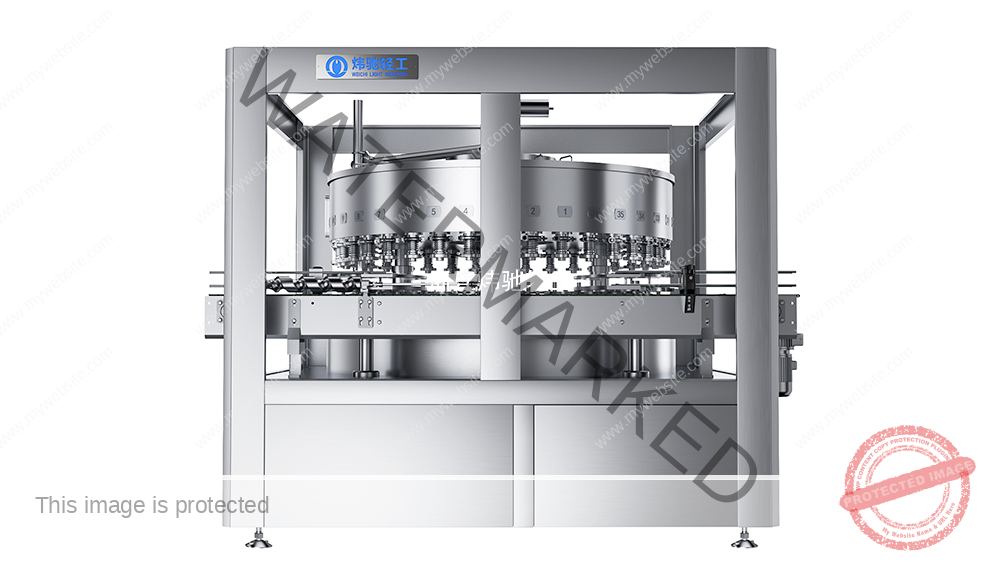
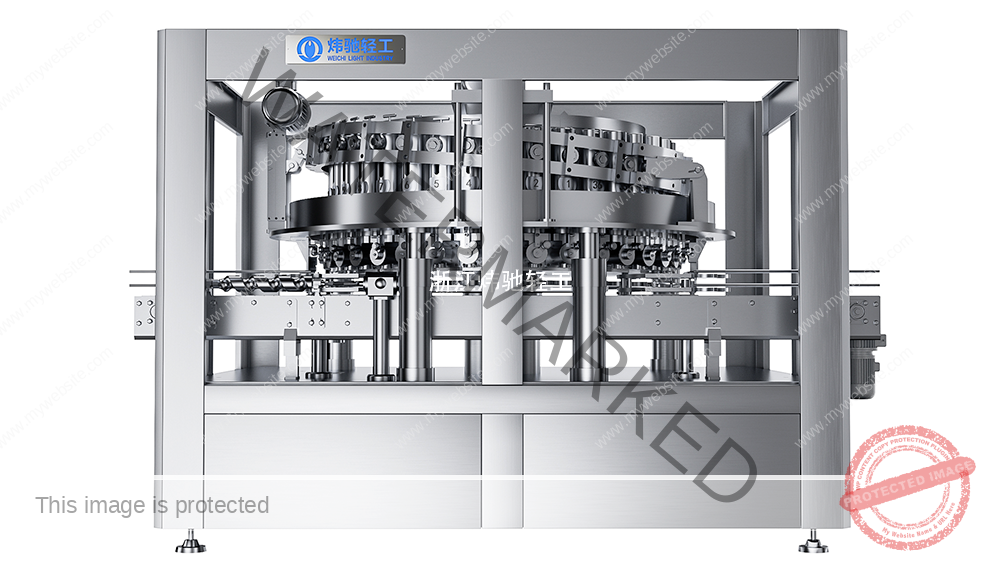
Cover image: AI-generated industrial concept; not a customer photograph or a verified machine layout.
This guide provides a defect-tracing method and a test-record template. Transfer dimensions, guide settings, speed relationships and acceptance limits must come from the approved machine configuration, can supplier requirements and project trials. It does not prescribe a universal conveyor gap or guide clearance.
1. Separate incoming damage from damage created by the line
Keep incoming-can samples and identify their lot, format and condition. Establish observation points immediately before the infeed, after the transfer into the machine, at discharge and after the receiving conveyor. For filled cans, record fill condition as well: an empty-can trial cannot establish the stability of a filled container.
Describe each mark by its height, shape, direction and position relative to a repeatable reference on the can. A repeated mark at a similar height is a reason to inspect contact surfaces at that height; it is not proof that a particular rail caused it. Photograph the mark with a scale, retain representative samples and compare where it first appears.
The Canadian Food Inspection Agency’s metal-can defect guide describes handling dents and abrasion mechanisms, including contact with feed screws and conveyors. It also distinguishes superficial damage from deformation that affects the seam or metal. Its food-can inspection context is not a universal acceptance specification for every beverage can; use the applicable can and product requirements.
2. Inspect the actual transfer geometry
Before physical inspection, stop and isolate the equipment according to the site procedure. Check the installed condition against the agreed layout and change-part records. Identify each interface rather than describing the whole infeed as one area.
- Base support: inspect the transition between conveying surfaces, changes in elevation, worn transfer plates and edges that can interrupt support. Evaluate them with the actual can base geometry.
- Guide contact: look for sharp joints, exposed fasteners, wear, debris and abrupt changes in the guide path. Check both sides and any height change through the transfer.
- Entry and spacing: where a feed screw, starwheel or other timing element is installed, verify the correct format parts, alignment and approved timing. Do not assume every machine uses the same mechanism.
- Exit support: inspect the handoff to the receiving conveyor and the condition when downstream cans accumulate. A discharge that looks smooth with isolated cans can behave differently with a queue.
Record measured conditions and photographs before adjustments. A “wider guide” or “faster belt” instruction without a defined interface, approved setting and repeatable test makes the next investigation harder.

3. Check flow conditions, not just a steady speed
Observe transfers under the agreed operating conditions using the installed guarding and safe observation methods. Include normal flow, low supply, controlled stop and restart, and the specified downstream interruption. Do not create a jam by reaching into running equipment or defeating safeguards.
Record machine rate, conveyor settings, visible accumulation and the order of stop signals. A relative speed difference may change spacing or sliding; accumulated cans may change contact loads. Treat these as hypotheses to test against the observed marks, not automatic diagnoses. Conveyor surface condition, can coating and contamination can also change friction.
For an upstream shortage or downstream blockage, verify the installed control response and recovery sequence with the responsible integrator. Agree who controls each conveyor and which signals are exchanged. The machine interface matrix covers these ownership and connection boundaries; this page focuses on locating container damage at the transfer itself.
4. Use a defect-tracking record that distinguishes observation from conclusion
Use one record per defect pattern and operating condition. Count inspected cans as well as defective cans, and keep the inspection method consistent. “No defect observed” without a sample count and test duration is not a quantified result. On a phone, scroll the table horizontally.
| Record field | What to capture | What it helps decide |
|---|---|---|
| Container and condition | Can specification, lot, empty/filled state, product and change-part revision. | Whether comparisons use equivalent samples. |
| First appearance | Last sound observation point; first damaged point; mark photos and retained sample ID. | Which transfer interval needs investigation. |
| Operating state | Rate, conveyor settings, supply/accumulation state, stop or restart event. | Whether the pattern is state dependent. |
| Inspection result | Inspected count, defect count by type, duration and agreed classification. | The observed frequency and its test boundary. |
| Change and repeat test | Authorized change, before/after setting, matched trial results and release owner. | Whether evidence supports keeping the change. |
5. Verify one approved change before releasing production
Change one identified factor at a time where practical. Repeat the relevant conditions with comparable samples; check that a reduction in scuffing has not introduced tipping, unstable spacing or a new contact point. Restore guarding and verify the applicable stop and recovery functions before release.
Keep affected output identified while quality personnel assess it. A dent near the seam, sharp deformation, leakage or suspected metal/coating damage needs the applicable quality evaluation; a conveyor adjustment does not establish package integrity. Record the disposition separately from the equipment repair. For the wider restart process, see controlled downtime investigation and recovery.
6. Prepare interface evidence before procurement or commissioning
Send the supplier the actual can specification and samples, current interface layout, conveying direction, available transfer space, required operating rate, downstream interruption conditions and defect photographs. Define the observation points and acceptance record in the FAT/SAT plan. Agree the duration, sample quantity, defect classification and stop/restart conditions before testing; none is a universal value supplied by this article.
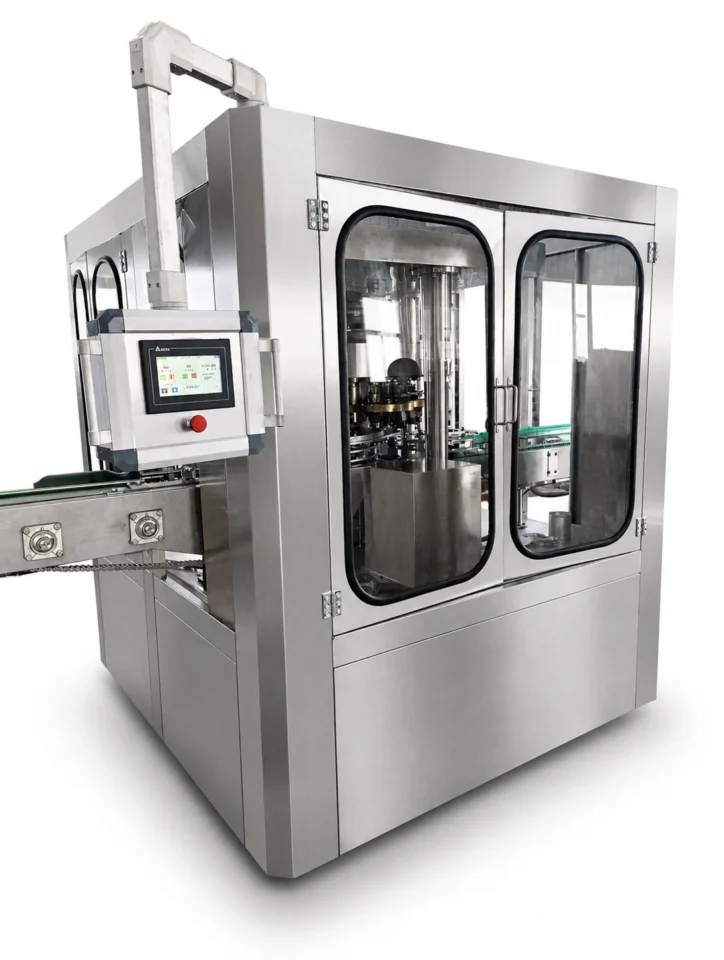
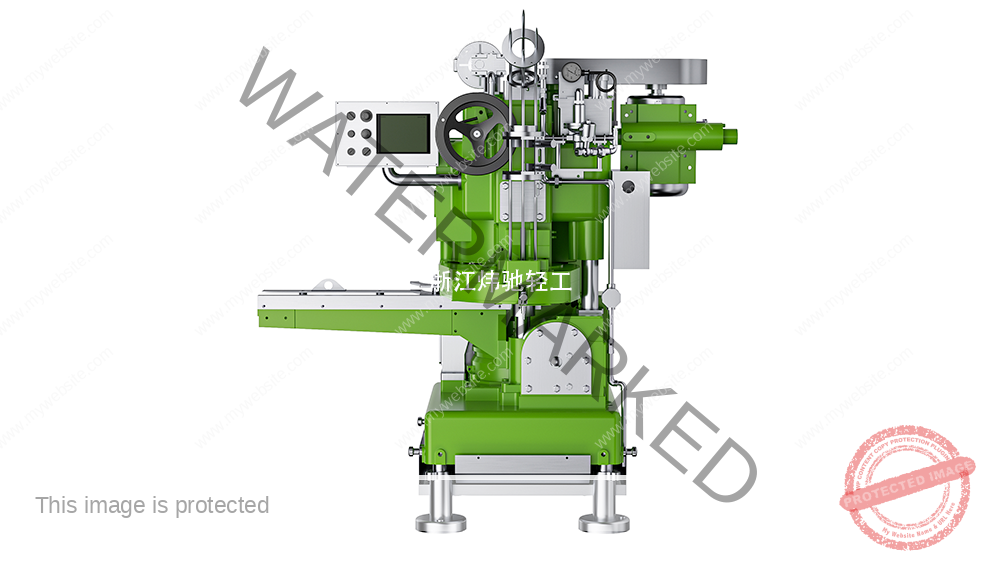
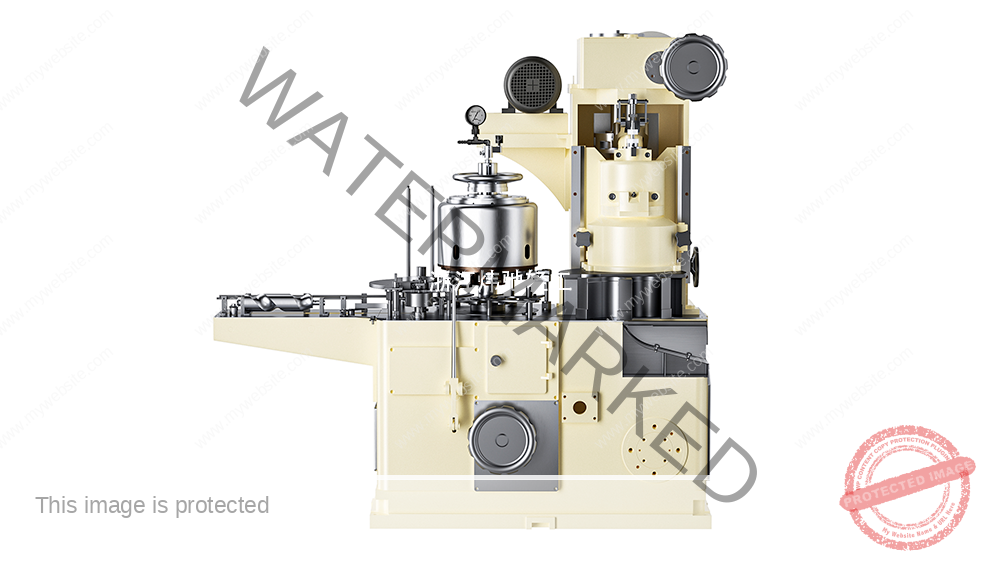
Zhejiang Weichi’s viscous liquid and sauce can filler-seamer integrates filling and seaming for compatible products and containers. Its public product information is a starting point for configuration review. The project’s transfer arrangement and container-protection performance still require confirmation with the selected can, product and connected line.
Use the project requirements enquiry to share those inputs and request an interface review. If the damage begins after a format change, also check the change-part and first-article release plan.
Questions about can transfer protection
Does a dent found at discharge prove the seamer caused it?
No. Compare samples before and after successive transfer points to narrow the first appearance. Inspect that interval and test the suspected contact under the matching operating condition.
Should the receiving conveyor always run faster?
There is no universal speed relationship. Agree and test the settings with the actual container, support geometry, accumulation behavior and control response. A speed change can create a different transfer problem.
Can an empty-can trial approve filled-can discharge?
It cannot establish filled-container stability or product movement. Include representative filled cans and the agreed stop, restart and downstream conditions in the relevant trial.
Technical Basis and Project Evidence
Final equipment selection and acceptance must use the project product, can and end drawings, utility conditions, line interfaces, agreed test duration, and documented FAT/SAT criteria. Can and end supplier specifications remain authoritative for double-seam limits.
- U.S. FDA: Low-Acid Canned Food Manufacturers, Part 3 — Containers and Closures
- SAMR record: GB/T 30639-2014 — Sauce filling and seaming equipment
- SAMR record: GB/T 40360-2021 — Still-beverage can filling and seaming equipment
Review equipment families See project references Submit application data