
Key Takeaways
- An automatic can seamer can suit short production runs when the actual can-and-end combination passes quality acceptance and the complete batch fits the available production window. There is…
- This guide provides a planning worksheet, not a tested machine performance claim or a payback promise. Use it alongside the agreed project acceptance plan.
- A SKU change is not always a mechanical format change. The same package with a different product may mainly change cleaning and product-handling requirements. A different diameter, end speci…

An automatic can seamer can suit short production runs when the actual can-and-end combination passes quality acceptance and the complete batch fits the available production window. There is no universal minimum batch. Compare accepted output, changeover-to-release time, trial losses and staffing for your order mix; a higher rated speed alone does not establish the better choice.
This guide provides a planning worksheet, not a tested machine performance claim or a payback promise. Use it alongside the agreed project acceptance plan.
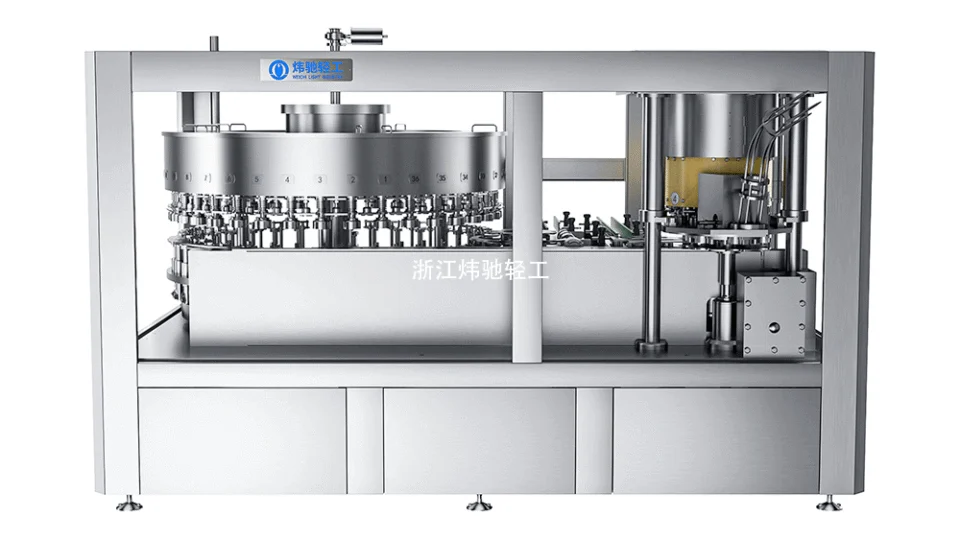
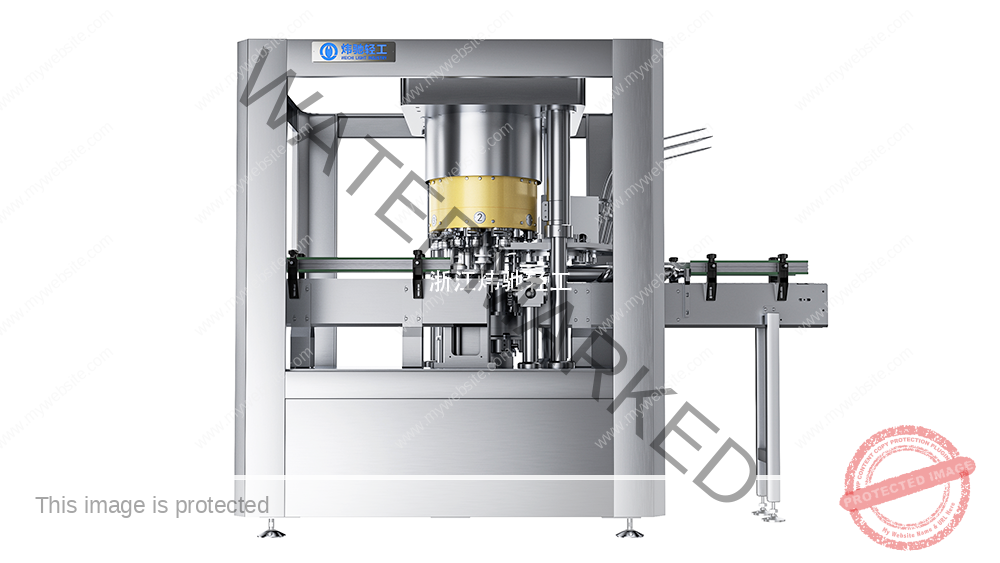
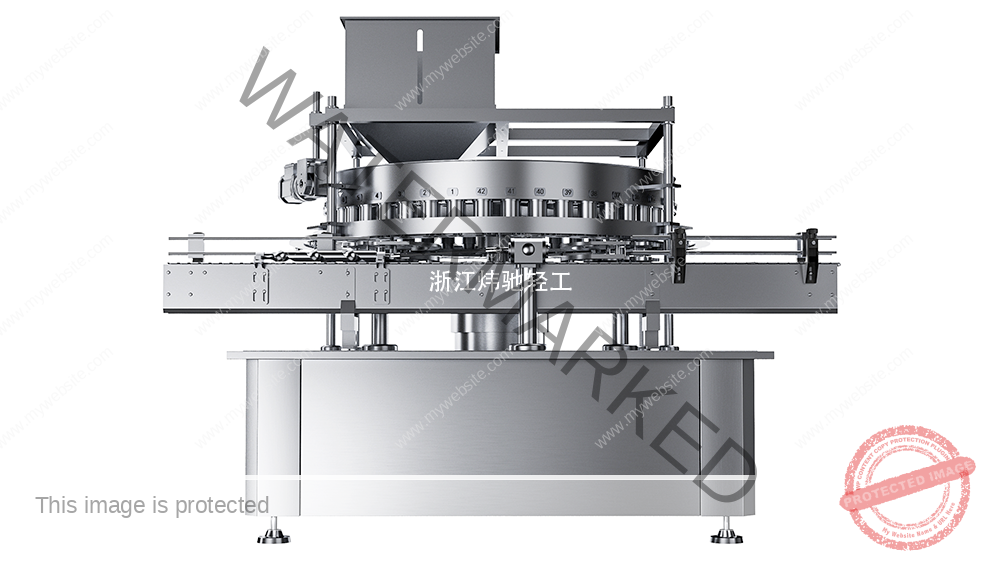
Cover image: AI-generated concept illustration, not a factory photograph or test record.
Define what changes between two orders
A SKU change is not always a mechanical format change. The same package with a different product may mainly change cleaning and product-handling requirements. A different diameter, end specification or height can require a review of tooling, guides, settings and inspection. Confirm the exact combination with the supplier; similar-looking cans do not establish interchangeable tooling.
Make a transition matrix for the formats you actually buy. Record A-to-B and B-to-A separately when cleaning, tooling or release requirements differ. The detailed changeover work belongs in the changeover and first-piece release plan; this article focuses on whether the resulting batches make operational sense.
Use accepted cans and a complete batch clock
A useful first comparison is T = C + Q / r + E, with all time expressed in minutes:
- C: elapsed time from the previous batch's last saleable can to approved release of the next batch. Include the applicable changeover, cleaning, trial cans, inspection and waiting within this boundary. Overlapping work uses elapsed time, not the sum of every activity's duration.
- Q: saleable cans required after release. Trial rejects and destructive samples are not saleable output.
- r: accepted saleable cans per elapsed minute in the agreed post-release operating window, including the effect of short stops and rejects. It is not the catalogue speed. If samples are removed during this window, treat their count consistently in the accepted-output calculation.
- E: end-of-batch closeout or cleaning outside the other terms. Include it only once. A shared cleaning boundary must not appear both here and in the next batch's C.
Record any additional shutdown or cleaning outside these boundaries separately. For a daily schedule, join the actual transitions rather than multiplying one average changeover by the number of orders. Elapsed machine minutes and labor person-minutes answer different questions; retain both.
A hypothetical example: faster running can lose on a short batch
The following numbers are invented solely to demonstrate the calculation. Assume both options have already passed the same quality requirements, the rates are accepted output, and E = 0 for this isolated comparison.
| Planning assumption | Option A | Option B |
|---|---|---|
| Accepted rate r | 200 cans/min | 100 cans/min |
| Changeover-to-release C | 60 min | 20 min |
| 2,000 saleable cans | 70 min | 40 min |
| 12,000 saleable cans | 120 min | 140 min |
These lines cross at 8,000 cans: 60 + Q/200 = 20 + Q/100. That is a time crossover for these assumptions only, not a minimum economical batch, a recommended machine threshold or a financial break-even point. Change either release time or accepted rate and the answer changes.

Collect the records that can change the decision
| Record | Why it matters |
|---|---|
| Order size, frequency and delivery window | Reveals the shortest recurring batch and the real available time. |
| Can/end drawings, samples and tooling set | Defines the package combinations that require qualification. |
| Transition timestamps and release result | Separates adjustment, cleaning, trial production and test-result waiting. |
| Post-release accepted output and elapsed window | Provides a rate that can be compared consistently. |
| Trial cans, ends, product loss and test samples | Captures material use that disappears from saleable output. |
| Person-minutes, utilities and closeout | Supports an incremental batch-cost estimate without confusing time with money. |
For batch cost, use actual material losses, labor person-minutes, utilities and relevant testing or cleaning charges. Keep allocated fixed costs separate from costs that change with the order. For investment decisions, use a consistent horizon and avoid counting capital purchase and its depreciation twice in the same cash-cost calculation; see the can seamer total-cost-of-ownership method.
Validate the difficult transition before choosing
Ask for a trial covering a representative short order and a demanding format or product transition, using the agreed production cans and ends. Record start and finish boundaries, operator roles, trial losses, seam inspection and release decisions. Include stop/restart conditions where relevant. Agree sampling and acceptance criteria for the package and product rather than treating an illustrative worksheet as a seam standard.
Check the filler supply, conveyors, downstream accumulation and cleaning constraints too. Grouping compatible orders can reduce transitions when product, hygiene and delivery requirements permit it; it does not remove the need to release each required setup. A short order also does not prove the machine should run arbitrarily slowly: verify the minimum stable speed for the actual package and line.
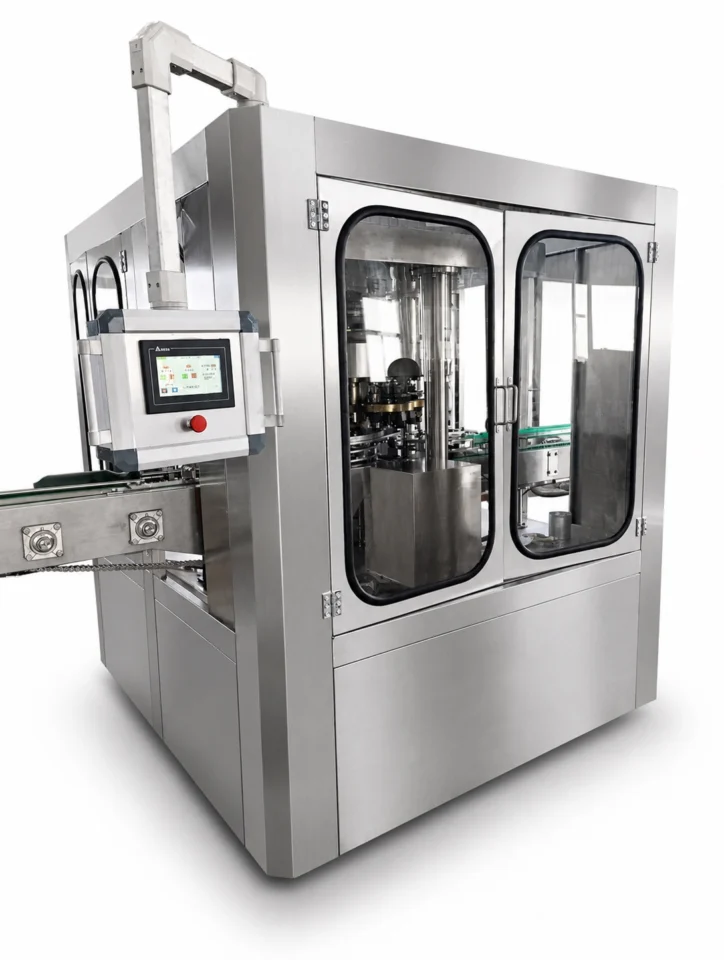
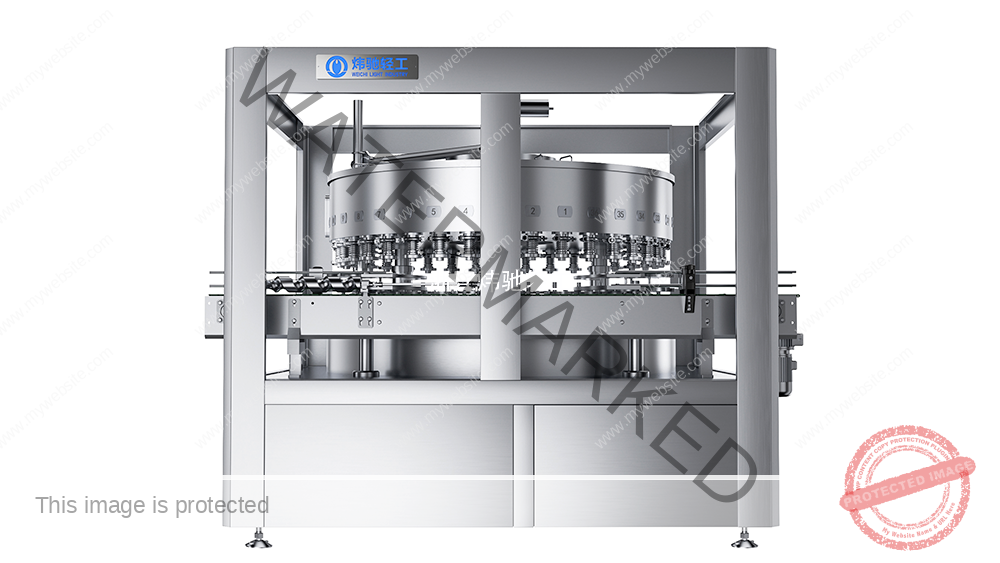
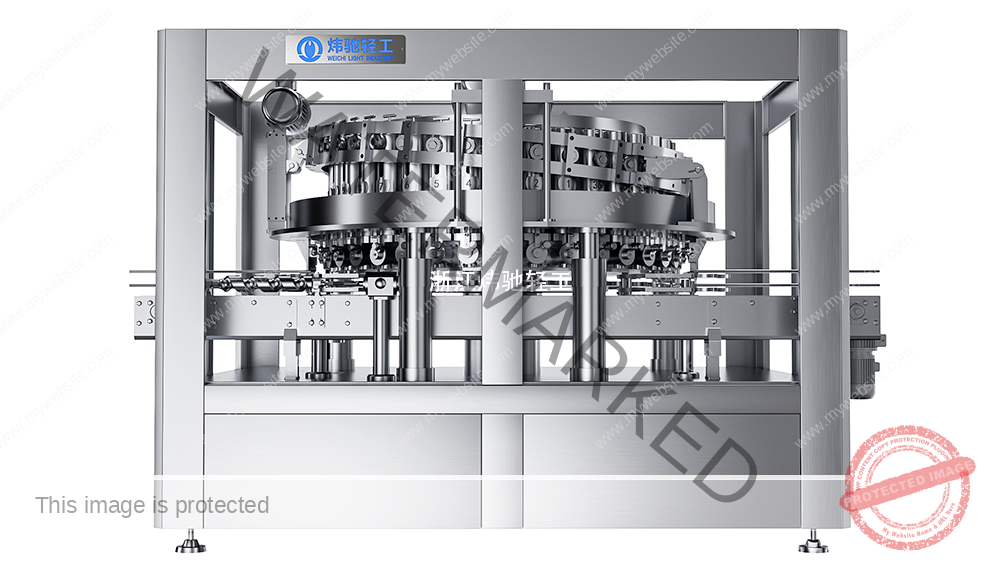
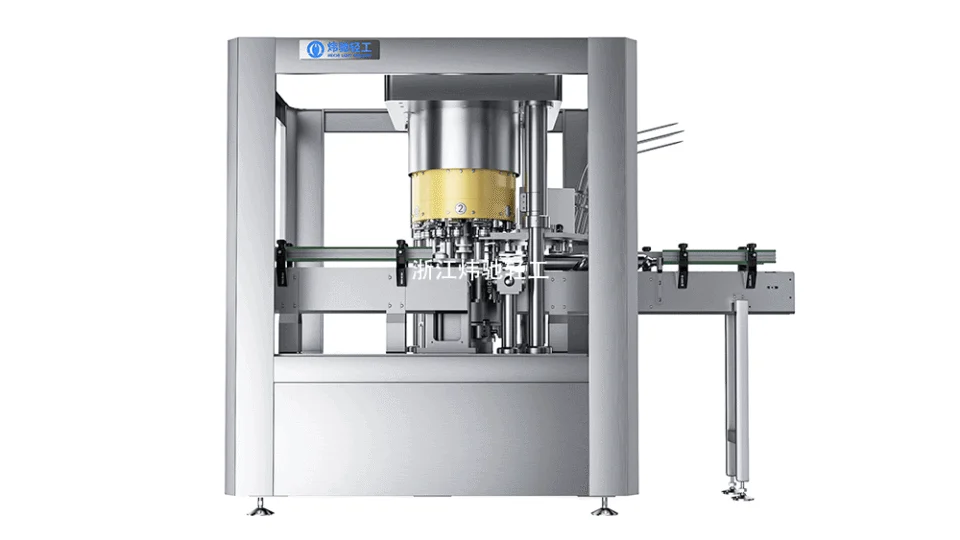
Weichi's automatic can seaming machine page is an initial industrial equipment reference. For a short-run assessment, send both the hourly target and the order-size/transition matrix, together with can/end drawings, product conditions and the available production window. Request a project-specific review of compatibility, scope and trial requirements before selecting equipment.
Frequently asked questions
What is the minimum batch for an automatic can seamer?
There is no single number that applies across packages, products and machines. Establish quality compatibility first, then calculate the actual batch clock and costs from verified transition and output records.
Does a higher rated speed always help with many SKUs?
No. Short batches may spend more time changing and waiting for release than running. Compare the full schedule at verified accepted rates.
Can I reuse one changeover time for every format?
Only when evidence supports equivalent work and release conditions. Different transition directions, cleaning needs and tooling changes can produce different times.
Method reference: the Lean Institute Brasil terminology describes changeover around the transition from the previous production run to good output from the next. This worksheet explicitly extends the boundary to the project's approved quality release. The numerical example is original and hypothetical.
Technical Basis and Project Evidence
Final equipment selection and acceptance must use the project product, can and end drawings, utility conditions, line interfaces, agreed test duration, and documented FAT/SAT criteria. Can and end supplier specifications remain authoritative for double-seam limits.
- U.S. FDA: Low-Acid Canned Food Manufacturers, Part 3 — Containers and Closures
- SAMR record: GB/T 30639-2014 — Sauce filling and seaming equipment
- SAMR record: GB/T 40360-2021 — Still-beverage can filling and seaming equipment
Review equipment families See project references Submit application data