
Key Takeaways
- A can seamer's minimum stable speed is the lowest tested operating point that meets the agreed feeding, seam-quality and output criteria for a defined can, end, product and machine setup. A…
- This guide helps buyers plan the low-speed part of an acceptance trial. It complements the head-count and accepted-output comparison; it does not assign a universal minimum rate to a model.
- The public Weichi automatic can seamer page describes touchscreen speed adjustment. It does not document a minimum stable speed for every can-and-end combination. A published maximum, an adj…

A can seamer's minimum stable speed is the lowest tested operating point that meets the agreed feeding, seam-quality and output criteria for a defined can, end, product and machine setup. A low number on the touchscreen, or a machine turning without cans, does not establish that result.
This guide helps buyers plan the low-speed part of an acceptance trial. It complements the head-count and accepted-output comparison; it does not assign a universal minimum rate to a model.

1. Separate four different speed statements
| Statement | What it establishes | What is still needed |
|---|---|---|
| Published model capacity | A first screening range or rated output | Confirmation for the actual package and application |
| HMI setpoint or inverter frequency | A command to the control system | Its units, scaling and relationship to measured can rate |
| Measured running rate | Completed cans divided by actual running minutes | Separate rejects, samples, stops and seam results |
| Accepted output over the trial window | Accepted cans divided by agreed elapsed minutes | Documented counting rules and closure-quality release |
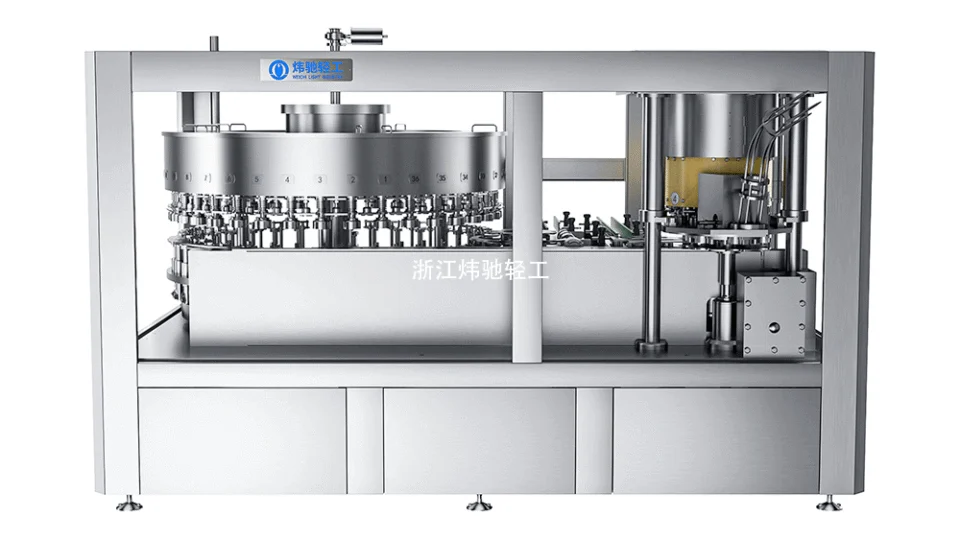
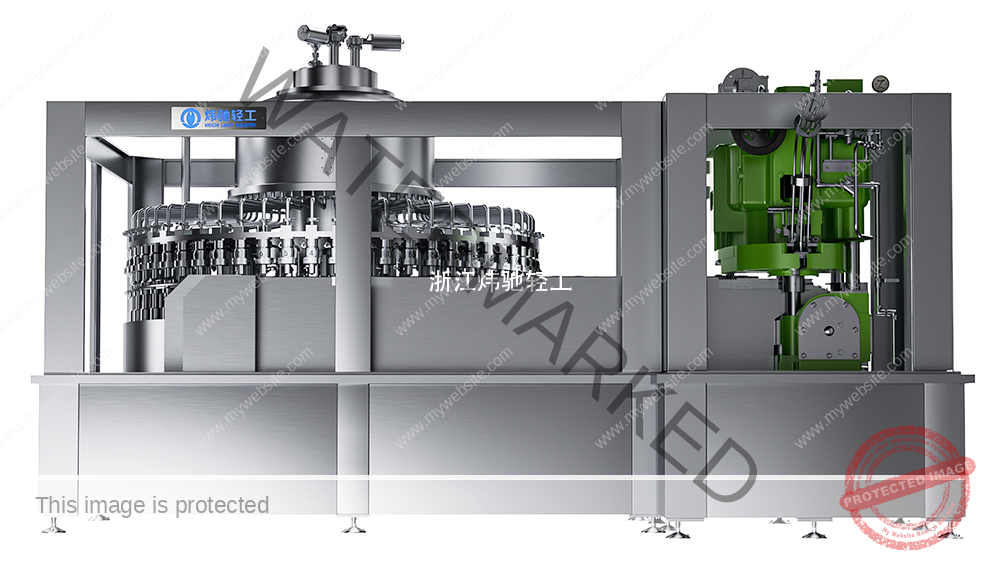
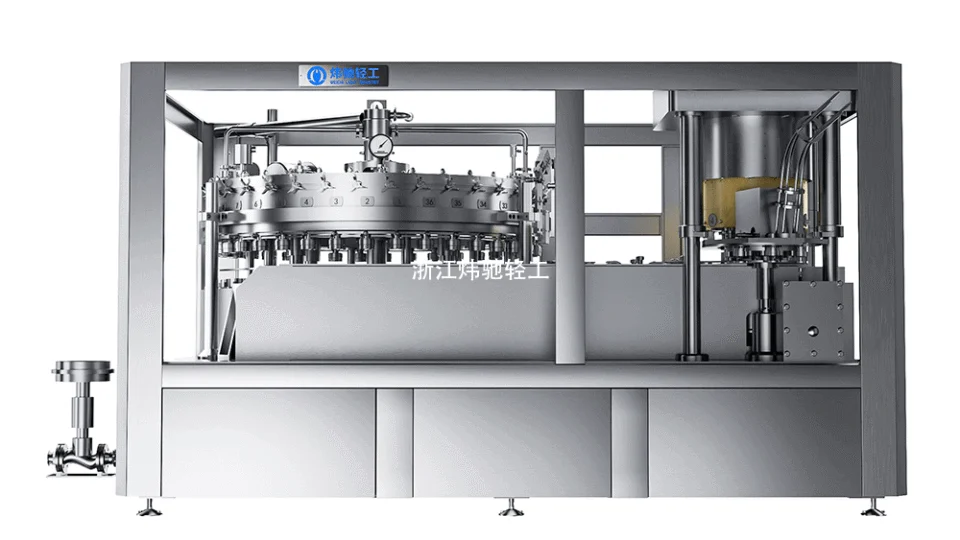
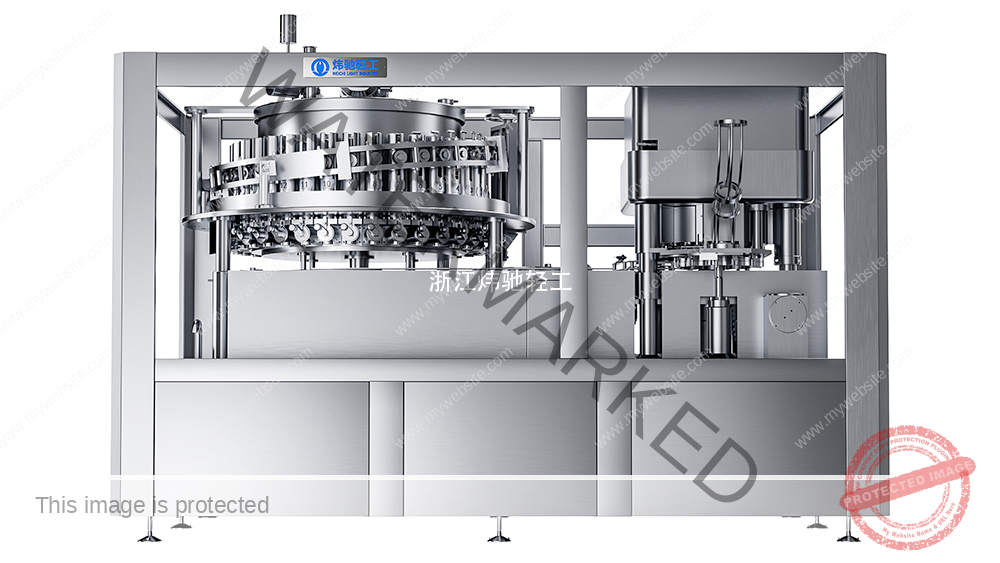
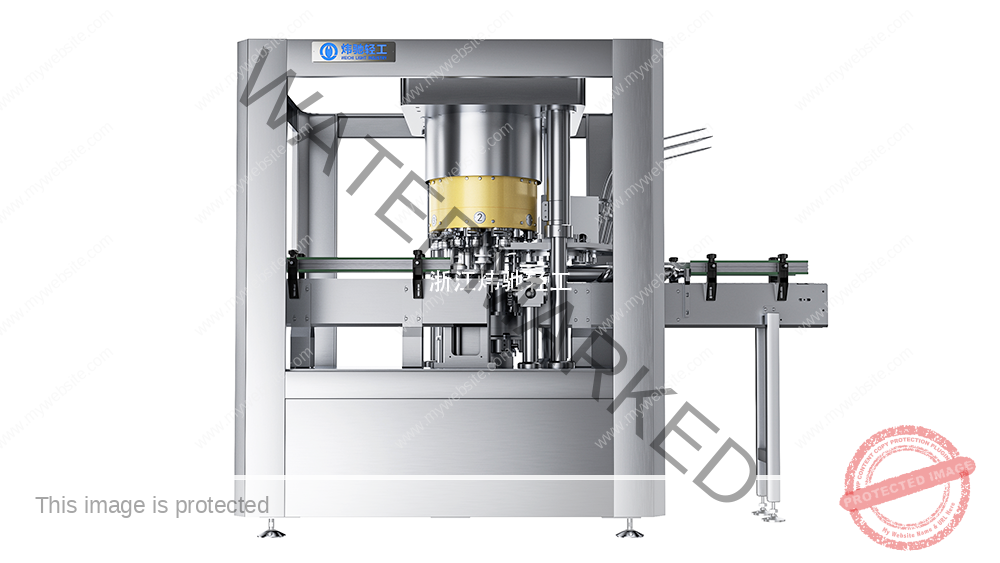
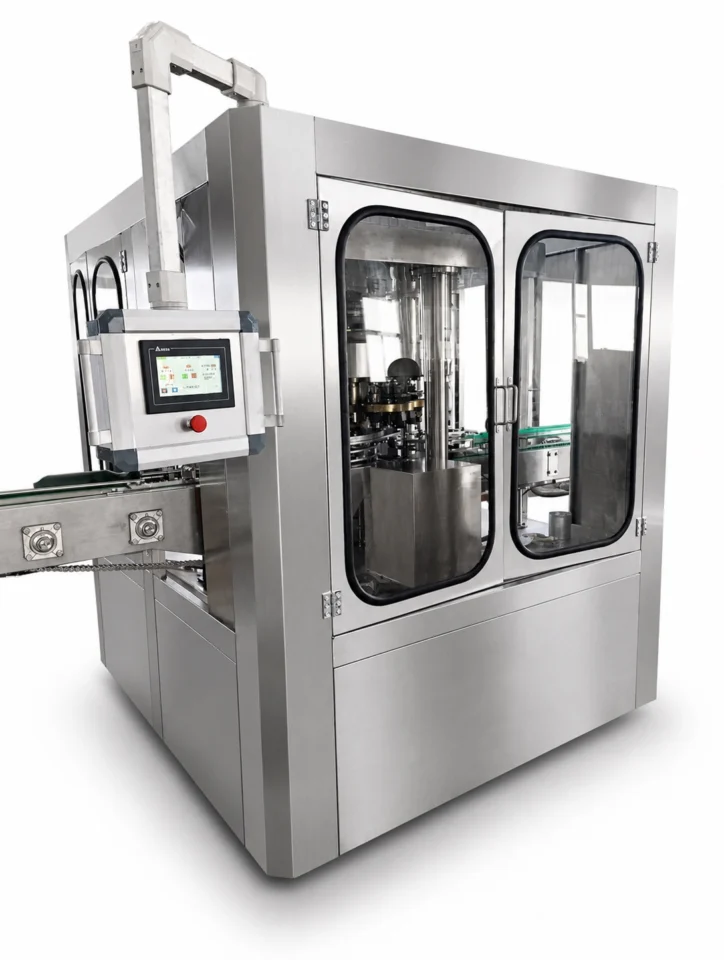
The public Weichi automatic can seamer page describes touchscreen speed adjustment. It does not document a minimum stable speed for every can-and-end combination. A published maximum, an adjustable control, and an approved low-speed operating point answer different questions. Do not extrapolate a minimum rate from the maximum rating or a percentage of inverter frequency.
2. Define the low-speed job before testing
Identify why the line needs to run slowly: a smaller upstream supply, a planned small batch, or another approved operating condition. State whether the requirement is continuous slow production or frequent stops with recovery. A full stream of cans at low speed and sparse cans entering a faster machine are different conditions and need separate records.
Freeze the can-body and end drawings and lots, filled product and fill condition, tooling, active seaming stations, recipe revision, utilities and connected equipment. Agree the speed points, trial duration, sample quantity and intervals, station coverage, allowable interruptions, reject limits and seam criteria before starting. Use the can/end supplier's applicable seam specification and the machine manufacturer's operating instructions; this article does not supply substitute limits.
3. Test sustained flow, then challenge recovery separately
- Establish a reference. At an approved normal operating point, verify feed condition and inspect representative seams using the agreed plan. An unstable reference makes a later speed comparison inconclusive.
- Step through approved lower points. At each point, allow the agreed transition period, record the actual rate, and run for the pre-agreed duration. Do not change tooling or package lots silently between points.
- Watch the complete path. Log irregular can spacing, transfer damage, end separation or placement events, missing-end alarms where configured, short stops and operator interventions. Describe observed symptoms without assuming speed is the sole cause.
- Check every station. Trace samples to time, speed point and head identity. Evaluate external appearance and the specified teardown/section measurements. A good machine-wide average must not hide one failing head.
- Run the agreed interruptions as a separate condition. Verify controlled stop/restart or supply gaps only as permitted by the machine instructions. Keep the first cans after recovery identifiable and inspect them under the agreed plan.
The CFIA metal-can assessment guide distinguishes external examination, teardown and cross-section examination. Those methods explain why appearance or output alone is insufficient; the guide is not a minimum-speed specification for this equipment. Qualified personnel should interpret the applicable package criteria.

4. Keep a record that can support a decision
Use one record for each speed point and operating condition. The following is a blank template, not Weichi trial data.
| Record field | Entry required |
|---|---|
| Configuration and point ID | Machine/recipe revision; can/end lots; product; tooling; active heads; approved setting and units |
| Time and counts | Start/end time; elapsed and running minutes; completed cans; accepted cans; rejects; inspection samples |
| Flow and interruptions | Can/end-feed events, alarms, stop cause/duration, interventions and restart sample IDs |
| Quality traceability | Head ID, sample time, inspection method, measured results and applicable specification revision |
| Disposition | Pass, fail or incomplete; reason; contained output; corrective action; retest reference and responsible approver |
Measured running rate = completed cans ÷ running minutes. Accepted trial output = accepted cans ÷ elapsed minutes. Use the same counting point and explain how destructive inspection samples are treated so counts reconcile. Do not remove stop time from the second denominator or include rejected cans as accepted output.
5. Report a tested lower operating point precisely
If a point passes, report the configuration, actual rate, duration, feeding condition and inspection evidence together. Call it the lowest passing point tested under the recorded conditions. This does not prove that every intermediate point is stable, that still lower speeds are suitable, or that another can, end, product or recipe will behave the same way.
If an anomaly occurs, identify and contain the affected output under the site's quality procedure, investigate the cause and repeat the affected checks after an approved correction. A short demonstration or incomplete sample set remains incomplete. Do not lower the speed outside the approved range, bypass guarding or alter drive protection to obtain a passing number.
Questions buyers often ask
Is slower always better for seam quality?
No. Seam results depend on the approved package, tooling, settings, machine sequence and feed conditions. Compare measured results at each proposed operating point rather than assuming a quality trend.
Can a machine running empty prove the minimum production speed?
No. Empty running cannot establish can/end handling or closure quality with representative filled cans. It can only support the specific mechanical checks that the manufacturer's procedure permits.
What should I send to confirm the required range?
Send can and end drawings or samples, product/fill conditions, target continuous and low-speed output, anticipated supply gaps, line interfaces and your proposed acceptance criteria. Ask Weichi to confirm the model, tooling and an application-specific speed trial. The final operating envelope must be confirmed for the project.
Author: Mengdi · Technical review: Hanyong · Published: November 10, 2026. This article provides a proposed test method and record template; it does not report a completed customer trial.
Technical Basis and Project Evidence
Final equipment selection and acceptance must use the project product, can and end drawings, utility conditions, line interfaces, agreed test duration, and documented FAT/SAT criteria. Can and end supplier specifications remain authoritative for double-seam limits.
- U.S. FDA: Low-Acid Canned Food Manufacturers, Part 3 — Containers and Closures
- SAMR record: GB/T 30639-2014 — Sauce filling and seaming equipment
- SAMR record: GB/T 40360-2021 — Still-beverage can filling and seaming equipment
Review equipment families See project references Submit application data