
Key Takeaways
- Choose seaming head count by the required accepted output, the approved can-and-end combination, and a trial that checks every station. Dividing machine speed by the number of heads gives an…
- Write the requirement as accepted cans over an agreed elapsed period, with the product, can body, end specification and operating conditions attached. Separately record running minutes, comp…
- This page addresses the choice of seaming stations. Conveyor buffers and upstream/downstream bottlenecks belong in the separate line-capacity assessment. If you already have a filler, also r…

Choose seaming head count by the required accepted output, the approved can-and-end combination, and a trial that checks every station. Dividing machine speed by the number of heads gives an average handling frequency. It does not establish seam quality, mechanical load or available seaming time.
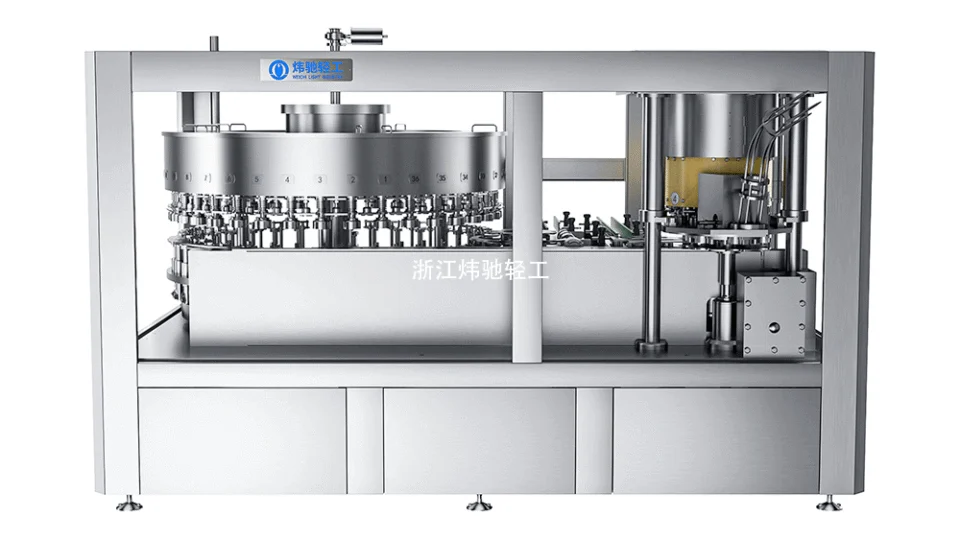
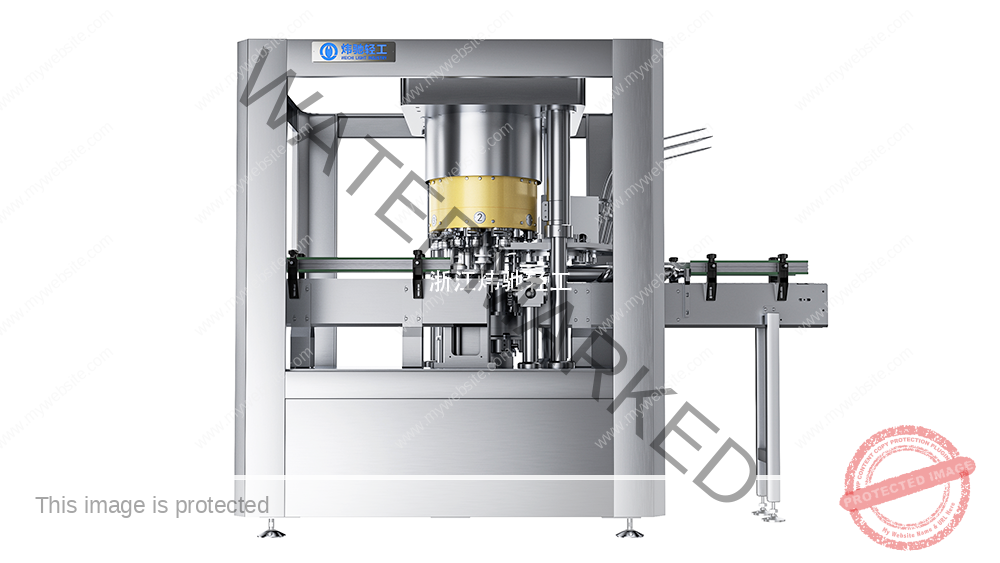
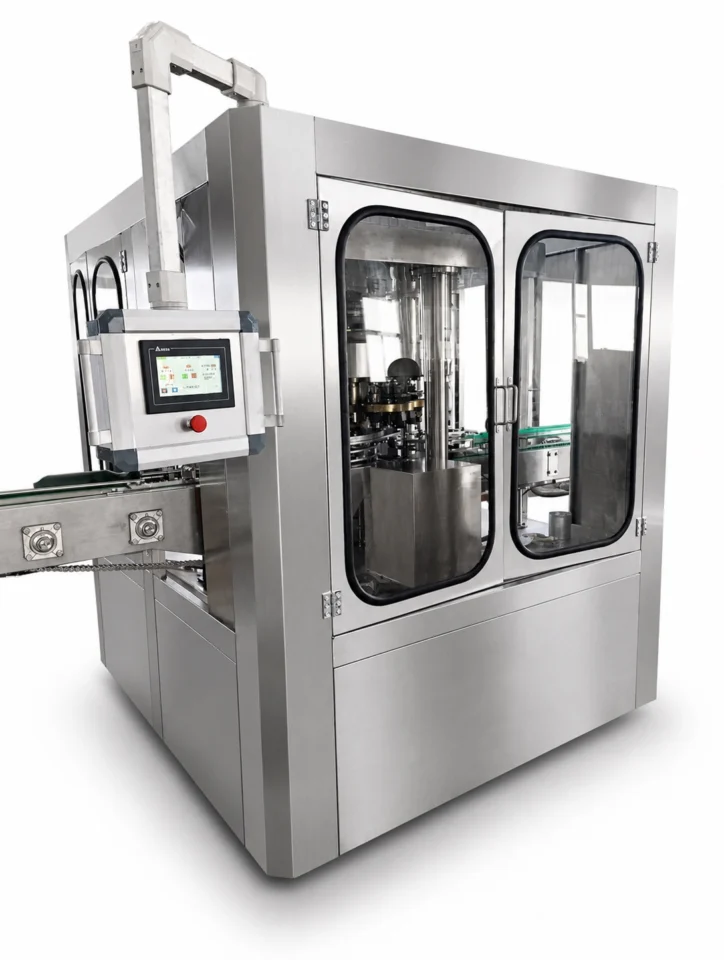
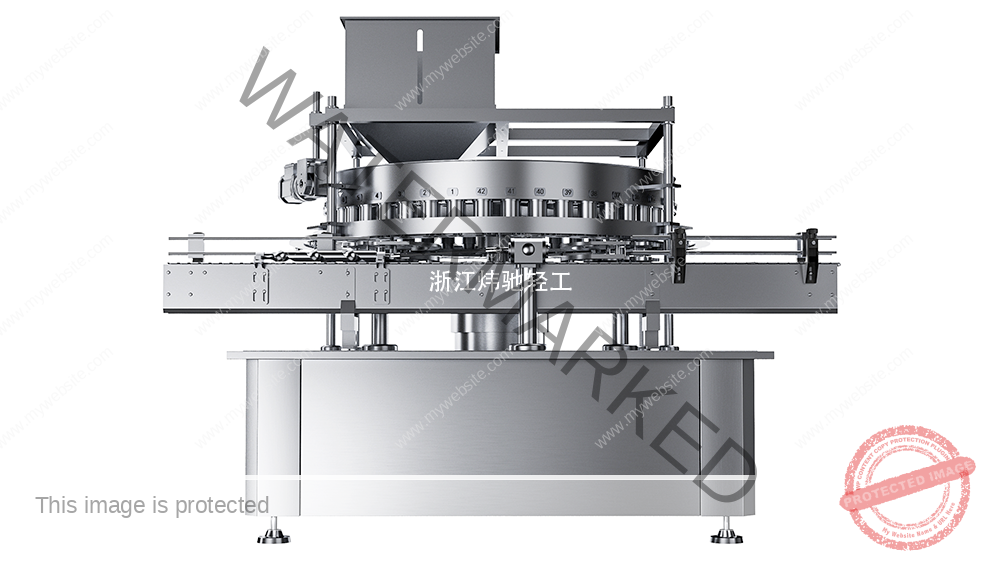
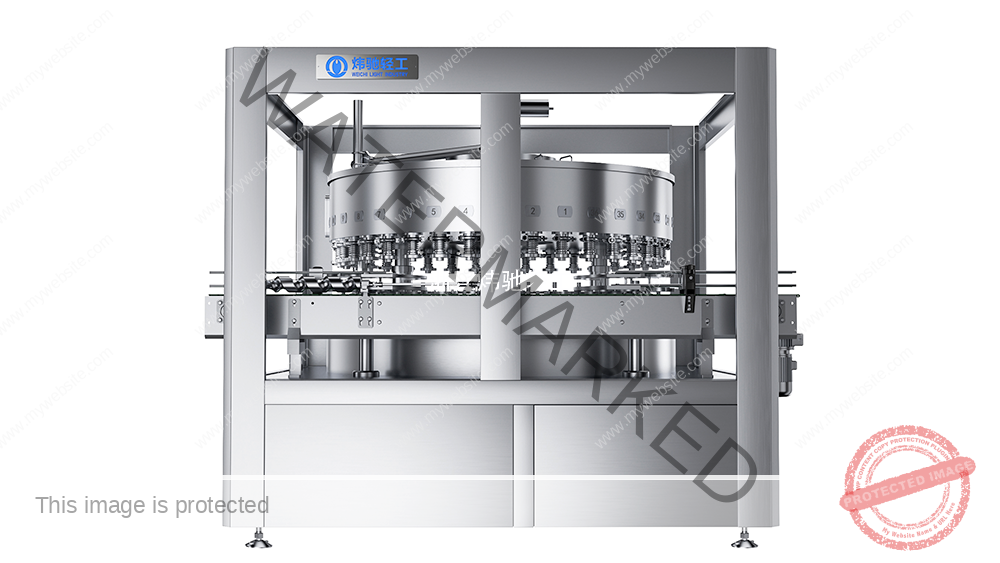
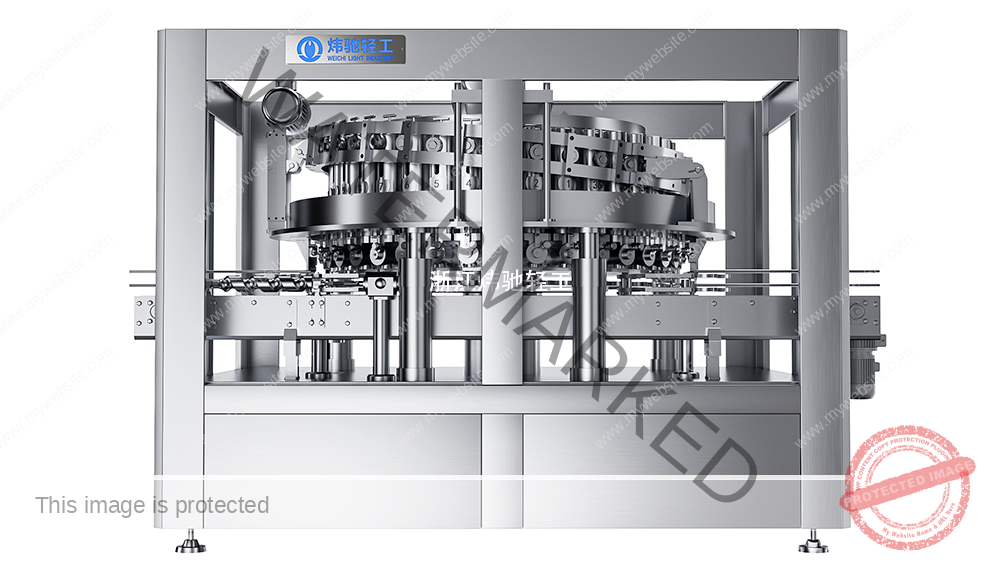
Opening image: AI concept illustration, not a photograph of an actual Weichi model or customer installation.
1. Define the output you actually need
Write the requirement as accepted cans over an agreed elapsed period, with the product, can body, end specification and operating conditions attached. Separately record running minutes, completed cans, rejects, inspection samples and stops. A short run at the displayed speed cannot demonstrate the accepted output of a production shift.
This page addresses the choice of seaming stations. Conveyor buffers and upstream/downstream bottlenecks belong in the separate line-capacity assessment. If you already have a filler, also review the standalone-versus-monoblock interface comparison.
2. Compare published models without assuming a universal rate per head
The current Weichi automatic can seamer specification table lists the following configurations. These are published screening values, not results from a common-condition acceptance trial.
| Model | Seaming stations | Published cans/min | Calculated cans/min/station | Published can diameter |
|---|---|---|---|---|
| FB4B | 4 | 250 | 62.5 | 52.5–99 mm |
| FB6B | 6 | 400 | 66.7 | 52.5–84 mm |
| FB8 | 8 | 600 | 75.0 | 52.5–73 mm |
All three list a can-height range of 92–133 mm. The different diameter ranges matter: a smaller-can, higher-speed configuration cannot be substituted for a larger-can application merely by comparing head count. Confirm the actual body/end drawings, tooling and filled product before treating a listed range as compatible.
The calculated station rates increase across this table because the published machine rates also increase. More heads therefore do not automatically mean less work per head in a comparison between different rated models.
3. Use average station frequency as a screening calculation
Average station handling frequency = running machine rate ÷ active seaming stations. This assumes the cans are distributed evenly and every active station closes one can per applicable cycle. Have the manufacturer confirm the actual machine sequence. Do not confuse a seaming station with a filling valve, a first-operation roll or a second-operation roll.
The reciprocal of this average frequency is an average interval between cans assigned to one station. It is not the roll-to-seam contact time. Cam motion, the angular working zone, chuck/roll arrangement and can motion determine the actual seaming sequence. A head-count calculation cannot establish these details or permission to exceed an approved speed.

A clearly labelled planning example
Hypothetical inputs, not Weichi test data: a buyer needs 240 accepted cans/min over a defined production window, assumes 90% running time and 99.5% accepted output among completed cans. The implied average rate while running is 240 ÷ (0.90 × 0.995) ≈ 268.0 cans/min. This already uses the actual average running rate; do not apply an extra performance factor for the same loss a second time.
Under these assumptions, a published 250 cans/min configuration does not meet the arithmetic screening requirement. A published 400 cans/min configuration remains only a candidate: at 268.0 cans/min across six equally used stations, the average is about 44.7 cans/min/station. Neither figure proves the machine can produce the specified accepted output with the buyer's package. Replace the assumed running-time and acceptance fractions with measured records before making a purchase decision.
4. Verify every head at the proposed operating conditions
Agree the trial conditions and release criteria before testing. Use the actual can and end, representative filled product and approved utilities. Test the intended operating points within the manufacturer's approved range, with enough duration and samples to reveal recurring stops and station differences. Sampling quantities, intervals and limits belong in the agreed quality plan.
| Trial record | What to compare | Decision supported |
|---|---|---|
| Package, product, tooling and speed | Same approved conditions for each candidate | Whether the comparison is valid |
| Elapsed time, run time and accepted count | Stops, rejects and inspection samples explicitly reconciled | Whether accepted output meets the requirement |
| Station identification and seam results | External checks, teardown and section measurements under the approved method | Whether a weak station is hidden by an overall average |
| Stop/restart and supply interruptions | Cause, recovery and subsequent seam checks | Whether the proposed operating point is repeatable |
The CFIA metal-can assessment guide distinguishes visual/external examination, teardown and cross-section examination. Use the applicable package specification and qualified personnel to interpret those results; a good average output does not establish closure integrity.
Keep samples and results traceable to individual stations and operating points. If one station fails, investigate and repeat the affected checks rather than averaging its result into the other stations. Do not assume a machine can continue at its original output with a station disabled; any such operating mode requires the manufacturer's approval.
5. Make the selection with a complete evidence set
Retain the smallest suitable configuration as a candidate only when the approved package fits, accepted output is demonstrated, every station meets the agreed seam criteria, and maintenance/changeover requirements are acceptable. Additional heads may provide a different operating envelope, but they also add tooling and inspection positions to manage. Neither benefit nor cost should be assumed from head count alone.
Questions buyers often ask
Can I multiply a single-head speed by six?
No. Different machines can use different motion and feeding sequences. Use the model's published range for screening and verify the proposed application by trial.
Does lower calculated output per head guarantee a better seam?
No. It describes average handling frequency only. Tooling, settings, can/end condition and the actual seaming sequence still need verification.
What should I send for a head-count recommendation?
Provide can/end drawings or representative samples, product and fill conditions, required accepted output with its time boundary, available operating records and the planned acceptance method. Send these conditions for a Weichi model and tooling fit check. A final configuration and performance commitment must be confirmed for the project.
Author: Mengdi · Technical review: Hanyong · Published: November 7, 2026. This is a selection method and proposed record template, not a report of a completed customer trial.
Technical Basis and Project Evidence
Final equipment selection and acceptance must use the project product, can and end drawings, utility conditions, line interfaces, agreed test duration, and documented FAT/SAT criteria. Can and end supplier specifications remain authoritative for double-seam limits.
- U.S. FDA: Low-Acid Canned Food Manufacturers, Part 3 — Containers and Closures
- SAMR record: GB/T 30639-2014 — Sauce filling and seaming equipment
- SAMR record: GB/T 40360-2021 — Still-beverage can filling and seaming equipment
Review equipment families See project references Submit application data