
Key Takeaways
- Start with a standalone seamer if the existing filler can meet the new product and format requirements, and filled open cans can pass reliably from the filler to the seamer. Evaluate a fille…
- Use a representative product and package to check fill quantity, headspace and can condition at discharge. Compare steady running with the behavior after a short stop and restart. An empty-c…
- Use the same product, cans and ends, an agreed run duration and speed range, and one good-can counting point. Ask the project team to define representative stop and restart scenarios, includ…

Should you keep the existing filler?
Start with a standalone seamer if the existing filler can meet the new product and format requirements, and filled open cans can pass reliably from the filler to the seamer. Evaluate a filler-seamer monoblock if the filler itself no longer meets the requirement, or if the existing layout makes the transfer or cleaning boundary impractical. Compare what each route must prove before comparing equipment prices.

Establish a baseline at the filler discharge
Use a representative product and package to check fill quantity, headspace and can condition at discharge. Compare steady running with the behavior after a short stop and restart. An empty-can conveyor trial cannot show how a filled open can behaves at a guide, transfer plate or change in spacing. Take samples at the filler discharge and seamer infeed to see where a new defect first appears. If the variation is already present at the filler discharge, resolve or define that constraint before designing a new transfer.
Selection matrix for an existing filling line
| Check | Retain the filler and add a seamer | Install a filler-seamer monoblock |
|---|---|---|
| Filling duty | Demonstrate fill, headspace and stable discharge on the retained filler. | Demonstrate the same duty on the proposed configuration and define the format change scope. |
| Open-can transfer | Agree discharge and infeed height, direction, spacing, support and guides. Assign ownership of the connecting section. | Review the internal transfer path and separately define the interfaces to upstream can supply and downstream handling. |
| Controls and cleaning | Assign the upstream stop signal, disposition of stranded cans, transfer cleaning and restart release. | Check internal stop and restart behavior and assign external signals, product supply, drainage and cleaning connections. |
| Changeover of the line | Allow time to connect, commission and trial the seamer, including a recovery plan for the retained line. | Include removal, relocation, reconnection, cleaning and site acceptance. Define the decision point for reverting to the old route. |
Compare accepted cans at the same counting point
Use the same product, cans and ends, an agreed run duration and speed range, and one good-can counting point. Ask the project team to define representative stop and restart scenarios, including a planned downstream block where applicable. Record what happens to filled open cans during the stop, when feeding can resume and how the first cans after restart are checked. Use the agreed seam specification and sampling plan. Report accepted cans, cleared or rejected cans, and lost time separately. A short run at peak speed does not show whether both routes can recover and release good production under the same conditions.
Common questions
Does spare seamer speed prove the machines will work together?
No. Confirm the stable operating range shared by both machines. Check spacing, guide contact and stop and restart coordination with representative filled cans.
Does a monoblock remove the need to check line interfaces?
No. An integrated machine still needs cans, product and utilities, and must deliver cans to downstream equipment. Identify external conveyors and third-party equipment separately in the supply, integration and acceptance scope.
What to send for an application review
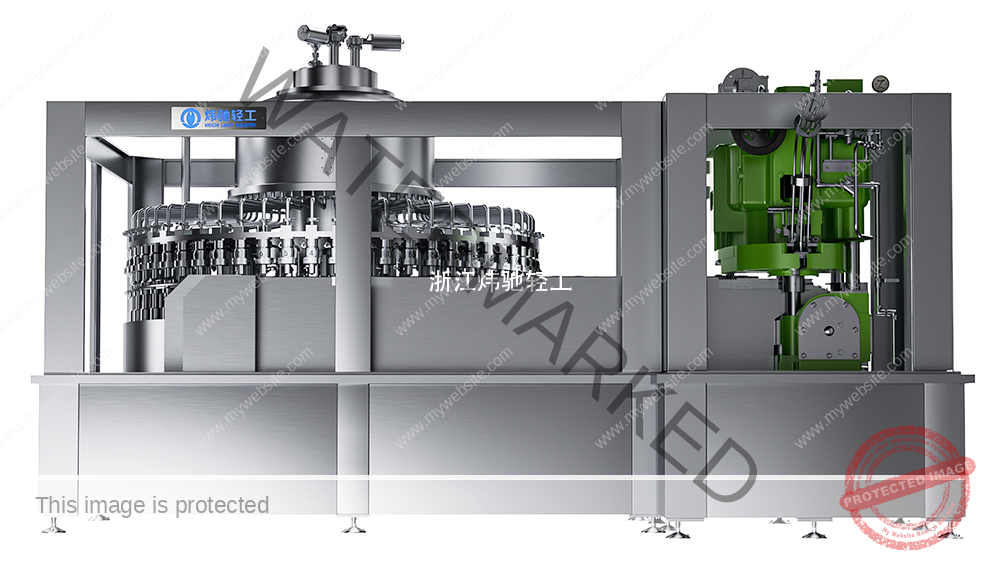
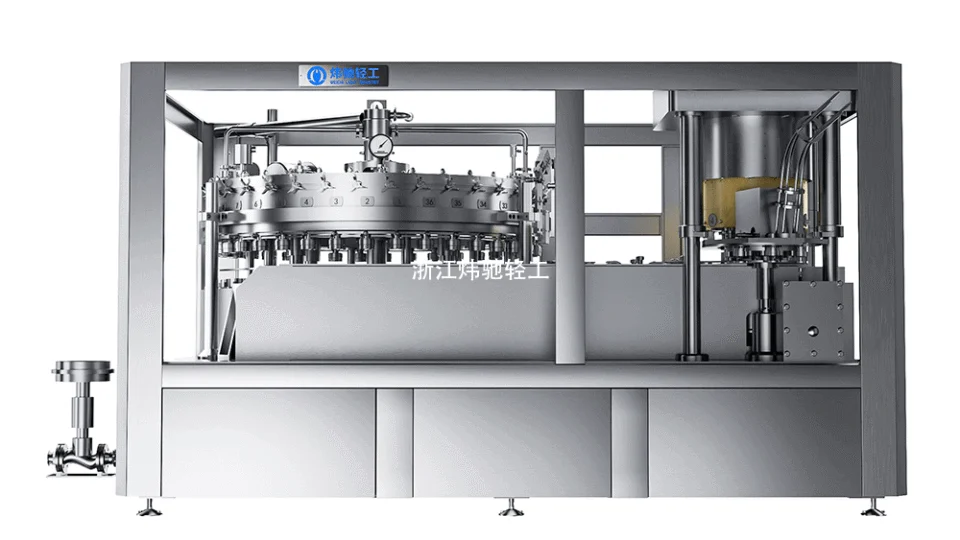
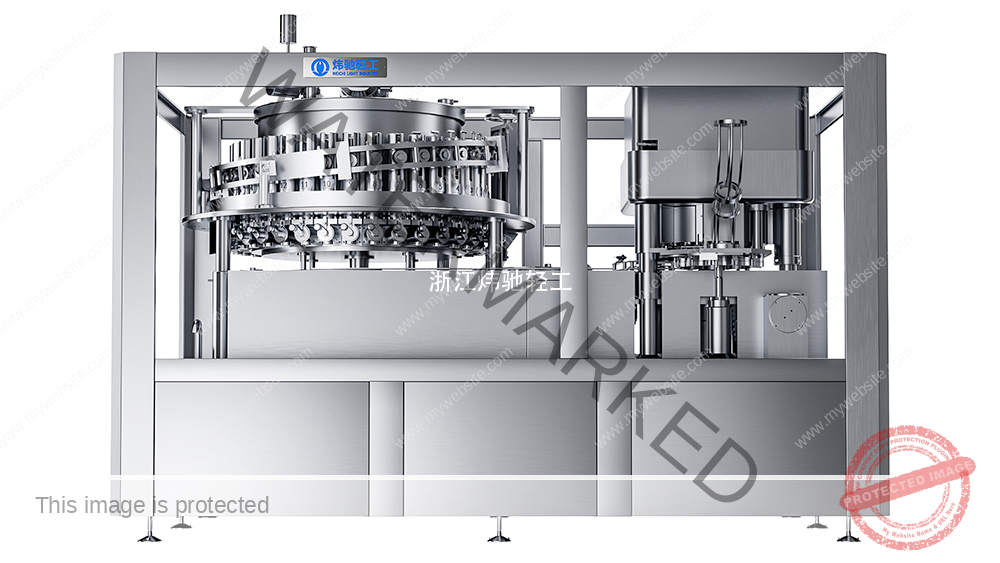
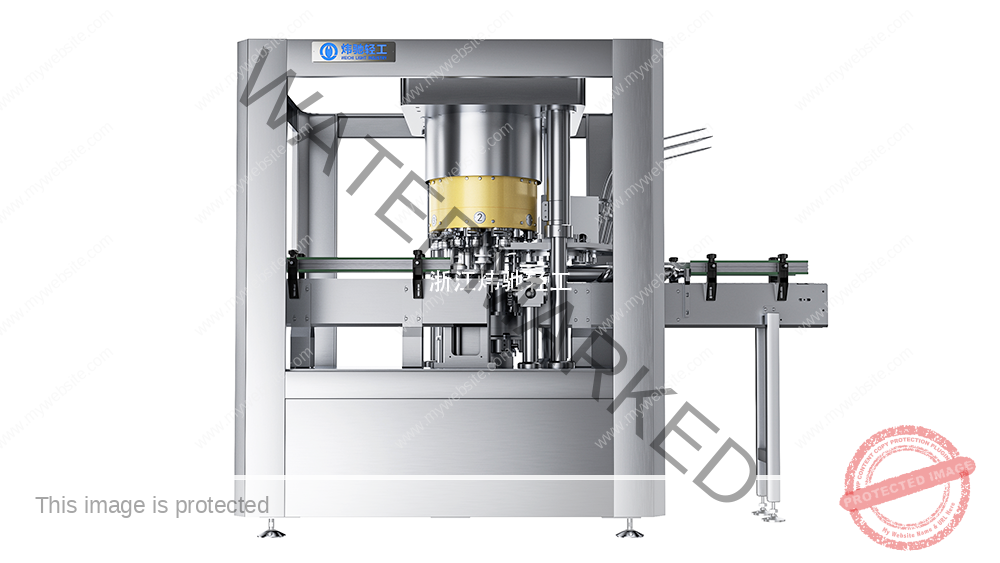
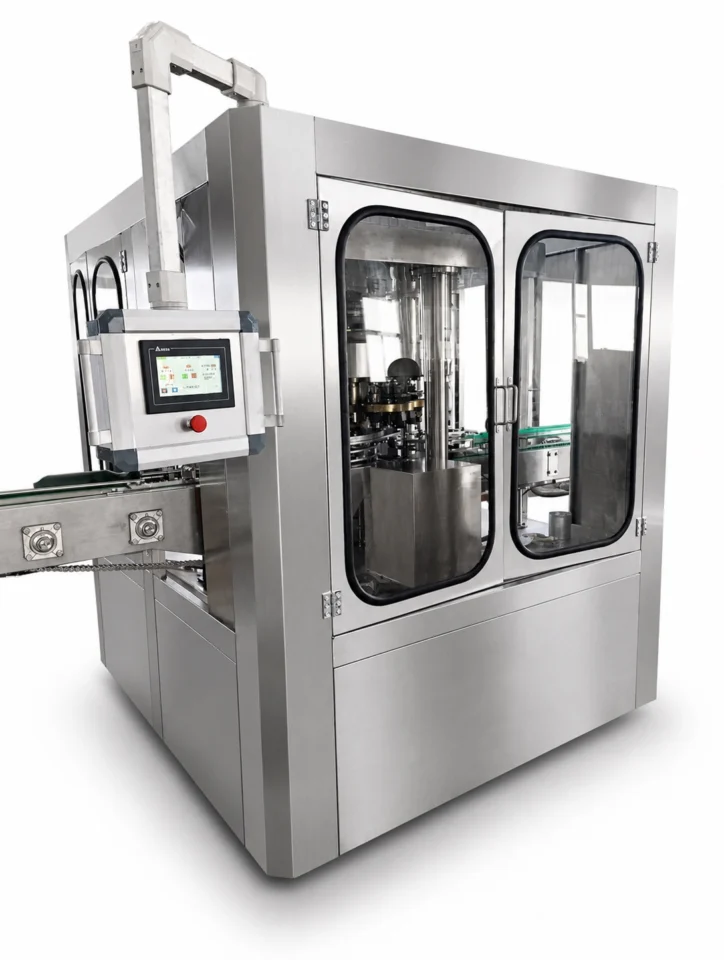
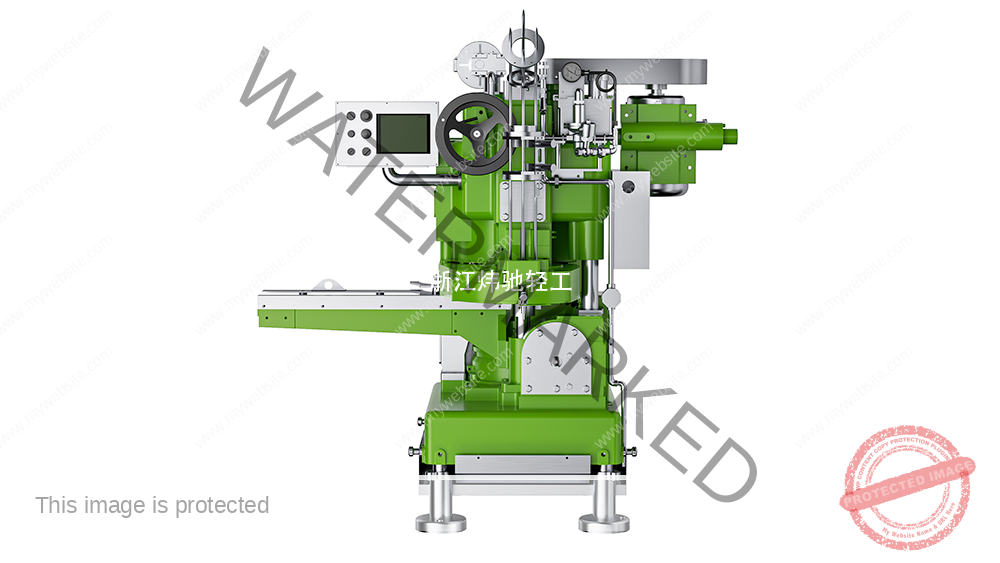
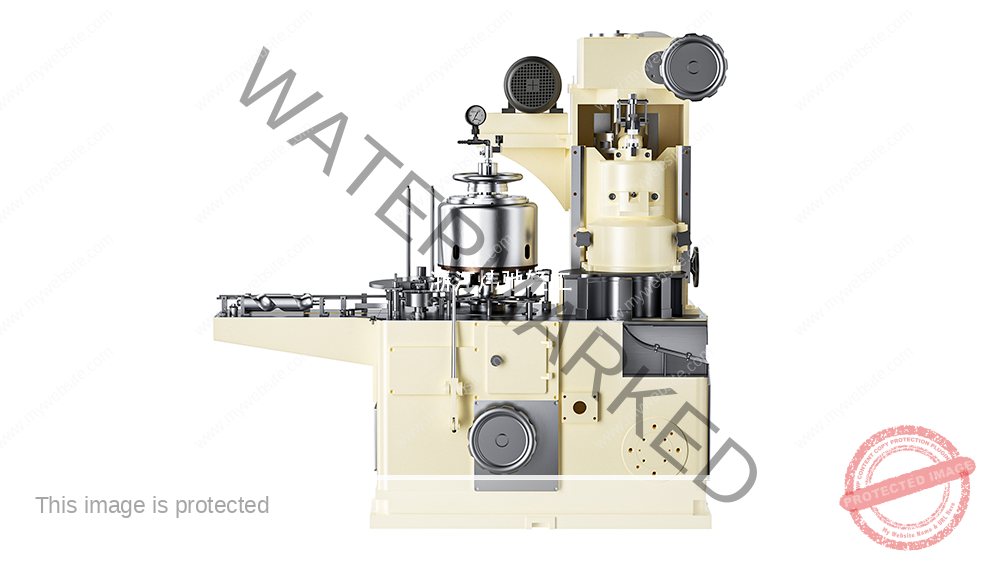
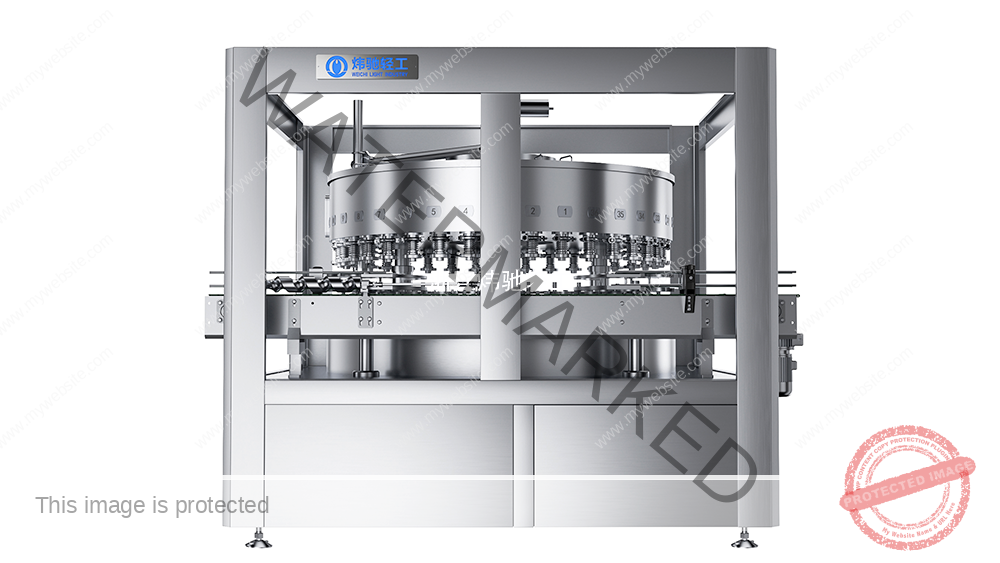
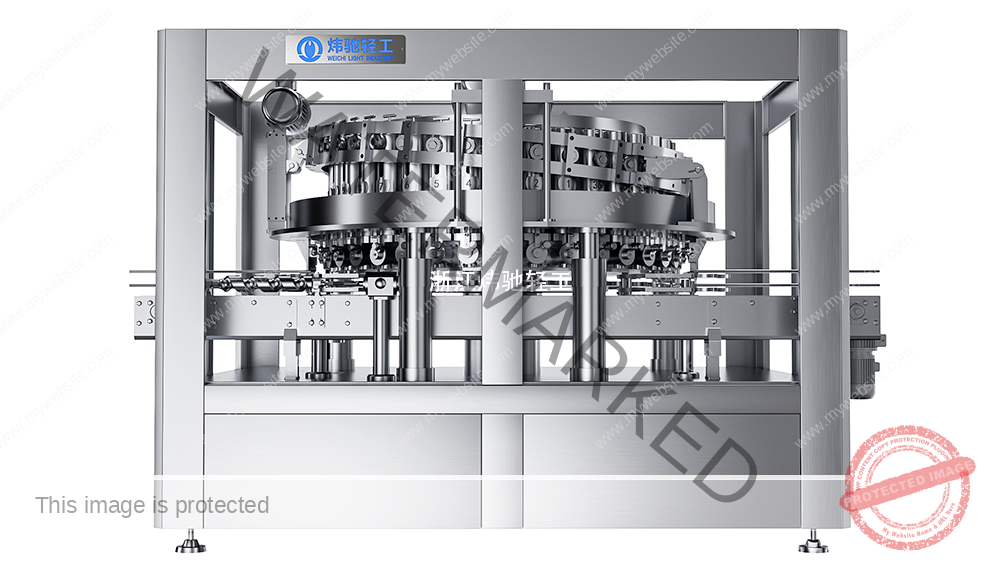
Weichi lists a standalone automatic can seamer and filler-seamer monoblocks for different applications. For an application enquiry, send the existing filler model and discharge drawing, product and package details, required good output, permitted shutdown window and the proposed supply boundary. Use the retrofit or replacement guide for the wider condition and investment review. Fit depends on the project drawings, representative trials and written acceptance criteria.
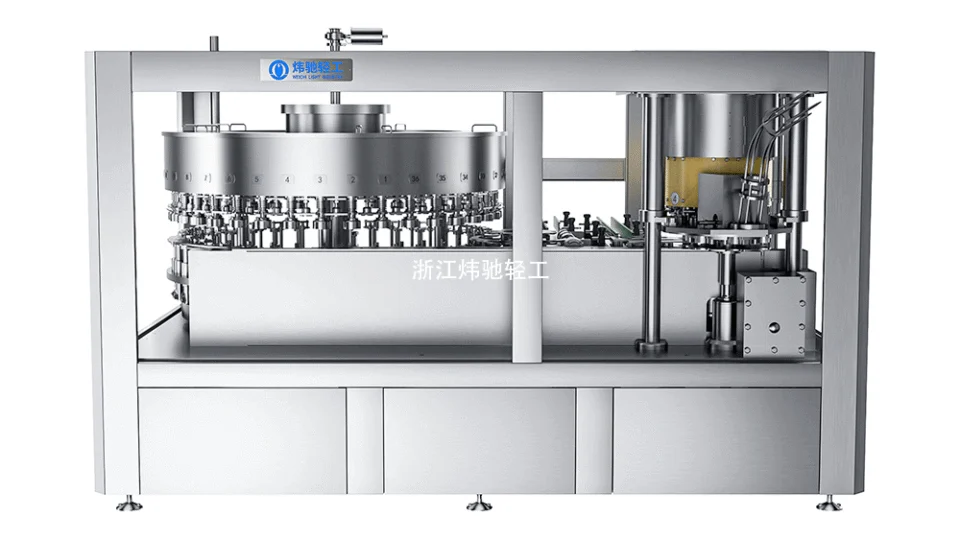
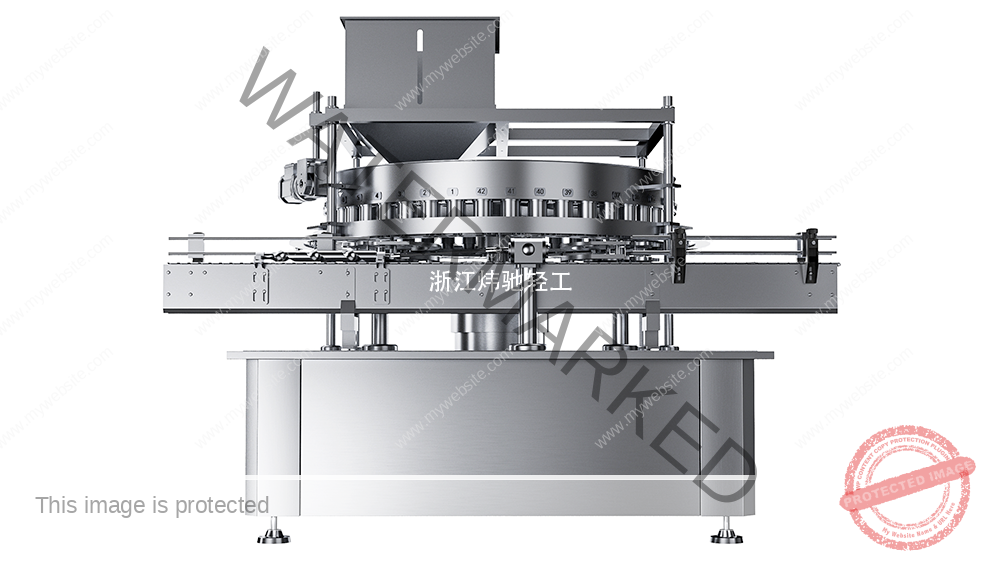
Cover: AI concept image of open-can transfer. It does not depict an installed line.
Technical Basis and Project Evidence
Final equipment selection and acceptance must use the project product, can and end drawings, utility conditions, line interfaces, agreed test duration, and documented FAT/SAT criteria. Can and end supplier specifications remain authoritative for double-seam limits.
- U.S. FDA: Low-Acid Canned Food Manufacturers, Part 3 — Containers and Closures
- SAMR record: GB/T 30639-2014 — Sauce filling and seaming equipment
- SAMR record: GB/T 40360-2021 — Still-beverage can filling and seaming equipment
Review equipment families See project references Submit application data