
In beverage cans, the double seam is the primary barrier protecting product quality and safety. When seam integrity is marginal, typical risks include:
Leaks under pressure (carbonated products, warm storage, distribution vibration)
CO₂ loss and sensory degradation
Oxygen ingress (shelf-life loss, flavor instability)
Microleak pathways that are hard to detect with only external checks
For QA and process engineers, the practical objective is not only “one can passes,” but stable seam performance over time, across heads, and across operating conditions.
What Is a Double Seam
A beverage can double seam is a mechanically interlocked and compressed joint formed between:
the can body flange, and
the can end curl (easy-open end)
A can seamer forms the seam in two operations:
1st Operation: Forming the Interlock
Creates the basic hook shapes:
Cover hook (CH) from the end curl
Body hook (BH) from the body flange
Sets up the geometry that will later determine overlap
2nd Operation: Compression and Tightening
Compresses the seam into its final shape
Drives:
tightness
final seam thickness
stability of countersink depth


Why this matters: A seam can look “OK” externally but still have inadequate overlap or poor tightness. That is why beverage plants rely on seam inspection methods that expose the seam structure (teardown and/or cross-section).
Seam Inspection Methods QA Uses on the Factory Floor
A practical seam inspection program usually combines three layers:
Layer 1: Routine, Non-Destructive Checks
Visual checks for obvious defects (bent flange, dented end, lid misfeed)
Leak detection / pressure checks (where applicable)
Trend monitoring: stoppages, jams, seamer alarms
Limitation: external checks rarely reveal low overlap or low tightness until defects become severe.
Layer 2: Dimensional Checks (Fast, High Frequency)
Seam height and seam thickness with seam micrometer/gauge
Countersink depth with countersink gauge (and record max–min variation)
These are quick to do and are highly effective as drift indicators.
Layer 3: Destructive Seam Inspection (Acceptance Backbone)
Seam teardown (to evaluate wrinkles, hook formation cues, general tightness)
Cross-section measurement (to measure CH, BH, overlap, tightness calculation inputs, and check for cutover/false seam indicators)
Key Double Seam Parameters and What They Tell You
This section focuses on how to use the numbers to make accept/reject decisions—not just definitions.
Seam Height
What it tells you: overall seam geometry and forming stability.
On-line interpretation:
Stable seam height usually indicates stable roll engagement and lifter behavior.
A sudden step change often correlates with a setup shift, wear, or a mechanical event (stop/jam, roll replacement).
Typical QA logic:
If seam height is inside spec but drifting: treat as a process warning.
If seam height is outside spec: treat as potential nonconformance and escalate to teardown/cross-section.
Seam Thickness
What it tells you: the seam’s compression level after 2nd operation.
On-line interpretation (practical):
Too thick often indicates insufficient compression → higher chance of loose seam pathways.
Too thin can indicate over-compression → risk of metal damage/cutover and long-term integrity issues.
QA focus: don’t only check “average thickness”—track variation (head-to-head and around the circumference).
Cover Hook / Body Hook Relationship
Hook formation is where overlap security begins.
What to look for in cross-section:
CH and BH are consistently formed, not distorted
No fractures, sharp folds, or unusual thinning
Why it matters: “Overlap %” is only meaningful when CH and BH are properly formed and repeatable.
Overlap (%) — Interlock Security
Overlap is the effective interlock between cover hook and body hook. It is one of the most direct predictors of false seam risk.
A widely used plant calculation is:
Overlap length (OL) ≈ CH + BH − Seam Height
Overlap (%) = (OL / Seam Height) × 100
Practical acceptance guidance (common beverage practice):
Set a validated minimum overlap % from your end/can spec, then run with margin.
Many beverage plants treat ~45–50% minimum as a common internal baseline, with a preferred operating band around ~60–75% (final limits must come from your can/end specification).
Field rule: low overlap is a “stop-and-correct” condition, not a “watch-and-wait” condition.
Tightness — Compression / Wrinkle Control
Tightness is the seam’s compactness; practically, it is tied to residual cover-hook wrinkling after seaming.
A common plant calculation model is:
Tightness (%) = (CH − Wrinkle) / CH × 100
Practical acceptance guidance (common beverage practice):
Many plants use ≥70% as a minimum internal baseline, and prefer ≥80% for robust operation (confirm with your end supplier specs and internal validation).
Typical risk pattern:
You can have “acceptable overlap” but still have a seam integrity risk if tightness is low.
Countersink Depth — End Profile Consistency After Seaming
Countersink depth (countersink/recess depth) is both:
an end design feature, and
a strong process fingerprint of lifter pressure, roll condition, and compression stability.
Practical acceptance logic:
Countersink must be within end spec and stable:
consistent over time
consistent across heads
low circumferential variation on one can
What QA should watch:
A countersink value that stays “in spec” but shows a growing range (max–min) can be an early warning of mechanical instability.

Practical Acceptance Limits: How to Decide “Accept / Hold / Reject”
Because seam dimensions depend on can/end size and metal gauge, the only correct release limits are your validated can/end specs. The practical production method is to separate:
Release limits (PASS/FAIL): supplier spec + food safety / package integrity criteria
Process control limits (SPC): tighter windows to catch drift early
A Practical QA Decision Flow (Factory-Usable)
Step 1 — Stop criteria (immediate escalation):
overlap % below your minimum
tightness % below your minimum
seam thickness or seam height outside spec
countersink depth outside spec or abruptly shifted
cross-section shows cutover / fracture / false seam indicators
Step 2 — “Hold and verify” criteria (not a release, until confirmed):
significant head-to-head variation increase
trending drift (even if inside spec)
countersink range (max–min) widening
teardown shows abnormal wrinkle pattern change
Step 3 — Acceptable seam (typical conditions):
overlap and tightness comfortably above minimum
seam thickness/height within spec with stable trends
countersink within spec and consistent
CH/BH relationship repeatable and defect-free
Suggested graphic: Figure 8: Seam accept/reject flowchart (one-page poster for QA station)
Seam Defect Patterns That Signal Risk
Insufficient Overlap (Low OL%)
Usually means: weak interlock → false seam risk under pressure/handling.
How it shows up: low OL%, short CH engagement, inconsistent hook relationship.
Loose Seam / Low Tightness
Usually means: inadequate compression and wrinkle ironing → microleak pathways.
How it shows up: high wrinkle in teardown; low tightness %; thickness may trend high.
False Seam Risk (Geometry Looks Formed, Interlock Not Secure)
Usually means: end/body interaction issue during 1st operation or can/end feed abnormality.
How it shows up: overlap calculation drops; cross-section shows poor engagement.
Cutover / Metal Damage
Usually means: over-compression, incorrect roll profile contact, or mechanical misalignment.
How it shows up: thinning, cracking, sharp fold damage in cross-section; thickness may trend low.
Countersink Abnormality (Drift or High Variation)
Usually means: lifter pressure changes, roll/chuck wear, runout, or intermittent mechanics.
How it shows up: countersink drift over shift; high max–min around one can.
Why Consistency Beats “One-Time Pass”
In real beverage operations, most seam failures come from drift and variability, not from one isolated out-of-spec can.
A seam inspection program should answer:
Are seams stable per head?
Are they stable throughout the shift (warm-up and steady state)?
Do stoppages/adjustments cause measurable shifts in overlap, tightness, or countersink?
Practical controls that work:
Head-by-head sampling rotation
SPC on overlap %, tightness %, seam thickness, seam height, countersink
Event-based intensified inspection (after stops, roll changes, jams, size changes)
Equipment Context: Why the Can Seamer Matters for Overlap, Tightness, and Countersink
Seam quality is not something you can “inspect into” the product. Stable seams are produced by stable mechanics.
What to look for in a seam-stable can seamer system
From a quality-control standpoint, the equipment characteristics that support stable seam outcomes include:
Independent control of 1st and 2nd operation roll adjustment (supports consistent overlap and tightness)
Rigid spindle/bearing structure and stable transmission (reduces head-to-head variability and drift)
Process features that protect packaged oxygen and seam environment (e.g., steam injection at the seaming station, when used/validated)
Cleanability and sanitation-oriented design (reduces contamination risk in beverage cans)
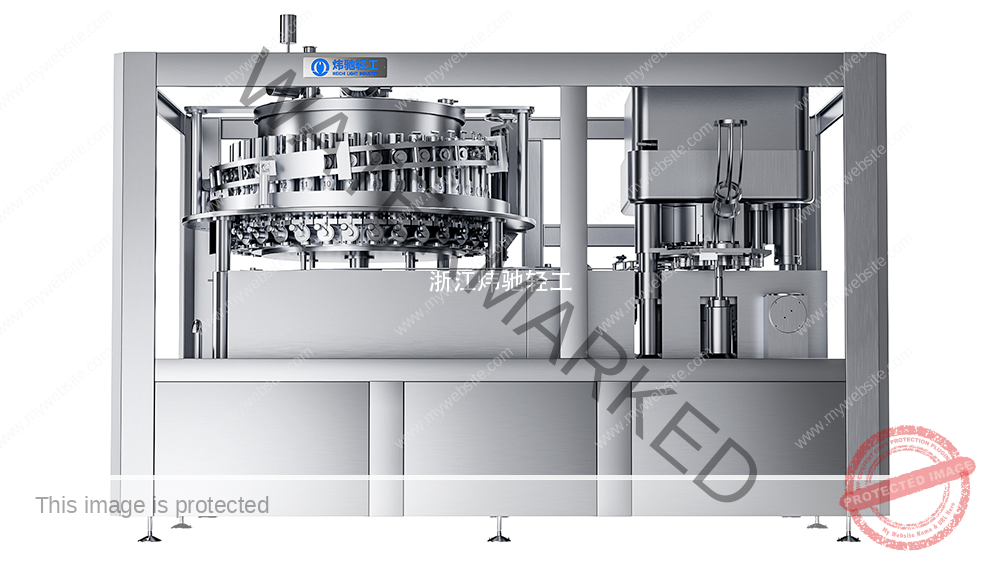
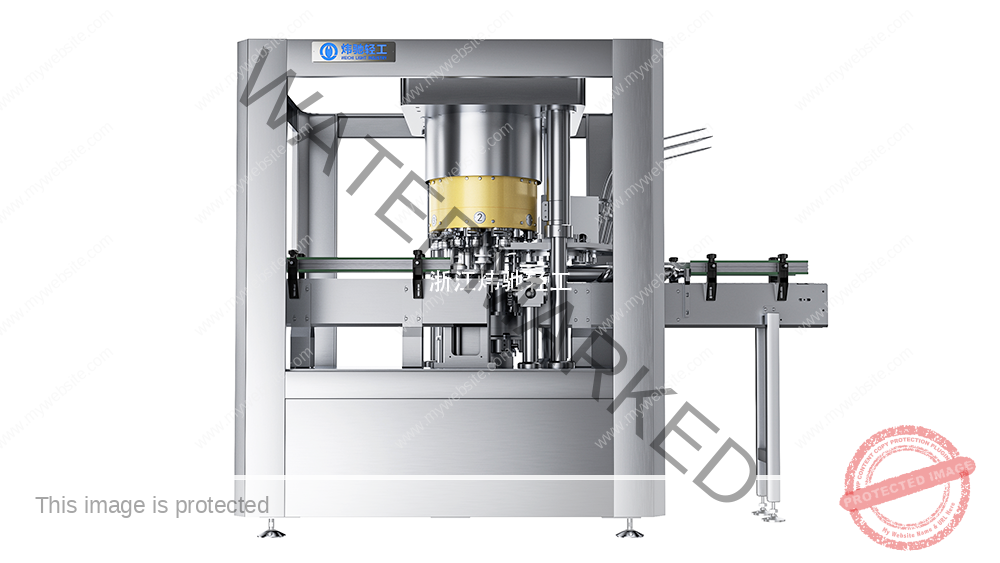
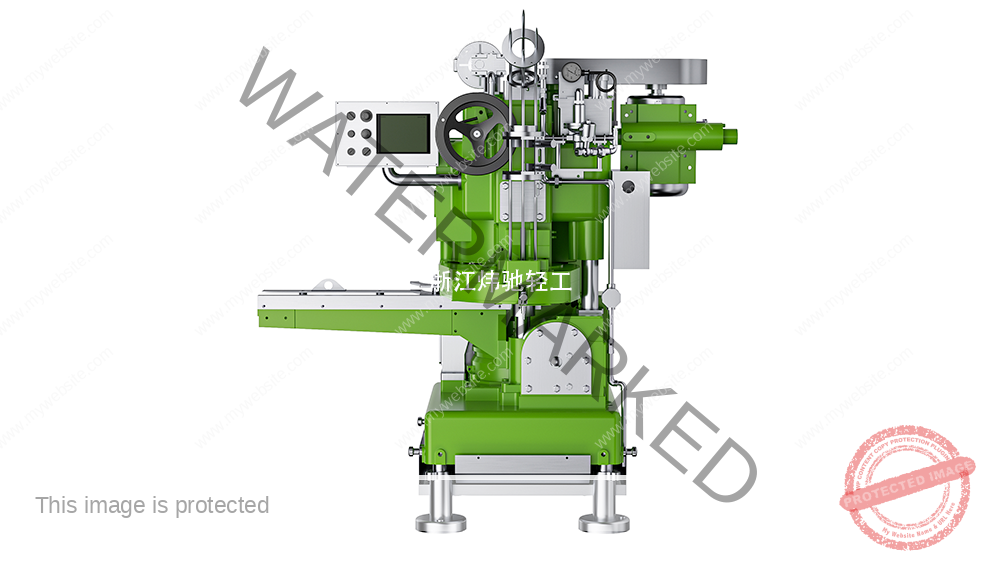
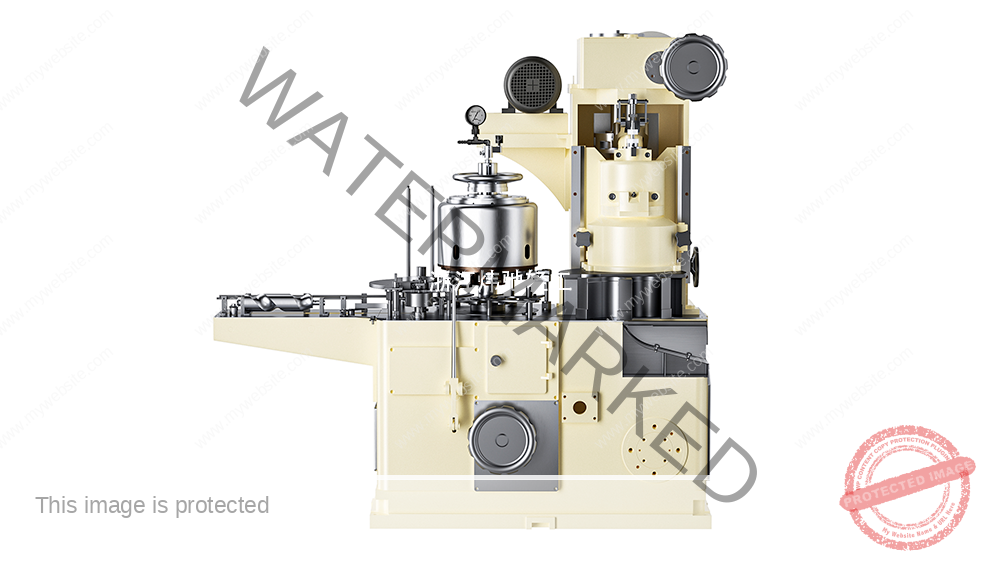
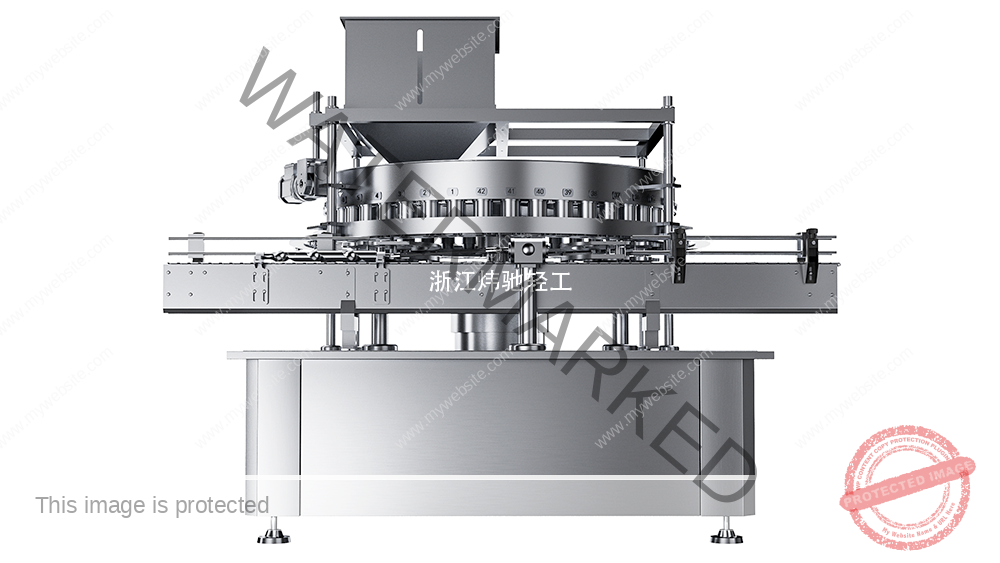
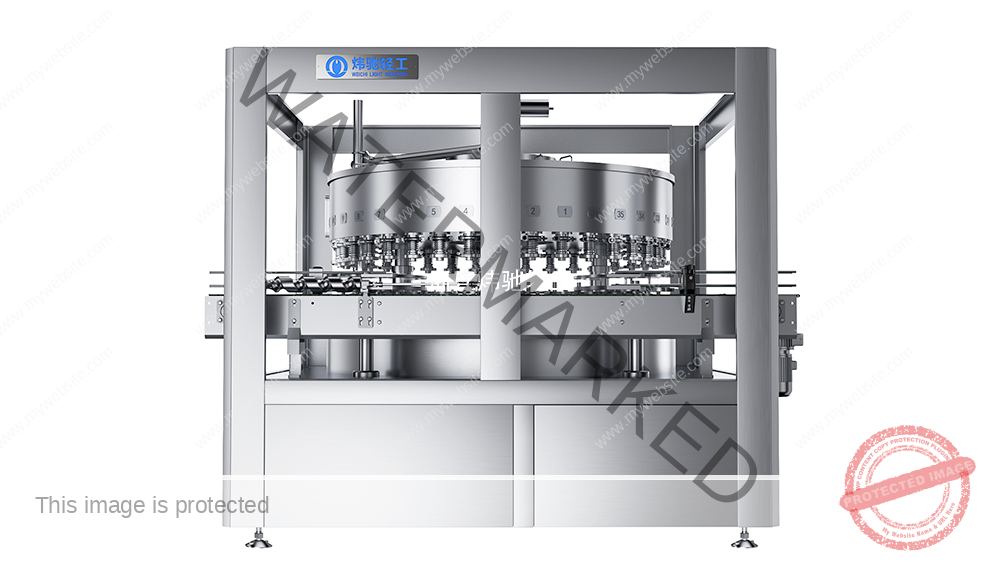
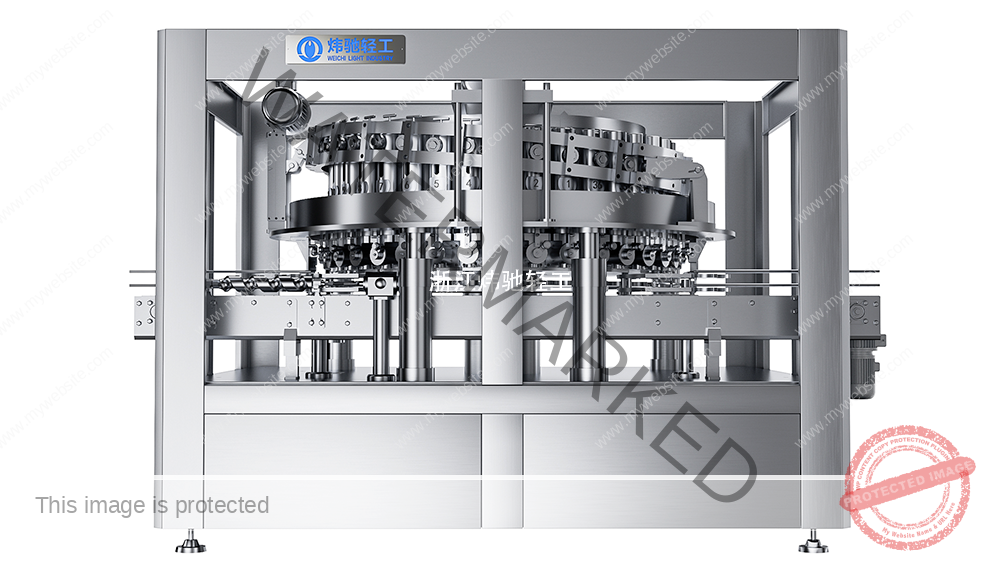
How the three linked Weichi systems fit into seam-quality control
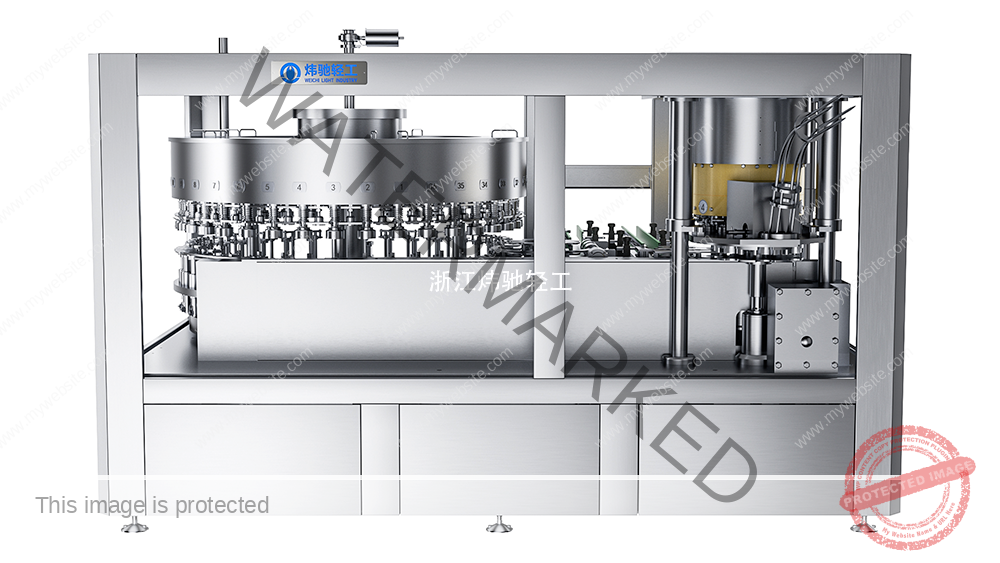
1) Standalone seaming station (for dedicated seam control or flexible line integration)
Product link: Automatic Can Seaming Machine
Relevant to seam quality because it includes a precision dual-axis seaming system allowing independent adjustment of the 1st/2nd operation rolls—one of the key requirements for stable overlap and tightness.
The platform also lists steam injection at the seaming station as an integrated/available feature, which many beverage plants use (when validated) to support air displacement control in the headspace process.
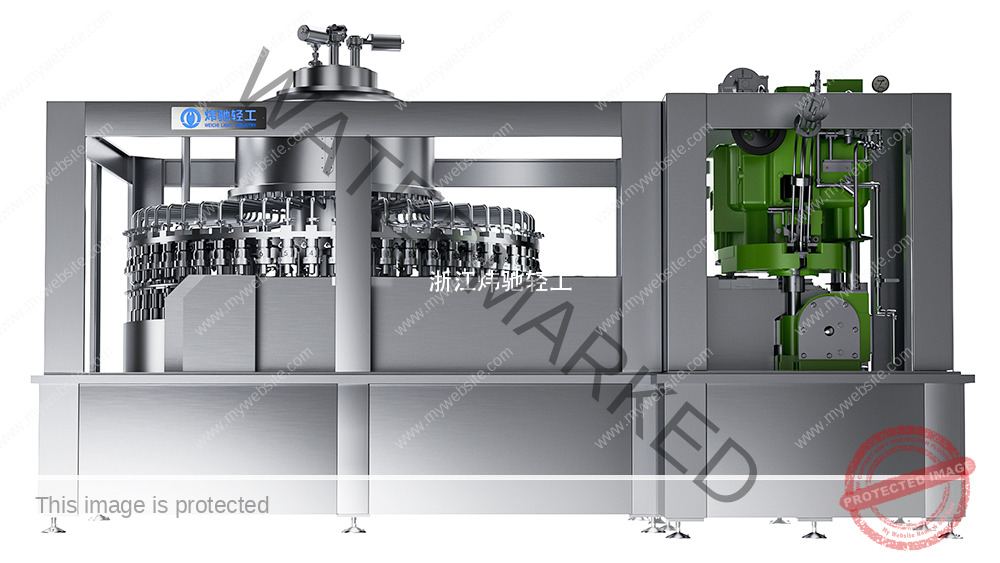
2) Non-carbonated monoblock (for still beverages where line compactness and handling stability matter)
Product link: Non-Carbonated Beverage Can Filling and Seaming Monoblock
Monoblock integration reduces transfers between filler and seamer—practically, fewer transfers means fewer opportunities for:
can destabilization before seaming
end placement disturbance
intermittent misalignment that shows up as head-to-head variation
The system lists the same dual-axis seaming concept and is described as an integrated filling+seaming machine, with options including liquid nitrogen dosing readiness and CIP capability for filling valves (important for stable operations and hygiene).
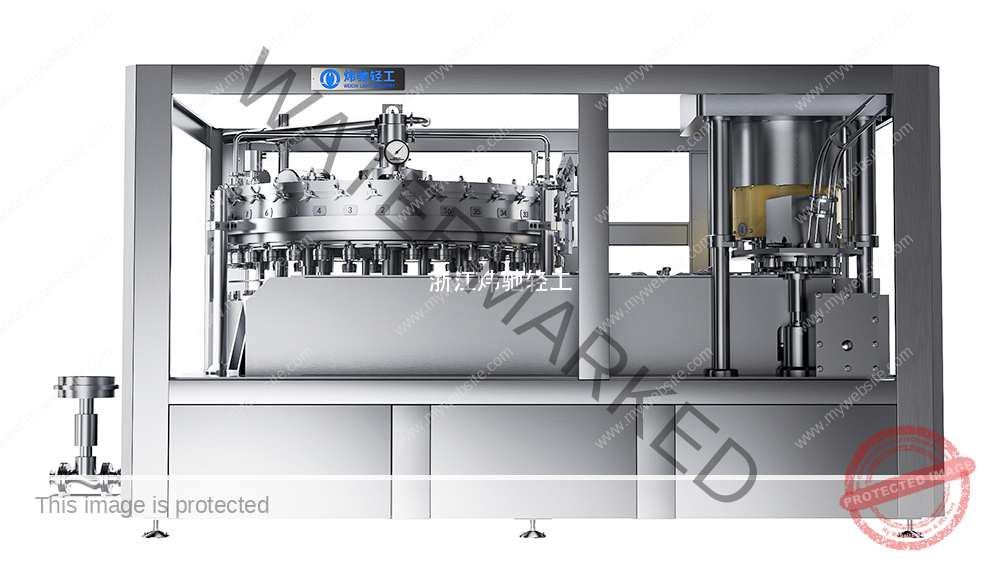
3) Carbonated/beer monoblock (for isobaric filling and CO₂-sensitive applications)
Product link: Carbonated and Beer Can Filling and Seaming Monoblock
For carbonated products, seam stability must be maintained under higher internal pressure and handling stress. This system is described with isobaric filling and references low-temperature filling (commonly used to minimize CO₂ loss).
From a seam-quality standpoint, this line again emphasizes stable seaming mechanics (dual-axis adjustment) and includes common beverage-line options such as steam injection and LN dosing readiness depending on application design.
About automatic oiling / lubrication (high-end configuration point)
In practice, lubrication stability affects seam stability because roll/bearing friction and wear are key contributors to drift and head-to-head differences over long runs. Weichi’s product literature also describes centralized automatic lubrication / automatic oiling as a feature on certain higher-end seaming configurations. Zhejiang Weichi+2Zhejiang Weichi+2
(For a knowledge page, the key takeaway is technical: automatic lubrication reduces lubrication variability and helps maintain stable seaming head behavior—supporting consistent overlap, tightness, and countersink.)
Standards participation (factual note)
For plants that align internal QA language with standard definitions, it is relevant that Weichi states it has participated in drafting three national industry standards related to easy-open can seaming. Zhejiang Weichi
Practical Takeaways for QA & Process Engineers
A double seam is judged by both geometry (hooks + overlap) and compression (tightness + thickness + countersink stability)—not by a single number.
Treat overlap (%) as an interlock security metric:
validate a minimum from your can/end specification
operate with margin and monitor head-by-head stability
Treat tightness as a compression/wrinkle-control metric:
acceptable overlap does not compensate for low tightness
Use countersink depth as a stability indicator:
track average and range (max–min) to detect mechanical variation early
Build seam inspection around three layers:
fast dimensional checks (seam height/thickness, countersink)
teardown for rapid qualitative cues
cross-section measurement for acceptance decisions
Prioritize consistency over “one good can.” Most production failures come from drift, weak-head behavior, and event-driven shifts (stops/adjustments).
Stable seam results are strongly linked to the can seamer’s mechanical stability (e.g., independent 1st/2nd operation adjustment, rigid spindle, controlled transmission) and to integrated line design where relevant (monoblock stability).