
Key Takeaways
- Selecting a vacuum can seaming machine starts with two separate requirements: the pressure and timing achieved in the vacuum chamber during operation, and the vacuum measured inside sealed c…
- A chamber reading alone does not establish the vacuum in the finished package. Likewise, a satisfactory can-vacuum reading does not establish commercial sterility or shelf life.
- Use this guide for projects evaluating mechanical vacuum seaming of rigid food cans. Identify the actual product, packing liquid, fill temperature, fill quantity, approved headspace, can bod…
Selecting a vacuum can seaming machine starts with two separate requirements: the pressure and timing achieved in the vacuum chamber during operation, and the vacuum measured inside sealed cans after the specified processing and cooling steps. A purchase specification should define both, with their own measuring point, pressure reference, product temperature, sampling method and acceptance limits.
A chamber reading alone does not establish the vacuum in the finished package. Likewise, a satisfactory can-vacuum reading does not establish commercial sterility or shelf life.
1. Start with the product and package
Use this guide for projects evaluating mechanical vacuum seaming of rigid food cans. Identify the actual product, packing liquid, fill temperature, fill quantity, approved headspace, can body and end before choosing operating conditions. Products containing particles, entrained air or foam need representative trials; a water-only demonstration cannot establish their production performance.
Ask the supplier to review the product at its intended operating temperature, including whether evacuation causes excessive foaming, carryover, spillage or changes in product appearance. Confirm the can-and-end supplier's limits for the intended pressure and processing conditions. Carbonated beverages and packages designed for internal pressure require a different application review; do not transfer a food-can vacuum target to them.
The outcome of this review should be an agreed product/package test matrix, including the permitted operating ranges and the conditions that require a new trial.
2. Keep three measuring locations distinct
| Location | What the reading describes | How to use it |
|---|---|---|
| Vacuum pump or suction line | Conditions at that instrument's connection | Diagnostic information; identify the exact connection and operating state |
| Vacuum chamber | Pressure around the can during the relevant part of the cycle | Process requirement: record the measuring point, pressure profile and timing relative to closure |
| Headspace of a sealed can | Internal pressure at the time of the package test | Product result: record processing stage, sample temperature, method and individual reading |
Mechanical evacuation requires a path for air to leave the can before the closure becomes airtight. The FDA's description of chamber vacuum closing includes a lightly attached lid before evacuation and final sealing. That explains why the sequence matters; it does not prescribe a universal machine setting. FDA: exhausting and closing methods.
Specify chamber performance with product present and at the agreed operating speed. Ask for the pressure reached during the closure window and its repeatability. A pump's ultimate vacuum, an empty-chamber test and a production cycle answer different questions.
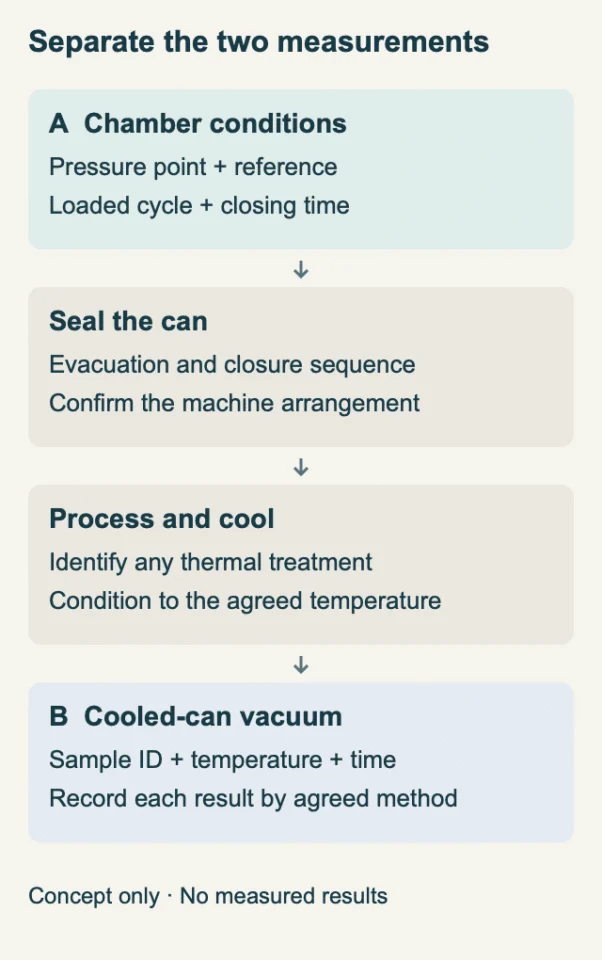
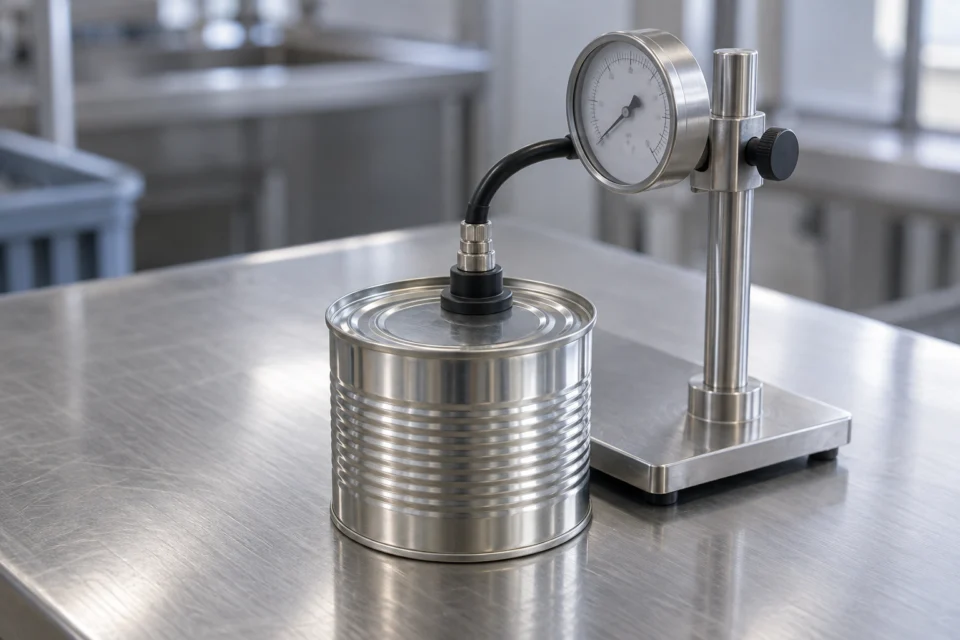
Conceptual measurement sequence. It is not a drawing of a particular machine or a record of measured performance.
3. Write the pressure reference beside every value
“Vacuum: 60 kPa” is incomplete. Absolute pressure is referenced to perfect vacuum; gauge pressure is referenced to ambient atmospheric pressure. A vacuum magnitude may instead be reported as a positive difference below ambient. These conventions need explicit labels. WIKA: absolute and gauge pressure.
Use these relationships when the references and units are known:
- Absolute pressure = local atmospheric pressure + signed gauge pressure.
- Vacuum magnitude below ambient = local atmospheric pressure − absolute pressure.
Illustration only: at a local atmospheric pressure of 101.3 kPa, a gauge pressure of −60.0 kPa corresponds to 41.3 kPa absolute. This arithmetic example is not a recommended chamber setting or finished-can limit. Record the local atmospheric pressure when converting between references, particularly when comparing factory and installation-site results.
4. Define when the sealed can will be measured
Distinguish a seamer-outlet sample from a finished-product sample. For a process that includes thermal treatment after seaming, write whether the acceptance measurement occurs before that treatment or after the complete treatment and cooling sequence. Keep those results in separate columns.
Define the reference sample temperature, permitted temperature band, conditioning method, elapsed time and criterion for temperature stability. “After cooling” without a measurable condition can lead to inconsistent comparisons. CFIA guidance identifies headspace, product temperature, entrapped air and closing-equipment evacuation as factors affecting can vacuum. It also identifies vacuum as a possible critical factor in particular thermal processes. CFIA: heat-penetration studies, sections 4.3–4.4.
Use the approved package-vacuum method and the instrument manufacturer's instructions. Document instrument ID, pressure reference, range, resolution, calibration status, connection or puncture position, and how sample temperature is established. If determining product temperature would open the can, use a separate representative sample or another validated method. Opening a can before measuring its vacuum invalidates the original sealed-state measurement.
Where a puncturing gauge is used, control sealing at the contact point and communication with the headspace according to the approved method. Treat the punctured can as a destructive-test sample. An unexplained or unstable reading needs investigation, rather than being silently omitted.
5. Put operating conditions and results in one verification table
The following is a specification framework. The purchaser, equipment supplier and responsible product/process specialists should agree the actual limits before testing.
| Verification item | Define before the trial | Retain as evidence |
|---|---|---|
| Product and package | Recipe, packing medium, can/end revision, fill and headspace requirements | Product and packaging lot IDs; actual fill and temperature records |
| Pressure convention | Absolute or gauge; units; any conversion method | Instrument scale and local atmospheric pressure where required |
| Chamber measurement | Sensor location, operating speed, loading, closure window and permitted pressure/time range | Actual pressure/time record linked to the run and machine configuration |
| Cooled-can measurement | Exact process stage, conditioning, sample temperature band, elapsed time and test method | Individual sample ID, temperature, time and vacuum reading |
| Measurement suitability | Calibration, resolution, repeatability and acceptance decision rule | Calibration record and documented method checks |
| Sampling | Samples per condition, sampling times, repeat runs and traceability to stations where applicable | All individual readings, range, exceptions and sample disposition |
| Acceptable operating window | Required output and permitted product/package conditions | Results at the agreed boundary conditions, with losses and abnormalities recorded |
| Deviation response | Containment, investigation, retest conditions and release responsibility | Original failure record, corrective action and results from new samples |
Request separate conclusions for chamber-condition compliance and finished-can compliance. An average alone can hide unacceptable individual results; the agreed sampling plan must say how both are evaluated. Include startup, stable running and restart or changeover conditions where relevant to the project. Broader equipment acceptance can follow the can filling and seaming machine FAT/SAT checklist.
6. Use differences to direct the investigation
| Observation | First comparisons to make |
|---|---|
| Pump reading is acceptable; chamber result is not | Instrument locations, loaded-cycle timing, flow path and system condition |
| Chamber result is acceptable; cooled-can results vary | Product temperature, fill/headspace records, evacuation/closure timing, test method and package integrity |
| Factory and site results differ | Product and package equivalence, pressure reference, local atmospheric pressure, conditioning and instruments |
| A lower pressure setting brings product or package abnormalities | Product behavior and approved container limits; repeat the assessment within authorized conditions |
These are investigation directions, not fault diagnoses. Preserve the original records and change one agreed variable at a time. Closure integrity remains a separate requirement; use the double-seam inspection guide for seam geometry and inspection methods.
7. What to send Weichi for a vacuum-seaming review
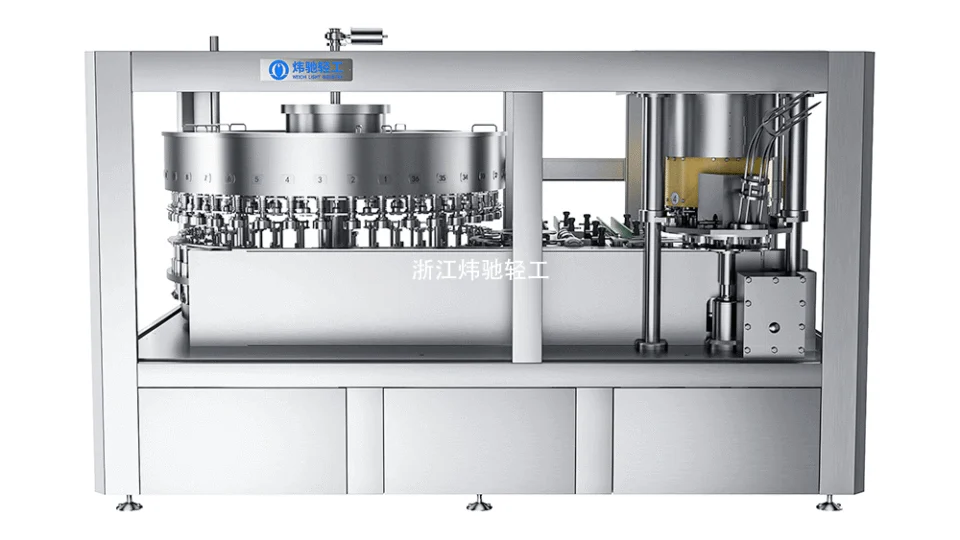
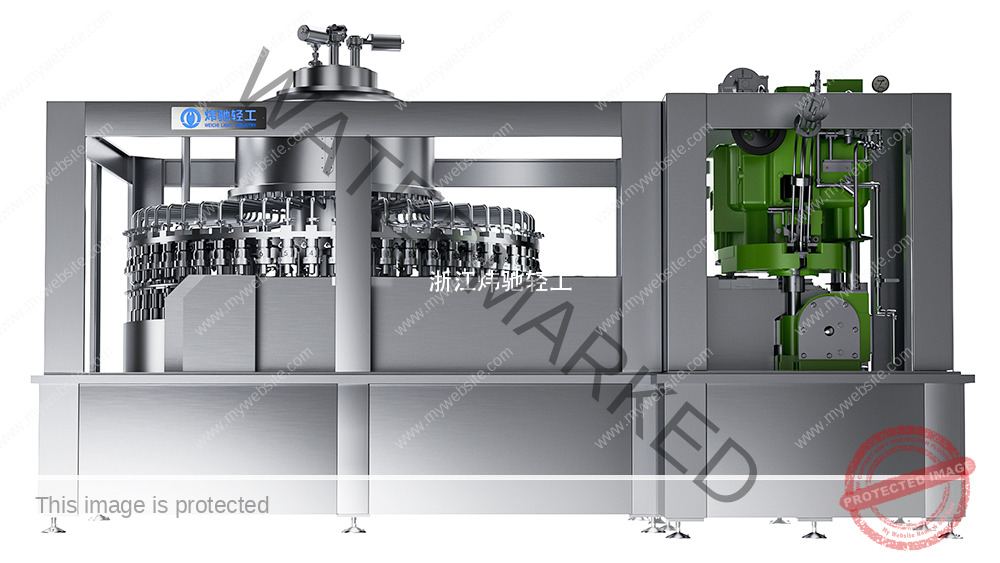
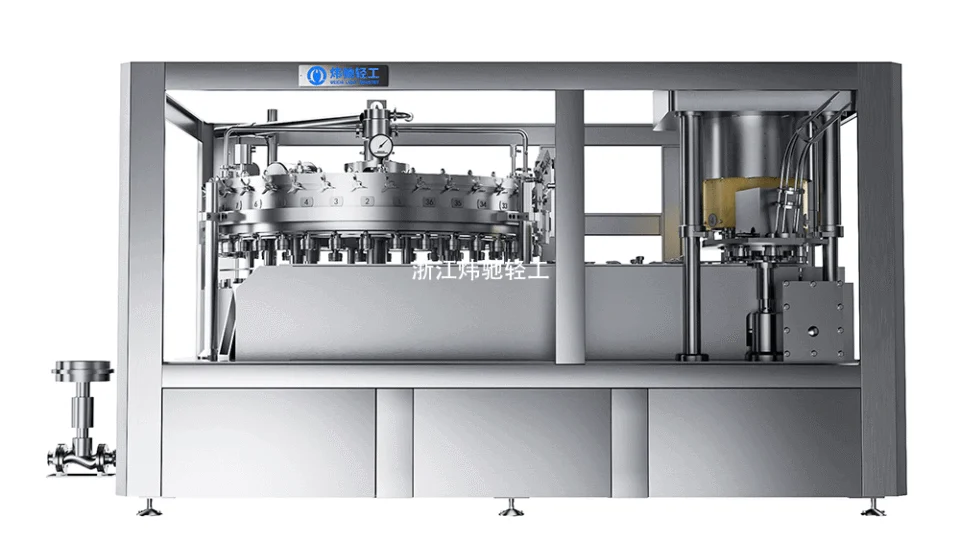
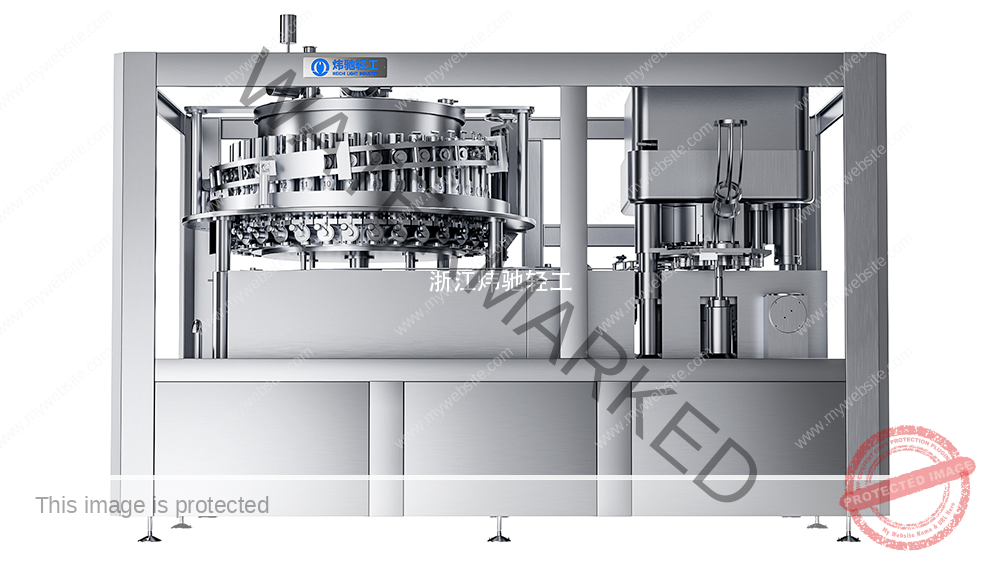
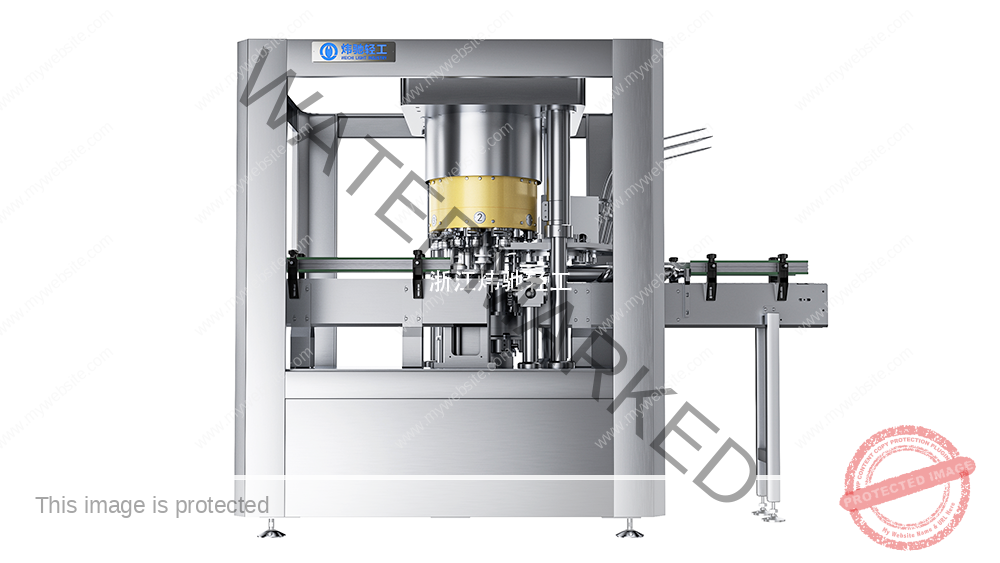
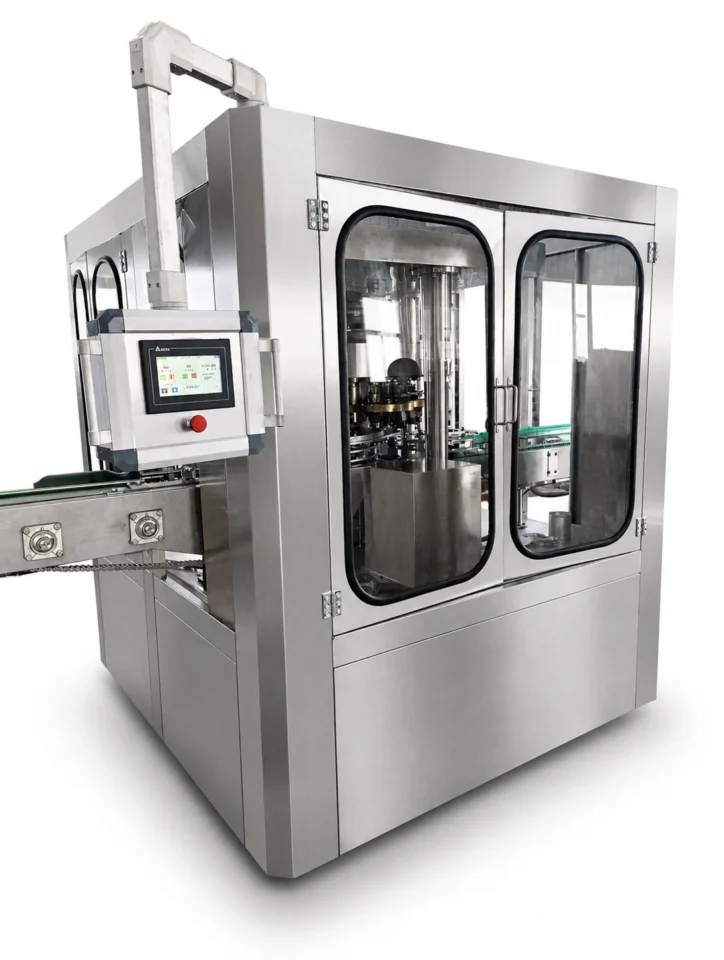
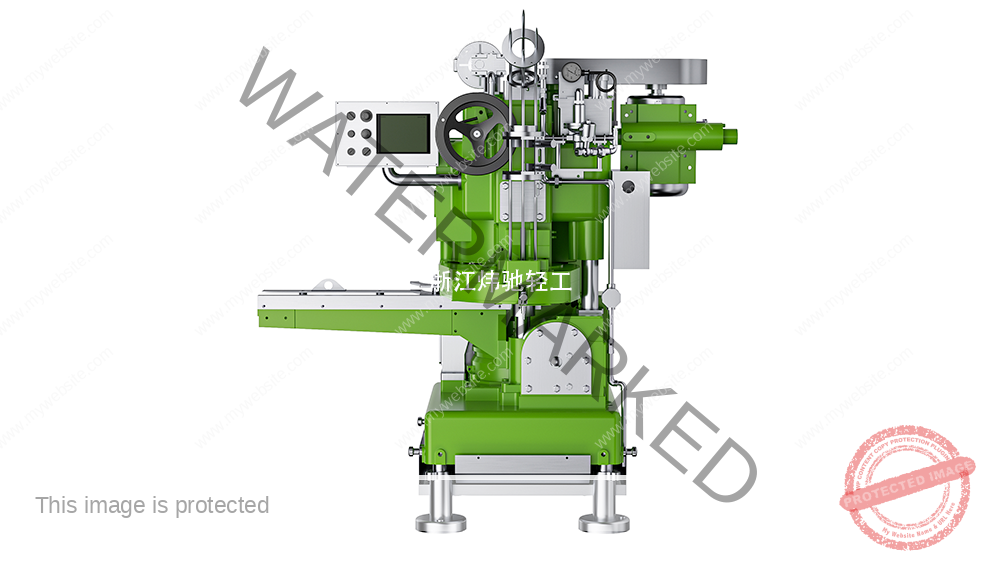
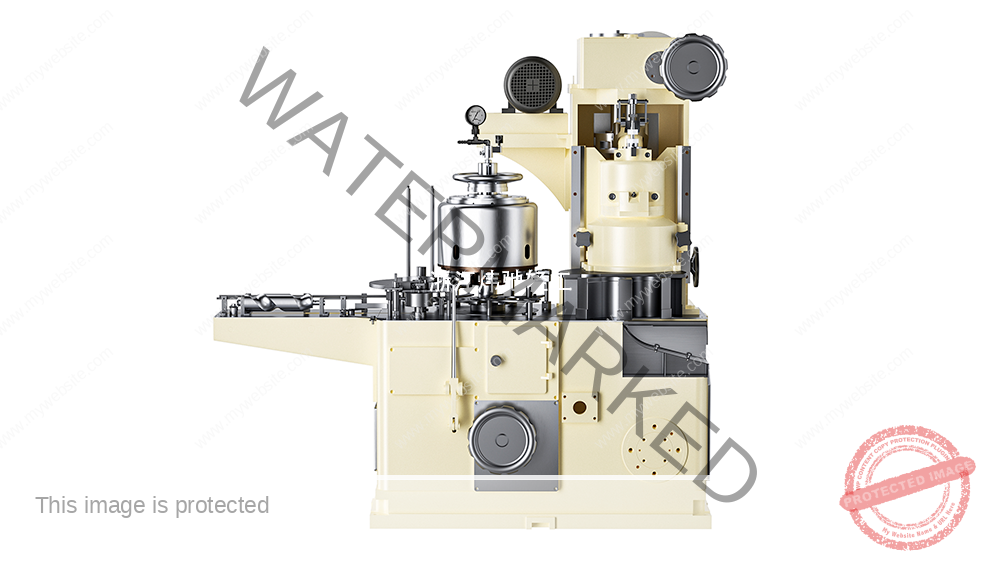
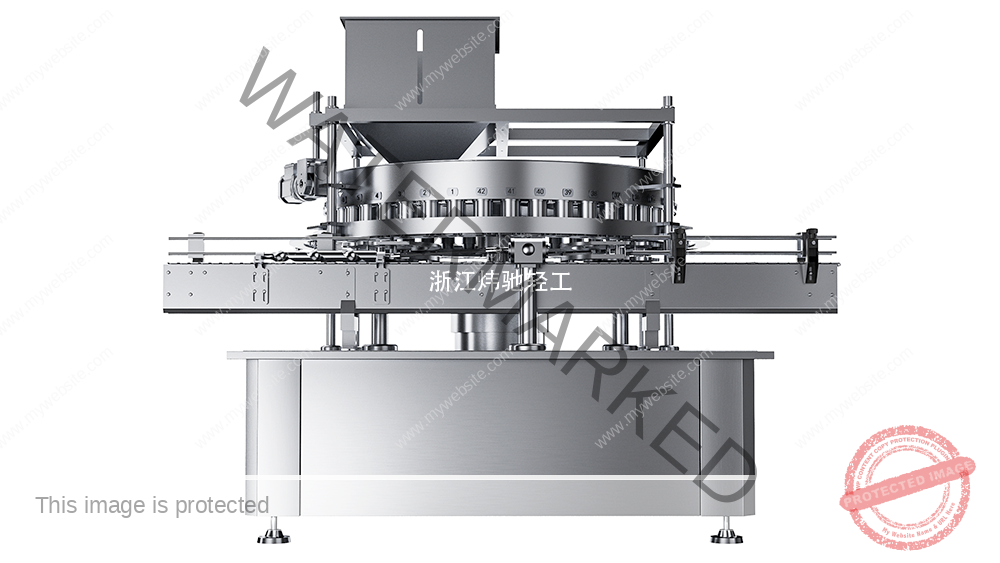
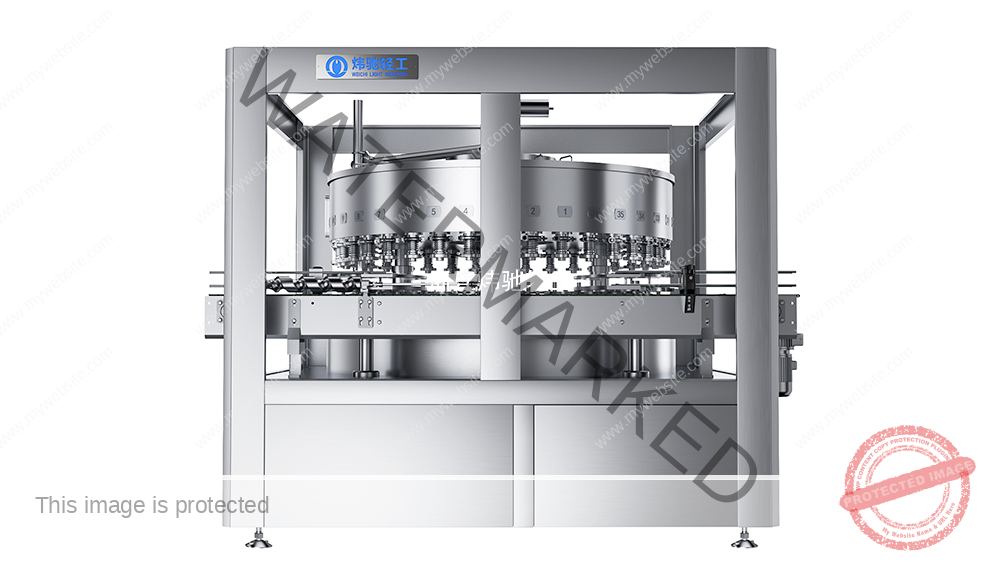
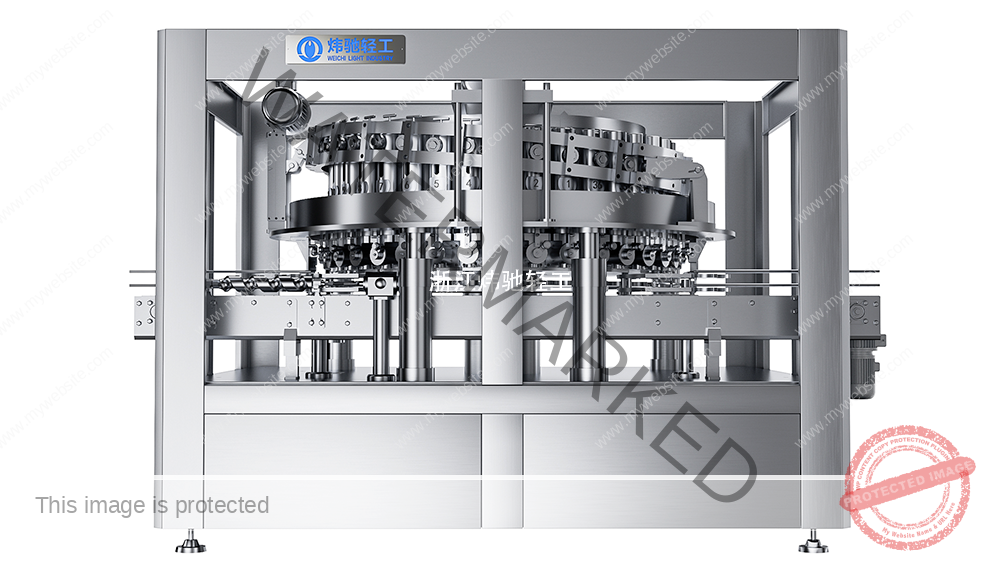
Zhejiang Weichi Light Industry Machinery Co., Ltd. specializes in filling and seaming machines. Its vacuum can seaming product page lists TP300 and GT4C302 configurations. The table identifies four pre-sealing stations for TP300 and none for GT4C302, so the pre-sealing arrangement should be confirmed for the selected model rather than assumed across the range.
For an application review, send the product and packing medium, can/end drawings and samples, approved fill/headspace conditions, processing route, required output, chamber measurement requirement and cooled-can acceptance method. Include any available trial records with their temperatures and measuring points. Submit the application details to Weichi.
Frequently asked questions
Is a deeper vacuum always better?
No universal optimum follows from a single pressure number. The acceptable window must meet the product, package, process and output requirements together, without unacceptable product or container effects.
Can finished-can vacuum replace thermal-process validation?
No. Vacuum measurement does not demonstrate commercial sterility, and it does not establish a shelf-life claim. Where vacuum is a specified critical process factor, it must still be controlled alongside the other validated process requirements.
Can one target be used for every can size and product?
Only if the approved validation covers that full range. Changes in product, can/end, fill, headspace, processing or test conditions require a review of whether existing evidence still applies.
Technical Basis and Project Evidence
Final equipment selection and acceptance must use the project product, can and end drawings, utility conditions, line interfaces, agreed test duration, and documented FAT/SAT criteria. Can and end supplier specifications remain authoritative for double-seam limits.
- U.S. FDA: Low-Acid Canned Food Manufacturers, Part 3 — Containers and Closures
- SAMR record: GB/T 30639-2014 — Sauce filling and seaming equipment
- SAMR record: GB/T 40360-2021 — Still-beverage can filling and seaming equipment
Review equipment families See project references Submit application data