
Key Takeaways
- Confirm can self-rotation separately from tool motion and carousel transfer.
- Compare candidates using the actual filled product, approved can and end, and intended operating rate.
- Accept product handling and seam quality together; motion type alone does not prove either result.
Choose a seamer by confirming whether the can spins about its own axis during seaming, then testing the actual filled product. A rotating carousel does not, by itself, mean that the can spins. A stationary-can design can reduce one source of product disturbance, but motion type alone cannot establish spill performance or seam quality.
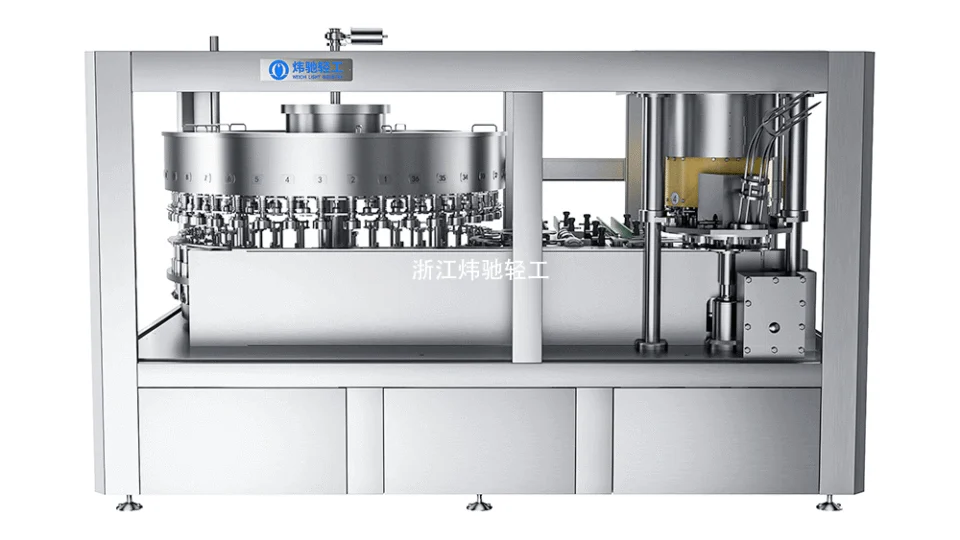
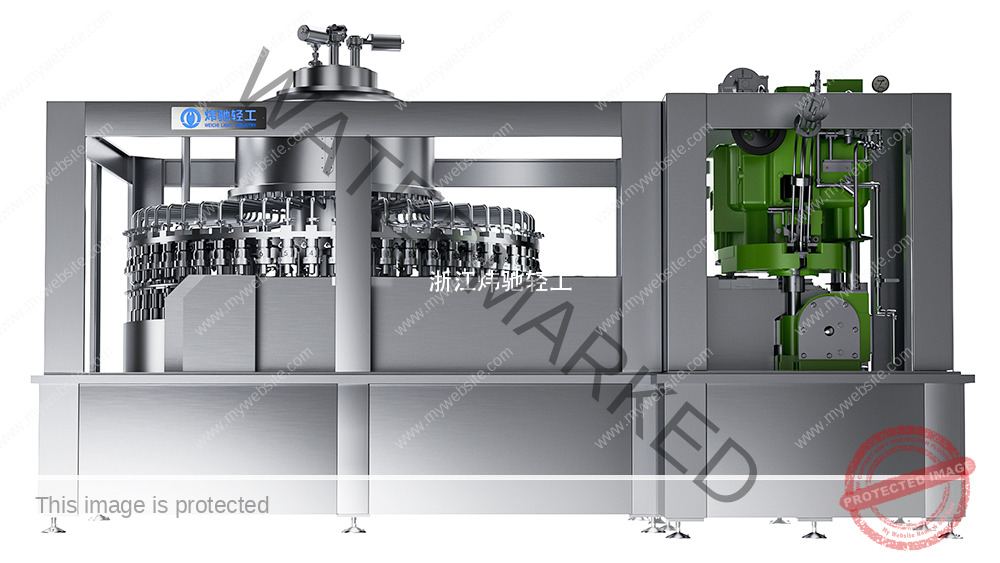
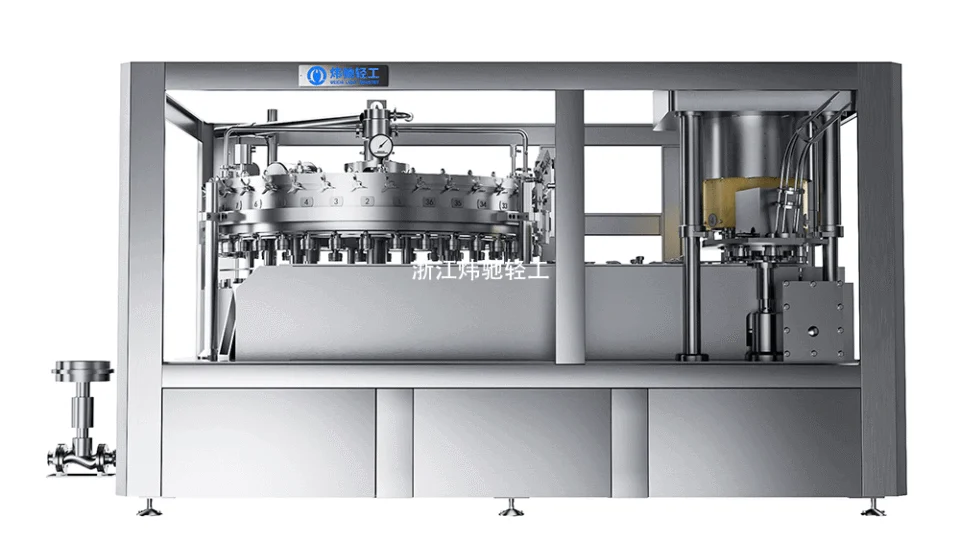
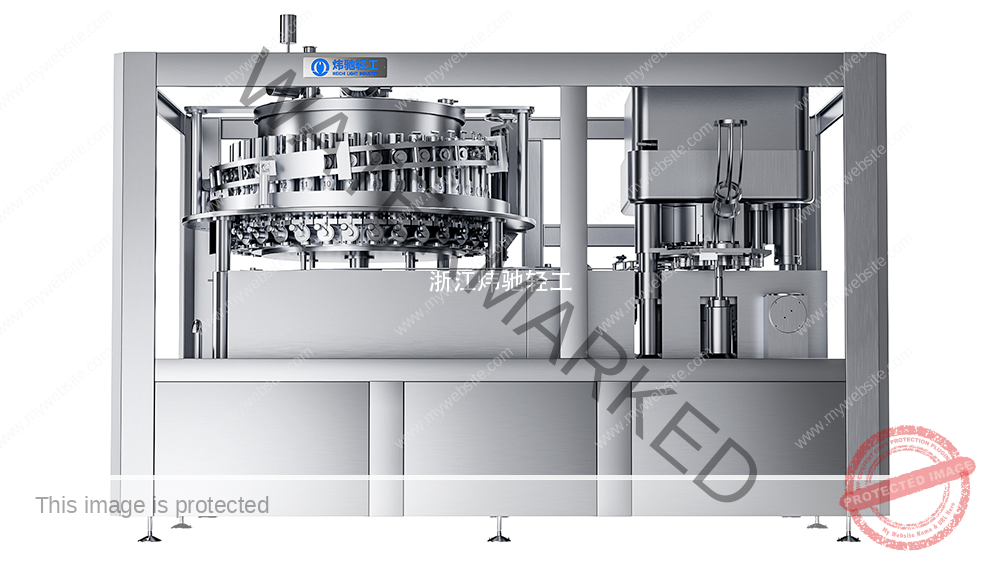
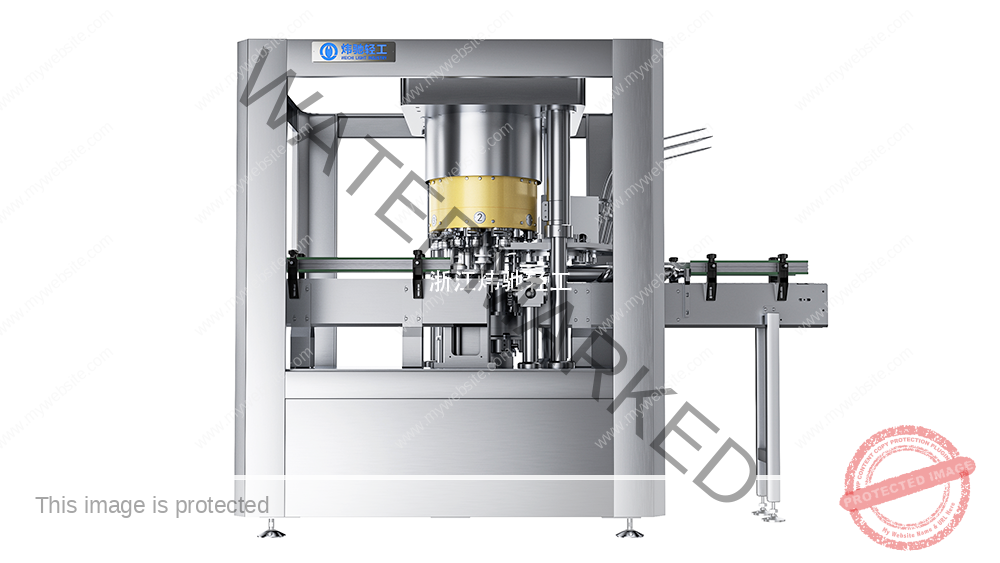
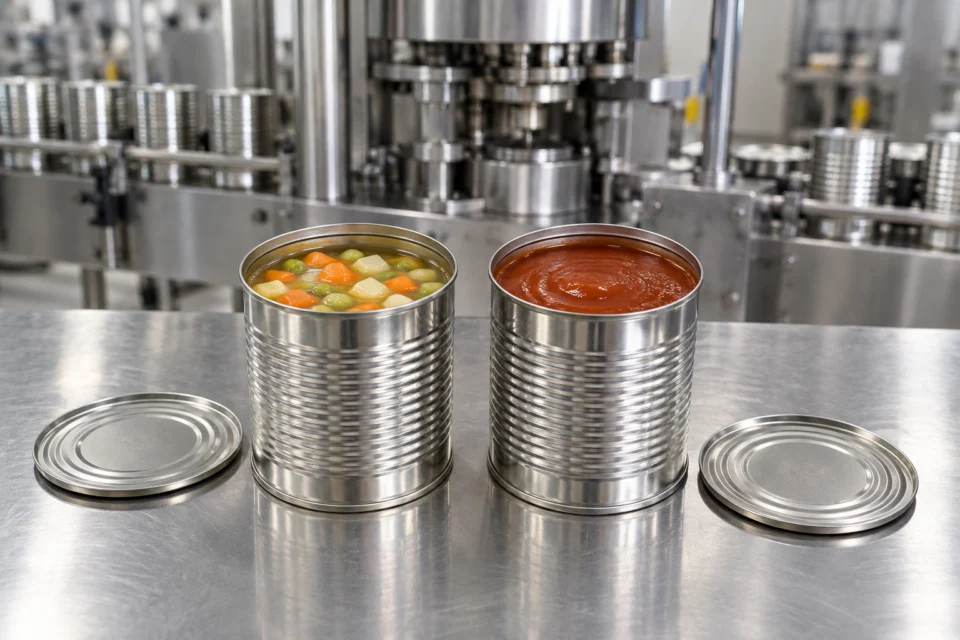
Cover image: AI-generated concept illustration, not a Weichi machine photograph or a completed product trial.
This guide compares motion concepts and provides a trial-record template. It does not report a completed comparison test or a verified improvement for a particular Weichi installation.
1. Separate can rotation, tool motion and carousel transfer
Both designs need relative motion between the can/end and the seaming tools. With a stationary-can design, the can does not spin about its own axis during the seaming operation, while the seaming system rotates around it. With a rotating-can design, the can spins during seaming. Tool engagement and timing still depend on the particular mechanism.
| Motion to identify | Question for the supplier | Evidence to request |
|---|---|---|
| Can self-rotation | Does the filled can spin about its own axis while the seam is formed? | Model-specific motion description and a safely recorded video with an identifiable reference on the can |
| Seaming-tool motion | Which assembly travels around the can, and how do the rolls engage? | Approved mechanism explanation; do not infer the motion from a stopped photograph |
| Carousel or transfer motion | Does the can travel between stations on a rotating carrier? | Infeed, seaming and discharge sequence; assess transfer disturbance separately |
Observe the same can through the seaming interval, rather than only watching a turret turn. Use the manufacturer's video or a safe observation arrangement; do not open guards or place marks near moving equipment during operation.
2. Identify what the product needs to preserve
For liquid with pieces, record the piece size, proportion, fragility and liquid fraction. For a viscous product, record the recipe and temperature range that determine its flow behaviour. For low-viscosity or foaming products, include the filling condition, headspace and time between filling and closing. These descriptions help define a test; they are not rules that assign every food or beverage to one seamer design.
Prioritise a stationary-can trial when product disturbance is a concern. Avoid promising “zero spill”: infeed acceleration, lifting, end placement, transfer and discharge can still disturb the contents. A rotating-can candidate may also satisfy the application when its filled-can trial meets the agreed requirements. Compare the full operating cycle.
3. Use model-specific evidence
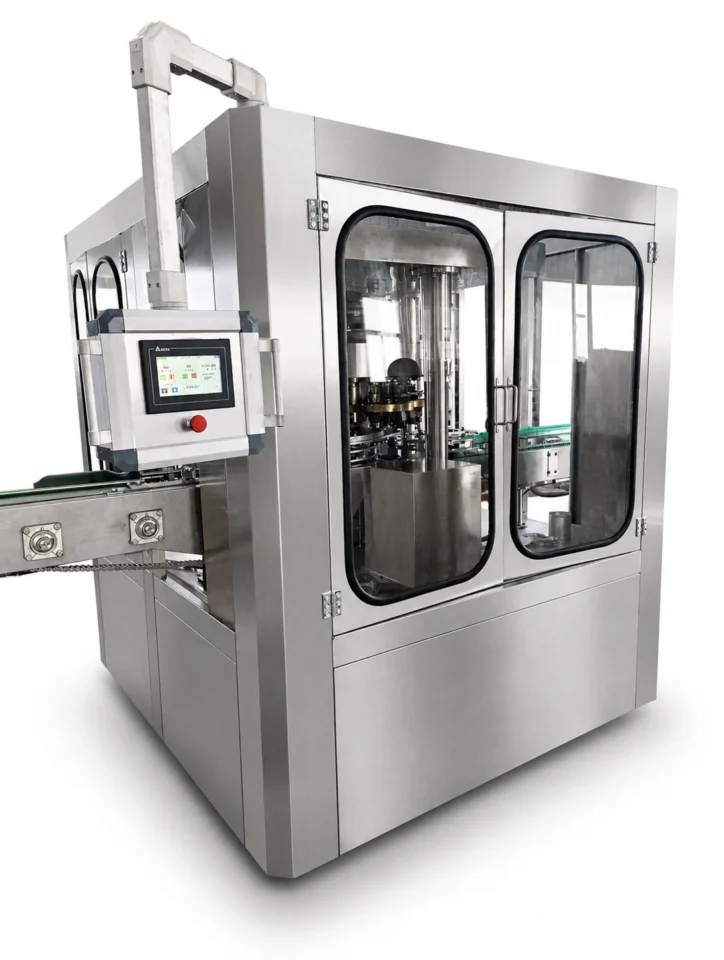
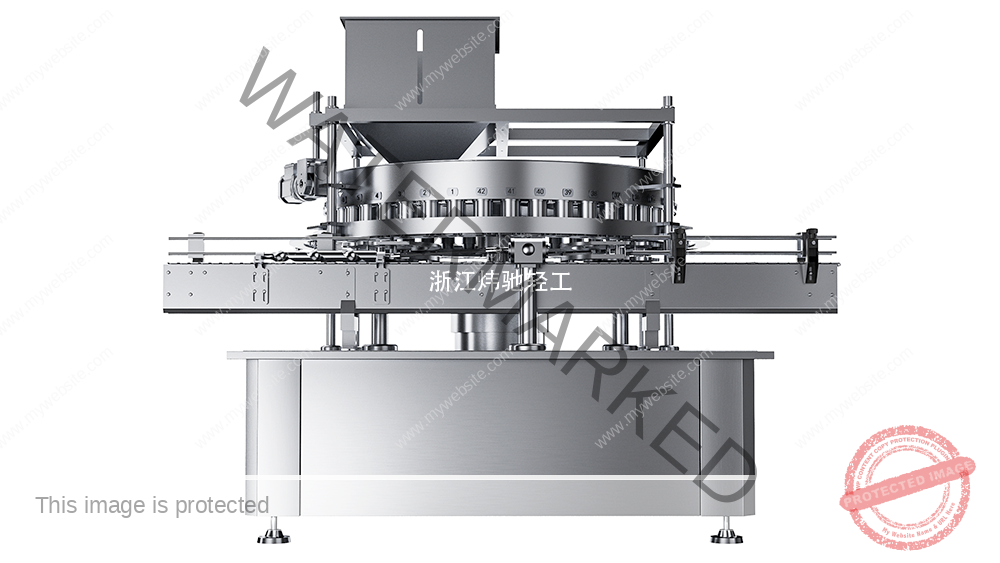
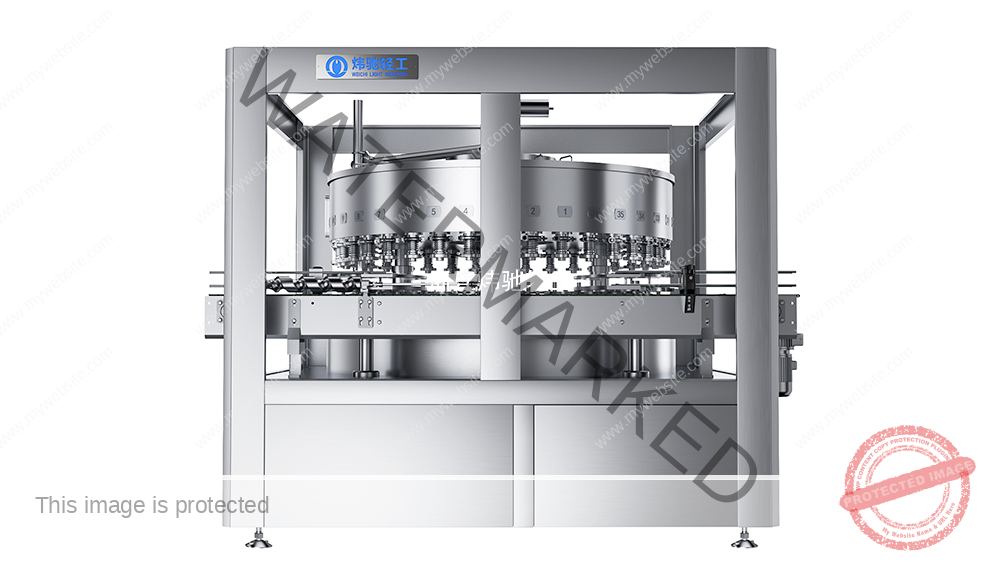
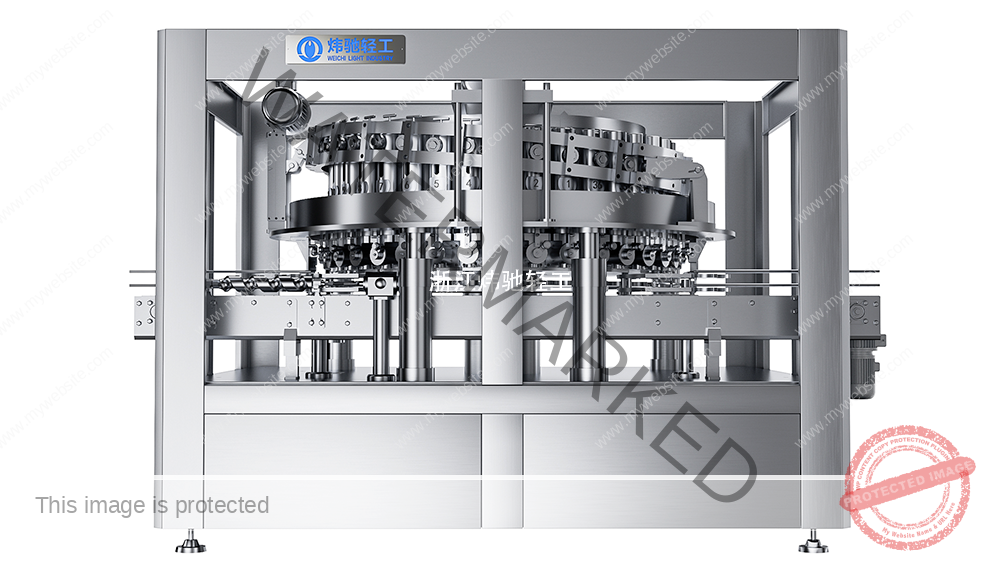
Weichi's FBN4/FBN6 stationary-can seamer page explicitly describes a stationary can body and a rotating seaming system. These machines perform closing; filling is selected separately. The mechanism identifies a candidate for evaluation, not a completed application test.
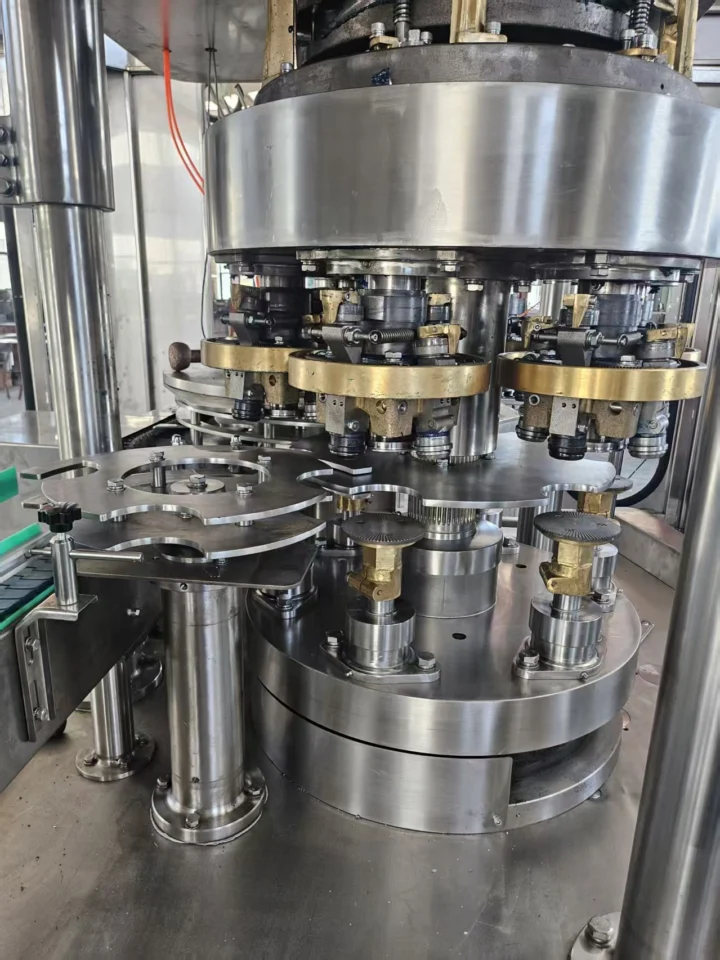
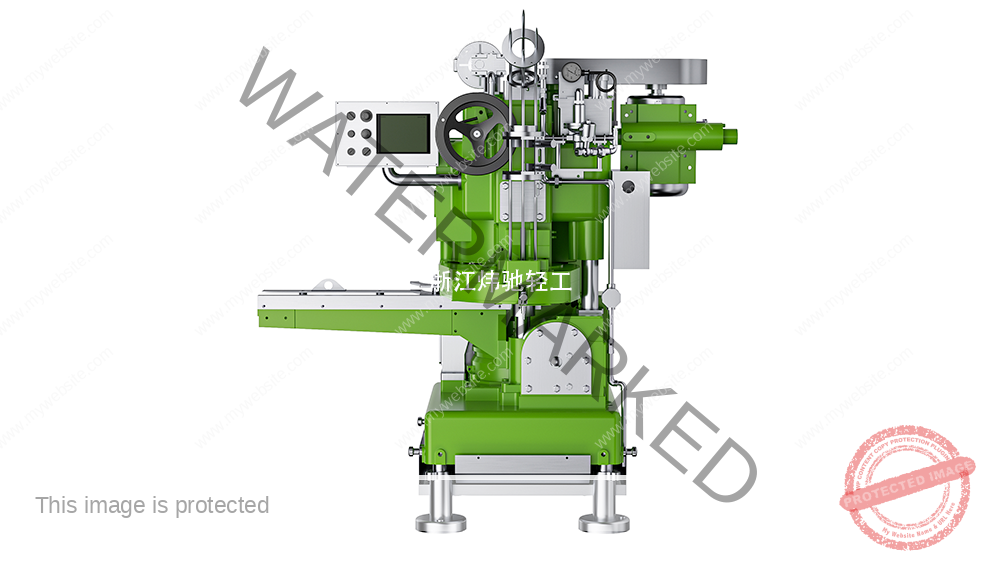
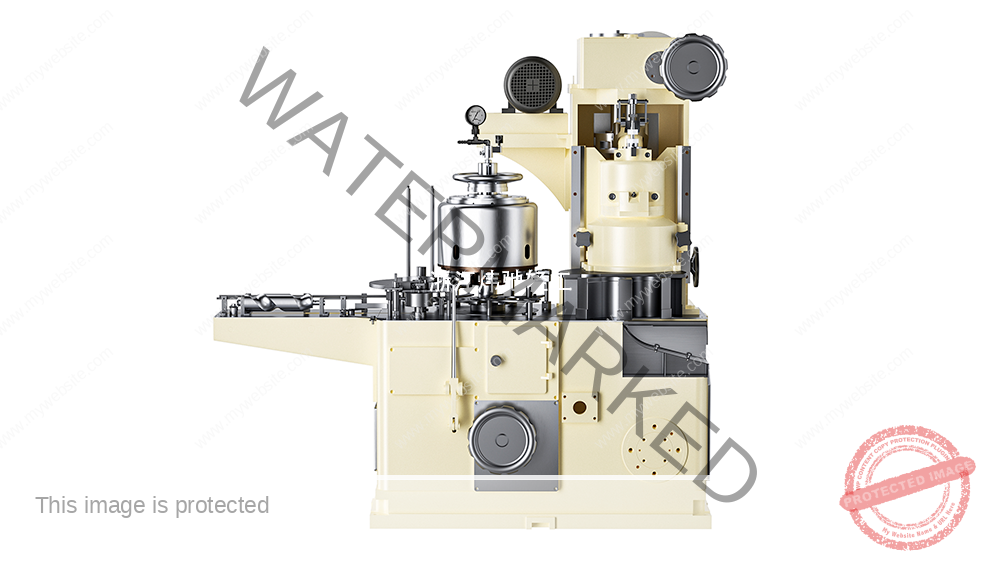
The wider automatic can seamer range should be assessed by the selected model's approved motion description. Do not label every listed model “rotating-can” simply because it has a rotary carrier or multiple heads.
4. Compare the same product under controlled conditions
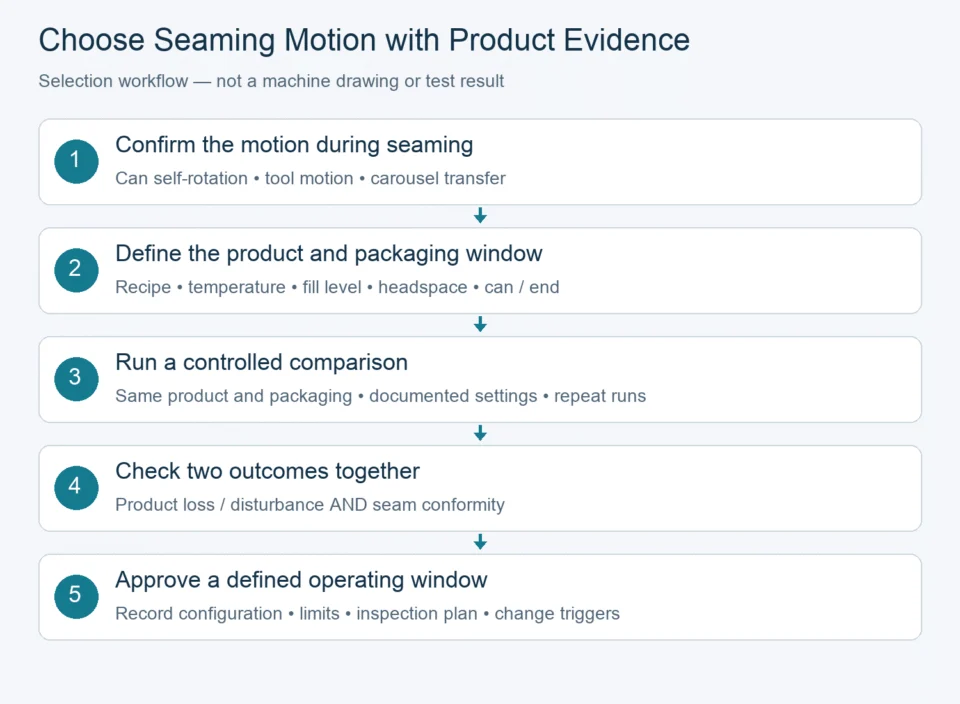
Agree the trial plan before comparing results. Use the same product batch and approved can/end combination where practicable. Hold the fill mass, temperature and headspace within the same defined window. Run at the intended operating rate and record the actual rate, each machine's configuration and settings. Identical control-panel numbers on different machines are not necessarily equivalent mechanical conditions.
Record all trials, including rejects, interruptions and repeated runs. Agree sample sizes, measurement methods and acceptance limits with the project and packaging owners. Do not invent a universal spill percentage, seam dimension or sample count.
| Trial record | What to capture | How it supports the decision |
|---|---|---|
| Trial identity and motion | Run ID, model/configuration, head or station, confirmed motion and video reference | Connects each result to a reproducible configuration |
| Product and packaging | Batch/recipe, temperature, piece distribution or flow description, can/end revisions, fill mass and headspace | Exposes differences that could distort the comparison |
| Operating window | Actual rate, settings, tooling, transfer conditions, start/stop events and run duration | Tests the production conditions being proposed |
| Product outcome | Defined observations of splashing, foam, piece damage, rim contamination and collected product loss | Separates measured loss from appearance; distinguishes transfer from seaming events |
| Seam outcome | Traceable samples, visual inspection and specified seam measurements/teardown; additional tests required by the packaging specification | Checks closing quality alongside the product outcome |
| Decision and limits | Conforming/rejected results, repeatability, approved window and changes requiring another trial | Prevents one favourable run from becoming a general claim |
If weighing loss, define the collection boundary and tare method, and account for incoming fill variation, retained residue and any other losses inside that boundary. A simple before/after can-weight difference does not automatically isolate loss caused by can rotation.
5. Accept product handling and seam quality together
Low visible splash is insufficient if the seam does not meet the approved can/end specification. Equally, a conforming seam does not settle unacceptable product loss or damage. Keep the two results linked by run and sample identity, then document the accepted product, packaging, speed and configuration window.
Use the can/end sample checklist to prepare packaging data and the FAT/SAT checklist to agree the acceptance record. Reassess after material changes to the recipe, fill level, packaging, tooling or production rate.
Frequently asked questions
Does stationary-can mean that the can never moves?
No. It describes the absence of can self-rotation during seaming. The can may still be conveyed, lifted and carried between stations.
Must all chunky or viscous products use a stationary-can seamer?
No universal assignment is justified. Their disturbance concerns can make this motion a useful candidate, but the actual product, packaging and operating window still require verification.
Can a machine video replace a filled-product trial?
A video can help identify motion. It cannot replace traceable product-loss measurements and seam inspection under the proposed production conditions.
Prepare an application review
Send the product description, fill-temperature range, target output, fill mass/headspace, can/end drawings and samples, disturbance concerns and line-interface information through Weichi's application contact page. Ask for the proposed model's motion explanation and a defined trial scope before making a performance decision.
Technical basis
Pacmac's round-container seamer description explains the rotating-head/stationary-can concept and its intended reduction of product disturbance. Bonicomm's B120 product description identifies a rotary-can design. These are mechanism references, not evidence of Weichi model performance. The comparison record above is a proposed verification method.
Technical Basis and Project Evidence
Final equipment selection and acceptance must use the project product, can and end drawings, utility conditions, line interfaces, agreed test duration, and documented FAT/SAT criteria. Can and end supplier specifications remain authoritative for double-seam limits.
- U.S. FDA: Low-Acid Canned Food Manufacturers, Part 3 — Containers and Closures
- SAMR record: GB/T 30639-2014 — Sauce filling and seaming equipment
- SAMR record: GB/T 40360-2021 — Still-beverage can filling and seaming equipment
Review equipment families See project references Submit application data