
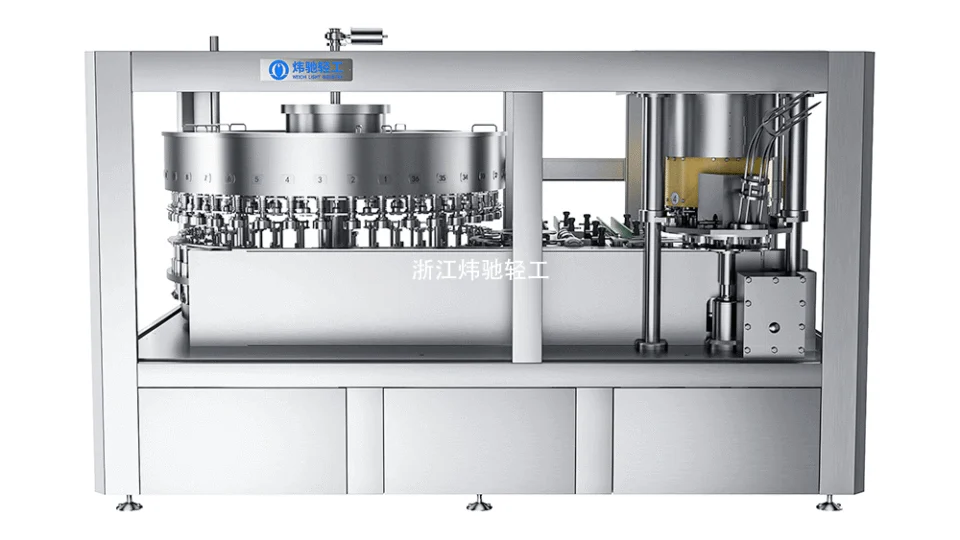
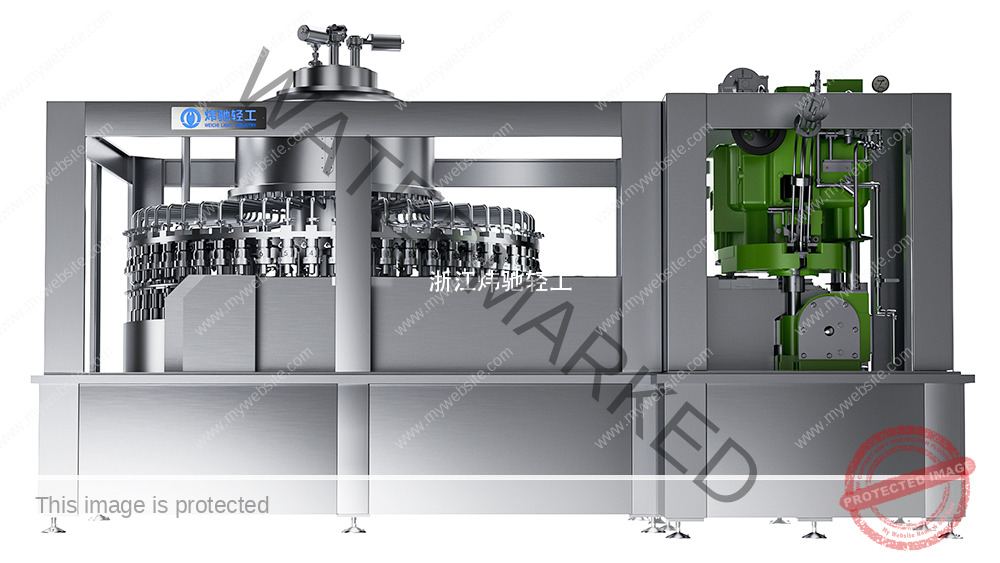
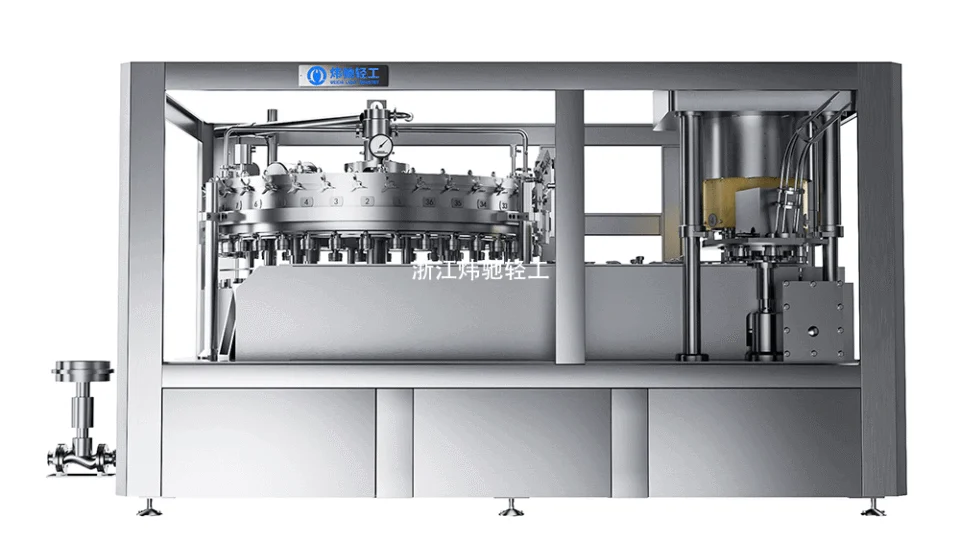
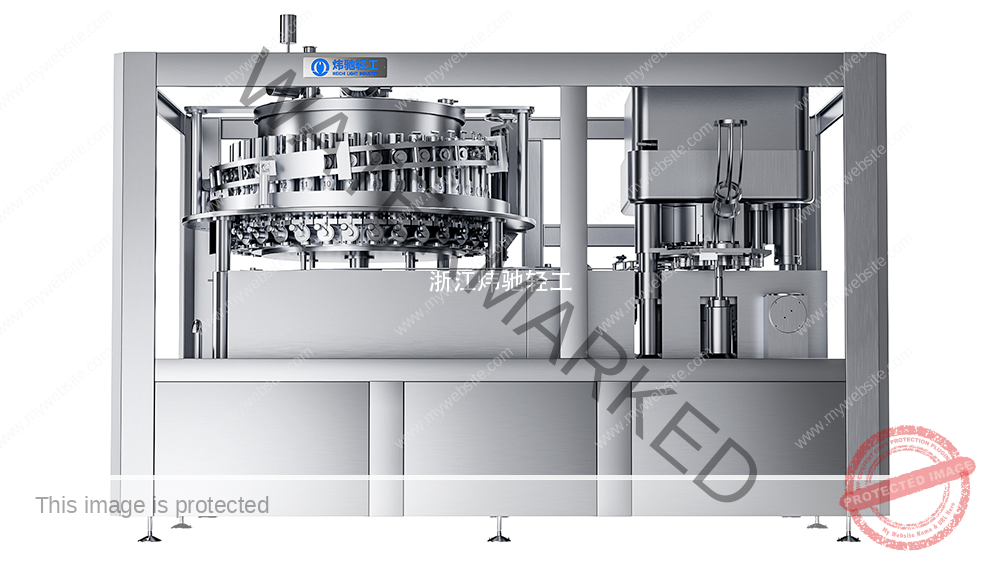
Key Takeaways
- Select can sealing technology from the product, package, process, required output, quality plan, and line layout. A supplier name or a headline speed is not enough to determine whether a mac…
- Start with the can body, end, material, diameter, height, internal coating, and dimensional tolerances. Then document the product, filling temperature, carbonation or internal pressure, hygi…
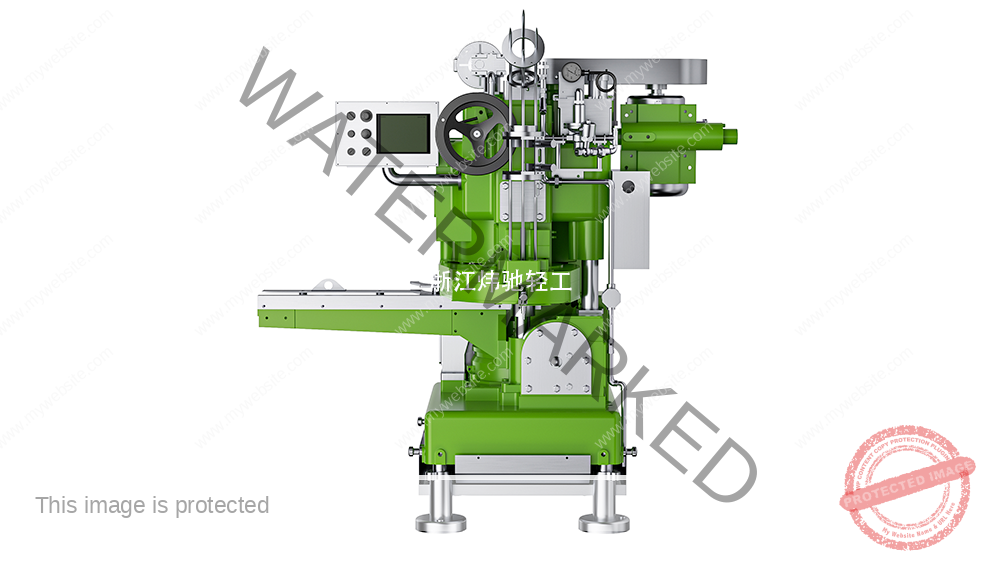
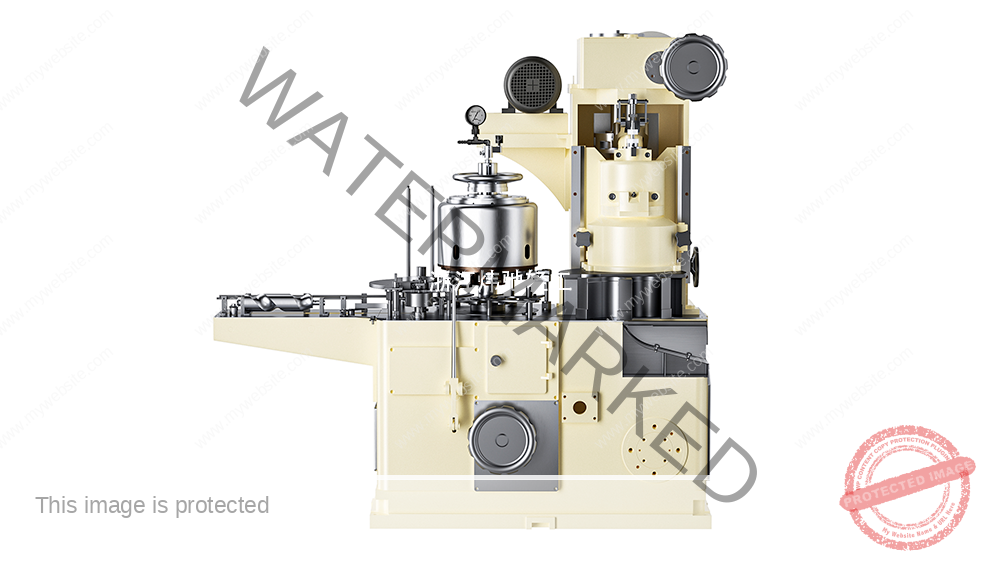
- For metal cans with easy-open ends, a double-seam system is commonly used. Other container materials or closure designs may require a different process. Confirm compatibility with the contai…

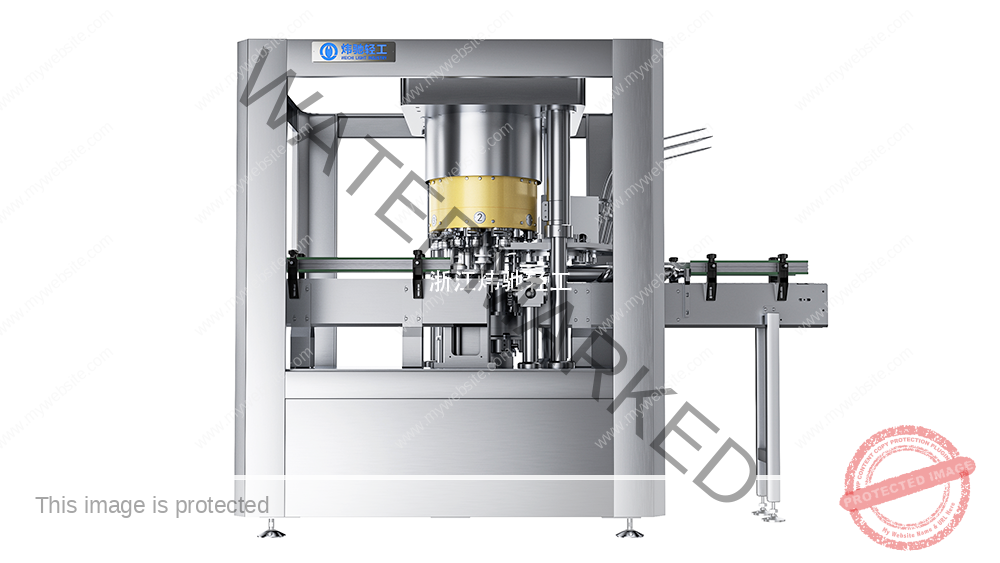
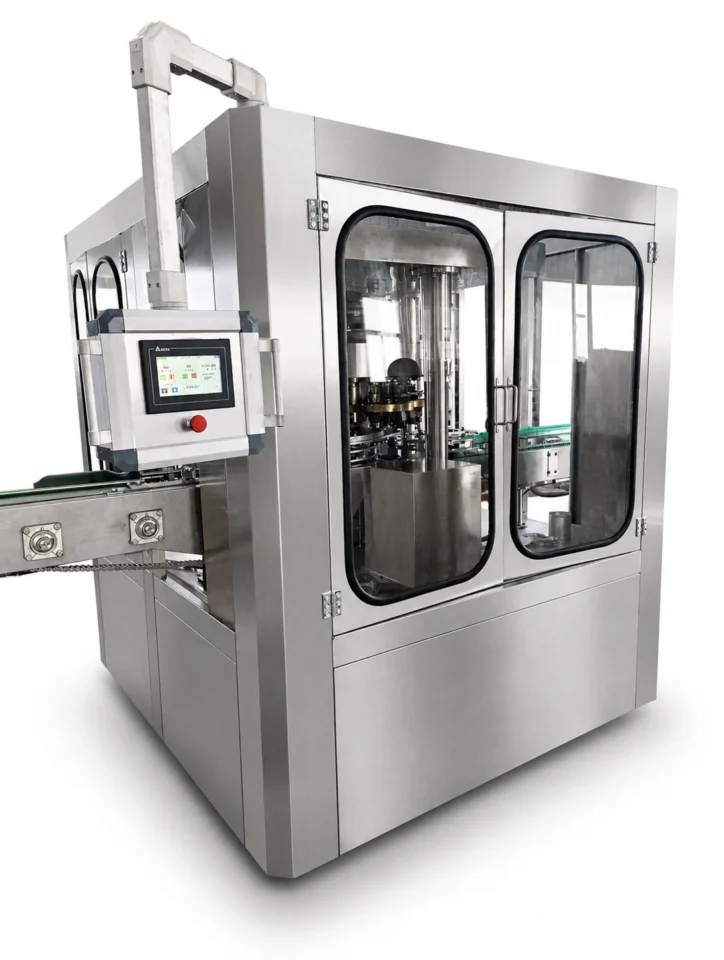
Select can sealing technology from the product, package, process, required output, quality plan, and line layout. A supplier name or a headline speed is not enough to determine whether a machine is suitable.
Define the Package and Product
Start with the can body, end, material, diameter, height, internal coating, and dimensional tolerances. Then document the product, filling temperature, carbonation or internal pressure, hygiene requirements, thermal process, and expected storage and distribution conditions.
For metal cans with easy-open ends, a double-seam system is commonly used. Other container materials or closure designs may require a different process. Confirm compatibility with the container and closure suppliers.
Compare Production Requirements
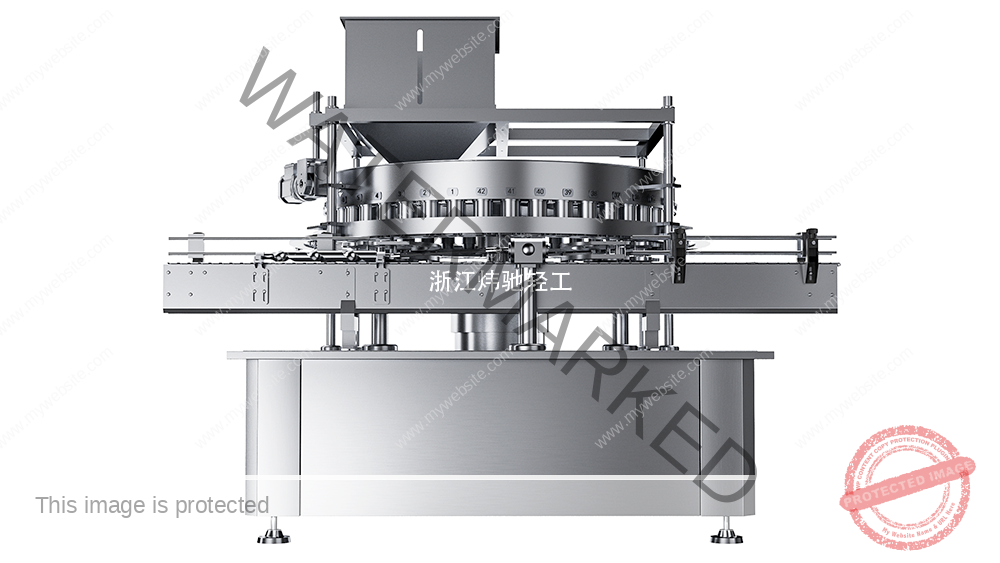
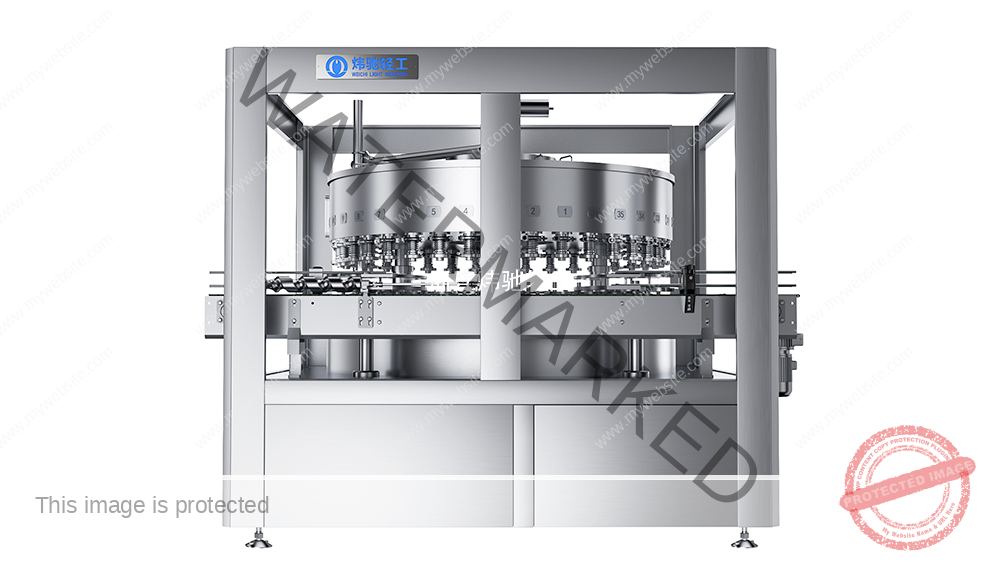
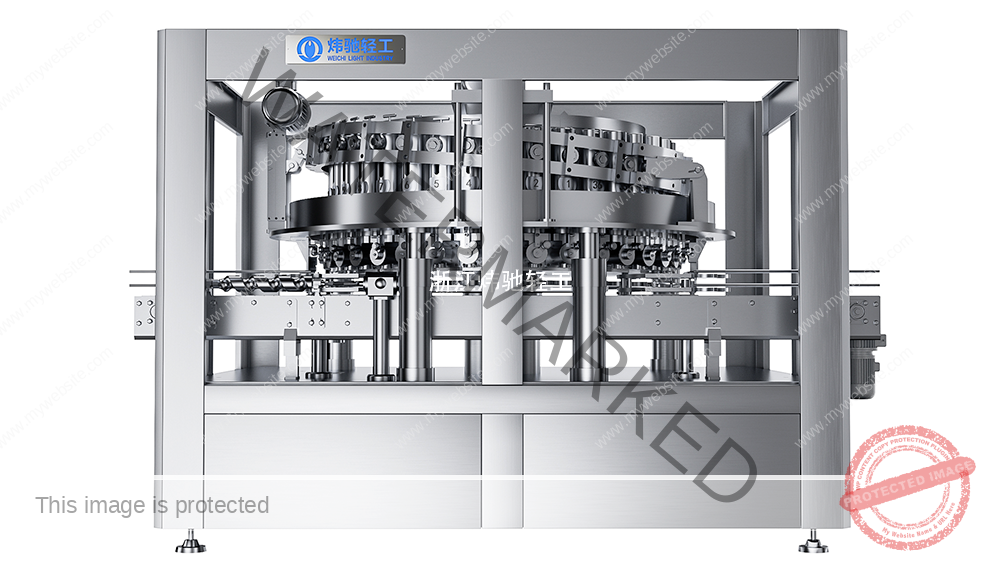
Evaluate saleable output rather than nominal machine speed. Include product and package changes, inspection, cleaning, planned maintenance, upstream and downstream constraints, accumulation, and expected rejects. Decide whether a standalone seamer or an integrated filler-seamer arrangement fits the line.
Review Quality-Control Capability
The machine must support the approved seam specification and inspection plan. Review tooling identification, adjustment controls, head-to-head traceability, access for sampling, changeover repeatability, and the ability to contain product when a result is outside specification.
Ask which measurements will be used during acceptance and which party provides the can, end, gauges, inspection equipment, and qualified personnel.
Check Hygiene, Utilities, and Integration
Confirm the cleaning procedure, materials of construction, drainage, lubrication control, and protection against product contamination. Verify electrical, pneumatic, lubrication, extraction, and other utility requirements. Interface signals, conveyor control, end feeding, coding, inspection, and guarding should be reviewed as part of the complete line.
Assess Maintenance and Support
Review preventive-maintenance tasks, tooling life management, spare-parts identification, documentation, training, remote support, and service response as contractual items. Avoid relying on broad service claims that are not defined in the proposal.
Testing Conditions and Acceptance
Factory and site acceptance criteria should identify the actual or representative product, cans, ends, tooling, utilities, operating mode, speed, test duration, sampling plan, seam limits, reject criteria, and responsibilities. Any performance claim should state the conditions under which it was demonstrated.
Results from a different package, product, or line should be treated as reference information, not as a project guarantee.
Safety Statement
Machine selection must include a site-specific risk assessment and review of applicable machinery, electrical, food-safety, and occupational-safety requirements. Installation, operation, cleaning, adjustment, and maintenance must follow the manufacturer instructions and be performed by trained personnel with the required guarding, interlocks, and energy-isolation procedures.
Supplier Evaluation Checklist
- Is the proposed system matched to the documented can and end?
- Are acceptance limits and test conditions written into the proposal?
- Can seam results be traced by head or station?
- Are change parts, tools, gauges, training, and documentation identified?
- Are line interfaces and utilities confirmed?
- Are warranty, service, and spare-parts commitments stated precisely?
Technical Basis and Project Evidence
Final equipment selection and acceptance must use the project product, can and end drawings, utility conditions, line interfaces, agreed test duration, and documented FAT/SAT criteria. Can and end supplier specifications remain authoritative for double-seam limits.
- U.S. FDA: Low-Acid Canned Food Manufacturers, Part 3 — Containers and Closures
- SAMR record: GB/T 30639-2014 — Sauce filling and seaming equipment
- SAMR record: GB/T 40360-2021 — Still-beverage can filling and seaming equipment
Review equipment families See project references Submit application data