
Key Takeaways
- Reliable lid feeding starts with a repeatable sequence: compatible ends enter the magazine, one end separates, guides deliver it, and the end reaches the can in the correct position before s…
- Record the can and end specifications, end lot, magazine level, speed, refill timing and first abnormal location. A jam, missing end, double end or reversed end is a symptom; it does not ide…
- Missing-end, double-end and orientation detection must be checked against the actual machine configuration and control logic. An advertised PLC alarm function does not establish that every o…

Reliable lid feeding starts with a repeatable sequence: compatible ends enter the magazine, one end separates, guides deliver it, and the end reaches the can in the correct position before seaming. Find the first point where that sequence changes instead of adjusting the seaming rolls to compensate for a feeding problem.
Record the can and end specifications, end lot, magazine level, speed, refill timing and first abnormal location. A jam, missing end, double end or reversed end is a symptom; it does not identify the failed component on its own.
Missing-end, double-end and orientation detection must be checked against the actual machine configuration and control logic. An advertised PLC alarm function does not establish that every one of these conditions is detected.

1. Define the can-and-end combination first
Use the end supplier's drawing and handling instructions, together with the machine's approved tooling and setup records. Check end diameter, curl geometry, material/coating, orientation, can flange compatibility and the agreed sample lot. Visually similar ends should not be assumed interchangeable.
Keep incoming ends clean and protected from impact, moisture and uncontrolled stack pressure. Segregate visibly damaged or questionable material. Preserve several examples from a problem lot, their packaging labels and a known-good comparison lot; these make a batch-related change easier to investigate.
2. Trace the functional sequence from magazine to can

Observe the sequence from outside the guards using approved viewing points or recorded video. Note where the first end hesitates, tilts, doubles or disappears. Inspect the magazine, separation mechanism and guides only after the required isolation. Do not reach into a running feeder or defeat a guard to collect evidence.
Compare the condition before and after a refill, at low magazine level, and after a controlled restart. A repeatable change tied to one of those conditions is more useful than a general report that the machine “sometimes jams.” Clearances, separation timing and air settings belong to the specific feeder's approved adjustment procedure; there is no universal setting for all ends and machines.
3. Use a symptom–location–evidence table
| Observed symptom | First location to establish | Evidence to retain before changing settings |
|---|---|---|
| End hangs in the magazine | Stack, outlet or separation entrance | End lot, stack alignment, fill level, refill history and visible contact marks |
| Two ends leave together | First point where single-end release is lost | Paired samples, lot labels and cycle video from a permitted viewing point |
| End arrives skewed or scratched | First guide or transfer point with deviation | Mark position, guide condition and repeated observation with approved samples |
| Can reaches the station without an end | Separation, transfer or placement | Cycle/alarm time, end presence along the path and the affected-can range |
| End is reversed | Loading orientation or first transfer where orientation changes | Loading method, package orientation and actual detection/stop response |
| Failure follows refill or restart | Magazine transition and first subsequent release cycles | Refill quantity, restart sequence, speed and before/after comparison |
The table identifies checks, not confirmed root causes. Verify a suspected cause by a controlled comparison, document the approved change, and repeat the relevant observation. Avoid changing several parameters at once.
4. Verify configured interlocks and affected-can handling
For each relevant condition, establish what is sensed, when the PLC evaluates it, which message appears, whether feeding or the whole machine stops, and what happens to cans already between detection and seaming. Confirm sensor cleanliness, mounting and response using the manufacturer's procedure.
Where a condition is not directly detected, document the available process checks and the operator's response. Do not describe a proposed sensor or software change as an installed capability. If a feeding deviation could affect closure quality, identify and segregate the affected cans, then apply the site's approved inspection and disposition process before release.
The Canadian Food Inspection Agency's metal-can defects guidance identifies double ends as a serious defect: two formed ends can remain together and be seamed onto one can body. This supports treating double-end feeding as a closure-quality issue, not merely a nuisance stoppage. Acceptance limits and seam examination must follow the applicable can/end specifications and the processor's controls.
5. Build lid-feeding checks into trials and acceptance
Agree a trial matrix with representative production cans and ends before FAT or commissioning. Include the intended operating conditions, normal refill handling, low magazine level and controlled stop/restart. Record the duration, sample count, lot, speed, observed feed interruptions and inspection results so another person can reproduce the check.
Test configured detection and recovery functions only with a manufacturer-approved safe method. Do not intentionally feed damaged material into production to provoke a fault. Define pass/fail criteria before the trial rather than inventing a universal jam-rate target after seeing the results.
Keep a setup and maintenance record covering the magazine, separating parts, guides, sensors and approved wear limits. After replacement or adjustment, verify the same can/end combination again and retain the previous settings for comparison.
6. Prepare a useful supplier inquiry
Send can and end drawings, representative samples, lot information, the intended product and operating conditions, and a short record showing the first abnormal location. Add the required detection and affected-can handling functions as explicit scope items.
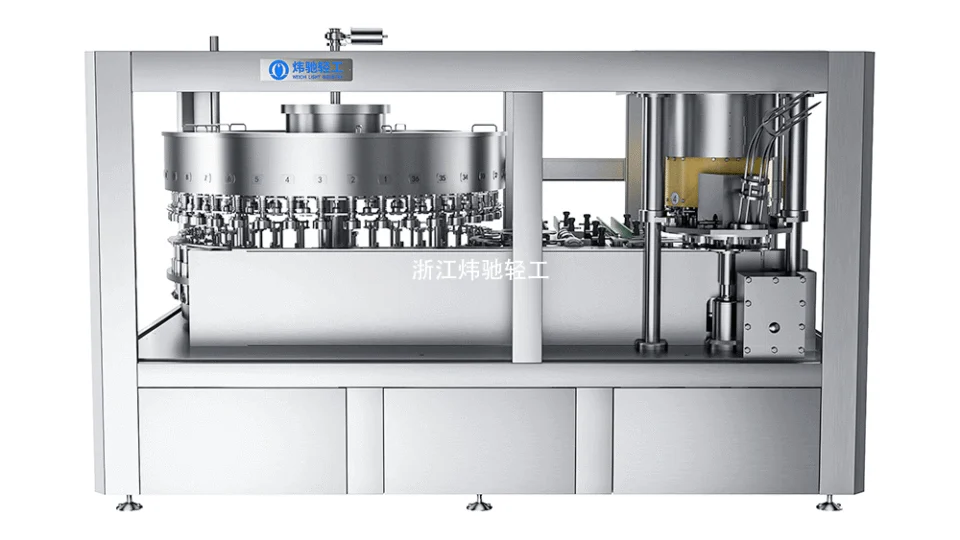
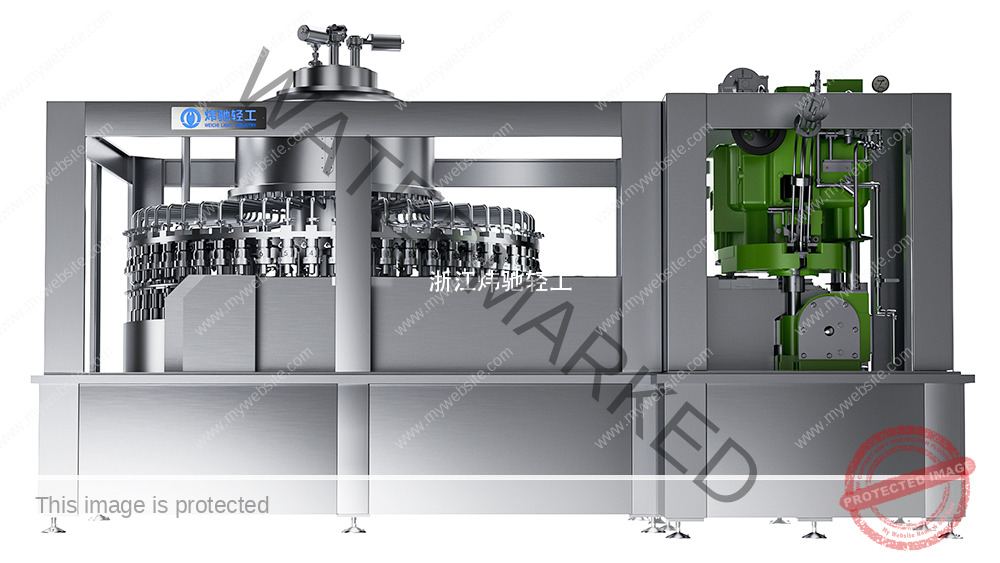
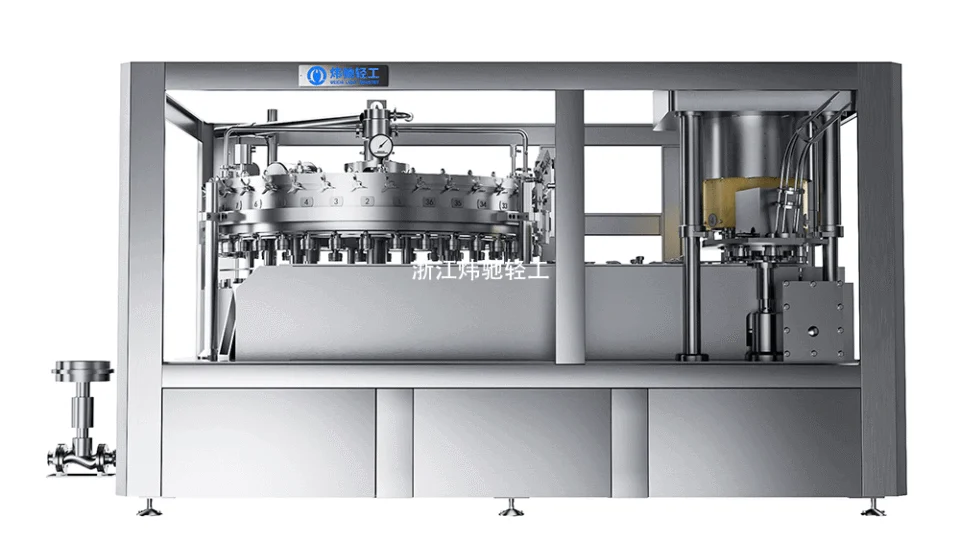
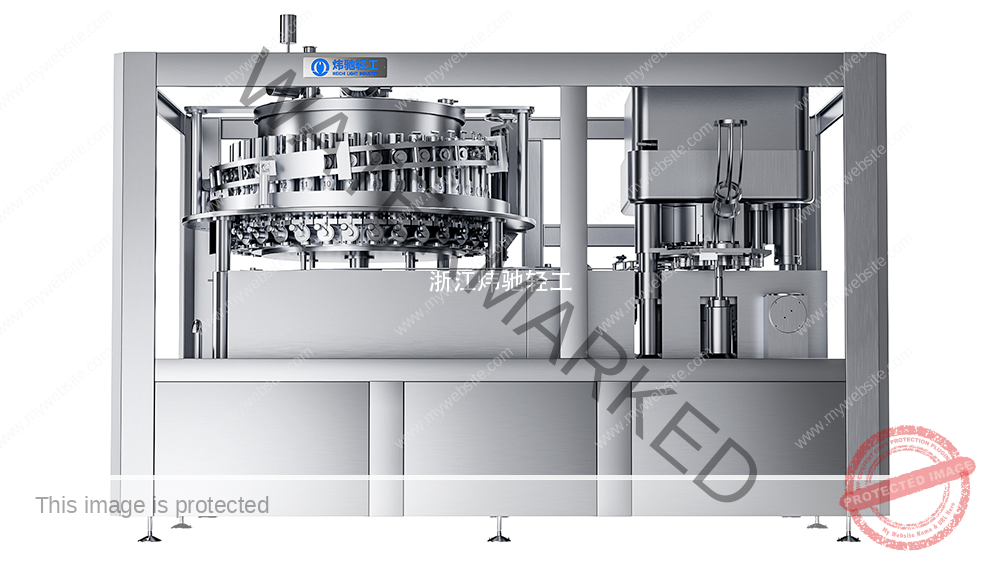
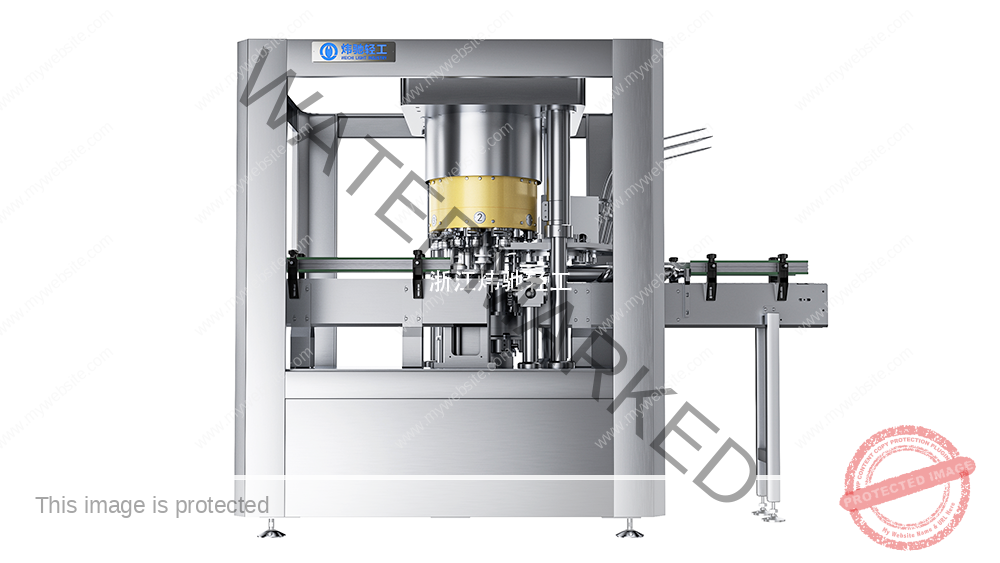
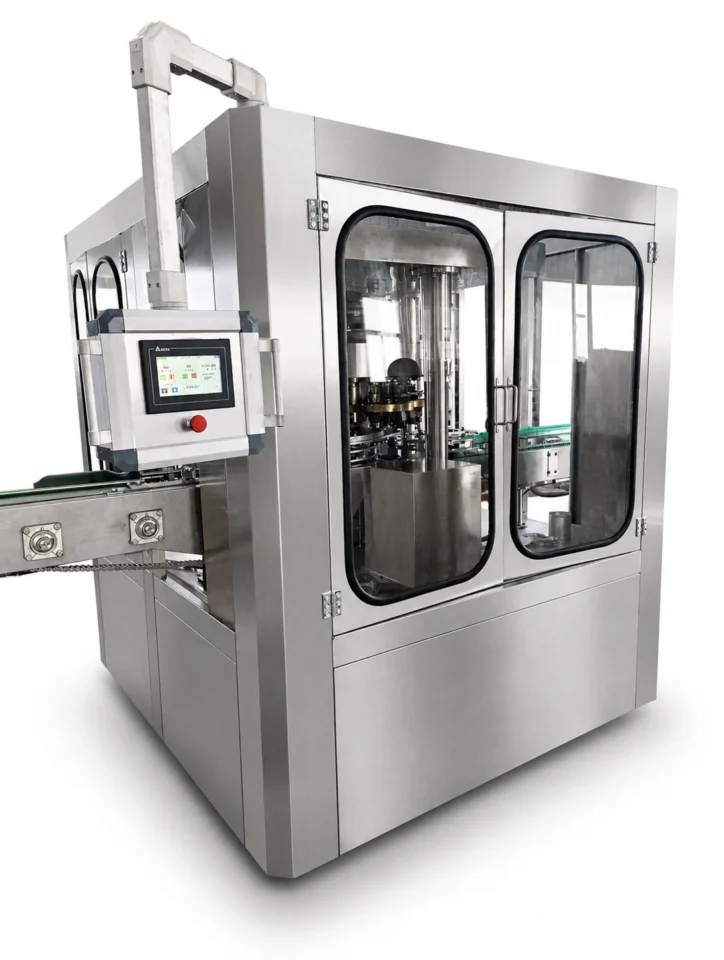
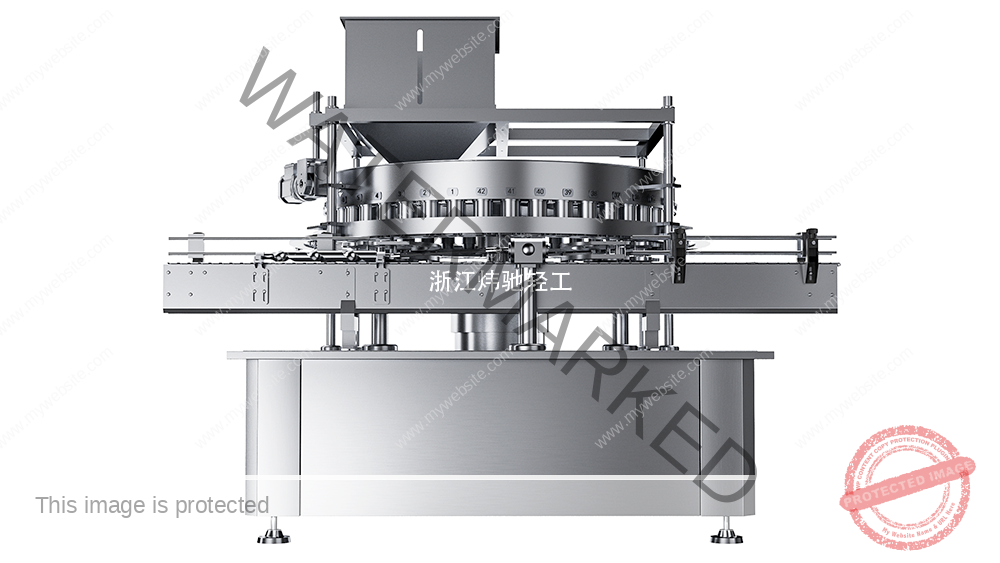
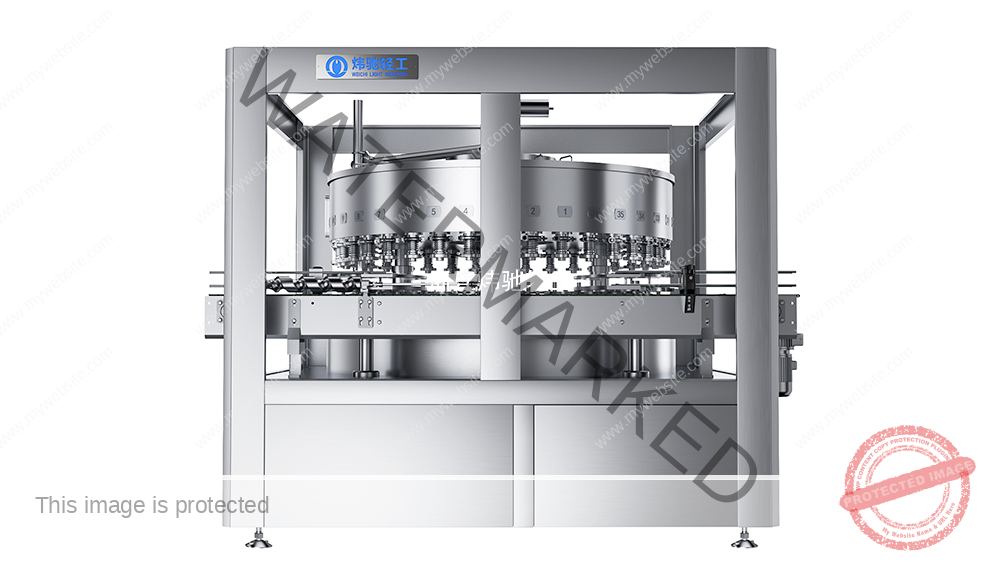
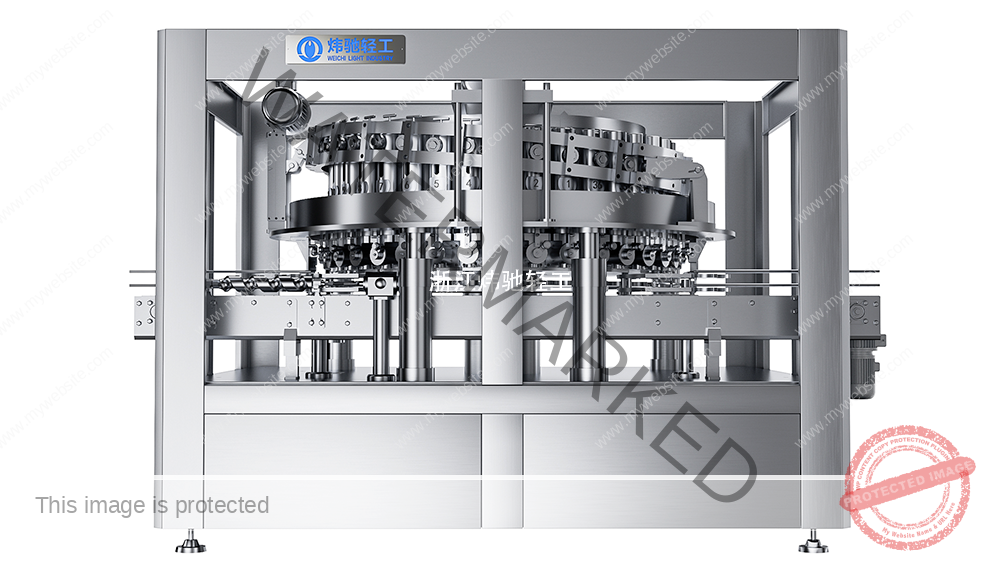
Weichi's viscous-liquid filling and seaming monoblock combines filling, lid placement and seaming. Its published alarm information should be supplemented by project-specific confirmation of lid-feeding mechanisms, sensors and recovery logic. Use the equipment inquiry page to request a configuration and sample-trial review.
For broader line recovery, see downtime troubleshooting. For tooling changes and first-piece release, see can changeover planning.
Frequently asked questions
Does every can seamer detect a missing or reversed end?
No universal capability should be assumed. Check the installed sensors, evaluation timing, alarm and stop response, and the agreed acceptance test for the actual machine.
Should a lid jam be corrected by changing seaming-roll settings?
First establish where feeding deviates. Seaming-roll adjustment does not establish the cause of a magazine, separation or transfer problem; follow the approved procedure for the component concerned.
What evidence helps distinguish an end-lot problem from a feeder problem?
Retain the lot identification and abnormal samples, locate the first deviation, and compare representative approved lots under recorded conditions. Change one approved factor at a time and repeat the observation.
Technical Basis and Project Evidence
Final equipment selection and acceptance must use the project product, can and end drawings, utility conditions, line interfaces, agreed test duration, and documented FAT/SAT criteria. Can and end supplier specifications remain authoritative for double-seam limits.
- U.S. FDA: Low-Acid Canned Food Manufacturers, Part 3 — Containers and Closures
- SAMR record: GB/T 30639-2014 — Sauce filling and seaming equipment
- SAMR record: GB/T 40360-2021 — Still-beverage can filling and seaming equipment
Review equipment families See project references Submit application data