
Key Takeaways
- When buying a new can seamer, ask every supplier to time the same format change and report two results: setup time and time to released output. Define the start event, the first-can checks a…
- Give suppliers the source and target can-and-end combinations, with drawing revisions and samples. List A to B and B to A separately if the work differs. Ask each supplier to list included c…
- Identify whether the quoted timing covers a standalone seamer or the full line. Use the factory acceptance test (FAT) to check the conditions you can reproduce there. Reserve tests that depe…

When buying a new can seamer, ask every supplier to time the same format change and report two results: setup time and time to released output. Define the start event, the first-can checks and the release decision in the request for quotation (RFQ). Those definitions let you compare proposals and verify the selected machine at acceptance.
Specify the format pair and who does the work
Give suppliers the source and target can-and-end combinations, with drawing revisions and samples. List A to B and B to A separately if the work differs. Ask each supplier to list included change parts and tools, the crew and its training, and which materials or parts the team may stage before the clock starts.
Identify whether the quoted timing covers a standalone seamer or the full line. Use the factory acceptance test (FAT) to check the conditions you can reproduce there. Reserve tests that depend on site conveyors, end supply or line controls for the site acceptance test (SAT) as agreed.
Set four events on a single timeline
For example, define T0 as the moment the last accepted can of the outgoing format clears an agreed point and the changeover begins. If the project uses a recorded changeover command, specify that event instead. At T1 the machine is set up and safe to run the new format. At T2 the team takes the acceptance sample. At T3 the team has completed the agreed checks and observation window and can release production.
Report T0 to T1 for setup and T0 to T3 for released output. Log cleaning, adjustments, product or end delays, and inspection waits as separate events. Agree before testing which intervals may be excluded and when a pause is allowed. When using an exclusion, preserve both elapsed time and adjusted time.

Define what qualifies as the first accepted can
Label trial cans with the run time, can and end lots, and the seaming head where applicable. On a multihead machine, agree how to sample across the heads in service and which visual and teardown checks to record. Name the applicable packaging supplier specification or project-approved criteria, the measurement method and the person who authorizes release.
Keep trial output identifiable and on hold pending disposition. If a sample fails, keep the finding on the original timeline, record the correction and repeat the agreed checks. Where release also depends on sustained output, set the target rate, observation window and handling of interruptions up front. The FDA inspection guide for low-acid canned food manufacturers provides background on seam examination and terminology.
Use the same response table for each quote
| RFQ field | Supplier response | Acceptance record |
|---|---|---|
| Format direction and machine scope | Can and end IDs, drawing revisions, standalone or line scope | Test configuration and packaging lots |
| Crew, tooling and staging | Crew roles, change parts, tools and permitted staging | Differences between factory and site conditions |
| Clock events and exclusions | T0 through T3, included work and allowed pauses | Timestamps, continuous elapsed time and any deductions |
| Sample and release criteria | Applicable heads, methods, criteria and release authority | Sample IDs, findings, deviations and repeats |
Illustrative timing example. A team completes setup at minute 18, takes the acceptance sample at minute 24 and releases production at minute 36. The test sheet records 18 minutes for setup and 36 minutes to released output, with the sample and inspection log attached. If a can fails the agreed criteria, document the retest and the actual release time.
Carry the agreed conditions into equipment selection
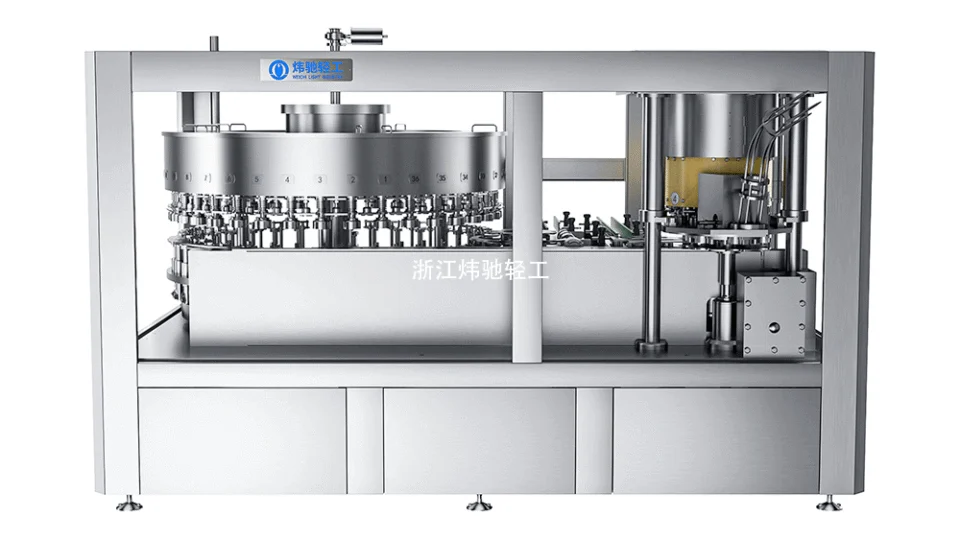
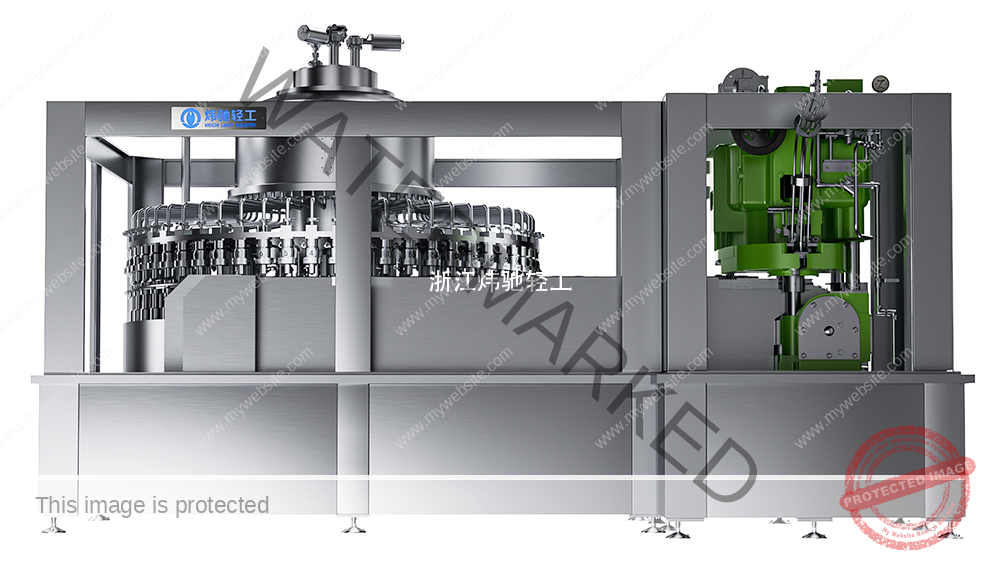
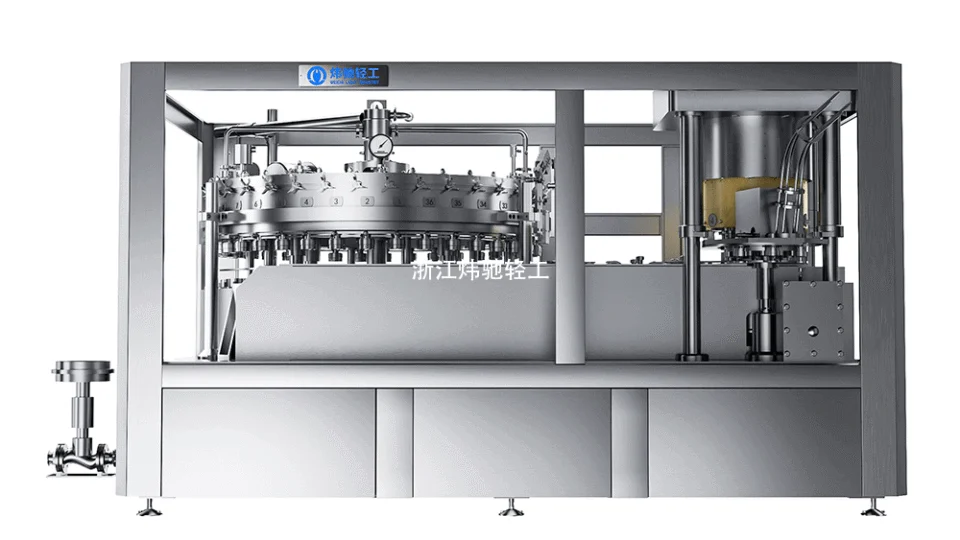
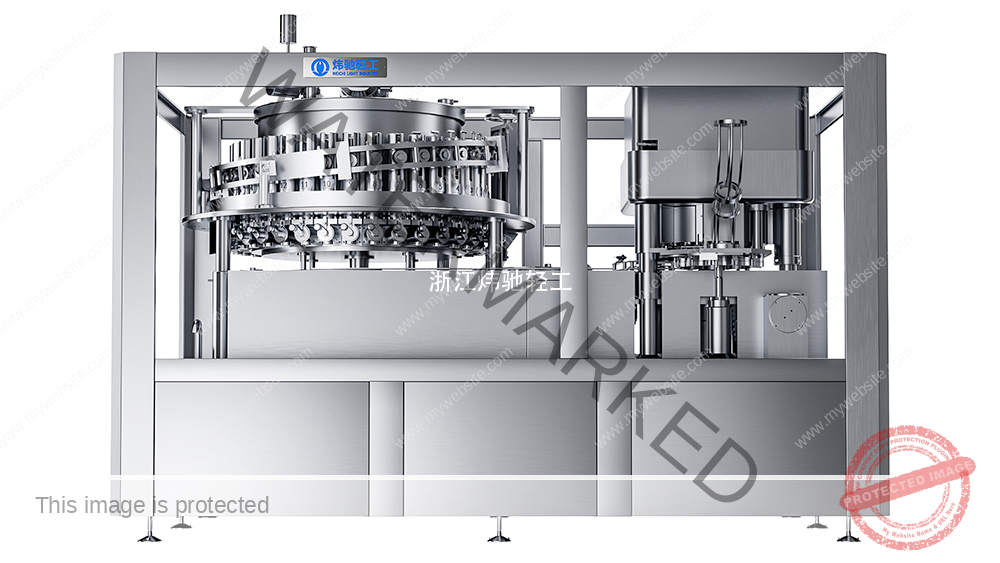
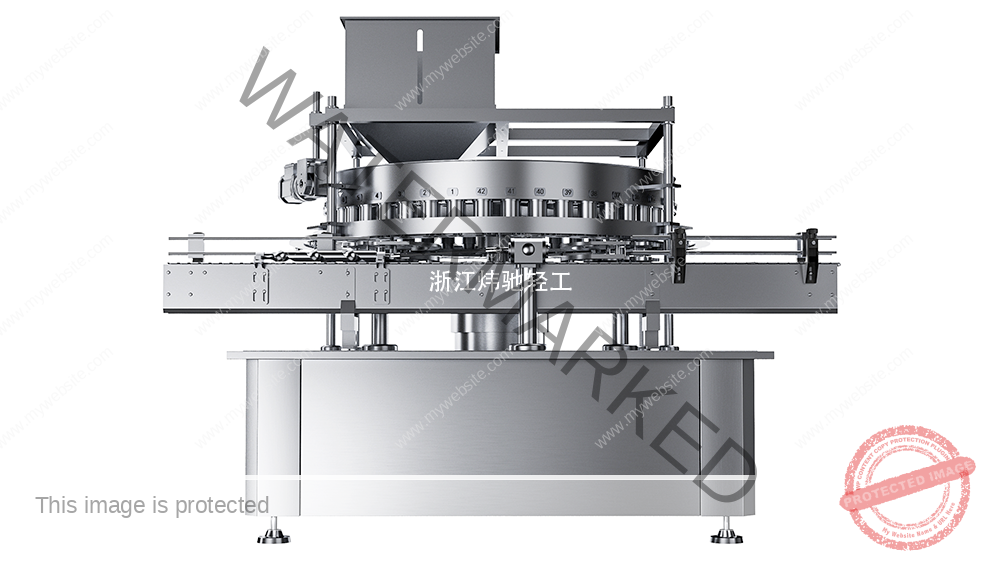
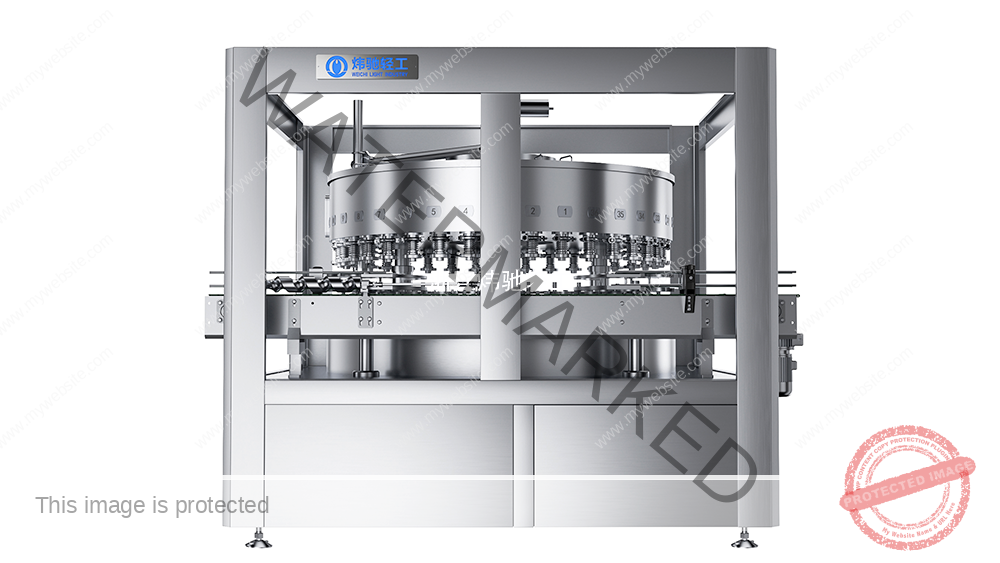
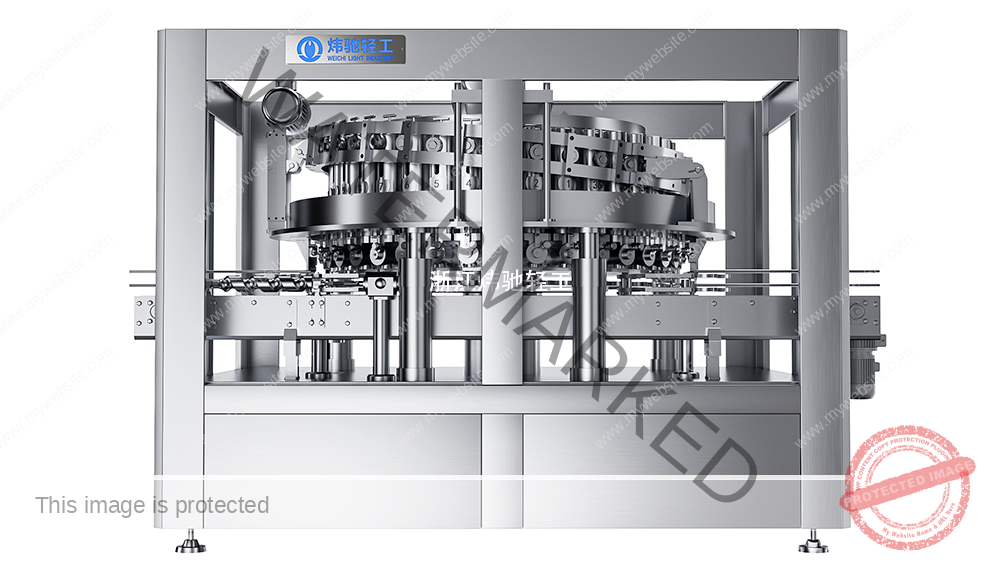
Attach the agreed table to the can filling and seaming FAT/SAT checklist and use the can changeover planning guide to prepare the shop-floor sequence. When evaluating a new Weichi automatic can seamer, send us the two can and end combinations, target rate and available crew so we can discuss change parts and trial conditions for your project.
Cover image is an AI concept illustration.
Technical Basis and Project Evidence
Final equipment selection and acceptance must use the project product, can and end drawings, utility conditions, line interfaces, agreed test duration, and documented FAT/SAT criteria. Can and end supplier specifications remain authoritative for double-seam limits.
- U.S. FDA: Low-Acid Canned Food Manufacturers, Part 3 — Containers and Closures
- SAMR record: GB/T 30639-2014 — Sauce filling and seaming equipment
- SAMR record: GB/T 40360-2021 — Still-beverage can filling and seaming equipment
Review equipment families See project references Submit application data