
Key Takeaways
- Foam during carbonated can filling becomes a troubleshooting problem when it causes unstable fill quantity, overflow or difficulty delivering a filled can to the seamer. Start by locating wh…
- Observe through the machine's normal guarded viewing points. Does foam first appear during filling, as pressure is released, after the can leaves the filler, or near lid application? Record…
- These patterns identify the next evidence to collect. They do not prove a root cause on their own.

Foam during carbonated can filling becomes a troubleshooting problem when it causes unstable fill quantity, overflow or difficulty delivering a filled can to the seamer. Start by locating when the foam appears and comparing synchronized records. A pressure adjustment made without that context can hide the symptom while leaving the underlying problem unresolved.
This framework helps operators and engineers distinguish a common process disturbance from a repeating valve fault. It is a diagnostic method, not a universal temperature, pressure or speed recipe, and it does not report a Weichi customer trial.
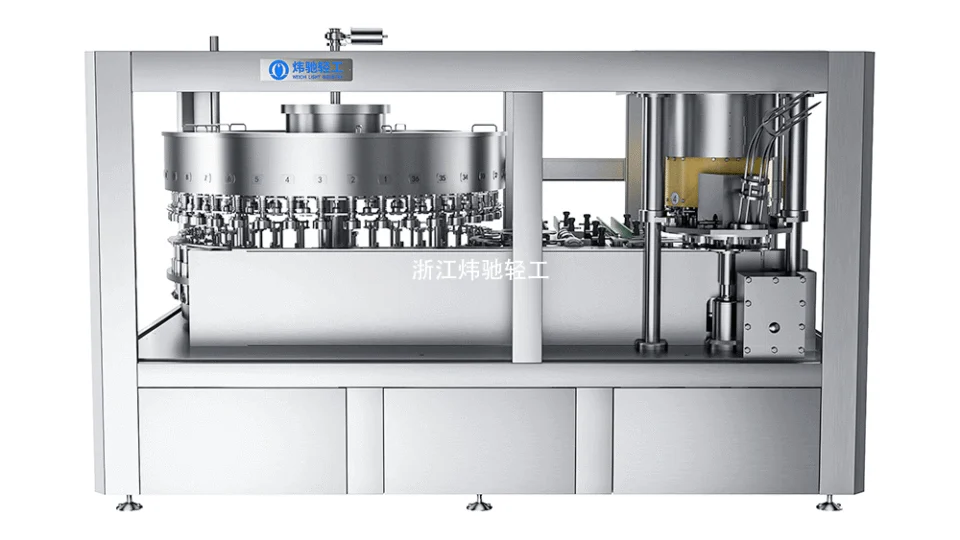
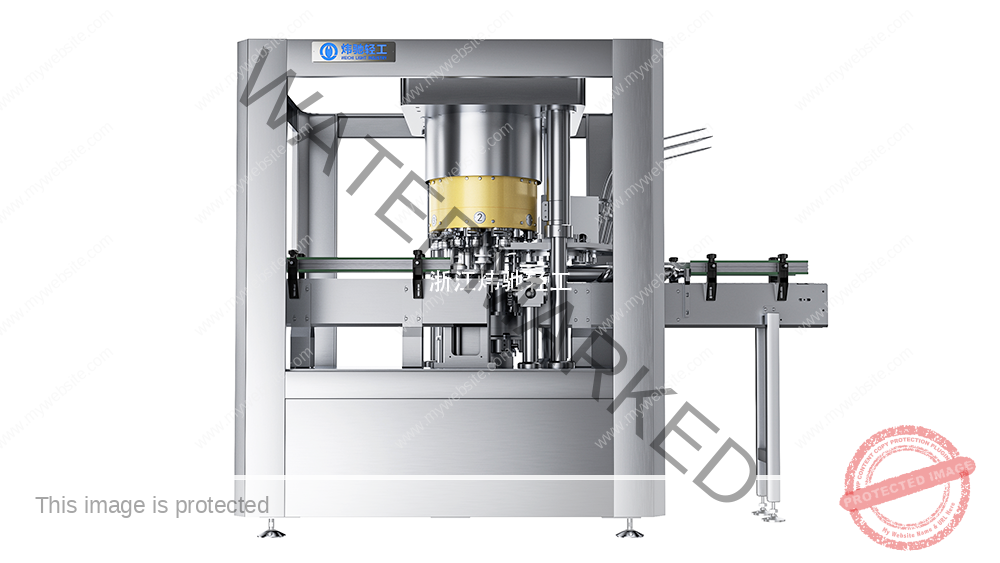
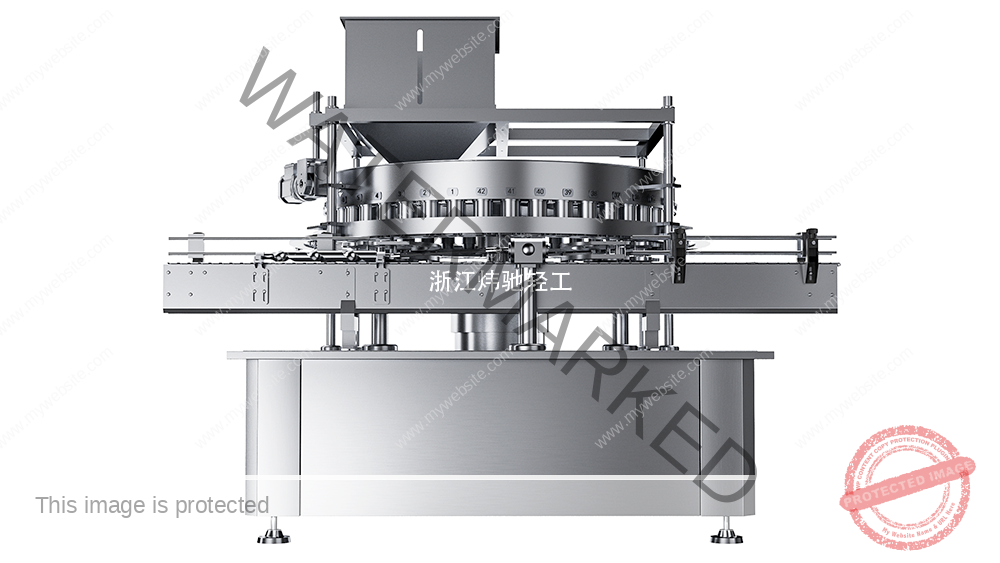
Cover image: AI-generated concept illustration, not a photograph of Weichi equipment or a production trial.
1. Identify the event before changing settings
Observe through the machine's normal guarded viewing points. Does foam first appear during filling, as pressure is released, after the can leaves the filler, or near lid application? Record the valve or filling position, time, batch, line speed and whether the event follows a stop or restart. Use existing video or safe observation; do not open guards to obtain footage.
- Many valves change together: investigate shared product conditions and supply or pressure behavior before assuming several valves have failed.
- The same position repeats: compare its timing and behavior with neighboring positions under the same product conditions.
- Only after a restart: compare the first cans with the stabilized run, including product temperature and the approved restart sequence.
These patterns identify the next evidence to collect. They do not prove a root cause on their own.

2. Build a synchronized temperature, pressure and CO₂ record
For a given beverage, dissolved CO₂ must be considered together with temperature and pressure. A pressure gauge alone is not a dissolved-CO₂ measurement. Anton Paar's technical explanation of carbon dioxide in beverages describes the pressure–temperature relationship and the influence of other gases on measurement.
Use the plant's validated sampling and instrument procedure. Record the instrument, calibration status, sampling location, time and product identity. Do not compare a tank reading from one time with a warm can sampled much later as if they described the same filling event.
- Product: recipe or batch, measured CO₂ and its reporting unit; include a change in formulation or product condition.
- Temperature: actual product temperature at a defined point near filling, together with the stop duration and restart time.
- Pressure: measurement location, unit and whether the reading is gauge or absolute pressure. Record instability as well as the displayed value.
- Output: valve position, speed, foam location, fill mass or validated fill-volume result, rejects and observable product loss.
Where instrumentation is unavailable, mark the item as unmeasured and arrange an approved test. Do not substitute an estimated value and then use it as proof.
3. Separate common conditions from a valve-specific fault
If most filling positions show the change at the same time, review the recorded product temperature, carbonation condition, supply stability and approved filling sequence. Check whether the condition existed before the filler or developed after a stop. Avoid changing several pressure and timing values together: the next run would no longer identify which change mattered.
If the same valve repeatedly differs from its neighbors, use the drawing and maintenance instructions for that installed valve. Depending on its actual design, the relevant checks may include the can seal, product path, gas return or venting path, valve movement and timing. Confirm that each named circuit exists on the installed configuration. A generic diagram cannot establish the internal structure of a particular valve.
Depressurize, isolate energy and follow the manufacturer's maintenance procedure before opening a valve or pressure circuit. Never bypass an interlock or exceed the approved operating window to suppress foam.
4. Run a controlled comparison and verify the whole result
Agree a baseline and change one permitted variable at a time. Keep the beverage batch, container/end specification and other conditions comparable. Include the stabilized run and, where relevant, an approved stop-and-restart comparison. Record what changed, who authorized it and which observations supported the decision.
- Fill quantity: use a defined sample plan and an agreed mass or volume method. Foam height is not a fill-quantity result.
- Carbonation: compare measured CO₂ using the agreed method and sample timing.
- Closing quality: verify can/end compatibility and the specified double-seam checks after the filled can reaches the seamer.
- Loss and stability: record overflow, rejects and the agreed product-loss measure over a defined run. A short foam-free observation is insufficient.
Acceptance limits, run duration and sample frequency belong in the project test plan. Fewer visible bubbles do not establish oxygen pickup, shelf life or microbiological performance. Dissolved-oxygen assessment requires its own measurement plan.
5. Turn the record into a useful supplier discussion
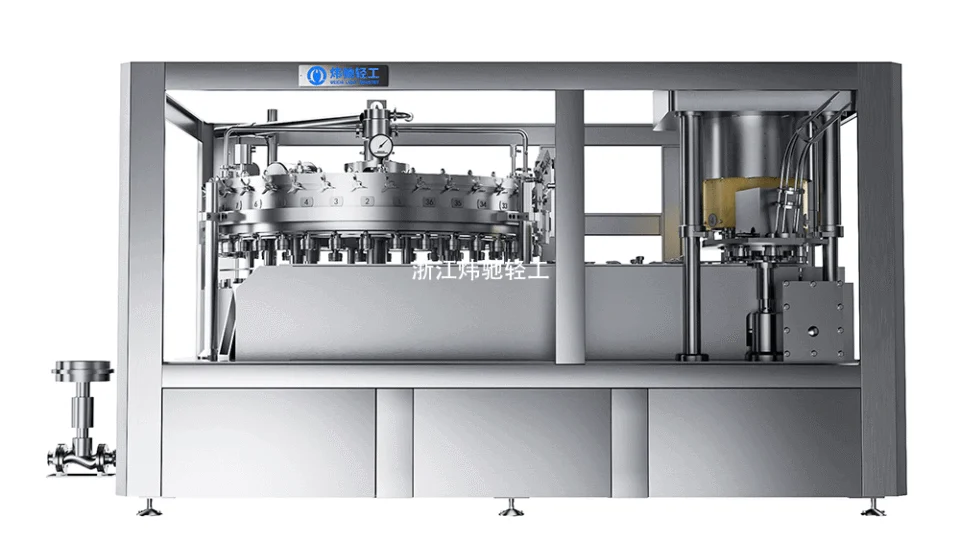
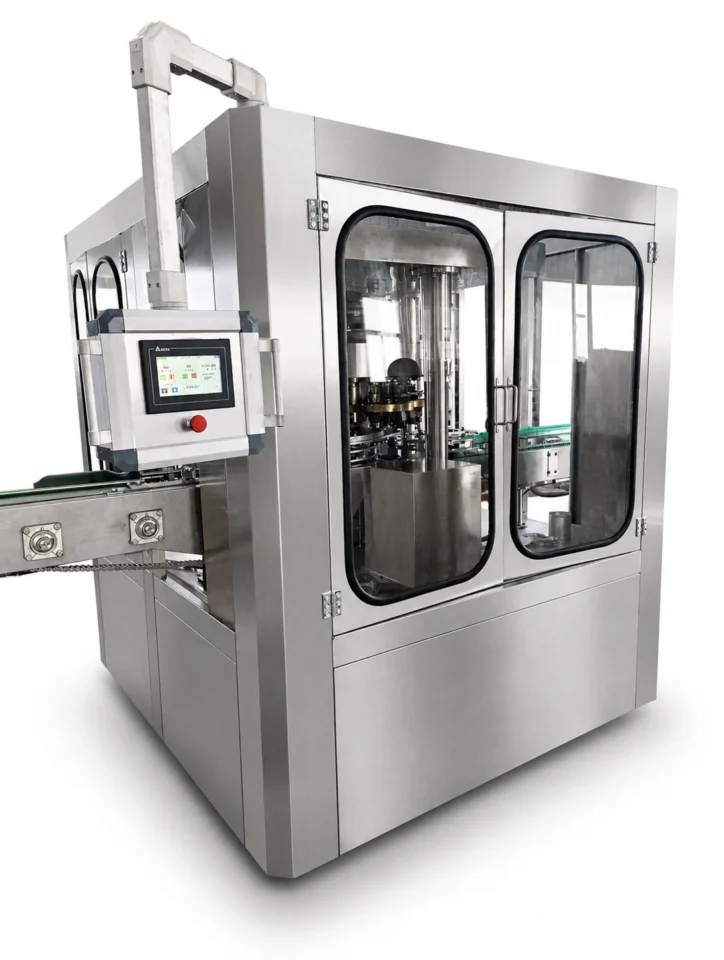
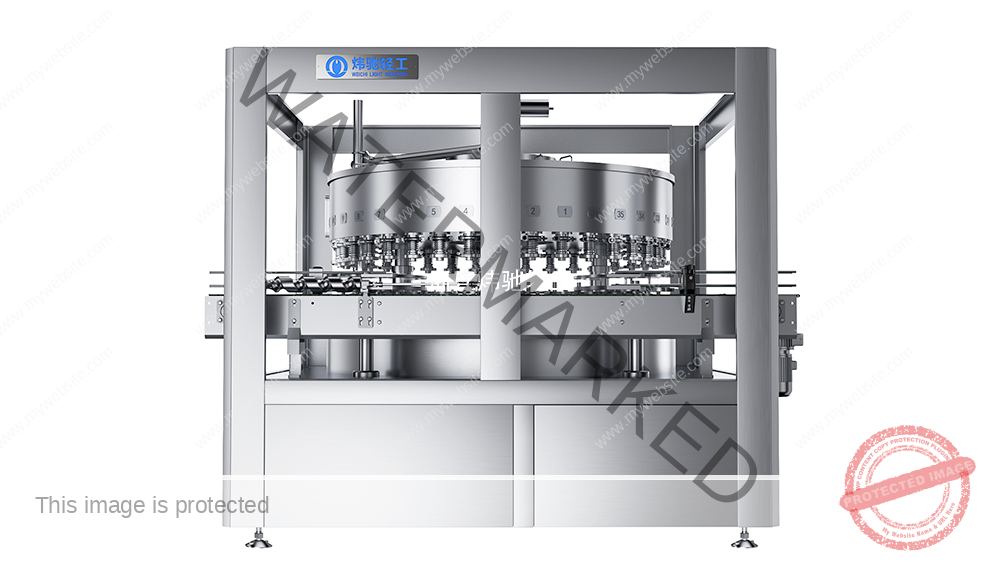
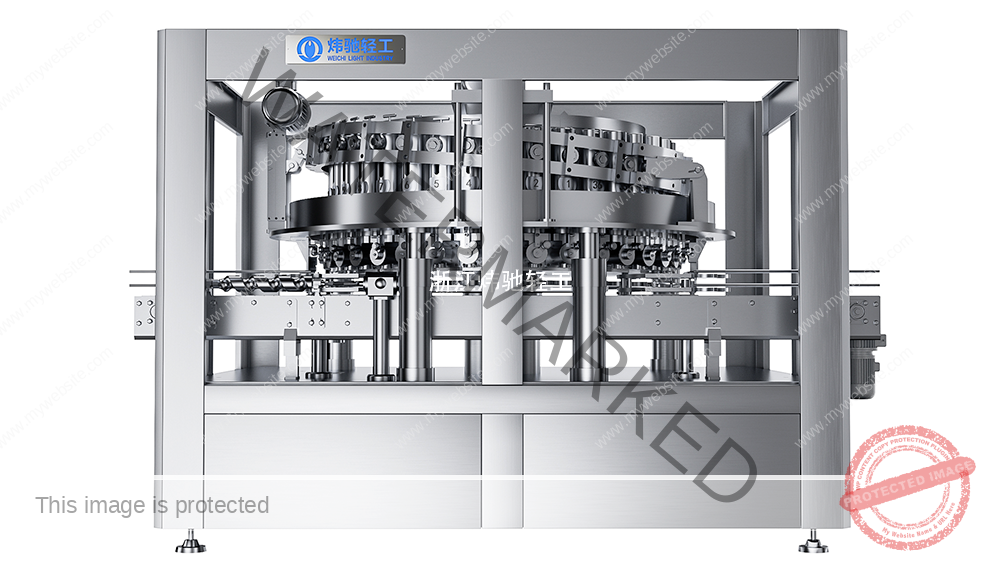
For compatible beer and carbonated-beverage applications, Weichi's carbonated and beer can filling and seaming monoblock is the relevant product category to discuss. The selected valve arrangement, utilities and operating conditions must be confirmed for the actual product and can/end combination.
For broader equipment decisions, see the monoblock selection and validation guide. For an existing foam problem, send an application and troubleshooting inquiry with the beverage, can/end specification, measured temperature and CO₂, pressure locations and units, line speed, valve pattern and safe event footage. Remove confidential production details that are unnecessary for diagnosis.
Frequently asked questions
Should filling pressure simply be increased when foam appears?
No universal increase can be recommended. First verify the product conditions, pressure reference and event timing. Any adjustment must remain within the approved process and equipment limits and be checked against fill, CO₂ and seam results.
Is 4°C the correct filling temperature for every carbonated drink?
No. A published example is not a validated recipe for every beverage. Agree the temperature window using the actual formulation, carbonation level, equipment configuration and project testing.
Does low foam prove low dissolved oxygen?
No. Visible foam is an observation. Oxygen performance needs a suitable instrument, sampling procedure and agreed acceptance criteria.
Technical Basis and Project Evidence
Final equipment selection and acceptance must use the project product, can and end drawings, utility conditions, line interfaces, agreed test duration, and documented FAT/SAT criteria. Can and end supplier specifications remain authoritative for double-seam limits.
- U.S. FDA: Low-Acid Canned Food Manufacturers, Part 3 — Containers and Closures
- SAMR record: GB/T 30639-2014 — Sauce filling and seaming equipment
- SAMR record: GB/T 40360-2021 — Still-beverage can filling and seaming equipment
Review equipment families See project references Submit application data