
Key Takeaways
- A new can seamer endurance trial should tell the buyer how much accepted output the machine delivered, what interrupted it, and what evidence supported release after each restart. Agree the…
- For a standalone seamer, place the agreed count point at its discharge and log the state of the infeed and downstream equipment. For a filler-seamer or a line acceptance test, identify the s…
- Agree when the trial starts. For example, the parties can start once setup is complete, initial seam checks are accepted, and the witness has logged the initial counter readings. Specify bot…

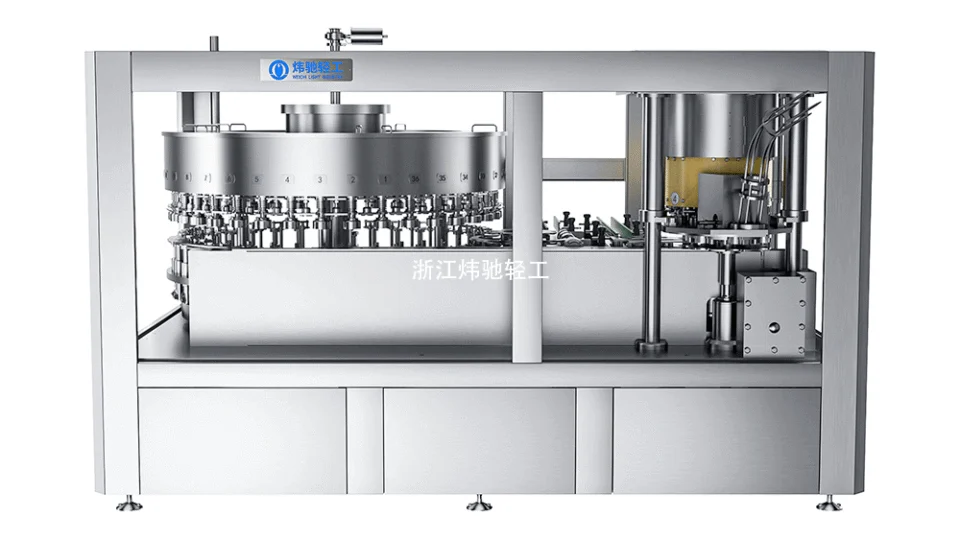
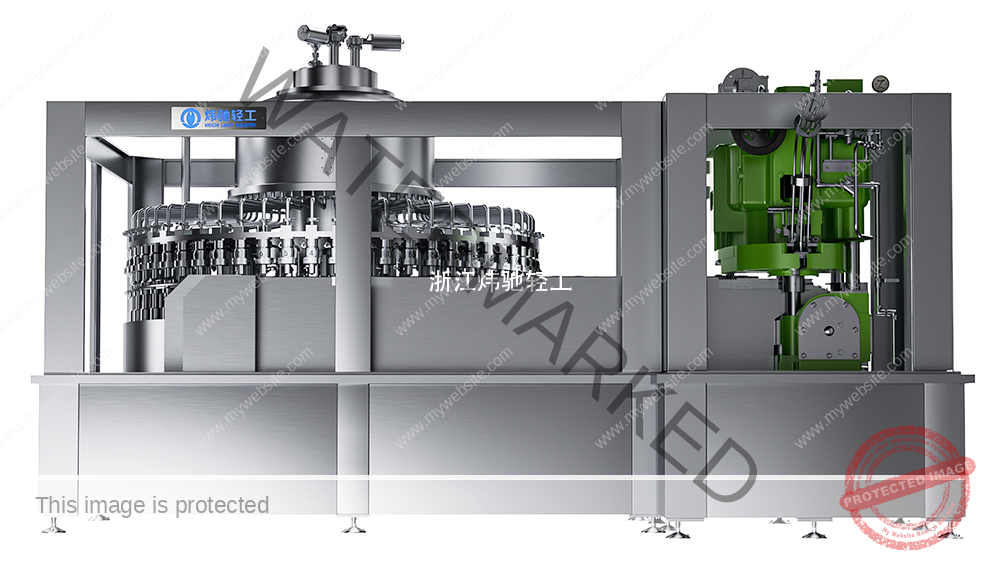
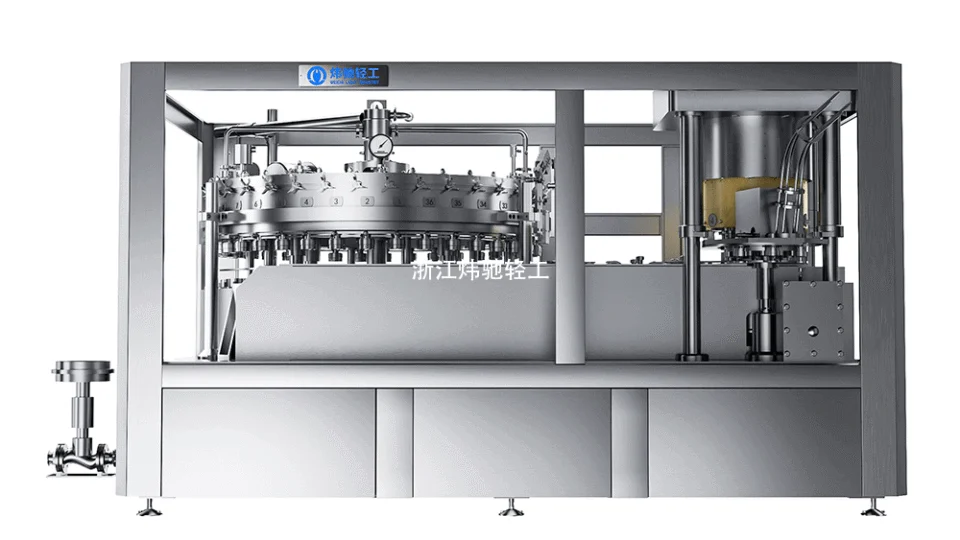
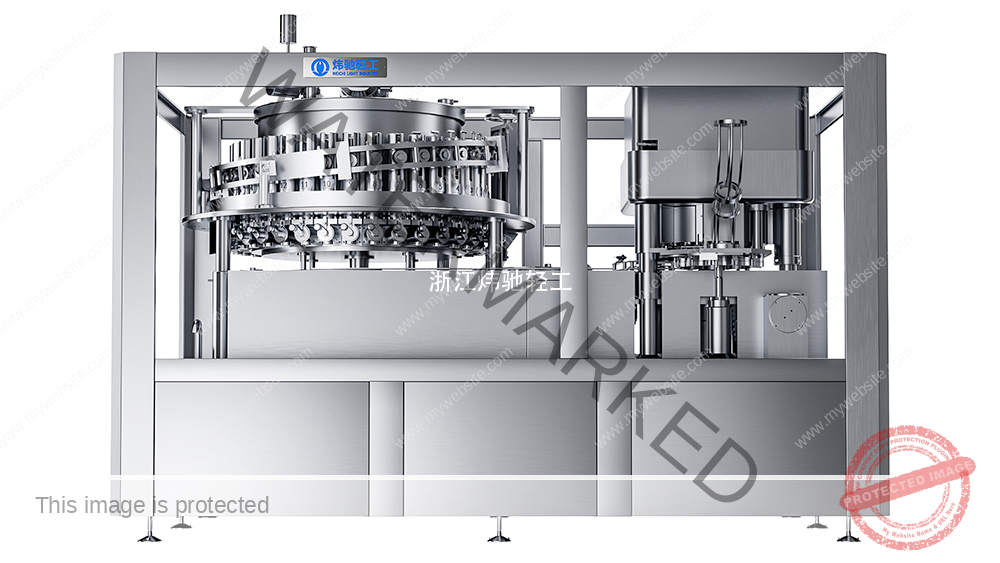
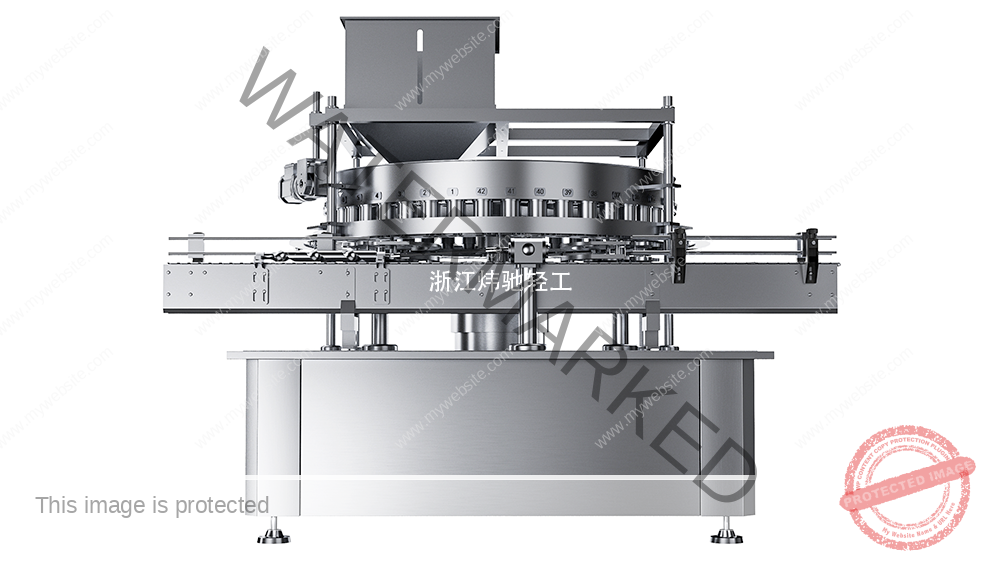
A new can seamer endurance trial should tell the buyer how much accepted output the machine delivered, what interrupted it, and what evidence supported release after each restart. Agree the clock and the sampling plan before the trial so that the supplier and buyer can use the same event log. Cover image: AI concept.
Define the trial boundary and both time requirements
For a standalone seamer, place the agreed count point at its discharge and log the state of the infeed and downstream equipment. For a filler-seamer or a line acceptance test, identify the separate system count point and agree who owns each interface. Confirm the product or trial medium, can and end specifications and lots, tooling, target speed, utilities and staffing. If factory acceptance testing (FAT) uses a substitute medium, record what it can demonstrate and what must be tested with the actual product at site acceptance testing (SAT).
Agree when the trial starts. For example, the parties can start once setup is complete, initial seam checks are accepted, and the witness has logged the initial counter readings. Specify both the elapsed observation window and the minimum qualifying uninterrupted segment. Define what happens after a stop or adjustment and when the segment must restart. Choose a duration that can expose the replenishment routines and cover the sampling points specified in the project protocol.
Record replenishment, stops and quality release
Observe end replenishment under the staffing and feed method expected in production. Record events even if the agreement allows some time to be excluded from a contractual calculation. Keep the original timestamps and distinguish symptoms from confirmed causes. A seamer alarm, loss of infeed and a downstream blockage can all interrupt output. Have authorized personnel use the approved procedures for any fault intervention or adjustment.
| Event | Log fields | How to use the record |
|---|---|---|
| Start or end of window | Timestamp, speed setting, counter reading and end lot | Fix the clock, count point and trial configuration |
| Routine end replenishment | Timestamp, end lot, staffing and any slowdown or stop | Check whether routine material handling affects output |
| Stop or fault | First observation, alarm, feed states and action taken | Preserve the event and classify the cause after review |
| Restart and quality release | Restart and release times, head ID, sample IDs and sign-off | Apply the agreed segment reset and disposition rules |
Report elapsed output and uninterrupted performance

Suppose a 60-minute window contains 30 minutes of qualifying running, a six-minute stop, four minutes from restart to quality release, and another 20 minutes of qualifying running. If the two qualifying segments deliver 9,000 accepted cans, report 150 accepted cans per minute over the elapsed window, 180 per minute across the 50 qualifying minutes, and a longest qualifying segment of 30 minutes. Apply each project acceptance threshold to its corresponding result. These figures illustrate the calculation.
Reconcile the discharge count against accepted, rejected, sampled and held cans using the agreed counting convention. Decide in advance how to account for destructive samples so a can is counted only once. Keep held output separate until its disposition is established.
Link the release decision to seam samples by head
Use the approved can-and-end inspection plan to cover each seaming head. Define which stoppages, material changes or adjustments trigger additional sampling. Mark the sample time, head, can and end lots and event ID. Record visual and external checks and the teardown or sectional assessment required by the protocol. If a head fails, preserve the original finding, document the hold boundary and attach the retest and release decision.
The buyer and supplier can then sign off against the agreed window, longest qualifying run, stop log, accepted output and head-by-head seam evidence. For the measurement background, see the Canadian Food Inspection Agency’s double-seam examination guidance and the broader Weichi FAT and SAT checklist.
Include the trial in a new-machine inquiry
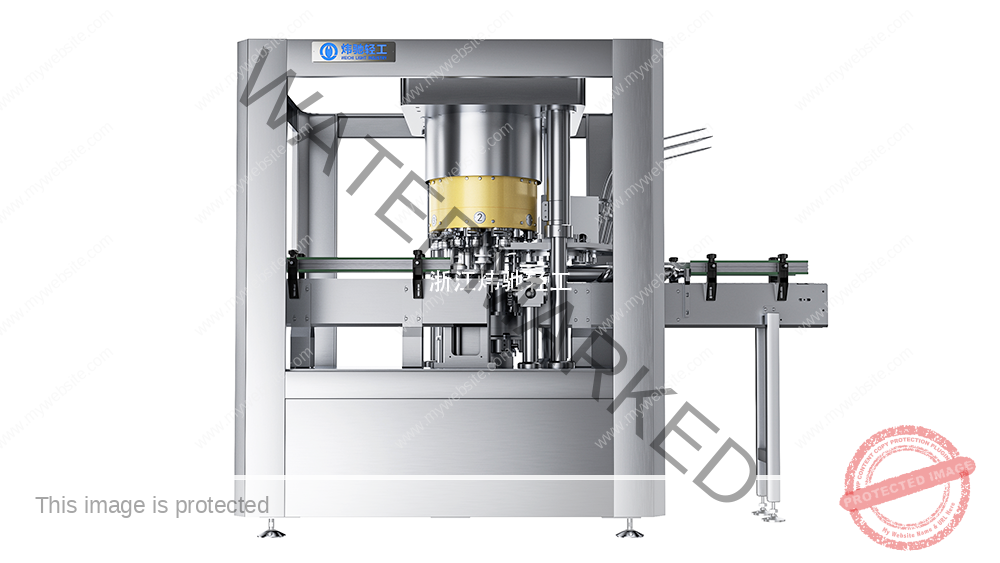
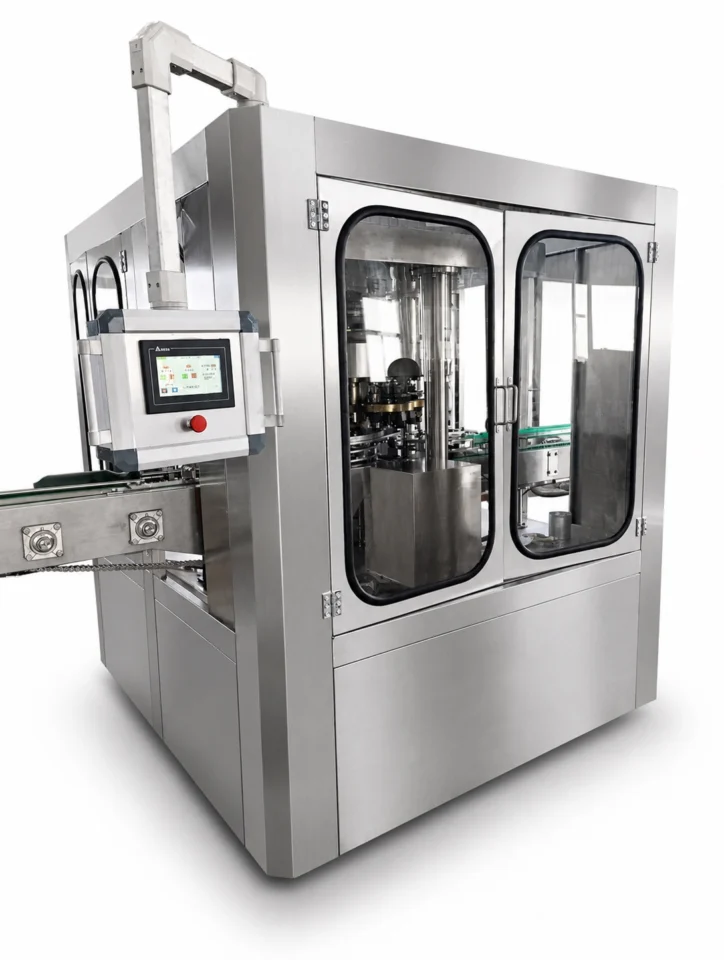
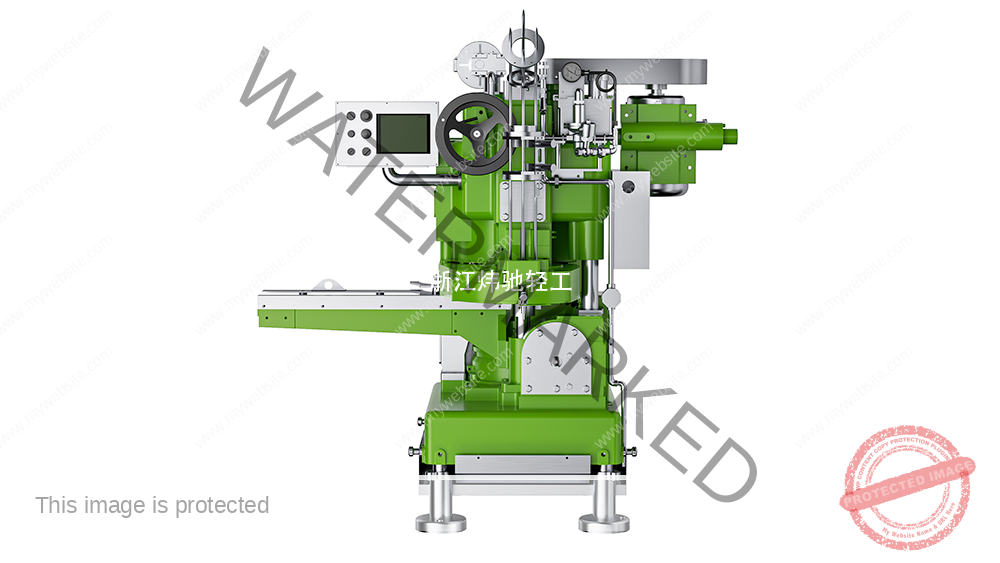
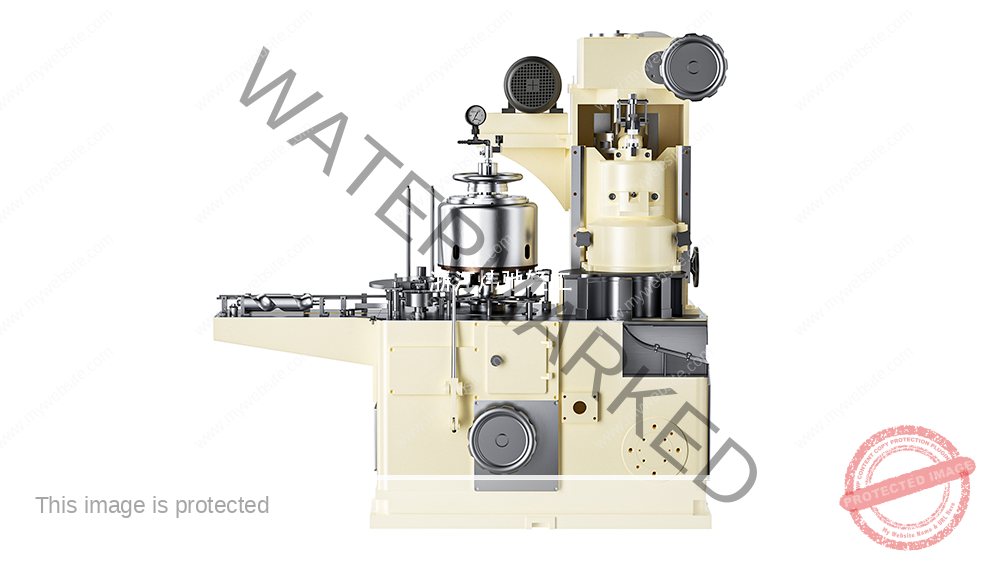
Review the Weichi automatic can seamer and send the project requirements. Include the can and end drawings, product, required sustained output, end replenishment procedure and line interfaces so the equipment configuration and endurance test can be discussed together.
Technical Basis and Project Evidence
Final equipment selection and acceptance must use the project product, can and end drawings, utility conditions, line interfaces, agreed test duration, and documented FAT/SAT criteria. Can and end supplier specifications remain authoritative for double-seam limits.
- U.S. FDA: Low-Acid Canned Food Manufacturers, Part 3 — Containers and Closures
- SAMR record: GB/T 30639-2014 — Sauce filling and seaming equipment
- SAMR record: GB/T 40360-2021 — Still-beverage can filling and seaming equipment
Review equipment families See project references Submit application data