
Key Takeaways
- Define can headspace before seaming as a measured packaging requirement: specify the can and end, the reference surface, the product condition and the point in the filling sequence. Then ver…
- This guide explains how to prepare that requirement and a reproducible filling trial. It provides no product-specific headspace limit and reports no Weichi customer test results.
- A height reading needs a reference plane. Measuring from an open can flange to the liquid surface is different from describing the clearance below the inside of the installed end. The end pr…

Define can headspace before seaming as a measured packaging requirement: specify the can and end, the reference surface, the product condition and the point in the filling sequence. Then verify it alongside net fill quantity and closing quality. A universal millimetre setting cannot replace the approved product and packaging specification.
This guide explains how to prepare that requirement and a reproducible filling trial. It provides no product-specific headspace limit and reports no Weichi customer test results.
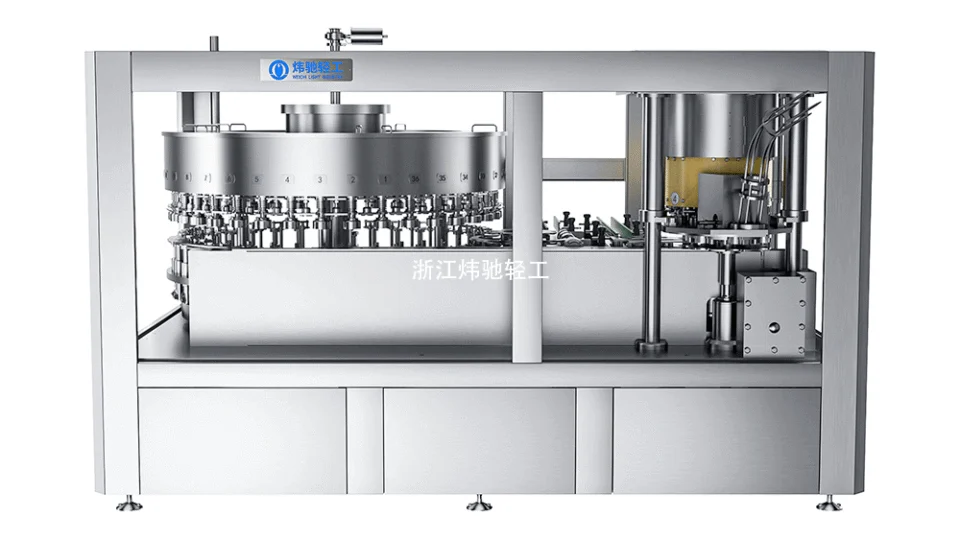
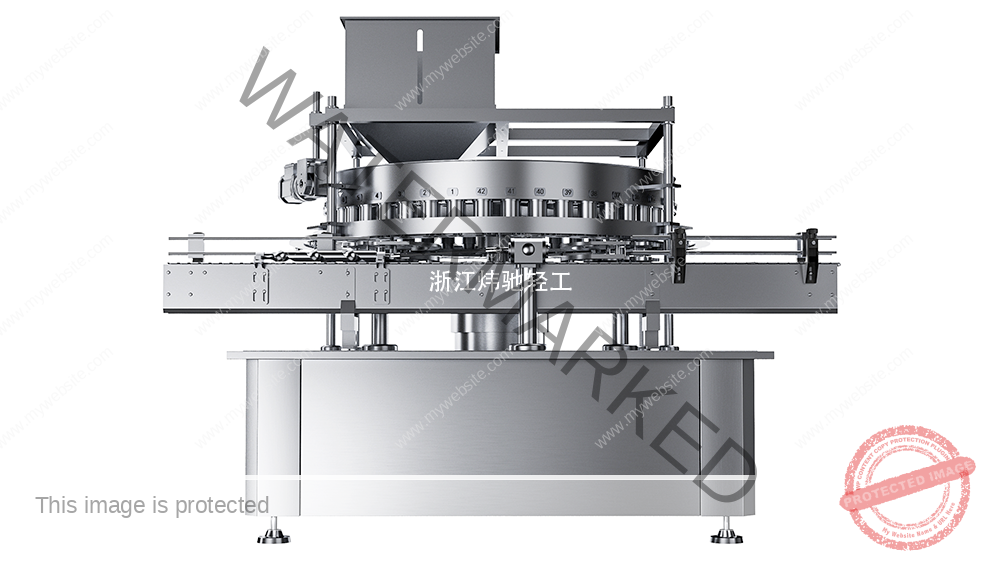
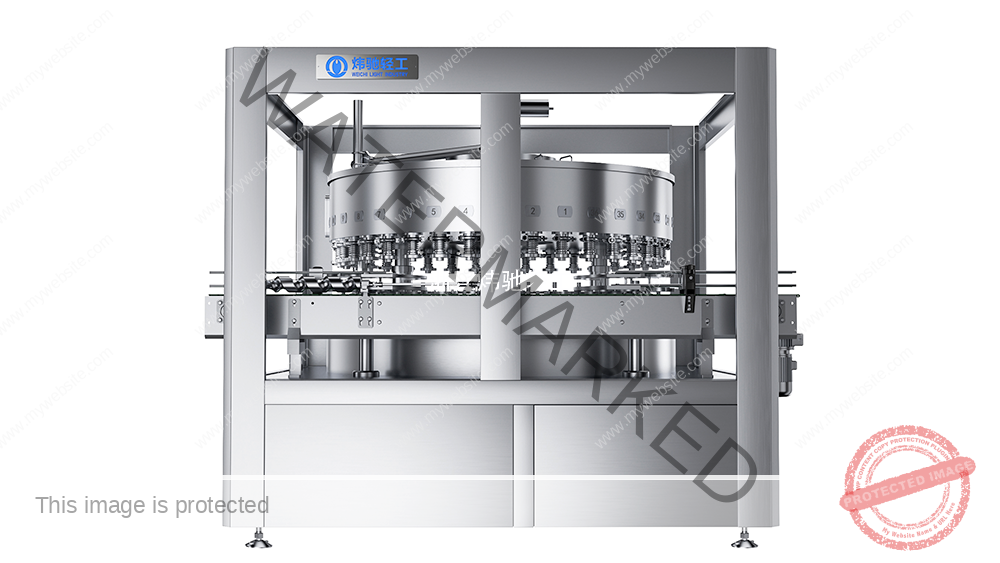
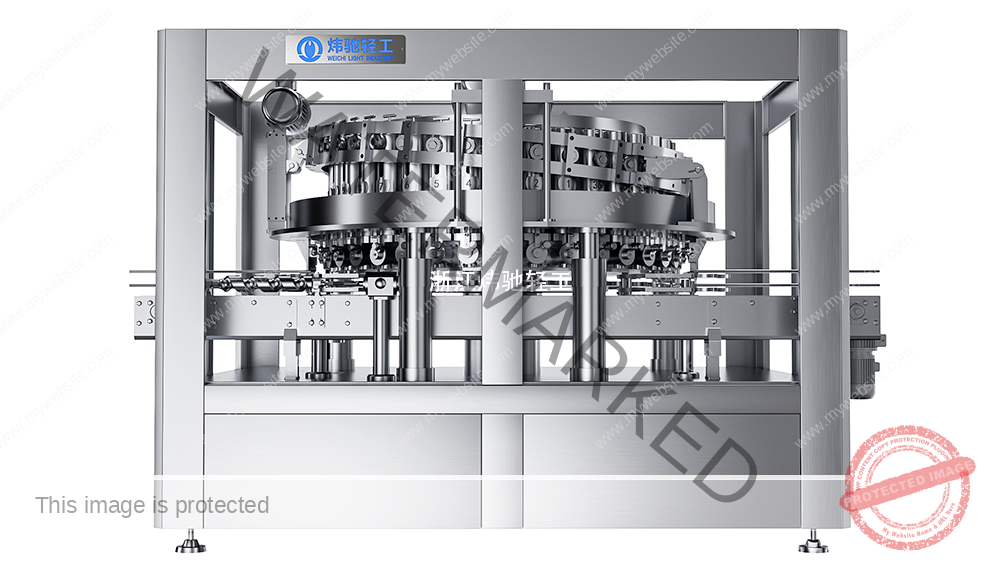
Cover image: AI-generated industrial concept, not a customer photograph or a measurement record.
1. State what “headspace” means in the specification
A height reading needs a reference plane. Measuring from an open can flange to the liquid surface is different from describing the clearance below the inside of the installed end. The end profile therefore belongs in the packaging definition. The FDA's low-acid canned-food inspection guide distinguishes gross and net headspace. Its discussion concerns that processing context; it is not a universal beverage-filling recipe.
Write the measurement stage explicitly: for example, an open can sampled after filling at an agreed point before lid application. If a separate closed-package assessment is needed, define its method independently. An open-can reading alone does not establish the final gas volume or pressure after closing and subsequent processing.
- Height: a distance measured from a named reference surface under specified conditions.
- Headspace volume: the unoccupied internal volume for the defined package and product state. It cannot be inferred reliably from height alone without the relevant internal geometry or a validated volume method.
- Net fill quantity: the actual product mass or a validated volume result. It needs its own measurement; the nominal size printed on a can is not that result.

2. Agree the target before adjusting the filler
Start with the approved product packaging specification, the actual can and end drawings, and the intended filling and preservation process. Review how can capacity tolerances and end geometry affect the usable package. Identify who approves the target, its permitted range and the method used to judge a result.
Where a thermal process applies, changes to fill quantity or headspace must be reviewed by the responsible process authority against the established process. Do not alter a preservation process on the strength of a general article. For carbonated products, include the approved temperature and carbonation conditions in the trial plan; a visually acceptable space does not prove the required CO₂ or pressure performance.
If the target is missing, the useful next step is an application review with the packaging supplier, product/process owner and equipment supplier. Copying a number from a different product or can format creates an unverified setting.
3. Make repeated measurements comparable
Use a documented measurement procedure and a suitable, checked instrument. Record the can format and lot, end code, product batch, actual temperature, filling position, line speed and sampling time. Define where the sample is collected and the elapsed time before reading it. Obtain samples only by the machine's approved safe sampling procedure.
Specify whether the result is taken at filling temperature or after a defined conditioning step. Hot, cold and differently conditioned samples are not automatically comparable. With foaming products, define how to identify the liquid surface and how foam is handled; do not silently substitute the top of the foam for the liquid level. Any settling period must be part of the approved method.
For net mass, subtract an appropriate measured empty-package tare and document which components are included. If mass is converted to volume, use a justified density for the product at the stated condition. For products containing solids, distinguish total fill quantity from the separately specified liquid or drained-weight requirements where applicable.
4. Keep individual results through relevant line states
Agree the sample plan, acceptance range and trial duration before testing. Include the operating states relevant to the application: startup, steady running, and a permitted stop/restart where it affects performance. Identify filling positions so that a repeating position-specific difference is visible.
Keep each can's net quantity and headspace result together with its measurement conditions. Review individual values and their spread, not just the average. Record overflow, rim contamination, transfer disturbance and rejects in the same run. A trial is evidence for the tested combination and conditions; a change of product, can, end or operating window requires a review.
- Quantity varies and headspace varies: review tare, product condition, sample timing and the position-by-position filling record before changing settings.
- Quantity is comparable but height differs: first check reference plane, can geometry, foam and temperature. Equal mass does not always mean equal occupied volume.
- The open-can result is acceptable but product spills before closing: inspect the approved transfer and lid-application sequence, rather than redefining the filling target to hide the disturbance.
These observations direct the next check. They do not identify a root cause by themselves.
5. Accept filling and closing together
A satisfactory headspace reading does not prove an acceptable double seam. Confirm the can/end match and complete the specified seam inspection on the closed package. Keep fill quantity, headspace and closure results as separate acceptance items so that one passing result cannot conceal another failure.
Likewise, headspace height alone cannot demonstrate dissolved oxygen, shelf life or microbiological safety. Those outcomes require their own approved process and measurement evidence. For a foaming carbonated product, use the separate CO₂ and foam troubleshooting framework alongside the headspace record.
6. Give the equipment supplier a testable requirement
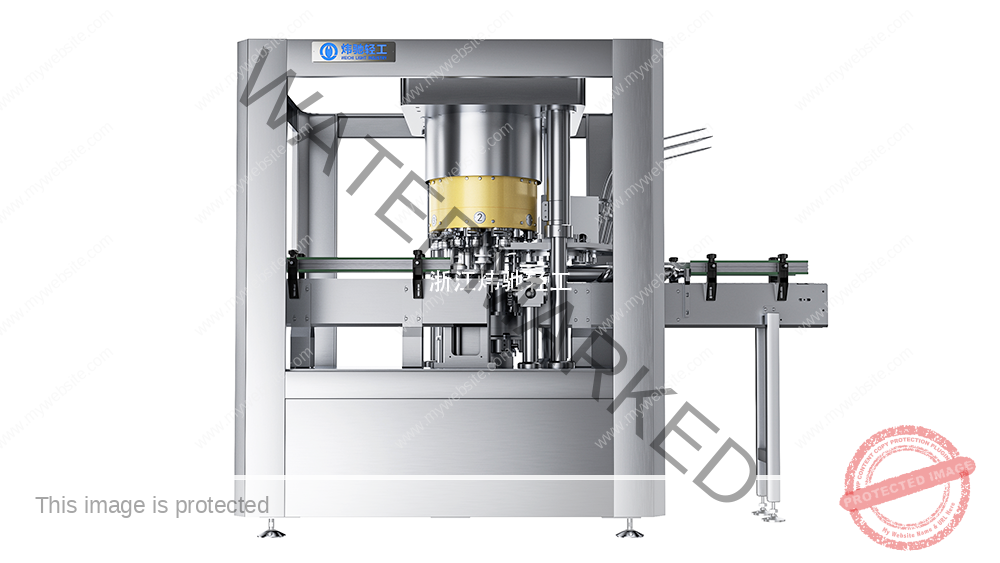
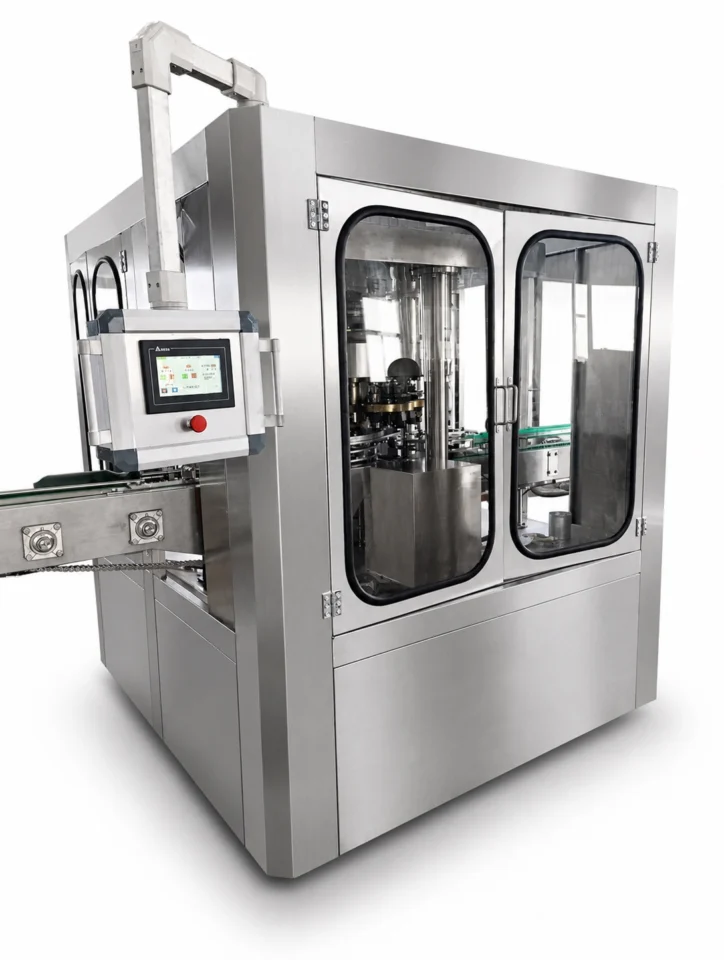
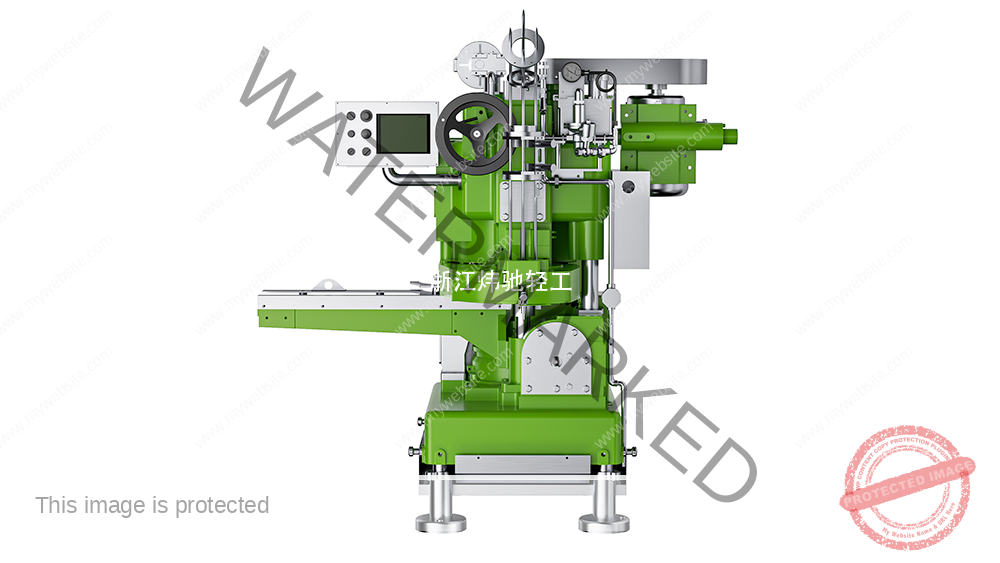
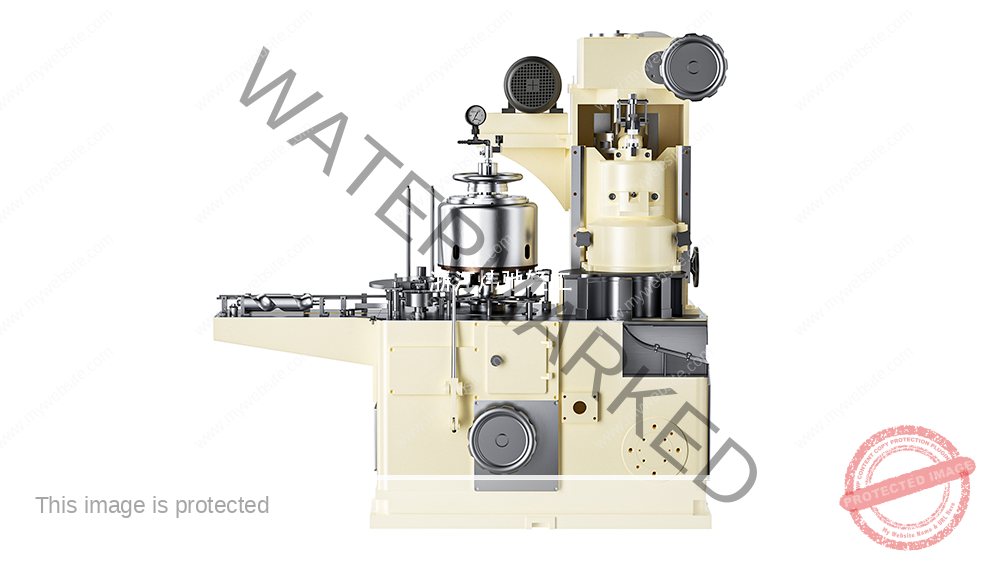
Weichi's can filling and seaming equipment portfolio separates filling machines, integrated filler-seamer systems and standalone seamers. Select the equipment family from the product and process, then agree the actual configuration. A standalone seamer does not set the upstream fill quantity.
For an application review or quotation enquiry, provide the product, can/end specification, target net quantity, proposed headspace definition and range, measurement conditions, required output and available trial material. Include the relevant preservation-process constraints and the approval contact's role. This makes the requirement testable without treating an unverified number as a machine guarantee.
Frequently asked questions
How many millimetres of headspace should every can have?
There is no universal value in this guide. The product, package, filling conditions and approved process determine the target and its measurement method.
Can fill weight replace the headspace check?
No. Keep both where the specification requires them. Tare, density, package geometry and measurement conditions affect how the results relate.
Does a correct headspace reading approve the seam?
No. Can/end compatibility and the prescribed seam checks remain independent requirements.
Technical Basis and Project Evidence
Final equipment selection and acceptance must use the project product, can and end drawings, utility conditions, line interfaces, agreed test duration, and documented FAT/SAT criteria. Can and end supplier specifications remain authoritative for double-seam limits.
- U.S. FDA: Low-Acid Canned Food Manufacturers, Part 3 — Containers and Closures
- SAMR record: GB/T 30639-2014 — Sauce filling and seaming equipment
- SAMR record: GB/T 40360-2021 — Still-beverage can filling and seaming equipment
Review equipment families See project references Submit application data