
Key Takeaways
- A juice can filling machine cannot be selected from the beverage name or headline speed alone. A workable hot-fill project begins with the actual juice specification: equilibrium pH, soluble…
- For a compatible still juice, the filling and seaming machine may be only one part of the hot-fill line. Upstream product preparation, thermal treatment and deaeration affect the condition o…
- Two products sold as juice can behave very differently in a filler. A clear apple drink may flow readily and contain little suspended material. A mango beverage may have higher viscosity. An…
A juice can filling machine cannot be selected from the beverage name or headline speed alone. A workable hot-fill project begins with the actual juice specification: equilibrium pH, soluble solids, viscosity at filling temperature, pulp or particle content, foaming tendency, dissolved oxygen, heat sensitivity and target shelf life. The can body, internal coating, end, fill volume and thermal process must then be reviewed as one package system.
For a compatible still juice, the filling and seaming machine may be only one part of the hot-fill line. Upstream product preparation, thermal treatment and deaeration affect the condition of the juice delivered to the filler. Downstream cooling, drying, inspection and accumulation affect package integrity and usable output. If the product contains pulp or fruit pieces, the valve, product path, agitation and residence time must be evaluated with representative material rather than assumed from a clear-juice trial.
Why “Juice” Is Not a Complete Equipment Specification
Two products sold as juice can behave very differently in a filler. A clear apple drink may flow readily and contain little suspended material. A mango beverage may have higher viscosity. An orange drink may contain pulp that floats, settles or traps air. A juice-and-dairy blend may have a different acidity and thermal sensitivity from a high-acid fruit drink.
Before equipment selection, define at least:
- Finished equilibrium pH and the approved preservation route.
- Brix, density and viscosity across the expected temperature range.
- Pulp type, particle dimensions, concentration and tendency to settle or float.
- Product temperature at the filler inlet and the acceptable temperature window.
- Dissolved and entrained air, foaming tendency and oxidation sensitivity.
- Target fill volume, headspace and allowable fill variation.
- Can body material, internal coating, end specification and approved seam limits.
- Target shelf life, storage temperature and distribution conditions.
- Required net output, SKU mix, changeover frequency and cleaning schedule.
For products intended for the United States, the regulatory category also matters. The U.S. Food and Drug Administration defines low-acid canned food using a finished equilibrium pH above 4.6 and water activity above 0.85, with stated exclusions, and defines acidified food separately. The applicable scheduled process must be established for the actual product, product style, container and processing method. These definitions are not a machine setting and should not be used as a substitute for a qualified process authority.
What a Hot-Fill Juice Can Line Must Control
Hot filling is a coordinated process, not simply a higher temperature entered on a filler HMI. The approved thermal treatment must deliver the required product condition to the filler. The filler and transfer path must keep the product within the validated operating window. The end must be applied and the double seam formed without product contamination on the flange or excessive delay. The closed can must then move through the specified hold, cooling and inspection steps.
The exact time-temperature program cannot be copied from another juice. Formula, acidity, pulp, package size, heat-transfer behavior and target shelf life can all change the scheduled process. Published processing references may show example programs, but the project must use the conditions approved for its own product and package.
1. Product preparation and thermal treatment
Blending, filtration or finishing, pulp addition, homogenization and deaeration determine what reaches the filler. A stable filler cannot compensate for a product that arrives with uncontrolled viscosity, temperature, air content or solids distribution.
The heating system also has to match the product. Clear, low-viscosity liquids may suit one heat-exchanger arrangement, while products with fibres, pulp or greater viscosity may require a different product path. The goal is not only to reach the required thermal condition but to do so without unnecessary quality loss, fouling or particle damage.
2. Controlled transfer to the filler
Long transfers, poorly managed buffer tanks and extended recirculation can change the condition of hot juice before filling. The line design should define the temperature measurement point, allowable residence time, recirculation logic and response to a downstream stop. A short filler interruption must not silently turn into an uncontrolled thermal hold.
3. Filling, end placement and seaming
The machine must fill the approved volume without excessive foam, splashing or pulp damage. The can flange and end curl must remain clean enough for reliable closure formation. Filling, end placement and seaming should be balanced so open hot product is not held longer than the approved operating logic allows.
The double seam is a package-integrity control, but seam quality does not establish the microbiological process by itself. The plant must use the seam specification and inspection method approved for the actual can-and-end combination.
4. Post-fill handling and cooling
Cooling conditions affect container pressure, vacuum development, coating exposure, product quality and line stability. Conveyor transfers should prevent impacts or jams while the package is still hot. Water quality, cooling profile, can drying and downstream inspection belong in the line review rather than being treated as unrelated utilities.
Product Handling: Pulp, Viscosity, Oxygen and Foam
Pulp and fruit pieces
Particle size alone does not determine whether a juice is easy to fill. The concentration, shape, softness, density difference and carrier-liquid viscosity affect suspension and dosing. Pulp can settle in a tank, float at the surface, bridge a narrow passage or distribute unevenly among cans.
The equipment review should therefore cover:
- Minimum product passage through tanks, piping and filling valves.
- Agitation or recirculation needed to keep solids distributed.
- Shear limits for fragile pulp or fruit pieces.
- Representative sampling method for liquid-to-pulp distribution.
- Drainability and cleanability after products containing solids.
A successful water test or clear-juice test does not validate a pulp product. Representative product is required for application trials and acceptance.
Viscosity and temperature
Viscosity often changes with temperature. A product that flows readily at the hot-fill setpoint may behave differently during start-up, recirculation, slowdown or cooling. Valve choice, filling time, tank level control and line speed should be checked across the permitted operating window, not only at one ideal condition.
Oxygen and foam
Air in juice can contribute to oxidation, colour change, vitamin loss and filling foam. Tetra Pak's public orange-juice processing reference also notes that foam can reduce filling efficiency and contribute to product loss or incorrect package volume. Deaeration, gentle product transfer and controlled pressure changes should therefore be considered upstream of the filler.
Foam should not be treated only as a nozzle problem. It may begin with blending, pump selection, air leakage, turbulence, temperature or pressure release. The corrective action should follow the source of the air rather than rely on a universal filler adjustment.
Can body, end and internal coating
Juice acidity and the thermal cycle make can compatibility an application decision. The Can Manufacturers Institute explains that linings help prevent interaction between food and metal and that coating choice depends on the container and the product. The project should obtain written compatibility confirmation from the can and coating suppliers for the actual formula, fill temperature, thermal process and shelf-life target.
An apparently similar can from another product is not automatic evidence of compatibility. Confirm the can body, internal coating, end compound, dimensions and approved double-seam specification as a complete package.
Selecting the Filler-Seamer and Line Interfaces
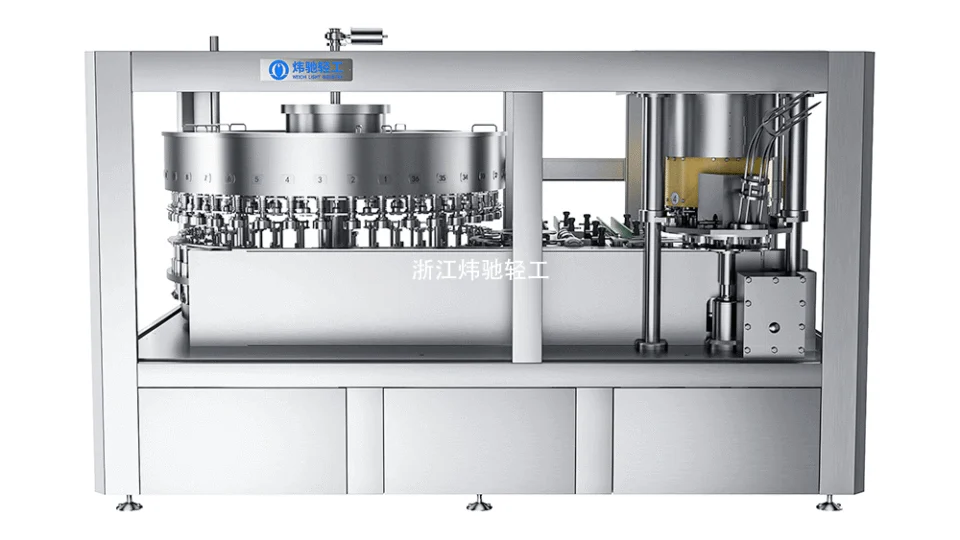
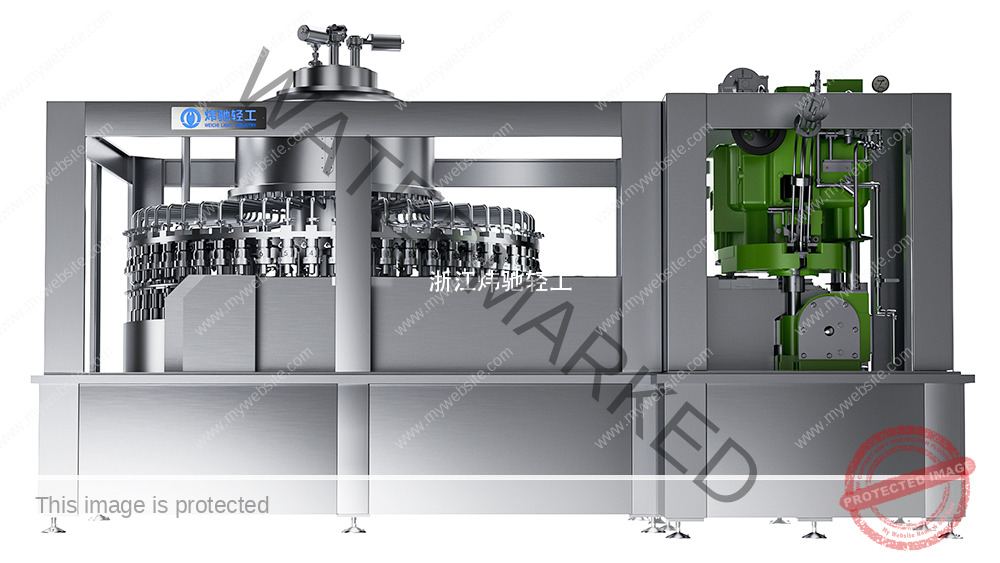
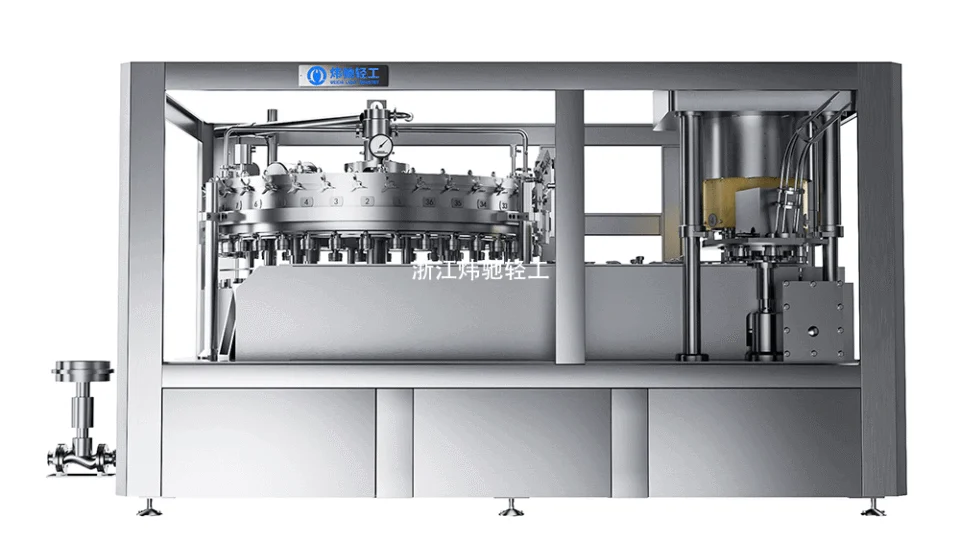
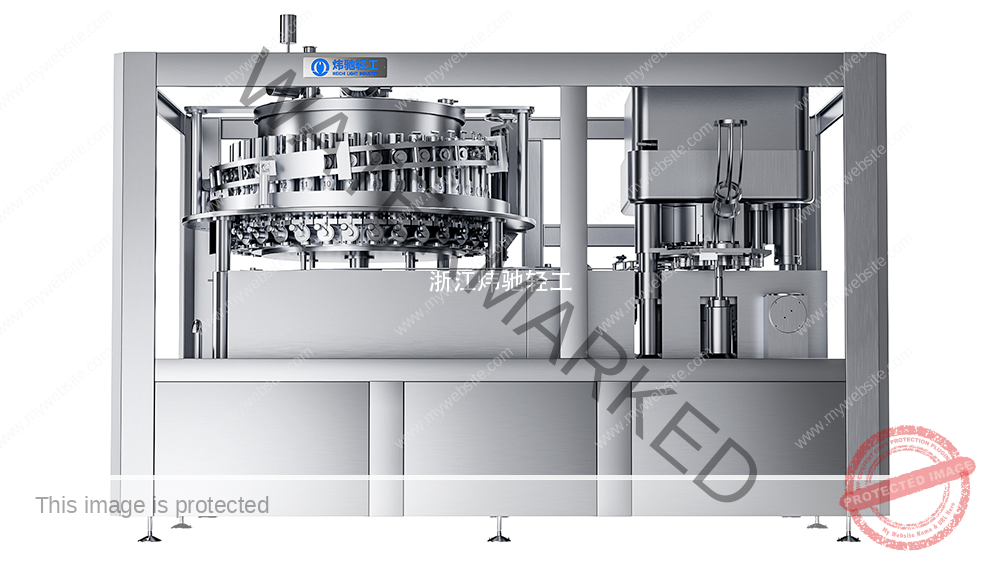
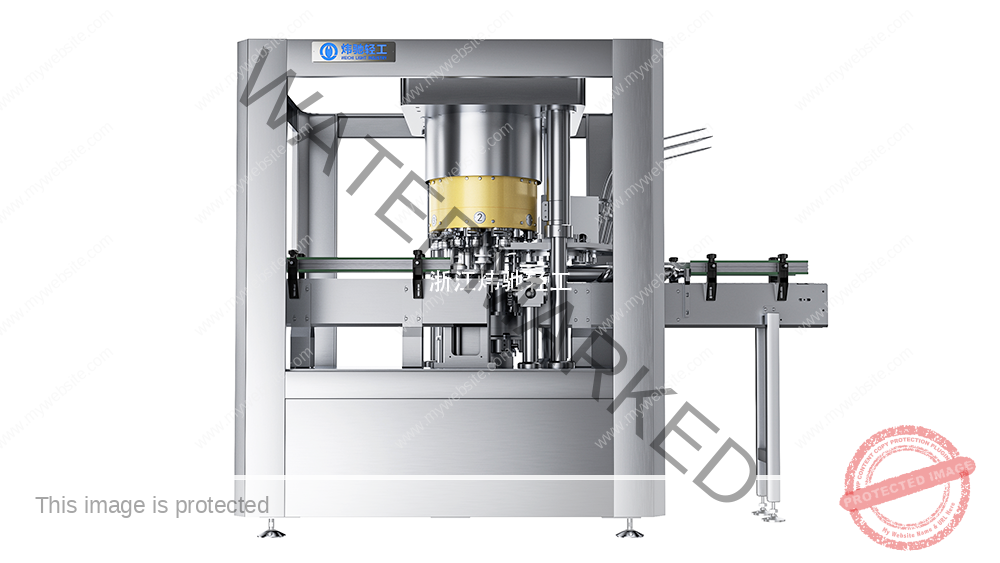
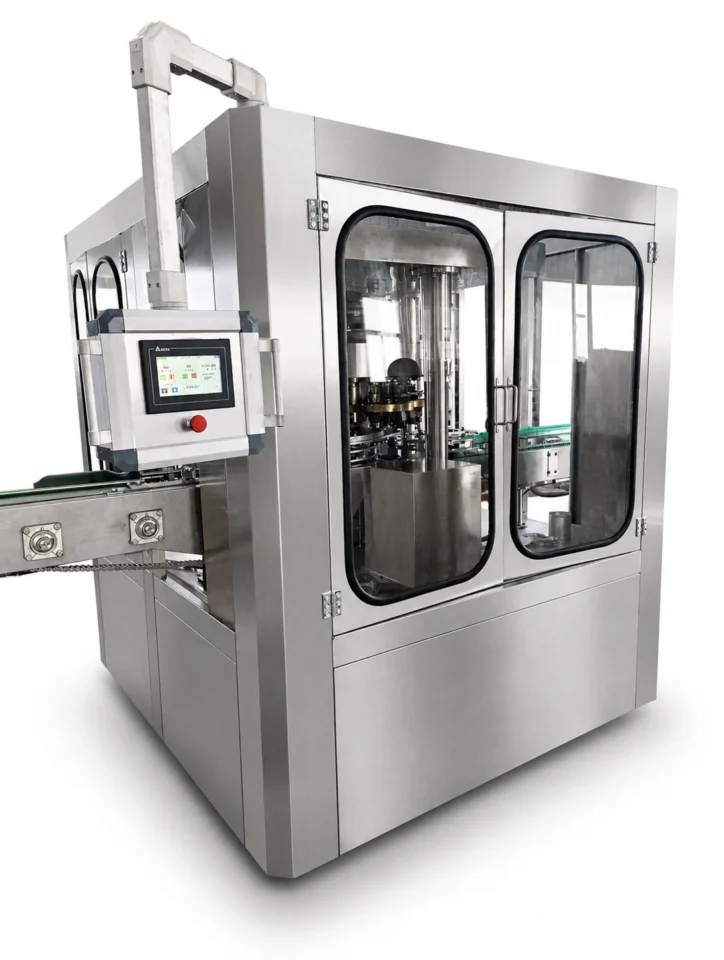
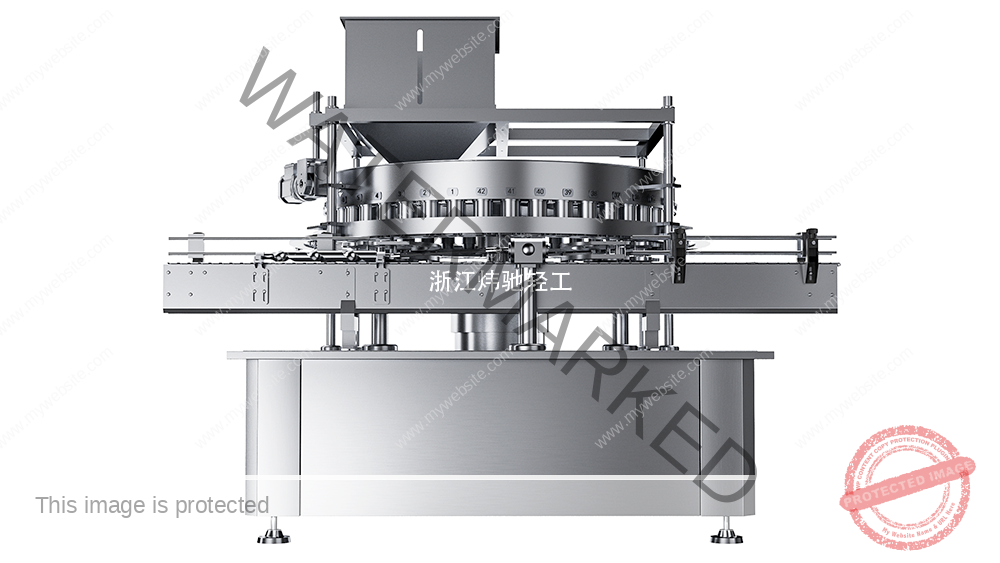
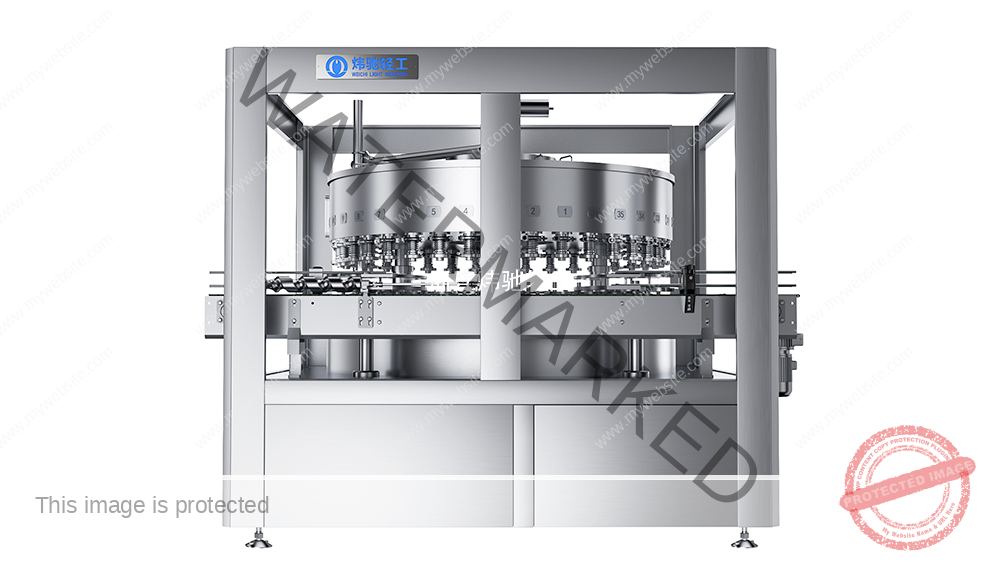
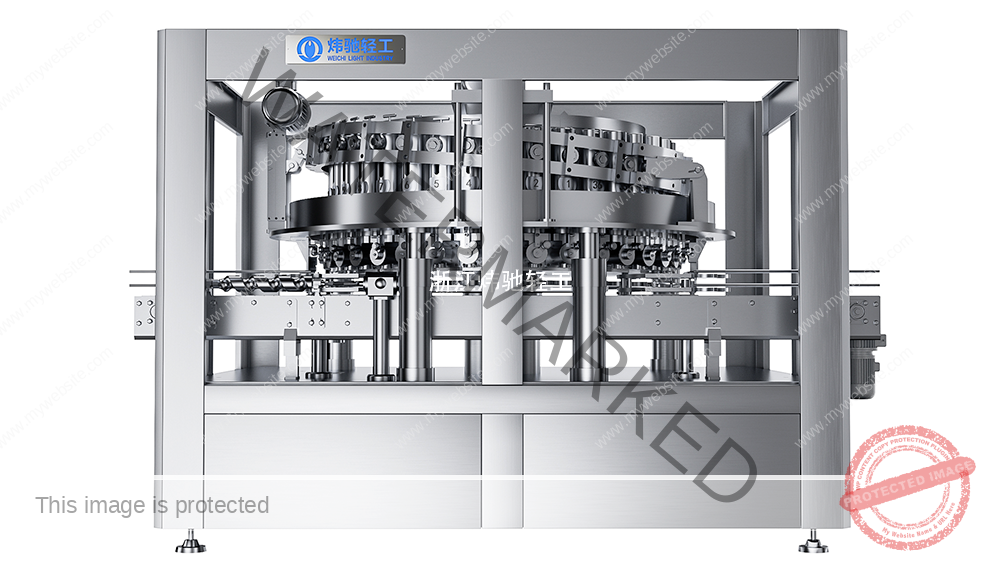
Zhejiang Weichi's published still-beverage filler-seamer range integrates filling, end placement and seaming for compatible non-carbonated liquids in metal cans. The public product page lists model-dependent output from 150 to 800 cans per minute and instructs buyers to confirm product properties, fill volume, can and end specification and required capacity. Those published values are a starting range, not an acceptance promise for every hot juice.
For a hot-fill application, the project specification should additionally confirm:
- Product-contact materials and seals. Confirm compatibility with the product, cleaning chemistry and approved temperature range.
- Valve and product-path geometry. Match the clear-liquid, pulp or particle requirement and the needed cleaning access.
- Tank and level-control design. Keep the filler supplied without uncontrolled residence time, air entrainment or pulp separation.
- Temperature monitoring and deviation logic. Define measurement locations, alarms, diversion or recirculation and restart rules.
- Cleaning scope. For projects configured with automatic filler-valve CIP, identify which product circuits and valve passages are included, which parts still require manual cleaning and how cleaning effectiveness will be verified.
- Can and end handling. Confirm format range, change parts, end feed, flange protection and hot-package transfer.
- Seaming and inspection. Use the package supplier's approved seam specification, sampling frequency and measurement method.
- Upstream and downstream interfaces. Define signals, speeds, accumulation, utilities, thermal-processing equipment, cooling, drying and inspection.
Automatic CIP Cleaning Device for Filling Valves
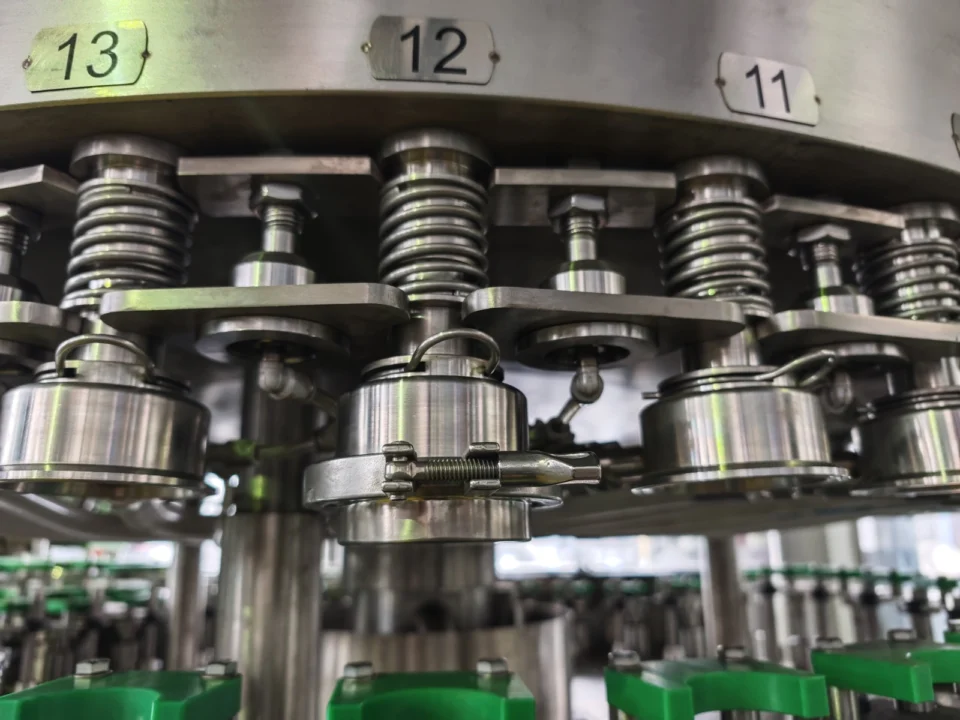
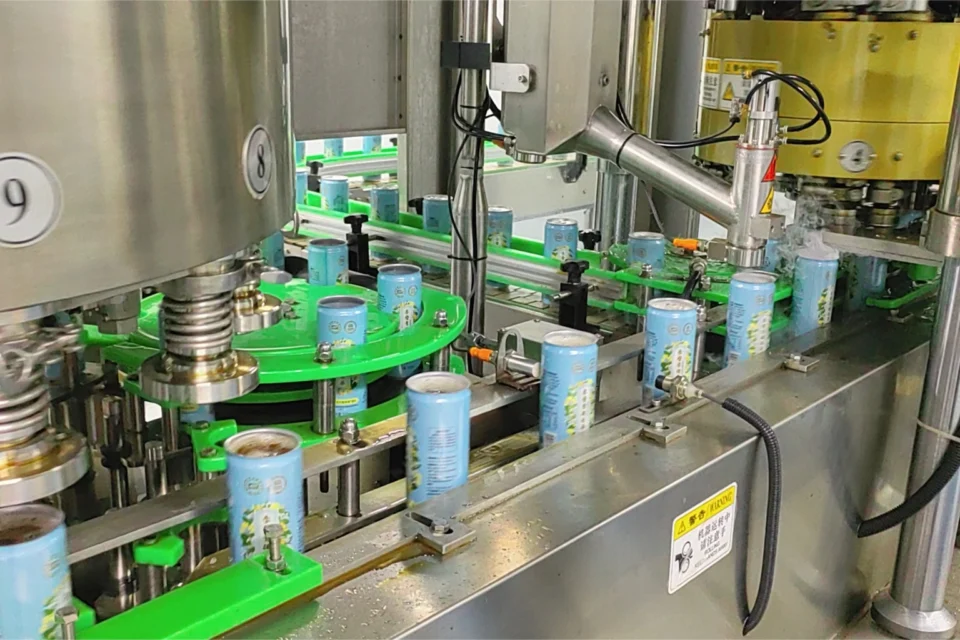
The photo shows multiple cleaning cups aligned with the filling valves. In CIP mode, each cup is positioned and sealed beneath its valve so that cleaning liquid discharged through the valve can be collected instead of released into the open machine area. The cups and return connection thereby help form a closed circulation path through the configured product tank or bowl, product piping, valve passages and return line.
This arrangement can reduce repeated manual removal of filling valves and make the cleaning sequence more repeatable. It should not be described as automatic cleaning of every product-contact surface. The project specification must state the exact CIP coverage, the components that still require manual opening or cleaning, and responsibility for connecting and verifying the complete return circuit.
A documented CIP recipe should define the sequence, approved cleaning chemistry, concentration, temperature, flow conditions, circulation time, final rinse or end point, and required records as applicable. Site verification may include temperature, conductivity or concentration, return condition, visual inspection and additional testing required by the plant's hygiene program. CIP supports cleanable, hygienic operation; it does not validate the hot-fill thermal process or make the system aseptic.
Capacity: Use Net Line Output, Not Only Nameplate Speed
The filler-seamer's rated speed is only one input to line sizing. Net output can be limited by product heating capacity, pulp distribution, open-can control, seamer speed, cooling residence time, inspection, packing or frequent SKU changeovers.
A useful capacity calculation should include:
- Required saleable cans per hour and planned operating shifts.
- Product changeovers and cleaning time.
- Can and end replenishment and format-change time.
- Expected short stops and the permitted hot-product response.
- Upstream thermal-treatment capacity and downstream cooling capacity.
- Sampling, inspection and hold requirements.
Do not apply an assumed OEE percentage to hide unknowns. Build the line balance from known cycle times, agreed buffers and the planned operating sequence, then confirm it in the acceptance protocol.
FAT and SAT: What to Verify with the Actual Juice
Factory and site acceptance should use representative product, cans and ends whenever practical. Water-only testing can verify basic motion and utilities, but it cannot prove hot-fill temperature control, foam behavior, pulp distribution, coating compatibility or product-specific cleaning.
The agreed protocol may include:
- Product and package identification, including controlled samples and lots.
- Stable inlet temperature and fill-volume results across the agreed test period.
- Pulp or particle distribution where applicable.
- Foam, splash, product loss and flange cleanliness observations.
- Output at the agreed product, can, end and operating conditions.
- Head-by-head double-seam inspection using the approved package specification.
- Alarm, stop, recirculation, diversion and restart behavior.
- Changeover checks for the contracted formats.
- CIP sequence, coverage and verification responsibilities.
- Downstream cooling, drying, coding and inspection interfaces.
Machine acceptance does not replace validation of the scheduled thermal process or the customer's food-safety program. The process authority, packaging suppliers, equipment suppliers and plant team each have defined responsibilities that should be recorded before production release.
Information to Send Before Requesting a Configuration
To evaluate a juice canning project, provide:
| Item | Minimum information |
|---|---|
| Product | Juice type, formula summary, equilibrium pH, Brix and density |
| Flow behavior | Viscosity and the temperature at which it was measured |
| Solids | Pulp/particle type, dimensions, concentration and fragility |
| Thermal process | Approved hot-fill inlet range, hold/cooling concept and process-authority boundary |
| Package | Can material, dimensions, fill volume, internal coating and end specification |
| Closure | Approved double-seam specification and inspection method |
| Capacity | Required net cans/hour, shifts, SKUs and future expansion |
| Cleaning | CIP chemistry, temperatures, cycle expectations and manual-cleaning limits |
| Utilities | Power, compressed air, steam/hot water, cooling water and floor drainage |
| Integration | Upstream process equipment, downstream cooling, inspection and packing |
If a value is not yet known, mark it as open rather than replacing it with an assumption. Early product and package trials are often more valuable than choosing a model from a catalog table.
FAQ
Is every canned juice suitable for the same hot-fill machine?
No. Acidity, viscosity, pulp, air content, fill temperature, can coating, end and required thermal process can change the equipment and line configuration.
Can a clear-juice trial validate a product with pulp?
No. Pulp distribution, valve passage, shear, settling, foaming and cleaning must be evaluated with representative product.
Can the highest published machine speed be used as the guaranteed line output?
No. Guaranteed output must be tied to the agreed product, package, operating window, line interfaces and acceptance test. Heating, cooling, cleaning and changeovers may govern net production.
What photos and samples are useful for an initial review?
Provide clear images or drawings of the can and end, the can supplier's specification, representative product samples, pulp or particle information, the upstream process flow and the available line layout. Do not rely only on a finished retail can.
Conclusion
The correct juice can filling machine is the one that works with the approved hot-fill process and the complete package system. Start with the product's acidity, flow behavior, pulp, oxygen sensitivity and thermal window. Then confirm the can coating, end, double seam, filling path, cleaning method, cooling and line balance. Finally, test the agreed configuration with representative product and package components.
Zhejiang Weichi can review compatible hot-fill juice canning projects against the actual product, can, end, capacity and line interfaces. Submit the technical brief above before selecting a model or setting an acceptance speed.
Technical References
Technical Basis and Project Evidence
Final equipment selection and acceptance must use the project product, can and end drawings, utility conditions, line interfaces, agreed test duration, and documented FAT/SAT criteria. Can and end supplier specifications remain authoritative for double-seam limits.
- U.S. FDA: Low-Acid Canned Food Manufacturers, Part 3 — Containers and Closures
- SAMR record: GB/T 30639-2014 — Sauce filling and seaming equipment
- SAMR record: GB/T 40360-2021 — Still-beverage can filling and seaming equipment
Review equipment families See project references Submit application data