
Key Takeaways
- Automatic can filling machine quality is demonstrated by repeatable performance under defined conditions, not by broad claims about accuracy, efficiency, or reliability. Improvement work sho…
- Start with the actual products, cans, ends, operating modes, utilities, hygiene requirements, line interfaces, and production schedule. Convert these inputs into acceptance criteria for fill…
- Identify components that affect fill performance, hygiene, pressure control, container handling, and safety. Maintain approved specifications and traceability for valves, instruments, seals,…
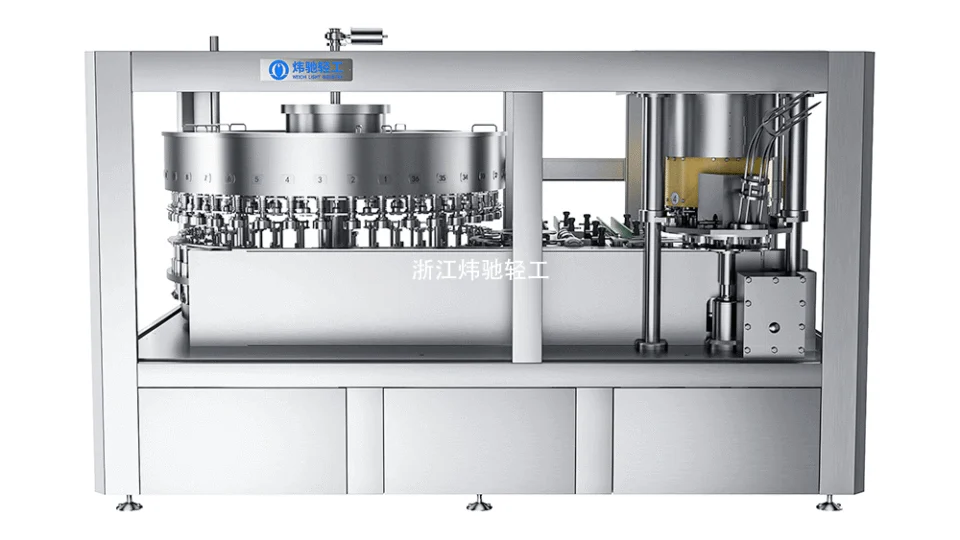
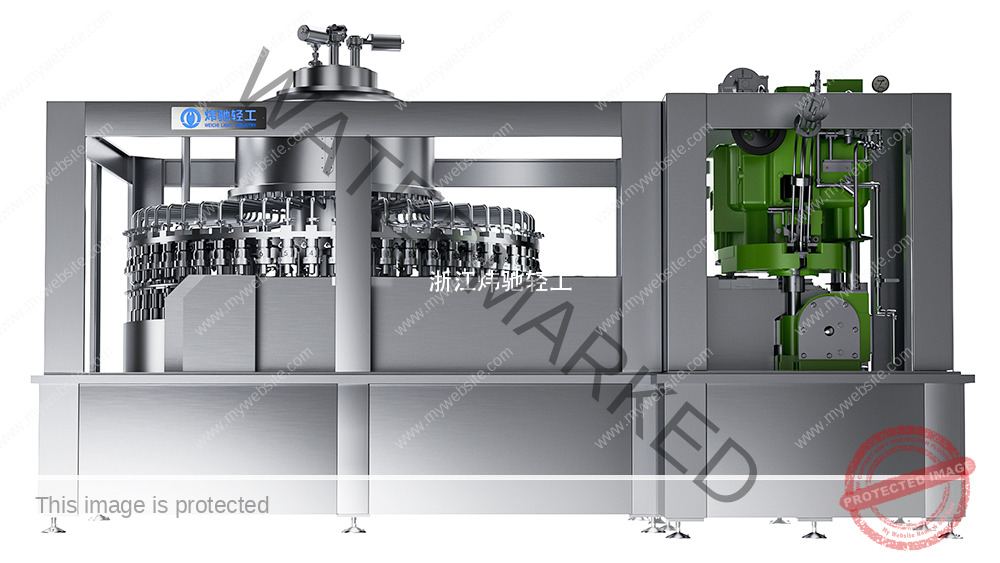
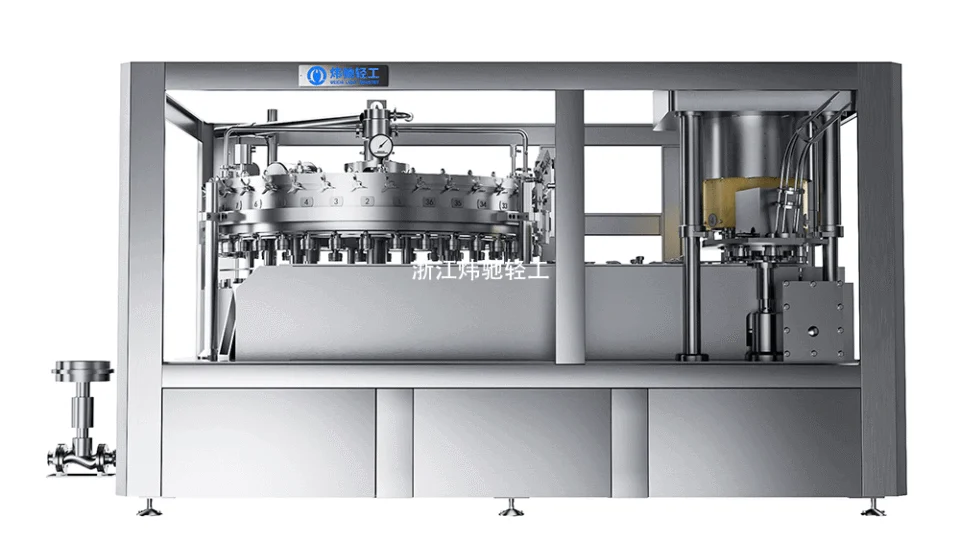
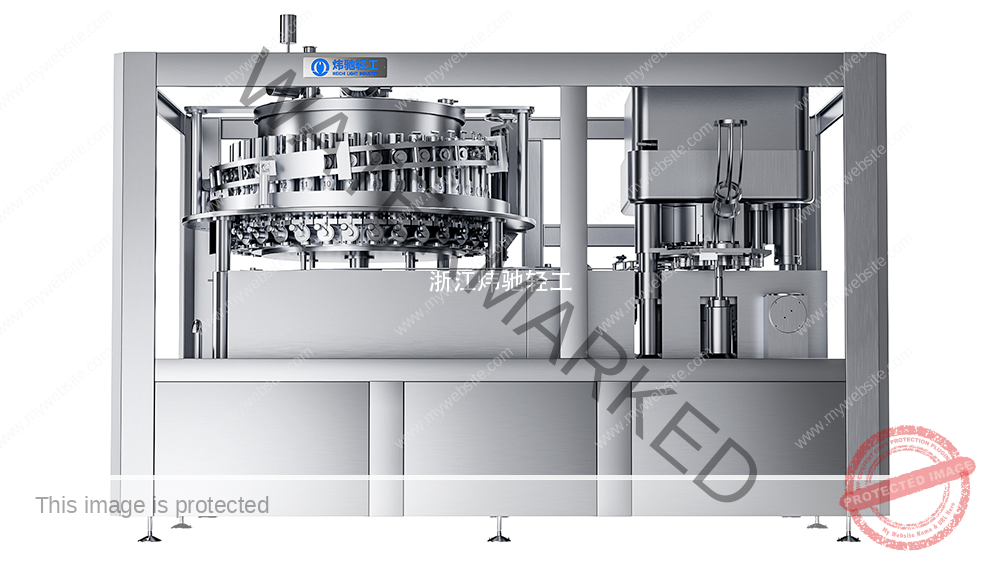
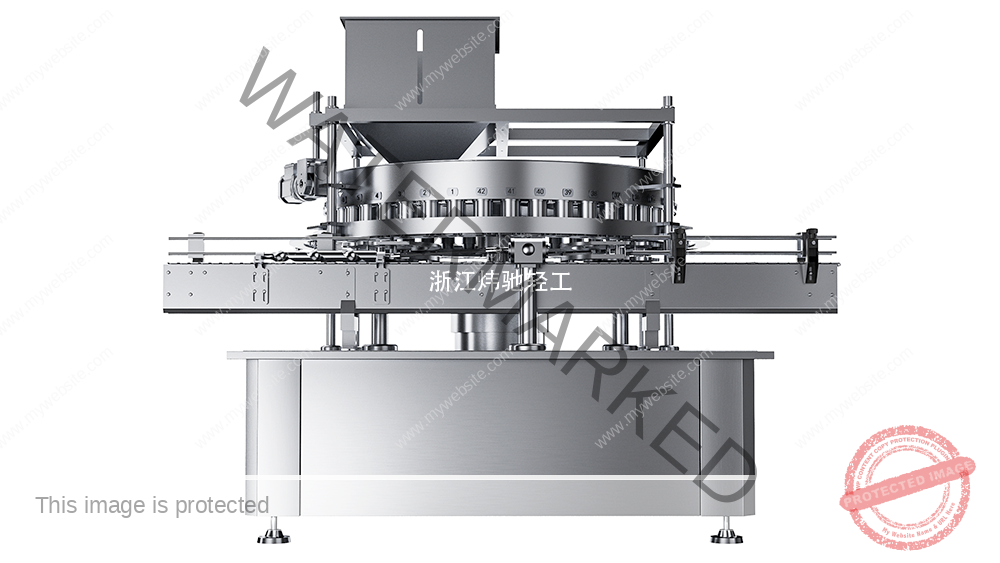
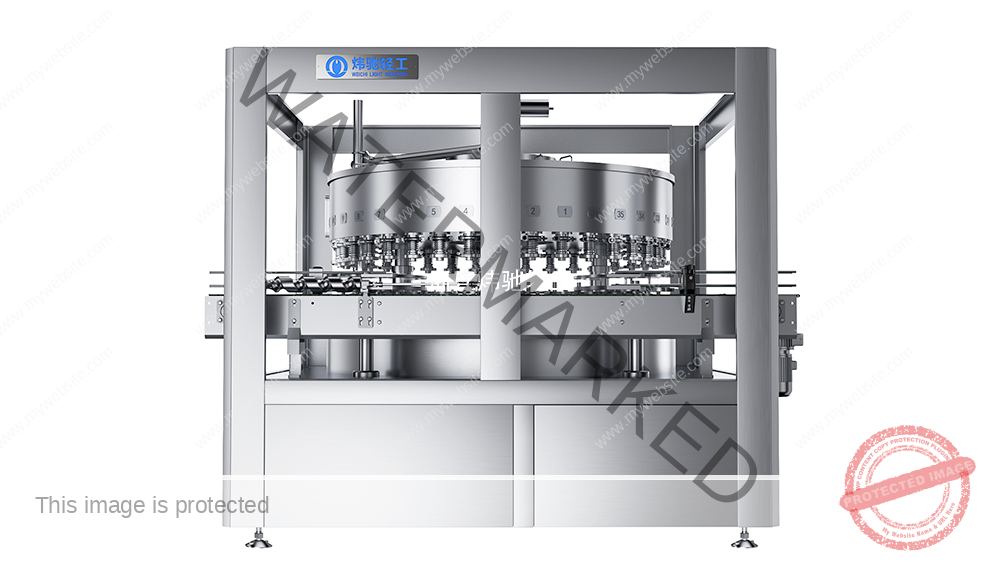
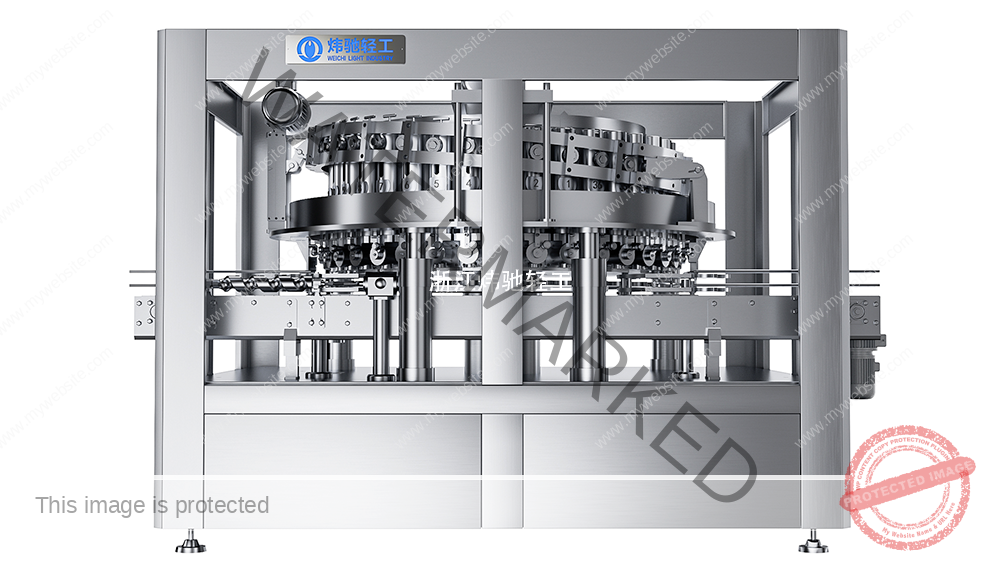
Automatic can filling machine quality is demonstrated by repeatable performance under defined conditions, not by broad claims about accuracy, efficiency, or reliability. Improvement work should connect design controls, component quality, software, testing, documentation, and field feedback.
Define Measurable Requirements
Start with the actual products, cans, ends, operating modes, utilities, hygiene requirements, line interfaces, and production schedule. Convert these inputs into acceptance criteria for filling, container handling, cleaning, alarms, safety functions, changeovers, and maintainability.
Control Critical Components and Changes
Identify components that affect fill performance, hygiene, pressure control, container handling, and safety. Maintain approved specifications and traceability for valves, instruments, seals, product-contact parts, controls, drives, change parts, and inspection devices.
Engineering and software changes should be reviewed, tested, documented, and linked to the affected machine configuration. A change that improves one product or container should not be assumed to improve every application.
Verify Measurement and Control Systems
Sensors, meters, weighing systems, pressure devices, temperature devices, and control logic should be selected for the process and verified using suitable methods. Calibration status, sampling method, product properties, and environmental conditions all influence the result.
Design for Hygiene and Maintenance
Review cleanability, drainage, product retention, seal compatibility, access, lubrication control, and separation between product zones and maintenance materials. Preventive-maintenance tasks should be based on component condition, operating duty, supplier guidance, and trend data rather than unsupported universal intervals.
Use Structured Testing
Factory and site testing should cover normal operation, planned stops, restart, changeover, cleaning, alarm handling, rejection, and relevant fault conditions. Record the machine configuration, software or recipe version, product, package, utilities, speed, test duration, sampling method, measuring equipment, and acceptance limits.
Do not publish improvement percentages, accuracy values, failure-rate reductions, or cost savings unless the baseline, method, conditions, data owner, and source can be checked.
Close the Feedback Loop
Use commissioning records, deviations, maintenance findings, spare-parts history, operator feedback, and quality trends to identify recurring causes. Corrective actions should state the problem, evidence, root cause, change made, verification result, and applicability to other machines.
Safety Statement
Quality improvement must not bypass machinery safety, pressure protection, food-safety controls, electrical protection, guarding, interlocks, or hazardous-energy isolation. Installation, testing, operation, cleaning, and maintenance must be performed by trained personnel under approved procedures and a site-specific risk assessment.
Technical Basis and Project Evidence
Final equipment selection and acceptance must use the project product, can and end drawings, utility conditions, line interfaces, agreed test duration, and documented FAT/SAT criteria. Can and end supplier specifications remain authoritative for double-seam limits.
- U.S. FDA: Low-Acid Canned Food Manufacturers, Part 3 — Containers and Closures
- SAMR record: GB/T 30639-2014 — Sauce filling and seaming equipment
- SAMR record: GB/T 40360-2021 — Still-beverage can filling and seaming equipment
Review equipment families See project references Submit application data