
Key Takeaways
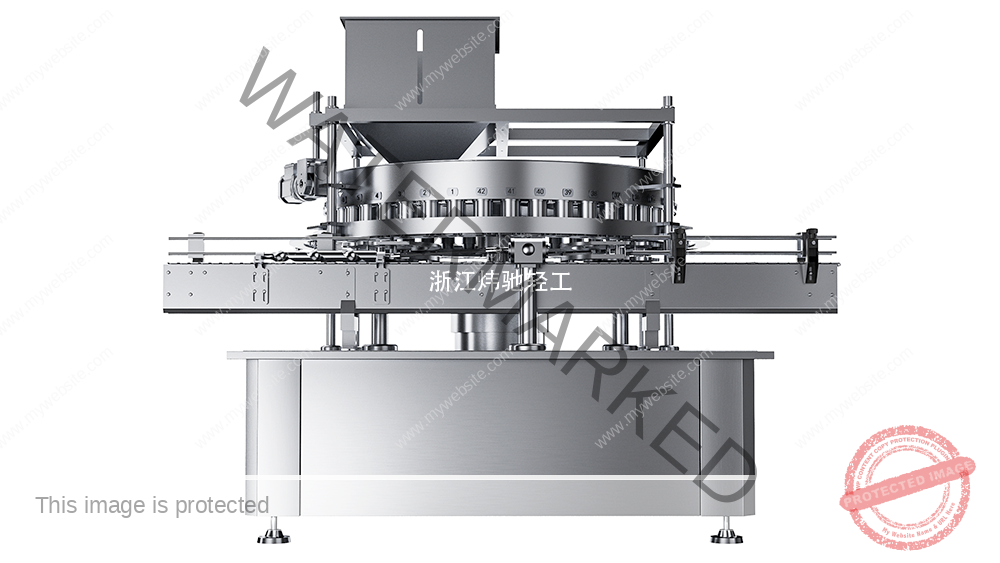
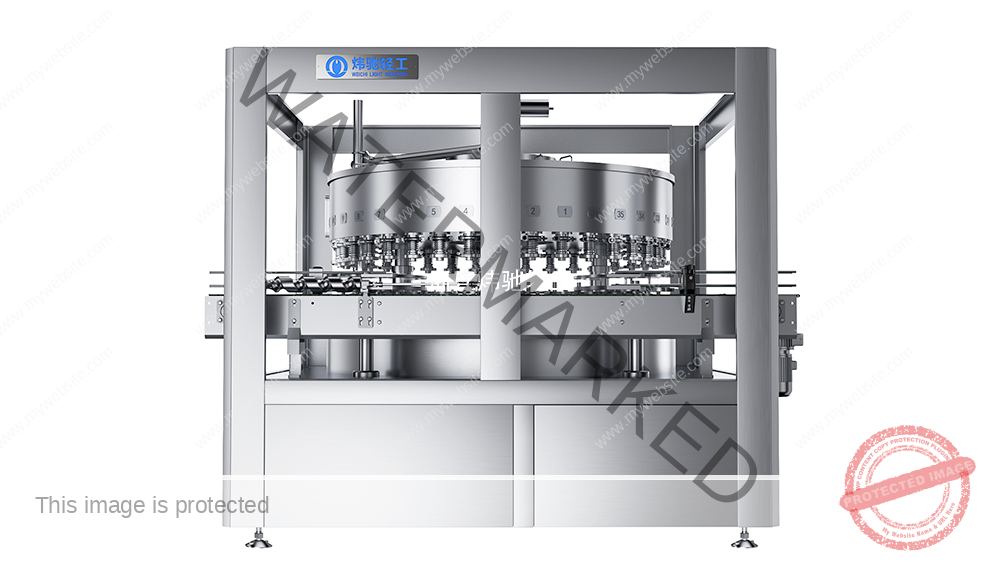
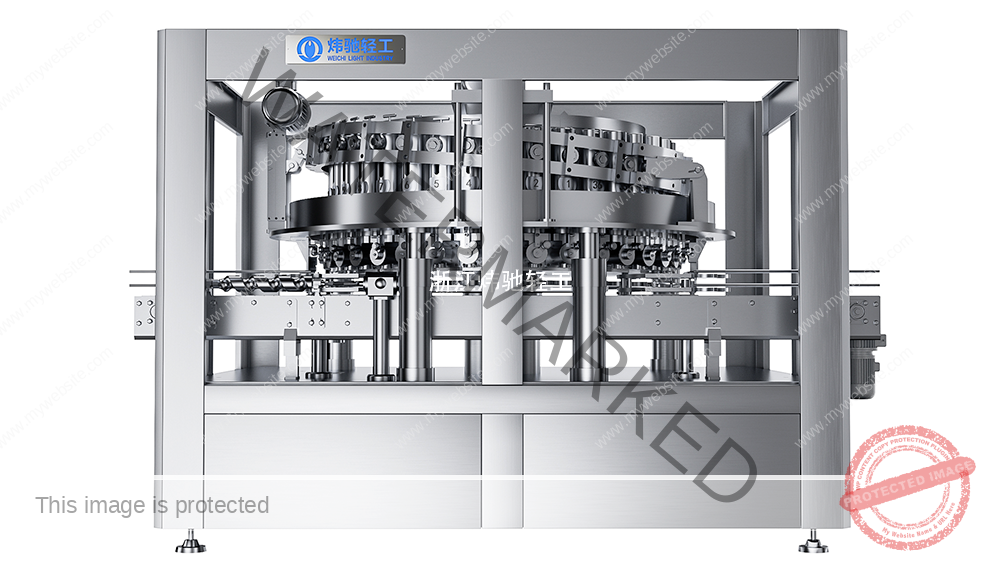
- Can filling technology should be selected from the product properties, package, hygiene plan, required output, and downstream process. Different filling methods control pressure, flow, foam,…
- This page explains filling controls, container preparation, and trial records. For a comparison of gravity, counter-pressure, and hot-fill process routes, see Can Filling Methods: Gravity, I…
- Gravity-based systems may suit free-flowing, non-carbonated products when the required fill control and hygiene conditions can be achieved. The product tank, valve design, head pressure, and…
Can filling technology should be selected from the product properties, package, hygiene plan, required output, and downstream process. Different filling methods control pressure, flow, foam, headspace, and product exposure in different ways.
This page explains filling controls, container preparation, and trial records. For a comparison of gravity, counter-pressure, and hot-fill process routes, see Can Filling Methods: Gravity, Isobaric & Hot Fill.
Common Filling Approaches
Gravity or level filling
Gravity-based systems may suit free-flowing, non-carbonated products when the required fill control and hygiene conditions can be achieved. The product tank, valve design, head pressure, and container handling affect repeatability.
Counter-pressure filling
Carbonated products commonly require pressure balancing and controlled gas handling to limit foaming and product loss. Product temperature, carbonation, pressure, valve sequence, and headspace management must be evaluated together.
Flow-meter or mass-based filling
Metered systems can control a target quantity when the meter, valve, product properties, and cleaning procedure are suitable. Calibration and verification must use the actual product or a justified representative fluid.
Volumetric or piston filling
Products with higher viscosity or particulates may require a different product path and dosing method. Particle size, shear sensitivity, temperature, valve bore, and cleanability should be reviewed before selection.
Container Preparation
Empty-can handling should prevent damage and contamination. The need for rinsing, air treatment, inspection, or other preparation depends on the package supply condition and the plant hygiene plan. A generic cleaning step should not be assumed to be suitable for every product or process.
Controls and Quality Checks
Useful checks may include fill mass or level, temperature, product loss, foaming, dissolved oxygen, carbonation, closure integrity, container damage, and reject handling, depending on the product specification. Alarm and recipe functions should support documented operating and change-control procedures.
Testing Conditions
Evaluate filling performance with the actual or representative product and package. Record the product formulation and temperature, container specification, machine configuration, utility conditions, operating speed, test duration, sampling method, measuring equipment, and acceptance limits. A water trial does not by itself demonstrate performance with a carbonated, viscous, foaming, or particulate product.
From Trial Requirements to Equipment Review
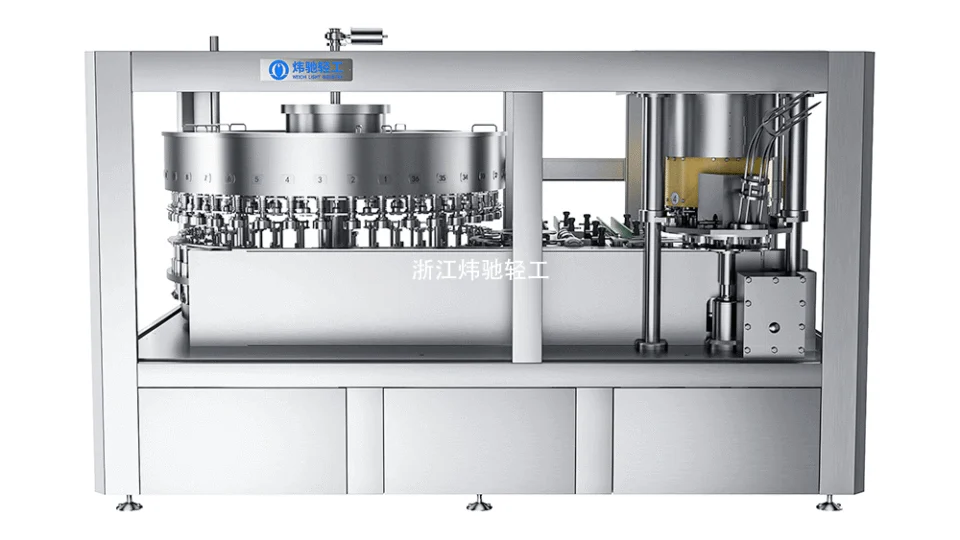
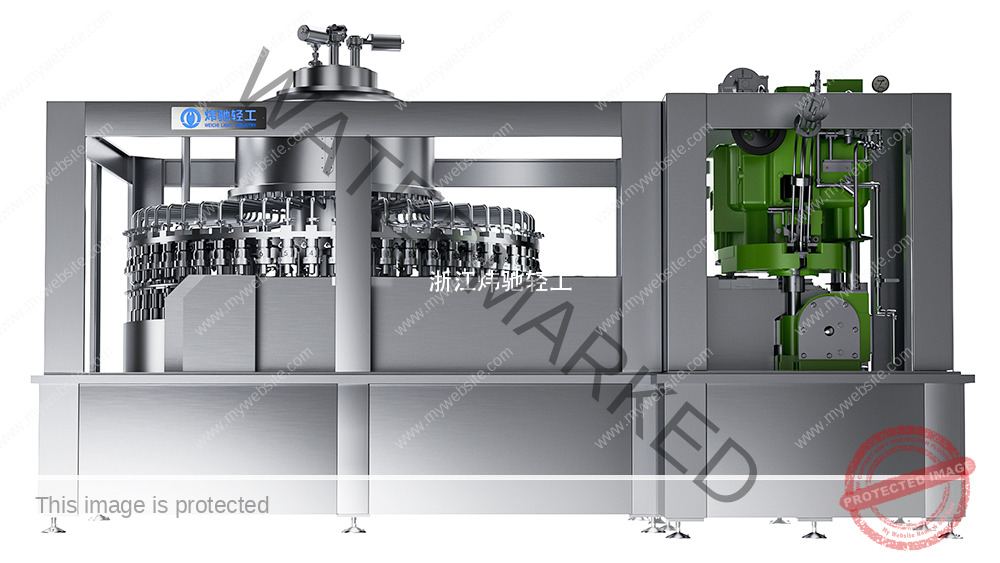
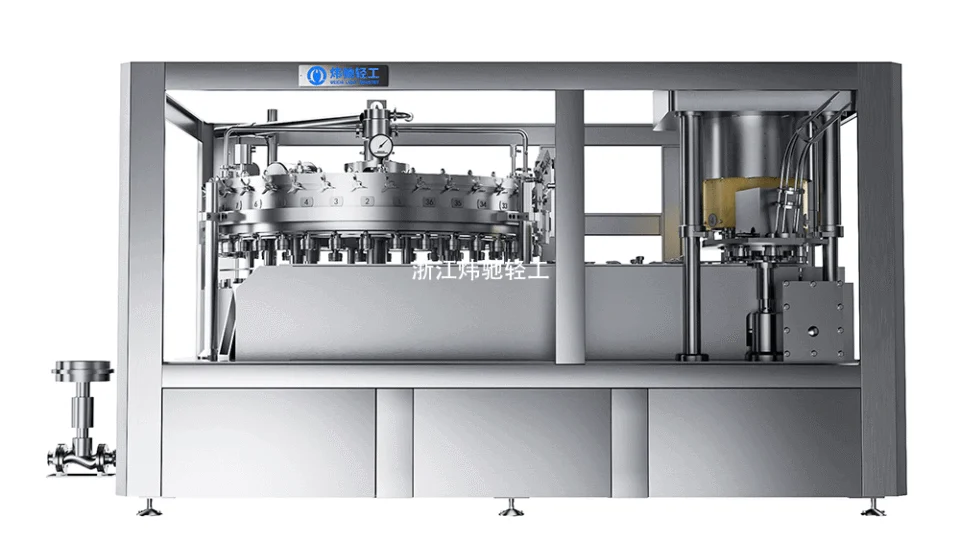
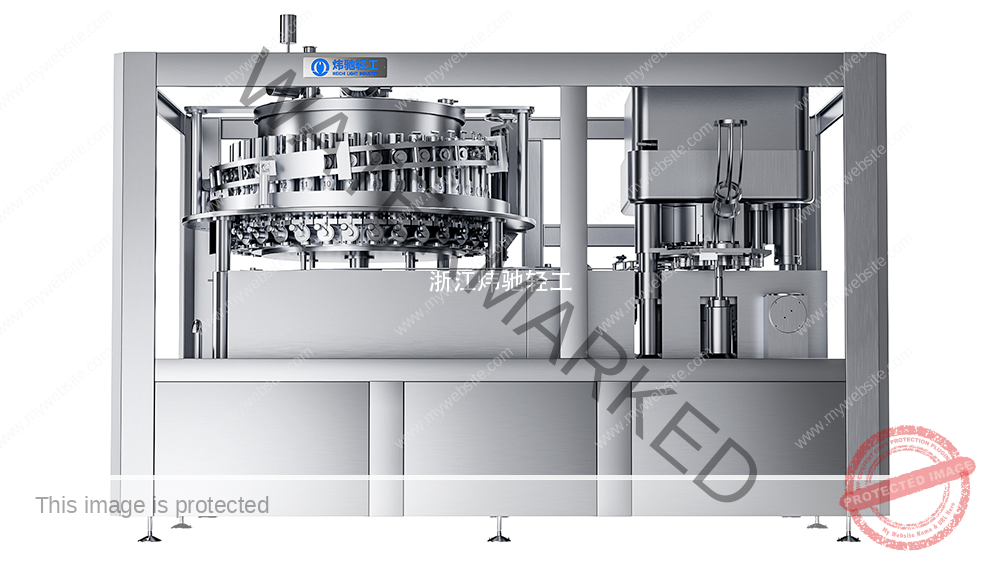
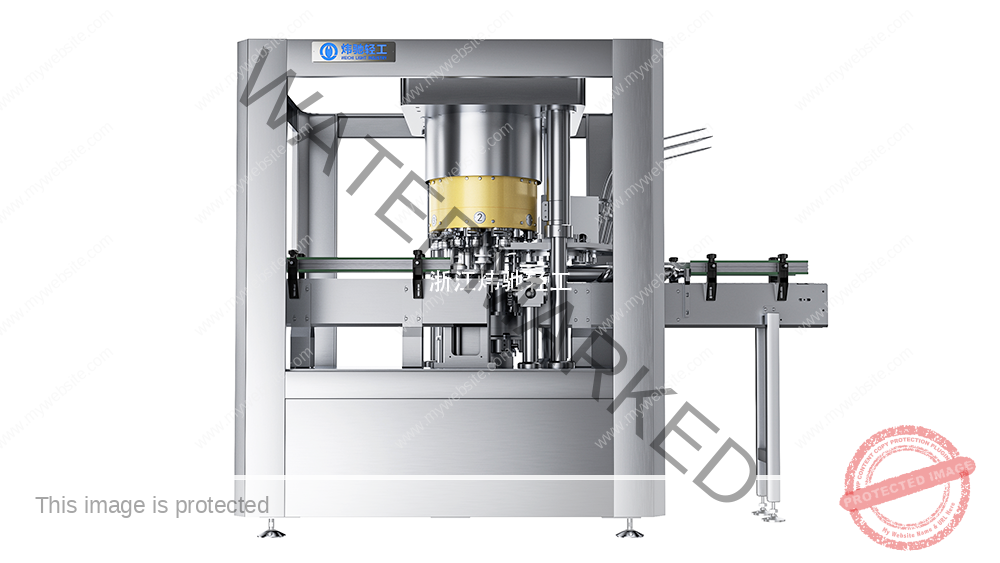
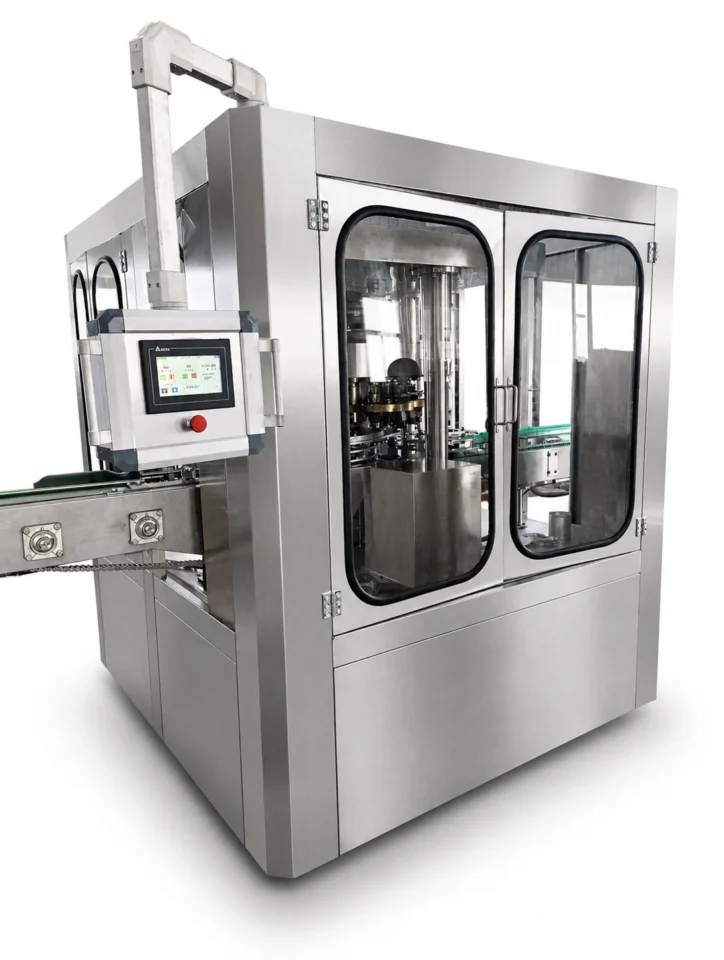
For compatible still beverages, review the non-carbonated beverage filling and seaming monoblock. For carbonated beverages and beer, review the carbonated and beer filling and seaming monoblock. Suitability must be confirmed against the actual product, can and end specifications, required output, utilities, and validated hygiene process. Send these application details for a configuration review.
Safety Statement
This article is general technical information. Machine selection and operation must follow the manufacturer instructions, the plant food-safety plan, and a site-specific risk assessment. Only trained personnel should operate or adjust the equipment. Guards, interlocks, pressure controls, cleaning controls, and hazardous-energy isolation must be verified before use.
Technical Basis and Project Evidence
Final equipment selection and acceptance must use the project product, can and end drawings, utility conditions, line interfaces, agreed test duration, and documented FAT/SAT criteria. Can and end supplier specifications remain authoritative for double-seam limits.
- U.S. FDA: Low-Acid Canned Food Manufacturers, Part 3 — Containers and Closures
- SAMR record: GB/T 30639-2014 — Sauce filling and seaming equipment
- SAMR record: GB/T 40360-2021 — Still-beverage can filling and seaming equipment
Review equipment families See project references Submit application data